Why Synthetic Fiber Filter Fabric Matters on Our Planet
If you’ve ever paused to think about the invisible barriers that keep our air clean, or the fabrics that sift impurities out of water, you’re already touching on the world of synthetic fiber filter fabric. This specialized textile is far more than just a material — it’s a guardian in industries ranging from environmental protection to humanitarian aid.
Globally, clean air and water are not just basic needs but key economic drivers. According to the United Nations, over 2 billion people lack access to safely managed drinking water services, and industrial pollution impacts millions every year. Synthetic fiber filter fabrics play a crucial role here by enabling efficient filtration at scale, reducing contaminants, and enhancing public health environments worldwide.
Understanding this material’s capabilities equips engineers, policymakers, and businesses to design cleaner processes, improve disaster relief logistics, and support sustainable industrial development — which frankly is no small feat.
Introduction: The Global Context of Synthetic Fiber Filter Fabric
As industries and populations grow, the demand for reliable filtration soars. Worldwide, it’s estimated that the filtration market will hit nearly $74 billion by 2027, driven largely by environmental regulations and rising awareness of pollution’s impact (source: ISO environmental standards).
Yet the challenge remains: many traditional filter materials either degrade quickly or fail under harsh conditions. Enter synthetic fiber filter fabrics — man-made textiles engineered specifically for resilience, high efficiency, and adaptability.
Particularly in places vulnerable to pollution spikes — think rapidly urbanizing cities in Asia or fragile ecosystems in Africa — these fabrics offer a scalable solution. They filter airborne particulates, waterborne pathogens, or even harmful chemicals, making them indispensable across many sectors.
What Exactly Is Synthetic Fiber Filter Fabric?
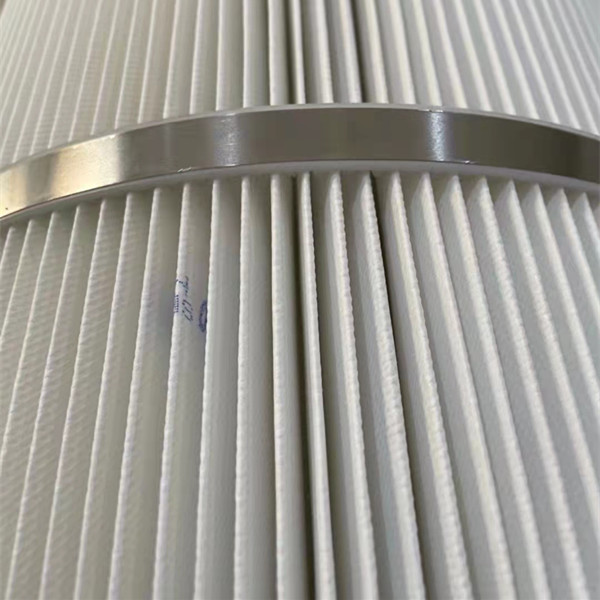
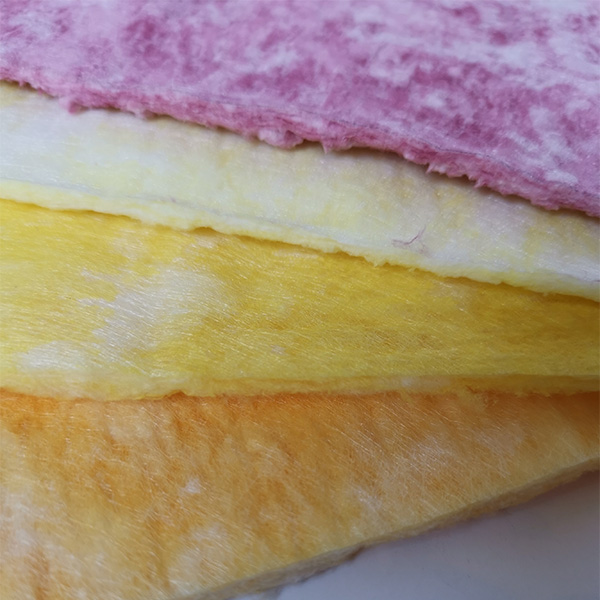
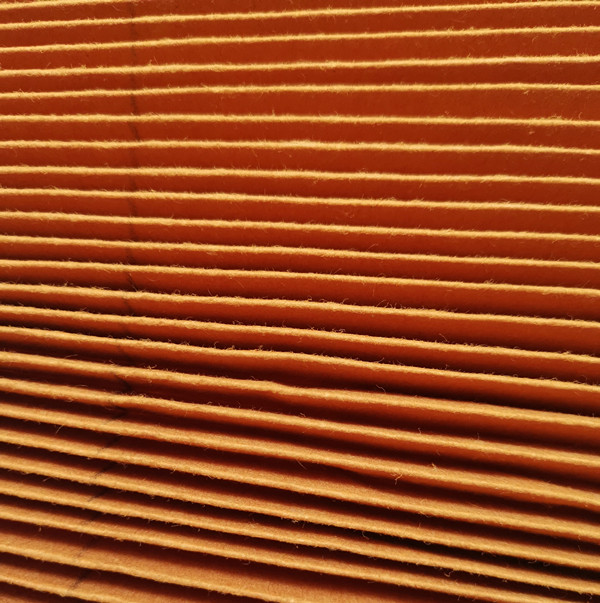
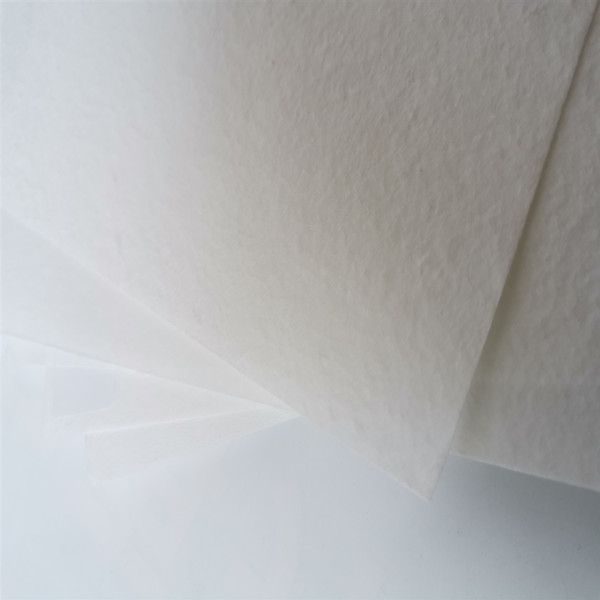
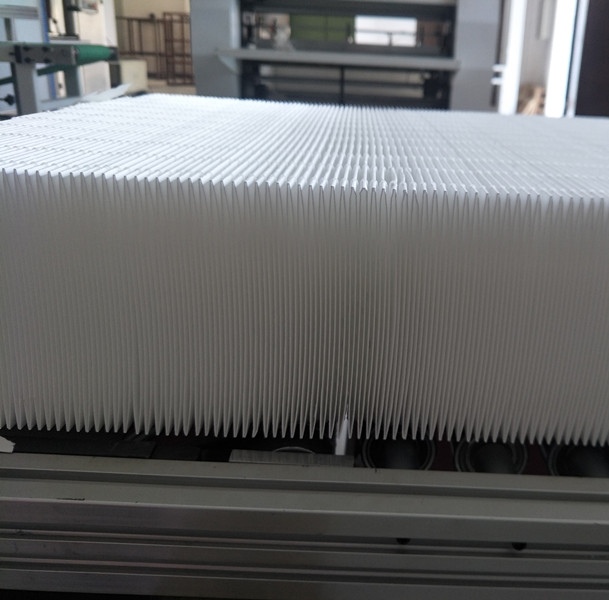
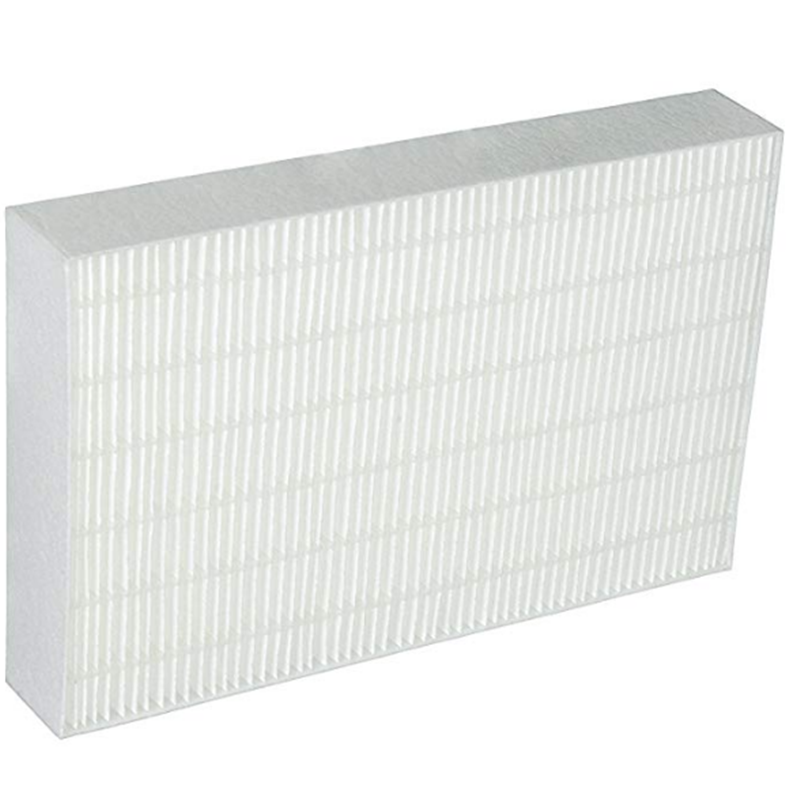
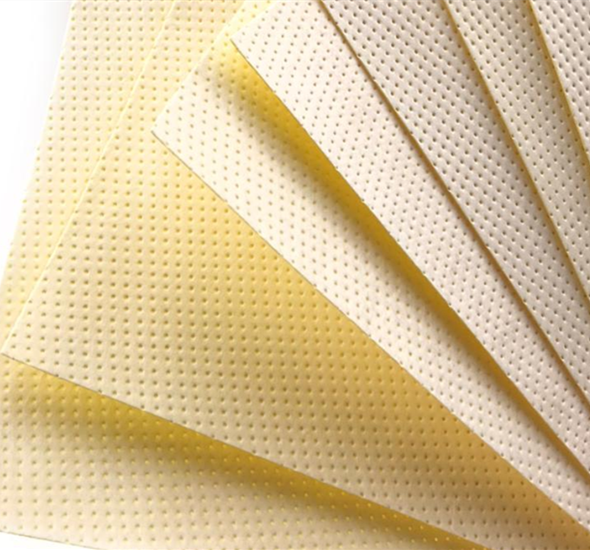
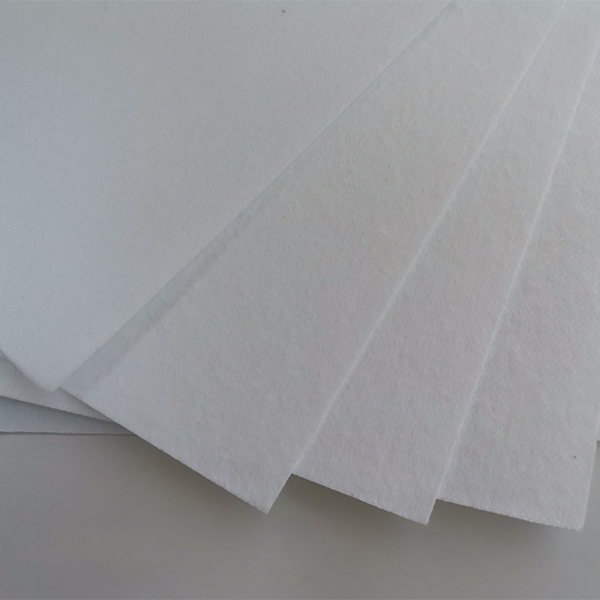
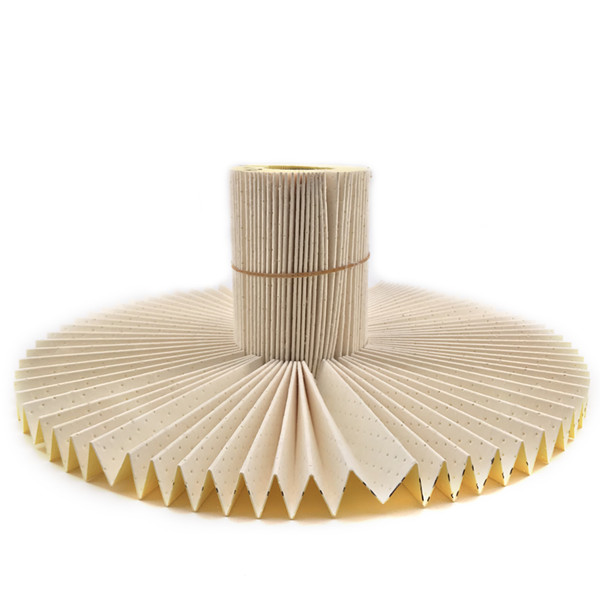
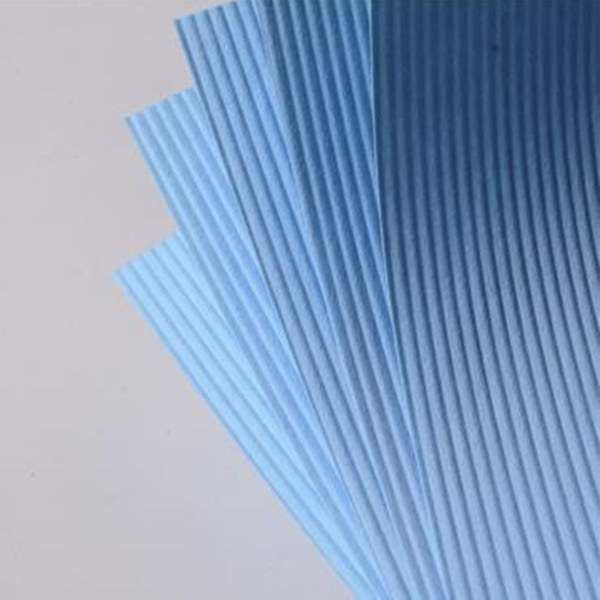
Put simply, synthetic fiber filter fabric is a textile made from man-made fibers such as polyester, polypropylene, nylon, or polyethylene, designed specifically for filtering particles large and small. Unlike natural fibers, these synthetic materials are engineered to withstand tougher environments — from corrosive chemicals to extreme temperatures.
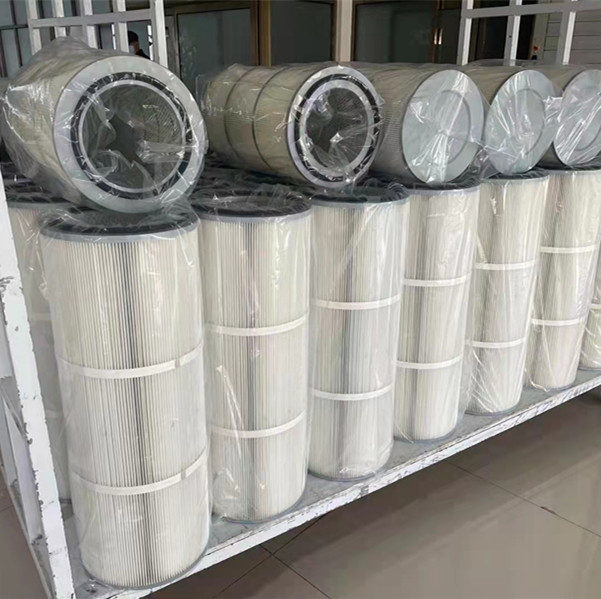
At its core, it’s the intersection of material science and practical engineering. These fabrics trap contaminants while allowing fluids or air to pass through, much like a sieve with microscopic control. This makes them vital for industrial filters, water treatment plants, HVAC systems, and even in humanitarian applications where water safety is urgent.
Oddly enough, while we often focus on the technology behind filtration equipment, the fabric’s design and makeup are what really determine long-term performance and usability.
Core Features That Make Synthetic Fiber Filter Fabric Stand Out
Durability and Chemical Resistance
These fabrics often resist acids, alkalis, and UV exposure — traits that let them sit in extreme environments without losing performance. For example, industrial water filtration systems often expose fabrics to corrosive substances, so durability is non-negotiable.
Filtration Efficiency
The weave and fiber diameter determine what particles get caught. Fabrics can be fine-tuned to filter out anything from dust to bacteria, depending on the application.
Scalability and Flexibility
You can find synthetic fiber filter fabric in tiny filters for masks or in enormous sheets for wastewater treatment plants. This helps serve small-town clinics and massive factories alike.
Cost-Effectiveness
Though synthetic fibers require energy to produce, their longer lifespan and less frequent replacement mean lower lifecycle costs overall — a huge plus for budget-conscious industries.
Environmental Impact
New advances aim for recyclability and reduced environmental footprints, a nod to growing global sustainability agendas.
Global Applications: Where Synthetic Fiber Filter Fabric Makes a Difference
- Industrial Filtration: Factories worldwide—from chemical plants in Europe to mining operations in South America—use these fabrics to filter air and water emissions.
- Disaster Relief: In post-disaster zones, clean water is a major concern. Portable filter units featuring synthetic fiber fabrics help NGOs supply safe water quickly.
- Agriculture: Irrigation systems leverage these fabrics to reduce clogging and prevent harmful particles from reaching crops.
- HVAC Systems: Large buildings and transport networks use advanced synthetic fiber filters to improve indoor air quality.
- Healthcare: Filter fabrics are vital in protective gear and medical device sterilization processes.
Take, for instance, a recent case in Bangladesh where displaced communities relying on water sachets benefited from filtration fabrics embedded in sachet membranes — dramatically reducing waterborne illnesses.
Comparing Some Typical Synthetic Fiber Filter Fabrics
| Feature | Polyester | Polypropylene | Nylon |
|---|---|---|---|
| Chemical Resistance | Good | Excellent | Moderate |
| Temperature Stability (°C) | -40 to 150 | -20 to 100 | -40 to 120 |
| Filtration Efficiency | High | Medium | Very High |
| Cost per Yard (approx.) | $5.00 | $3.50 | $6.00 |
Vendor Comparison: Choosing Your Synthetic Fiber Filter Fabric Partner
| Vendor | Range of Fabrics | Global Shipping | Customization Options | Pricing |
|---|---|---|---|---|
| Alpha Filters | Broad (polyester, nylon, blends) | Yes | High (mesh size, coatings) | Mid-range |
| EcoFilterTech | Focus on recyclable fabrics | Limited (regional) | Moderate | Premium |
| Streamline Fibers | Standard synthetic range | Yes | Basic (color, widths) | Budget-friendly |
What Are the Advantages and Long-Term Value of Synthetic Fiber Filter Fabric?
Choosing synthetic fiber filter fabric often boils down to trust — trust that the fabric won’t let you down when the stakes are high. Its durability translates into fewer replacements, saving operational headaches and expenses.
On a sustainability note, while there’s a necessary energy input for manufacturing, many producers are embracing recycled polymers and green production methods that mitigate environmental impact. This creates a balancing act but also an exciting future.
Emotionally, there’s quite a lot riding on these fabrics: clean drinking water in post-disaster zones, breathable air in congested urban centers, and safer workplaces. One could say these fabrics quietly underpin progress, human dignity, and innovation.
Looking Ahead: Future Trends in Synthetic Fiber Filter Fabrics
Innovation doesn’t sleep. We’re seeing blends with nanofibers to boost filtration precision without sacrificing airflow, while smart coatings can resist biofouling or self-clean. 3D knitting tech is also emerging, allowing more complex, tailored designs that were impossible a decade ago.
Policy-wise, tighter regulations on emissions and wastewater treatment worldwide encourage faster adoption of higher-performance fabrics. Digital monitoring integrated with filter systems will help optimize maintenance and performance remotely.
Energy-wise, sustainable sourcing, such as bio-based polymers, is gaining traction, aligning synthetic fiber filter fabrics with global green goals.
Challenges and Solutions: What Stands in the Way?
No technology is perfect. Synthetic fibers sometimes struggle with microplastic leakage if not managed properly. Disposal and recycling remain hurdles too, since the market for used filter fabrics is nascent.
However, researchers and companies are teaming up on filtration fabric recycling, innovative biopolymers, and even “filter-as-a-service” business models that amortize cost and reduce waste.
Strict quality control and certification, standardized testing per ISO norms, and user education also help maximize useful lifespan and prevent common pitfalls.
Frequently Asked Questions About Synthetic Fiber Filter Fabric
- Q: How do synthetic fiber filter fabrics compare to natural fiber filters?
A: Synthetic fabrics offer greater durability, chemical resistance, and filtration efficiency. Natural fibers like cotton degrade faster and aren’t suitable for harsh industrial environments. - Q: Can synthetic fiber filter fabric be used for potable water filtration?
A: Yes, especially when combined with specific coatings or treatments that meet safety standards. Many water treatment plants rely on these fabrics for primary filtration. - Q: How long does synthetic fiber filter fabric typically last in industrial use?
A: It varies, but generally, these fabrics last 2-5 years depending on exposure and maintenance. Advanced materials with coatings can last even longer. - Q: Is customization available for specific industrial needs?
A: Absolutely. Many suppliers offer modifications in fiber type, weave density, and treatments to tailor fabric performance to exact requirements.
Conclusion: Why Synthetic Fiber Filter Fabric Is Worth Considering
Synthetic fiber filter fabric quietly builds the bridge between technology and basic human needs — clean air, safe water, and functional industries. Its blend of durability, flexibility, and ongoing innovation means it will only grow more vital as the world tackles pollution, urbanization, and climate change.
If you’re looking to explore synthetic fiber filter fabrics for your projects, or want a trusted supplier with technical expertise, synthetic fiber filter fabric is a great place to start. It’s where material science meets practical innovation for a cleaner tomorrow.
References:
1. United Nations - Water Scarcity
2. ISO Environmental Standards for Filtration
3. Wikipedia - Filtration
Post time: Nov-30-2025