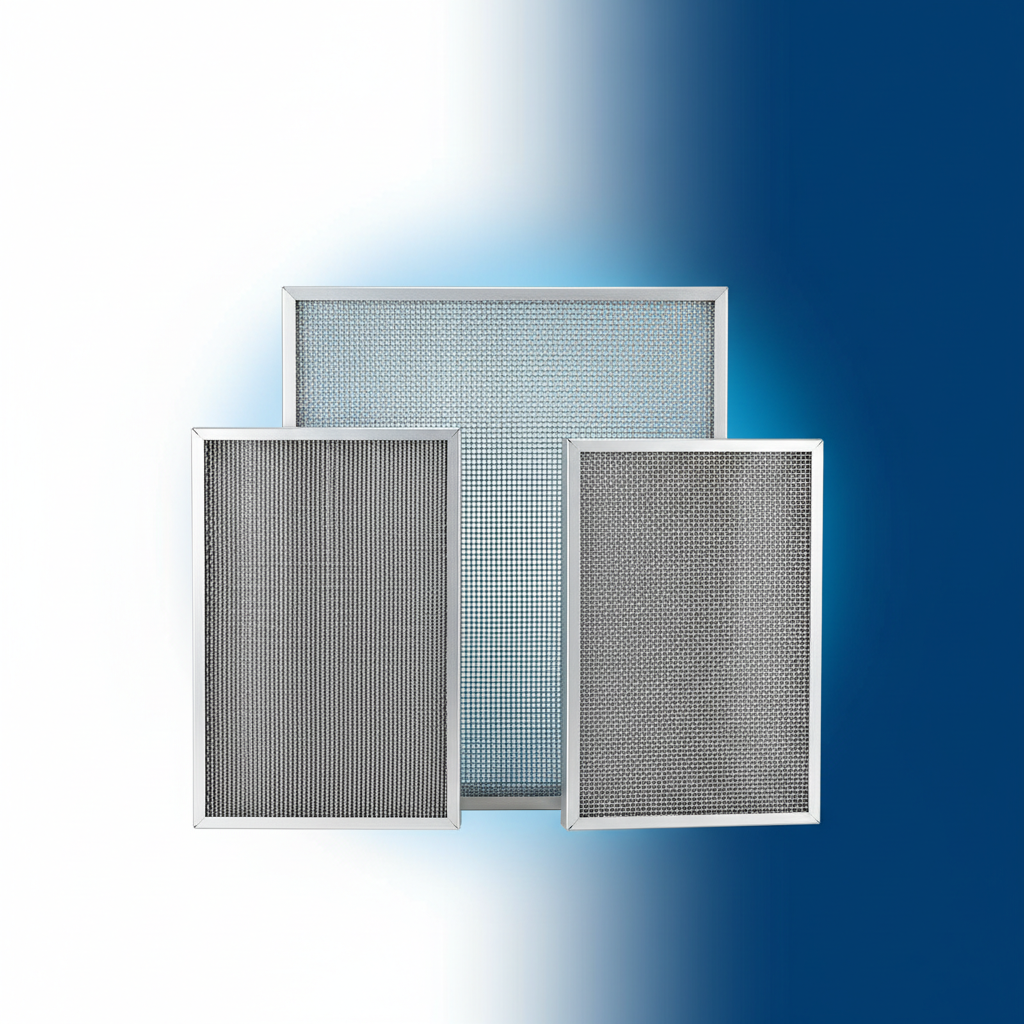
Understanding Dust Filter Paper: Why It Matters Globally
You might not notice dust filter paper in everyday life, but it’s quietly at work in factories, cleanrooms, and even disaster zones. In simple terms, dust filter paper acts as a barrier that traps airborne particles, preventing them from contaminating sensitive environments. Globally, this tiny hero plays a crucial role in improving air quality, safeguarding industrial processes, and protecting human health. Considering that the World Health Organization estimates over 90% of the world’s population breathes polluted air, understanding dust filter paper’s role isn't just technical jargon—it's a frontline defense in a battle we all share.
Moreover, as industries grow and urbanization accelerates, controlling particulate pollution becomes ever more urgent. Whether it's filtering dust in a cement plant in India or maintaining sterile conditions in a pharmaceutical lab in Germany, dust filter paper offers scalable, cost-effective, and eco-conscious solutions that matter in real-world conditions.
A Global Perspective on Dust Filter Paper Use and Challenges
From sprawling industrial zones in China to relief efforts after natural disasters in the Caribbean, the global demand for efficient dust filtration solutions has skyrocketed. According to a 2023 International Organization for Standardization (ISO) report, particulate matter control technologies, including advanced dust filter paper, are an estimated $7 billion market worldwide and growing at about 6% annually.
Why the urgency? Dust pollution directly impacts workers' respiratory health and can degrade equipment performance, leading to costly downtimes and decreased product quality. Still, applying dust filter paper appropriately is no trivial task—choosing the right type for a specific industry context requires technical know-how and often local customization.
What Exactly Is Dust Filter Paper?
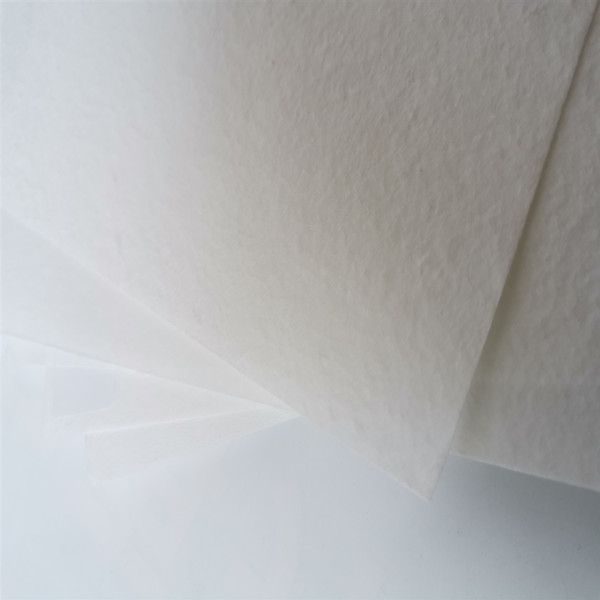
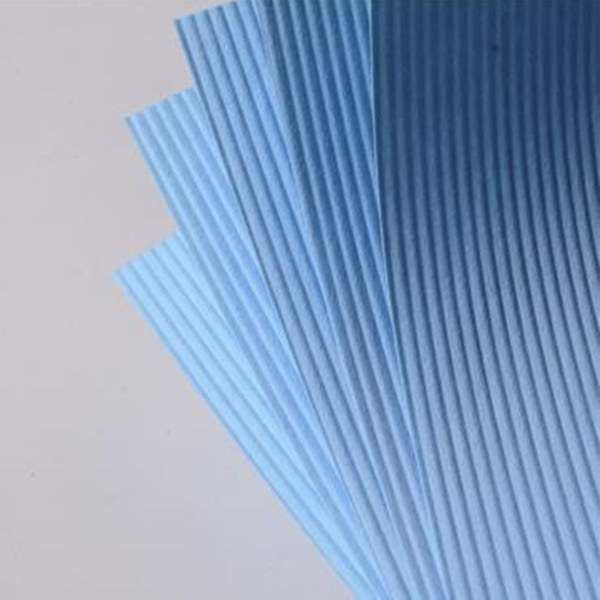
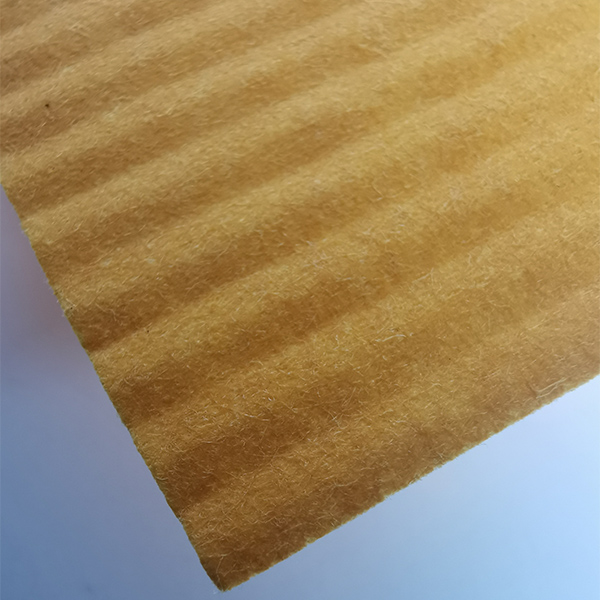
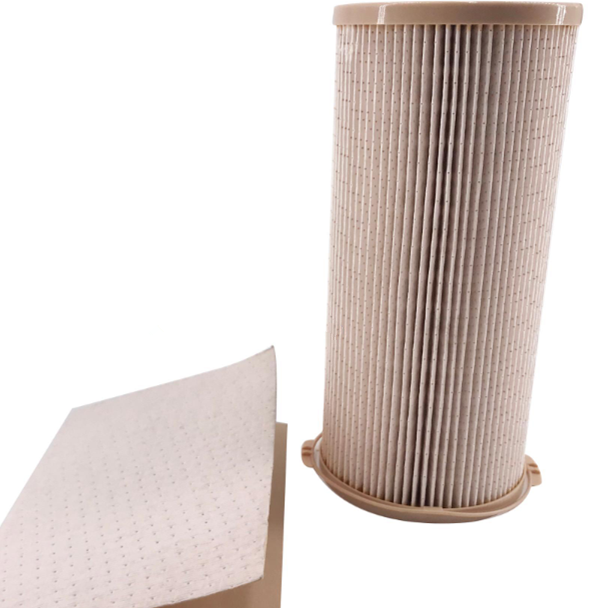
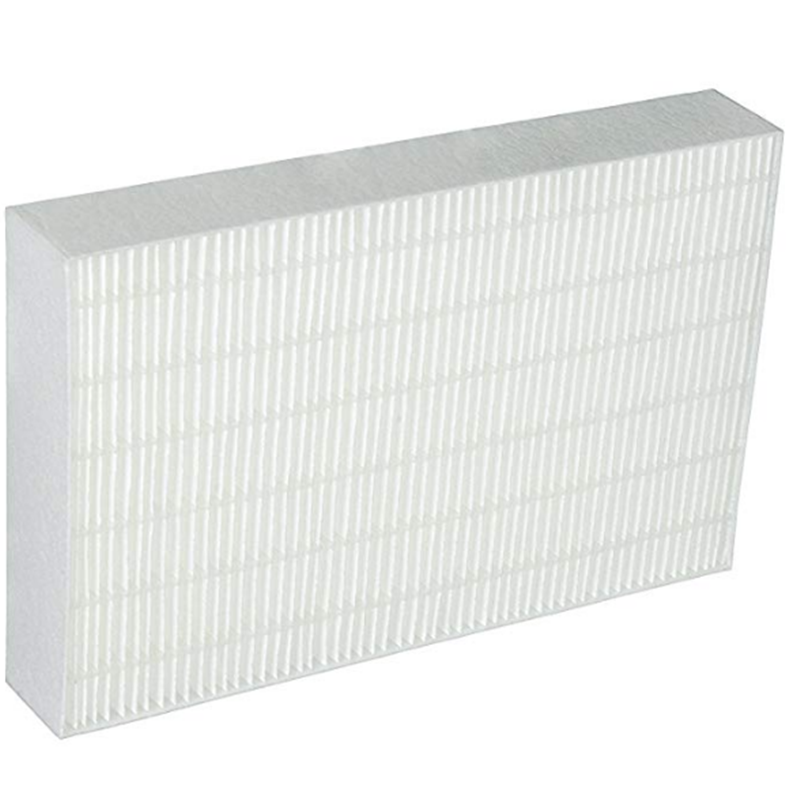
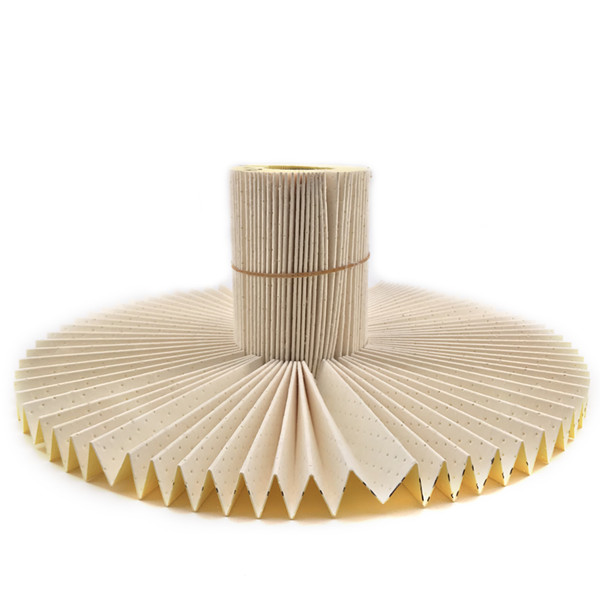
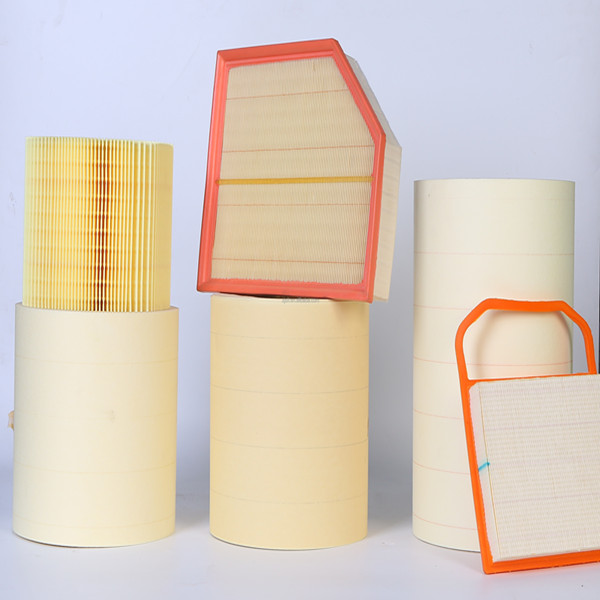
Dust filter paper is essentially a specialized type of porous sheet material engineered to capture fine dust particles suspended in the air. Unlike generic paper, it’s designed for industrial or medical filtration purposes, often treated or layered for enhanced durability and particle retention. It’s the backbone of many filtration systems, ranging from simple vacuum cleaners to complex air handling units in cleanrooms.
In humanitarian settings, such as refugee camps or remote healthcare facilities, dust filter paper integrated into air purifiers helps reduce airborne pathogens and allergens, which is a practical yet underappreciated necessity.
Key Features of Dust Filter Paper You Should Know
1. Porosity and Filtration Efficiency
The size of the pores in dust filter paper defines what can pass through—and what gets trapped. Papers with micron-sized pores can catch even the finest particulates. Engineers balance porosity with airflow rates to ensure efficient filtering without choking ventilation.
2. Durability and Resistance
Dust filter paper must withstand mechanical stress and environmental factors like humidity or chemical exposure. Specialized coatings or reinforced fibers keep them intact over long operating periods.
3. Cost Efficiency
While there are high-tech options available, dust filter paper remains one of the most cost-effective ways to reduce particulate matter—especially when disposable filters are needed for hygiene-sensitive uses.
4. Scalability and Customization
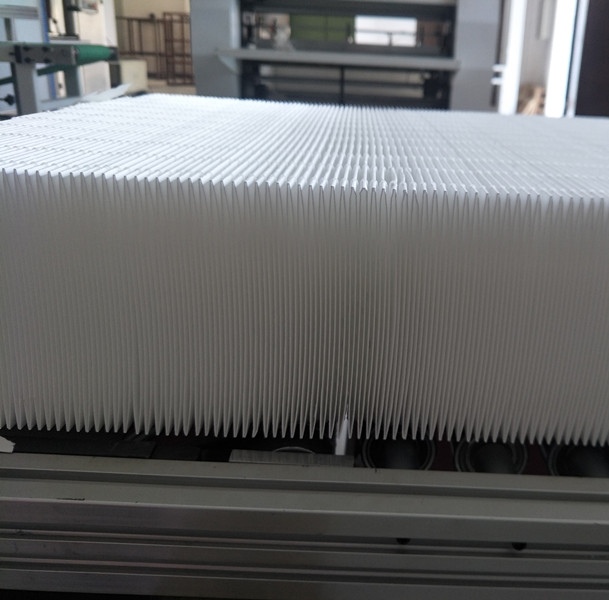
Dust filter paper comes in various grades and sizes, making it adaptable for small appliances or large industrial filters. Many manufacturers offer custom specifications to match unique needs.
Mini Takeaway: The best dust filter papers aren’t just about stopping dust — they strike a delicate balance of filtering power, airflow, durability, and price.
How Dust Filter Paper Is Changing Real-World Landscapes
Look beyond the factory floor: in post-disaster relief zones, rough and ready air filtration using dust filter paper helps reduce respiratory risks caused by dust storms or collapsed buildings. In mining regions like South Africa, advanced filter papers boost worker safety by significantly clearing silica dust.
Industries such as pharmaceuticals, electronics manufacturing, and food processing from Europe to Southeast Asia rely heavily on dust filter papers to maintain sterile, particle-free environments, proving that this is a truly global story. Even urban centers, plagued by smog, benefit indirectly through better filtration in homes and offices.
Advantages and Long-Term Value of Dust Filter Paper
- Cost Savings: Durable yet consumable, dust filter papers reduce equipment wear and healthcare costs due to fewer respiratory issues.
- Sustainability: Many filter papers are now made with eco-friendly materials or designed for recycling, aligning with industrial green standards.
- Social Impact: Safer air means healthier communities, especially in vulnerable or low-resource settings.
- Reliability: Proven in decades of industrial use, dust filter paper offers consistent performance and easy maintenance.
Almost feels like the unsung hero of countless industries—quietly providing trust and peace of mind with every cubic meter of filtered air.
Looking Ahead: What’s Next for Dust Filter Paper?
Innovation hasn't stood still. Researchers are experimenting with nanofiber technologies that promise even finer particle capture without losing breathability. There’s also optimism about biodegradable filter papers replacing traditional ones, cutting landfill waste significantly.
Digital sensing combined with filter paper technology might soon predict filter saturation in real time, enabling smarter maintenance in factories worldwide. All that aligns well with trends towards sustainability, automation, and smart manufacturing.
Challenges in Dust Filter Paper Today—and How Experts Are Tackling Them
No solution is perfect. Dust filter papers can clog quickly in particularly dusty environments, reducing airflow and requiring frequent replacement. Trouble arises when users pick the wrong grade, leading to inefficient filtration or increased costs.
To address this, companies now emphasize user education, modular filter designs, and hybrid materials that extend filter life without compromising performance. Frankly, the industry is learning fast—there's a real push for smarter, adaptable options.
Frequently Asked Questions About Dust Filter Paper
- What types of dust particles can dust filter paper trap?
- Dust filter paper is designed to capture a range of particulate sizes, from large debris to fine dust as small as a few microns. Different grades allow for targeting general dust, allergens, or even microscopic contaminants like bacteria.
- Can dust filter paper be reused or cleaned?
- Most industrial dust filter papers are disposable to ensure hygiene and efficacy. However, some reinforced or synthetic types can be lightly cleaned, but this usually reduces their filtration capacity and lifespan.
- How do I choose the right dust filter paper for my industry?
- Consider the particle size, airflow requirements, environmental factors (humidity, chemicals), and regulatory standards. Consulting with manufacturers or specialists can help customize an optimal solution.
- Does dust filter paper contribute to environmental waste?
- Traditional filter papers do create waste, but many manufacturers now offer biodegradable or recyclable versions, helping to reduce environmental impact while maintaining performance.
- Where can I purchase certified dust filter papers?
- Reliable dust filter papers can be sourced through specialized vendors or directly from manufacturers, who provide specification sheets and certification compliant with ISO or other standards.
Product Specifications of a Popular Dust Filter Paper Model
| Specification | Model XF-320 |
|---|---|
| Material | Synthetic fiber blend |
| Filtration Efficiency | Up to 99.7% @ 0.3 microns |
| Max Operating Temperature | 120°C (248°F) |
| Airflow Resistance | 120 Pa @ 2.5 m/s |
| Dimensions | 500mm x 500mm sheets |
| Typical Use | Pharma, electronics, cleanrooms |
Comparing Leading Dust Filter Paper Suppliers
| Vendor | Product Range | Key Strength | Pricing Tier | Global Reach |
|---|---|---|---|---|
| FilterPro Industries | Wide, including eco-friendly lines | Sustainability innovation | Mid to High | Worldwide |
| CleanAir Solutions | Standard industrial and custom | Custom orders & fast delivery | Low to Mid | North America, Europe |
| EnviroTex Filters | High-performance specialty filters | High efficiency & durability | High | Asia Pacific, Europe |
Wrapping Up and Taking It Forward
Dust filter paper might seem humble, but it’s far from insignificant. Whether ensuring workplace safety, protecting delicate manufacturing, or supporting clean air in post-disaster zones, this material is a quiet but critical contributor. As technology advances and global demand for environmental control escalates, dust filter paper’s evolution will continue—helping industries and communities breathe easier.
If you want to explore quality dust filter paper options tailored to your needs, be sure to visit our website at https://www.anyafiltermedia.com. Because, honestly, good air quality is something we all deserve.
References
Post time: Nov-30-2025