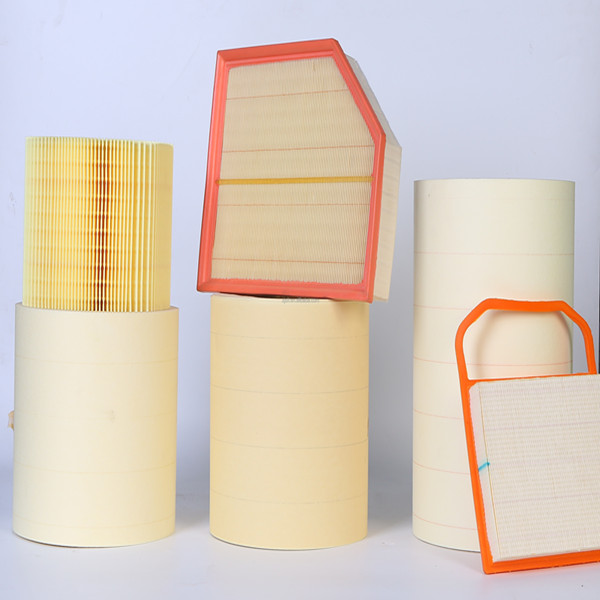
Why Gas Turbine Filter Media Matters in Today's Industrial World
Gas turbine filter media might not be the flashiest topic at a dinner party, but it’s surprisingly important — not just for engineers, but for anyone who cares about energy efficiency, reliability, and environmental impact on a global scale. Essentially, this specialized filtration material keeps gas turbines humming smoothly by protecting sensitive components from harmful particles and contaminants.
Understanding gas turbine filter media has become crucial as industries lean heavily on gas turbines for power generation, aviation, and even critical humanitarian relief efforts. The better the filter media, the longer turbines run, the less downtime organizations face, and, frankly, the greener our energy footprint becomes.
So why does this matter globally? Well, consider this: gas turbines supply roughly 25% of the world's electricity (source: International Energy Agency), and turbine failure caused by contaminated air has cost the industry billions. That’s where the filter media step in—there's a big difference between a turbine that’s protected and one that’s not.
The Global Context: Why Gas Turbine Filter Media Is a Big Deal
Across continents, from the deserts of the Middle East to industrial hubs in Europe and sprawling wind farms in the US, gas turbines are everywhere. But the air quality in those locales varies wildly. Dust, salt, moisture, and industrial pollutants can sneak into turbines, causing premature wear and tear.
According to ISO standards (ISO 29463, specifically focusing on filter efficiency), ensuring clean intake air isn’t just best practice—it’s mandatory for optimal turbine operation. Still, meeting these standards in diverse environments is a challenge. For instance, turbines used in coastal zones face heavy salt exposure, while desert installations battle sand and grit.
In fact, the UN Environmental Program points out that improving turbine efficiency by even 1-2% through better filtration reduces greenhouse gas emissions on a massive scale. That might not sound like much, but it’s the kind of incremental progress that adds up to real climate benefit.
What Exactly Is Gas Turbine Filter Media?
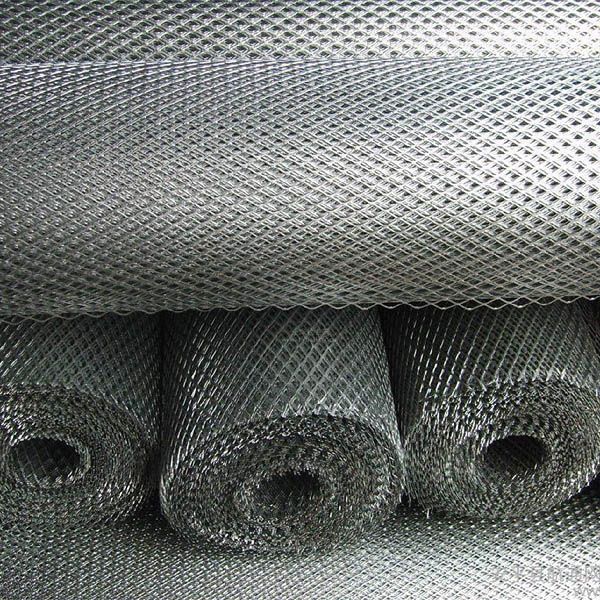
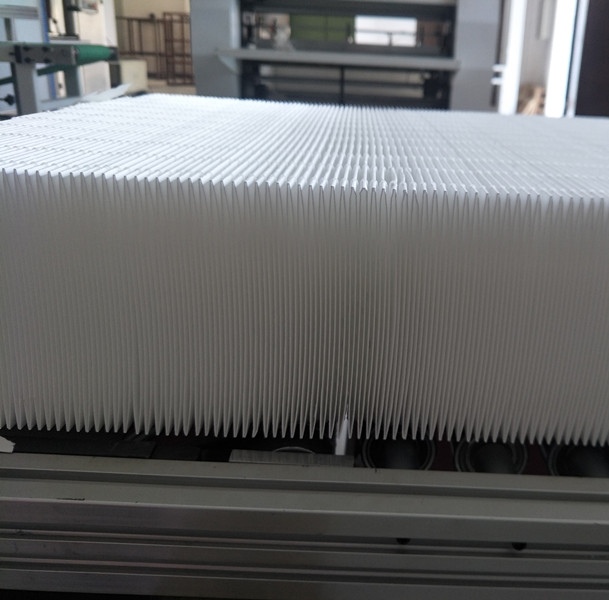
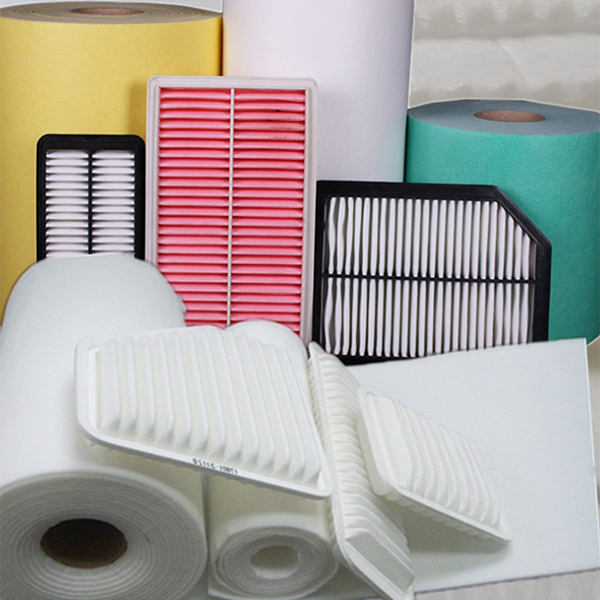
In simpler terms, gas turbine filter media is the barrier material inside the turbine’s air filtration system. It’s designed to trap dirt, dust, and microscopic pollutants before they can enter and damage the turbine. Think of it like high-tech face masks for the machine’s lungs.
Its role extends beyond mechanical protection — it also impacts performance, energy efficiency, and turbine lifespan. In industries that rely on continuous power, from hospitals to manufacturing plants and even disaster relief sites, this media plays a silent but vital role.
Mini Takeaway:
- Gas turbine filter media is essentially the frontline defense protecting turbine engines from airborne contaminants, enhancing reliability.
- It’s an often unseen but indispensable technology with substantial global impact on energy and environmental standards.
Core Aspects of Gas Turbine Filter Media
Durability
In practice, filter media has to endure high temperatures, humidity, and aggressive environmental conditions. Durability ensures long filter life and fewer replacements. Many newer media incorporate synthetic fibers or PTFE coatings for enhanced resistance.
Filtration Efficiency
This relates to the media’s ability to capture particles of varying size — from coarse sand to fine aerosols. Higher efficiency means less dirt inside the turbine but also often impacts airflow resistance, so there’s always a balancing act.
Cost Efficiency
While premium media might cost more upfront, the extended turbine life and reduced maintenance often save money overall. Organizations constantly weigh initial spend versus long-term operational costs.
Moisture Resistance
Filters have to maintain performance despite moisture — like rain or fog — because wet filters that clog quickly cause pressure drops and higher fuel consumption.
Customizability and Scalability
Modern filter media can be tailored to specific environmental conditions and turbine designs. This makes them suitable for everything from a small combined cycle plant to massive aviation turbines.
Mini Takeaway:
- Effective gas turbine filter media balances durability, efficiency, cost, and environmental resilience for maximum operational benefit.
- Choices depend heavily on application specifics and expected ambient conditions.
Global Applications & Real-World Use Cases
Gas turbine filter media is everywhere — in power stations from Shanghai to São Paulo, and in aviation hubs like Dubai. Take the oil fields of Oman, for example: turbines there require filters that resist both salty air and desert dust — a demanding combo.
Disaster relief operations, where portable turbines generate emergency power, often rely on rapid-deployment filter units to handle unpredictable local particulates. In remote industrial zones, downtime costs can be crippling, so superior filter media mean the difference between smooth operations and costly repairs.
One interesting case is a North Sea offshore platform where custom filter media withstand salt spray and cold temperatures, massively reducing filter changes and maintenance time. The site engineers described this improvement as a “quiet revolution” in daily reliability.
Mini Takeaway:
- From deserts to offshore rigs, gas turbine filter media adapts to diverse climates and industries.
- High-quality media enables continuous, trouble-free turbine operations, saving money and stress.
Advantages and Long-Term Value of Good Filter Media
- Lower operational costs: Less turbine wear and fewer unplanned shutdowns.
- Environmental sustainability: Efficient turbines burn less fuel and emit fewer pollutants.
- Safety and reliability: Stable power supply is crucial, especially in healthcare and disaster zones.
- Enhanced reputation: Companies showcase proactive environmental and sustainability compliance.
On an emotional level, knowing the turbine runs cleanly and efficiently eases the burden for engineers and managers. It’s a quiet, ongoing assurance that not everything depends on rapid repairs or firefighting downtime.
Emerging Trends & Innovations
Oddly enough, the humble filter media is becoming a hotbed of innovation. Think nanofiber layers, smarter coatings that repel moisture and dust, and digital monitoring embedded in filters to signal when replacement is needed.
There’s also a big push toward greener production of filter materials themselves. Recycled fibers, biodegradable polymers, and manufacturing with less waste are gaining ground.
Automation in turbine maintenance now often includes filter monitoring systems, reducing human error. Plus, as energy sectors embrace renewables, hybrids combining turbines with solar or batteries also demand adaptable filter solutions.
Challenges & How Industry Is Tackling Them
Filter clogging remains a perennial challenge. Media that capture more particles often increase resistance, which can reduce turbine efficiency if not properly designed.
Cost pressures push manufacturers to balance performance with budget constraints, while some regions suffer from wildly fluctuating air quality that’s hard to predict.
Solutions include modular filter designs allowing quick swaps, coatings that extend life, and AI-driven air quality forecasts that adjust filter maintenance schedules dynamically.
Product Specification Table
| Specification | Typical Value | Notes |
|---|---|---|
| Particle Filtration Efficiency | > 99.97% (@ 0.3 μm) | Meets HEPA-level standards |
| Operating Temperature | -40 to 100 °C | Suitable for most climates |
| Moisture Resistance | High (hydrophobic coating) | Reduces clogging in humid conditions |
| Lifespan | 6–12 months (varies by environment) | Extends turbine maintenance intervals |
| Material | Synthetic fibers with PTFE membrane | Improves longevity and performance |
Vendor Comparison Table
| Vendor | Efficiency | Cost | Special Features | Suitable Environments |
|---|---|---|---|---|
| AirPure Filters | 99.95% | Mid-range | Hydrophobic coating, quick-fit design | Coastal, industrial |
| TurbineGuard | 99.97% | Premium | Nanofiber layers, real-time monitoring | Harsh environments, offshore |
| EcoFilter Solutions | 99.90% | Budget-friendly | Recycled materials, biodegradable core | Mild, dry climates |
Frequently Asked Questions About Gas Turbine Filter Media
- Q: How often should gas turbine filter media be replaced?
- A: Typically, filter media lasts between 6 to 12 months, depending largely on environmental conditions. Dust-heavy or coastal areas might require more frequent changes to maintain efficiency and protect turbine components.
- Q: Can the filter media impact turbine fuel efficiency?
- A: Absolutely. Clean, efficient filter media reduce airflow resistance, allowing turbines to operate closer to their designed specifications, which directly supports better fuel consumption and lower emissions.
- Q: Is it possible to customize gas turbine filter media for unique environments?
- A: Yes, many vendors offer custom solutions tailored to specific airborne contaminants, climate conditions, and turbine models, ensuring optimal filtration without excessive pressure drops.
- Q: Are newer filter media options more environmentally friendly?
- A: Many newer products incorporate recycled or biodegradable materials and are manufactured using sustainable processes, answering the need for greener industry practices.
Final Thoughts: Why Investing in Quality Gas Turbine Filter Media Pays Off
Having worked closely with turbines and their filters over the years, I can say this: investing in good gas turbine filter media is a small step with huge upside. We’re talking reduced downtime, cut maintenance costs, better energy efficiency, and a cleaner atmosphere. In the bigger picture of global energy sustainability and cost control, it’s one of those unsung heroes.
If you want a closer look at reliable filter media options or detailed specs, I’d recommend checking out gas turbine filter media specialists for tailored advice and product lines.
References
Post time: Nov-30-2025