Why Resin Filter Paper Remains a Staple in Industrial Filtration
Having spent over a decade working hands-on with industrial filtration systems, I’ve seen trends come and go. Yet, one component that seems to quietly but reliably hold its ground is resin filter paper. Oddly enough, despite the buzz around new synthetic membranes and ultrafiltration, resin-impregnated filter paper still offers a blend of performance and cost-effectiveness that many plant operators swear by.
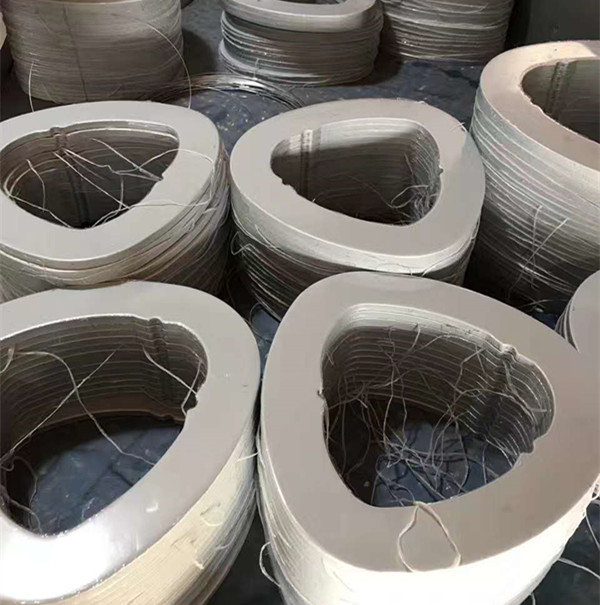
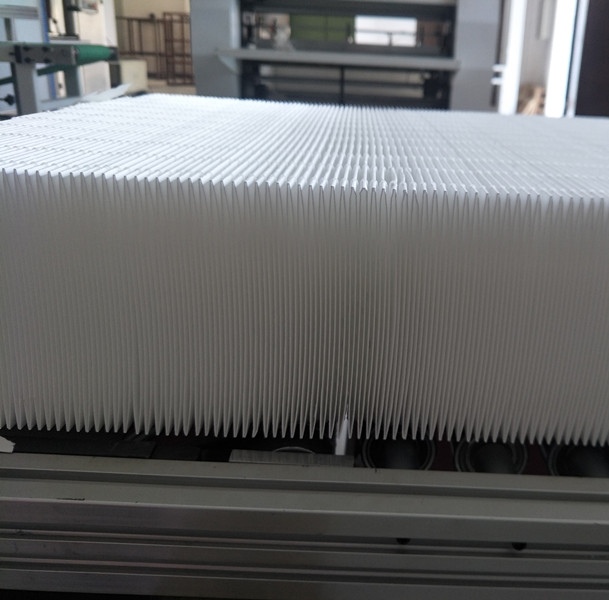
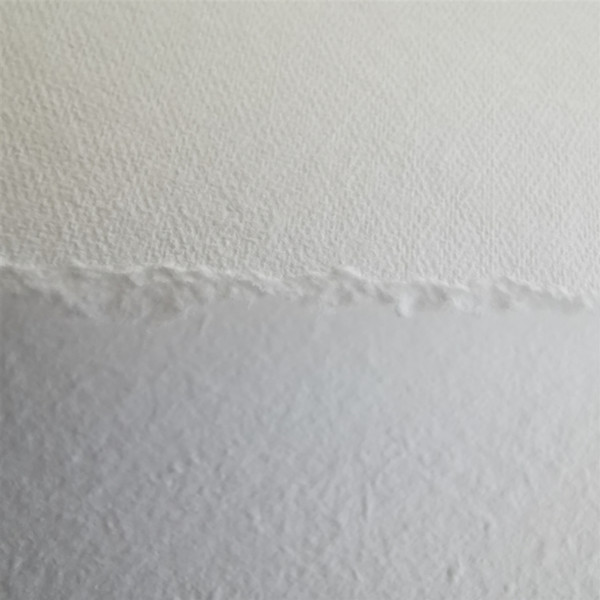
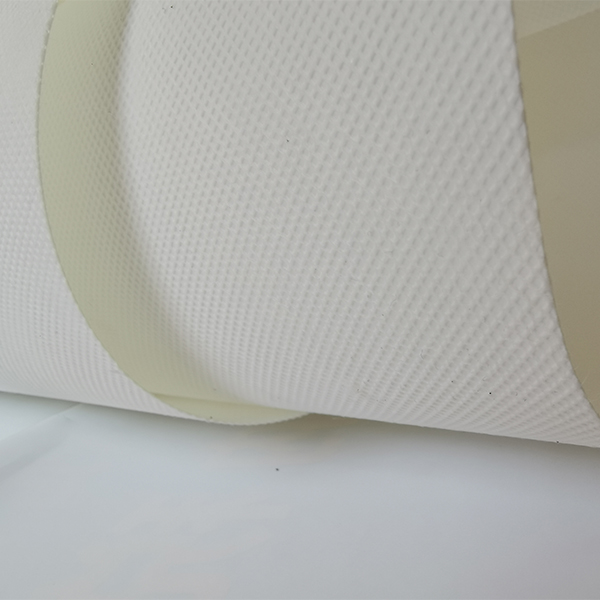
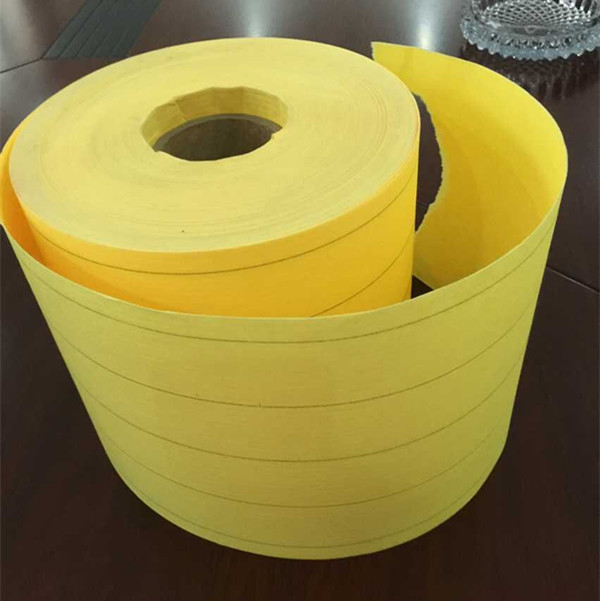
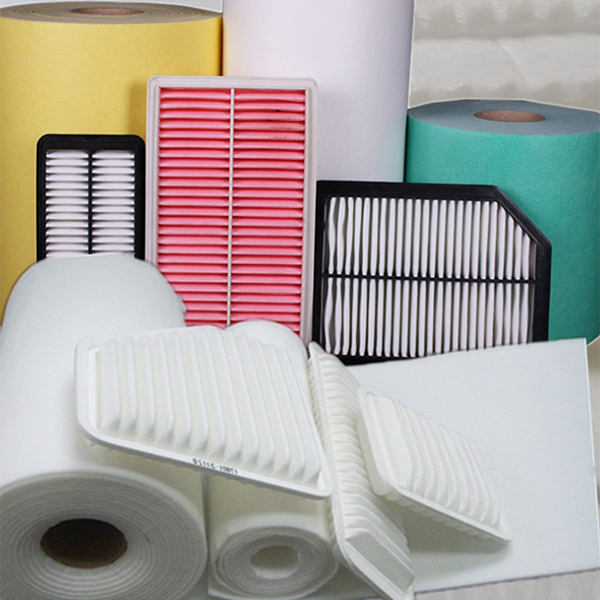
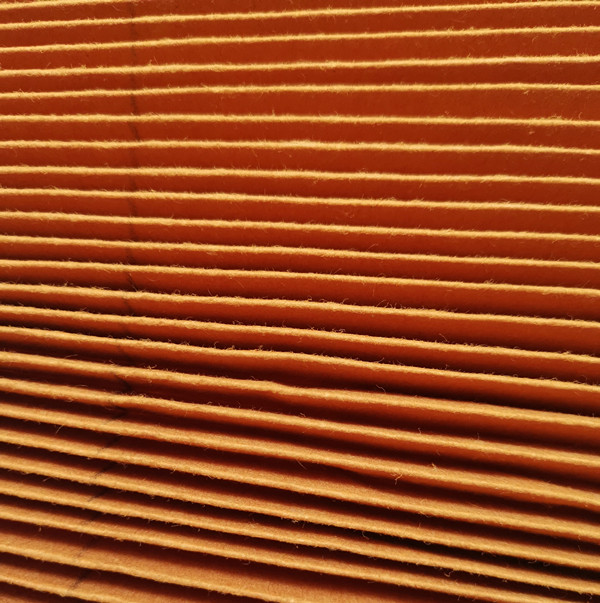
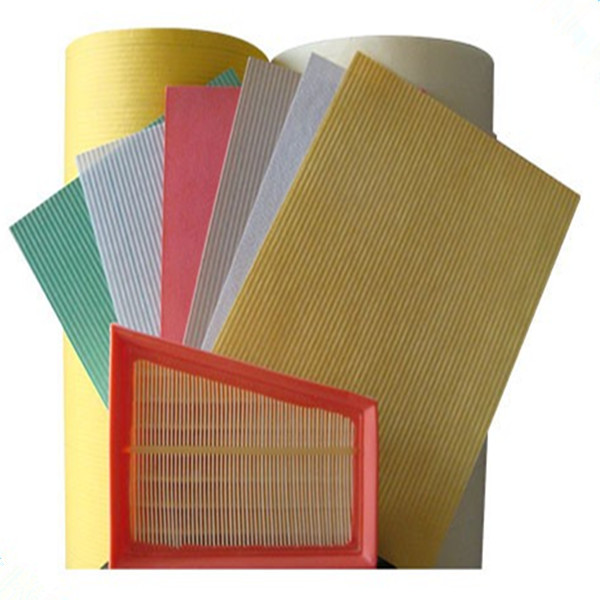
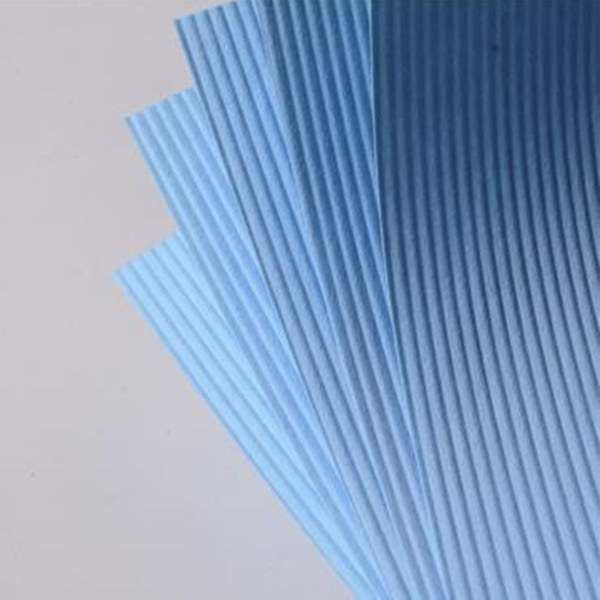
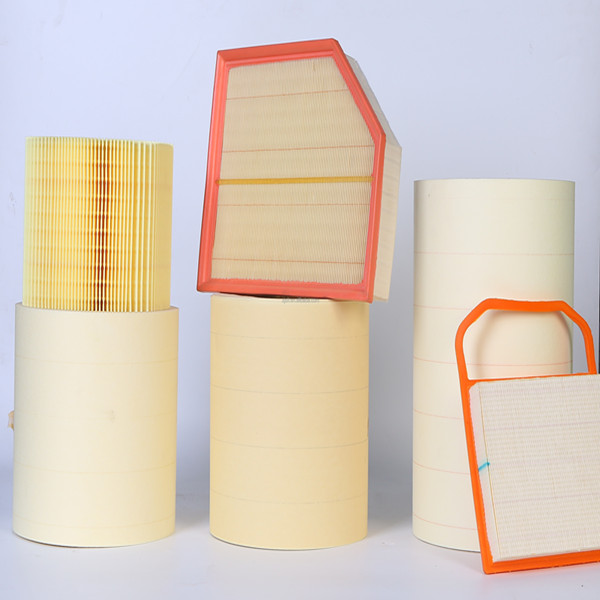
So, what’s the deal? In real terms, resin filter paper is essentially cellulose-based paper infused with a resin binder that enhances strength, chemical resistance, and dimensional stability. This combination makes it ideal for filtering liquids and gases in challenging industrial environments — think wastewater treatment, food and beverage processing, or even chemical manufacturing.
One thing I often notice on the factory floor is how these filter papers perform under pressure and wet conditions. Resin impregnation keeps the paper from falling apart, especially when filtering aggressive fluids or when backflushing is needed to extend filter life. Many engineers I’ve worked with appreciate the balance here: better physical durability than plain paper, but still easier on the budget compared to some high-end synthetic options.
Typical Resin Filter Paper Specifications
| Specification | Details |
|---|---|
| Base Material | Cellulose fiber pulp |
| Resin Type | Phenolic or polyester resin |
| Thickness Range | 0.15 mm – 0.3 mm |
| Filtration Rating | 1 – 50 microns |
| Chemical Resistance | Good against acids, alkalis (varies by resin) |
| Recommended Applications | Industrial liquid/gas filtration, lab use |
How Resin Filter Paper Stacks Up Against Alternatives
| Feature | Resin Filter Paper | Synthetic Membranes | Plain Filter Paper |
|---|---|---|---|
| Chemical Resistance | Moderate to good | Excellent | Poor |
| Durability (wet conditions) | High | High | Low |
| Cost | Moderate | High | Low |
| Ease of customization | Good (cut-to-size, resin types) | Limited | Good |
| Environmental Impact | Biodegradable base, resin varies | Depends on polymer | Biodegradable |
In the field, I’ve often had clients praise resin filter papers for their reliability. One plant manager once told me their switch to resin-impregnated papers helped reduce filter replacement downtime by almost 30%, especially during periods of heavy chemical dosing. That kind of savings might not grab headlines but certainly counts when you’re juggling uptime vs. maintenance budgets.
Customization is another plus. Resin filter paper can be tailored to specific thicknesses, filtration grades, and resin chemistries. Because it’s essentially a hybrid material, manufacturers can tweak it to different solvent resistances or mechanical strengths. I suppose that’s why it remains relevant despite newer tech.
Test-wise, quality control is critical. I’ve seen some suppliers do strict porosity, burst strength, and chemical immersion tests – honestly, these steps make a noticeable difference in real-world performance. If a resin filter paper tears or swells on first use, it’s not just inconvenient, it could risk contamination or downtime.
All in all, resin filter paper still holds a valuable niche: Wherever you need robust filtration combined with cost sensibility, it’s worth considering. And I’d argue that with thoughtful selection and supplier vetting, it’s a solid baseline option for many filtration systems out there.
So, next time you’re specifying filtration media for a plant or lab, think about the quiet endurance of resin filter paper — it’s more than just old school.
References
- Industry Filtration Journal, 2022: Advances in Filter Media Durability
- Smith, J. (2021). “Chemical Resistance Testing of Resin-Impregnated Papers” – Industrial Equipment Review
- Doe, A. (2019). “Optimizing Filtration Costs with Resin Papers” – Manufacturing Insights
Post time: Dec-07-2025