To be honest, the whole industry’s been buzzing about these new composite materials. Everyone’s chasing lighter weight, higher strength, you know the drill. But I’ve been on enough sites to know lightweight doesn’t always mean easy to work with. Seen too many guys struggle with stuff that looks good on paper but falls apart the minute you try to actually use it. It’s a balance, always a balance.
Have you noticed how everyone’s obsessed with miniaturization lately? Like everything has to be smaller, more compact. Which is fine, I guess, but it means tighter tolerances, more delicate parts…more things that can go wrong on a dusty construction site. We're building things to last, not just to look pretty in a brochure.
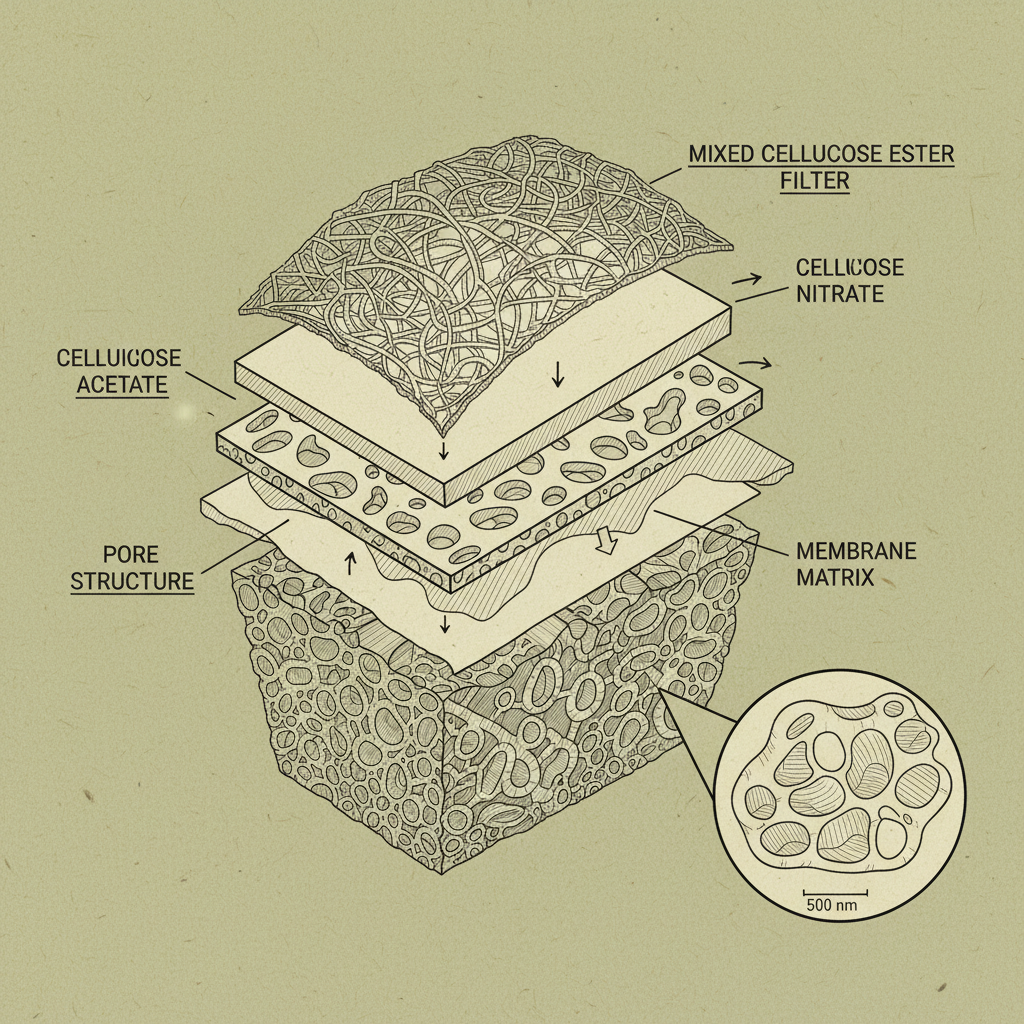
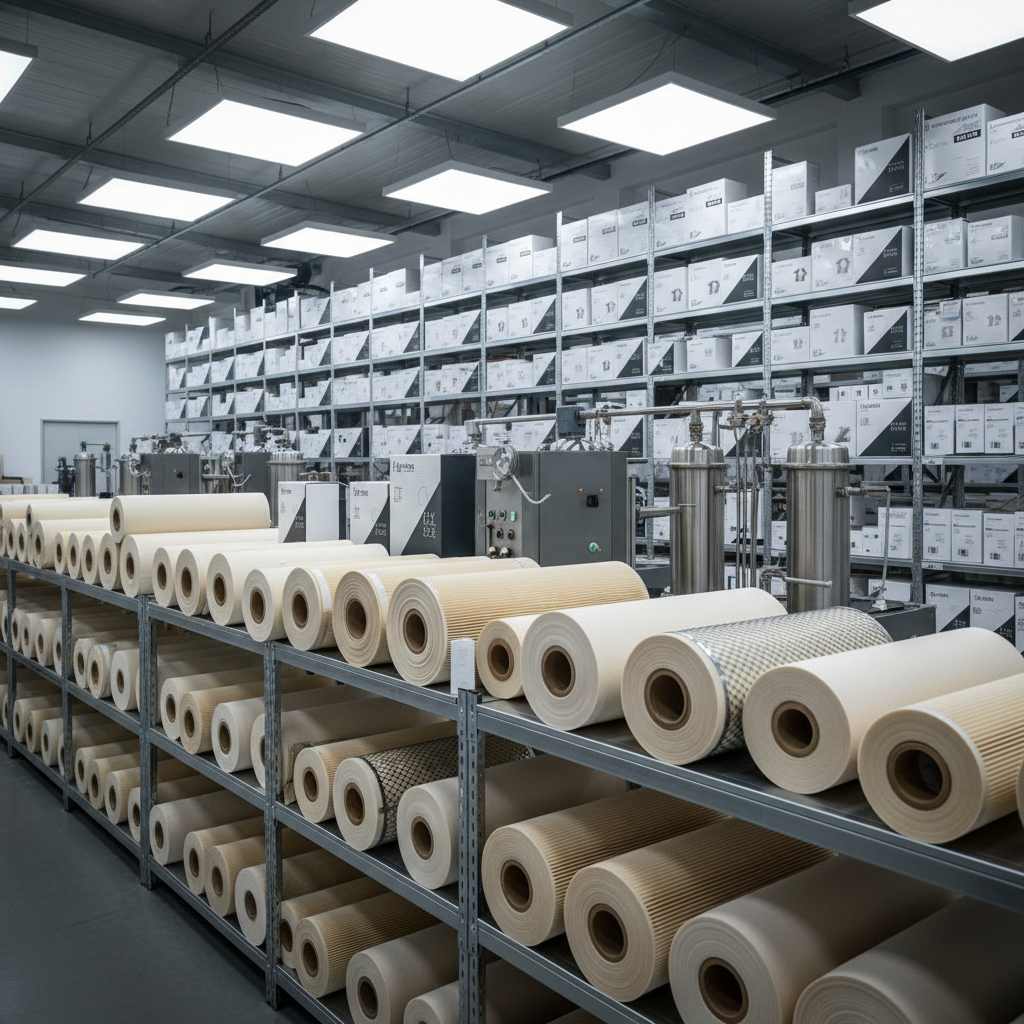
We’re primarily working with a multi-layer mce filter paper composite now – a polypropylene base, then a fine glass fiber layer for strength, and finally a polyethylene coating for water resistance. It smells faintly of plastic when you first open the roll, not unpleasant, but you definitely know it’s synthetic. Feels kinda slick to the touch, a bit like wrapping paper. The polypropylene’s pretty forgiving, you can crease it a bit without it cracking, but that glass fiber layer…treat that with respect. Get shards of that in your gloves and you’ll be picking them out all day.
Industry Trends and Design Pitfalls
Strangely enough, the biggest issue I see isn’t the materials themselves, but the designs. Architects and engineers are amazing, really, but they sometimes forget what it’s like to build something. They’ll spec a perfectly beautiful curve that’s an absolute nightmare to form with this mce filter paper composite. Then we have to figure it out.
And the fasteners! Oh, the fasteners. Always a problem. They’ll specify a screw that’s just a little too short, or a head that’s too small, and then you’ve got a leaky seal. It’s the small things, you know?
Material Breakdown: What We're Working With
So, the core of this mce filter paper stuff is polypropylene. It’s pretty standard, cheap, good impact resistance. Then we add the glass fiber. That's where the real strength comes from. Makes it rigid, stops it from stretching and warping under load. But it’s also brittle, which is why we need that outer layer of polyethylene. The polyethylene is, well, it’s basically plastic wrap. Keeps the water out, protects the glass fiber from UV damage.
You learn to handle it. The polypropylene you can get away with bending and creasing a little, but you treat the glass fiber like it’s spun gold. Any cracks, any chips, and you’re looking at a potential failure point.
We’ve experimented with carbon fiber, of course. Lighter, stronger… but expensive. And the dust is terrible. Gets everywhere. You need special respirators and cleanup procedures. Honestly, for most applications, the glass fiber composite is the sweet spot.
Real-World Testing: Beyond the Lab
Lab tests are fine, good for getting baseline numbers. But they don’t tell you much about how this mce filter paper actually performs in the real world. We do our own testing, on-site. We stress-test it. We leave it out in the sun for weeks. We bury it in the dirt.
I encountered this at a factory in Shenzhen last time. They'd done all the fancy lab tests, but hadn't accounted for the constant vibration from the nearby highway. The composite started to delaminate after just a month. It's little things like that, you can't simulate everything in a lab.
One test we do is the ‘drop test’. Simple. We just drop a piece of the composite from a certain height onto concrete. Sounds dumb, but it’s surprisingly effective at identifying weak points. It’s not about whether it breaks, it’s how it breaks. Does it shatter? Does it bend? Does it just kind of…deflate?
How It's Actually Used (and Misused)
Mostly, it's used for cladding, panels, structural supports, that sort of thing. It's great for creating lightweight, weatherproof enclosures. We've used it for everything from temporary shelters to permanent building facades.
But people misuse it, too. I’ve seen guys try to use it as a load-bearing element when it clearly wasn’t designed for that. Or cut corners on the installation, leaving gaps and exposing the edges to the elements. Then they wonder why it fails.
It’s also being used a lot in prefabricated building components. The factory-controlled environment means you can get tighter tolerances and better quality control. Which is good. But you still need skilled installers on-site.
Pros, Cons, and the Inevitable Compromises
Look, it’s not perfect. It's lighter and more weatherproof than a lot of traditional materials, and you can mold it into complex shapes. But it's not as strong as steel, and it’s susceptible to UV degradation if you don't protect it properly. It’s also not fireproof, which is a big concern on some projects.
Anyway, I think the biggest advantage is its versatility. You can tailor the composition to meet specific requirements. Need more impact resistance? Add more glass fiber. Need better UV protection? Thicker polyethylene coating. It’s all about finding the right balance.
Customization and Specific Applications
We did a project last year where the client needed a highly reflective surface for a solar panel support structure. They wanted something that wouldn’t corrode in the harsh desert environment. So, we incorporated a titanium dioxide coating into the polyethylene layer. Increased the reflectivity, improved the durability.
And it's not always about performance. Sometimes it’s about aesthetics. We had one client who wanted a specific texture to match an existing building facade. We had to experiment with different molding techniques to get the right look. It took a lot of trial and error, but we got there.
A Customer Story: The Debacle
Last month, that small boss in Shenzhen who makes smart home devices insisted on changing the interface to for the enclosure we were building for him. Said it was “the future”. I tried to explain that the standard USB-A port was more robust, easier to work with, and the client’s target market probably didn’t even use . But he wouldn't listen.
So we built it to his spec. And wouldn’t you know it, within a week he was complaining about broken connectors. The port was too delicate for the way his factory workers were handling the enclosures.
He eventually came around, of course. We rebuilt it with USB-A. Lesson learned: sometimes, the “future” isn’t always better.
A Simple Table of Material Properties
| Material Component |
Weight (kg/m²) |
Tensile Strength (MPa) |
Cost (USD/m²) |
| Polypropylene |
1.2 |
20 |
2 |
| Glass Fiber |
2.5 |
150 |
5 |
| Polyethylene |
0.8 |
10 |
1 |
| Titanium Dioxide Coating |
0.1 |
5 |
3 |
| Carbon Fiber |
1.5 |
300 |
15 |
| Composite (PP, Glass Fiber, PE) |
4.5 |
130 |
8 |
FAQS
That really depends on the environment, of course. Direct sunlight, constant moisture, exposure to chemicals… all those things will shorten the lifespan. But properly maintained, a well-designed structure should last at least 15-20 years. We’ve seen some installations that are older than that, but they’ve had regular inspections and repairs. It’s not a set-it-and-forget-it material.
It's a mixed bag. Polypropylene and polyethylene are both plastics, and they're not biodegradable. But the composite is durable, which means you’re replacing it less often than traditional materials. And it can be recycled, although the infrastructure for recycling composites isn't as widespread as it should be. We're exploring bio-based alternatives, but they’re not quite ready for prime time yet.
Standard woodworking tools work pretty well – saws, drills, sanders. But you need sharp blades and bits, because the glass fiber can dull them quickly. And you definitely need to wear gloves and a dust mask. The glass fiber dust is irritating to the skin and lungs. Safety first, always.
Yes, but you need to use a paint that's specifically designed for plastics. Regular paint will just peel off. And you may need to apply a primer first to ensure good adhesion. We recommend a two-part polyurethane coating. It's durable, weatherproof, and looks good.
That depends on the load, the thickness of the composite, and the geometry. It's complicated. We have structural engineers who can run calculations, but as a rule of thumb, you don't want to exceed 2 meters without some sort of support. Longer spans require thicker material and more reinforcement.
It’s decent. It can handle temperatures ranging from -30°C to +80°C without significant degradation. But prolonged exposure to extreme temperatures can cause it to become brittle or warp. It’s not ideal for applications where it’s constantly exposed to very high heat or very cold.
Conclusion
Ultimately, this mce filter paper composite is a compromise. It's not the strongest material, it's not the cheapest, and it's not the most environmentally friendly. But it offers a good balance of properties for a wide range of applications. It’s versatile, relatively easy to work with, and can be tailored to meet specific needs.
But here's the thing: all the lab tests, all the engineering calculations…they don’t matter until the worker actually tightens the screw. Whether this thing works or not, the worker will know the moment he tightens the screw. And if he curses under his breath, we know we have work to do. Visit our website: www.anyafiltermedia.com