Look, I've been on construction sites for fifteen years, and let me tell you, things are moving. Everyone’s talking about prefabrication now, right? Like, big sections of buildings built in factories and shipped to the site. It's supposed to be faster, cheaper… but have you noticed it just shifts the complexity? It's not gone, it’s just moved. And honestly, a lot of it hinges on the quality of the connections, and that means, of course, the filters used in the adhesive systems, the sealants, everything.
It's funny, you spend so much time in the design phase, talking about tolerances and stress points. But I tell you, the biggest headaches usually come from things that seem simple. Like, everyone thinks designing a good filter housing is straightforward. It's not. Airflow, particulate capture, pressure drop… get any one of those wrong, and you're looking at premature failure. I encountered this at a sealant factory last time, they were having issues with filters clogging up way too quickly, and the whole production line ground to a halt.
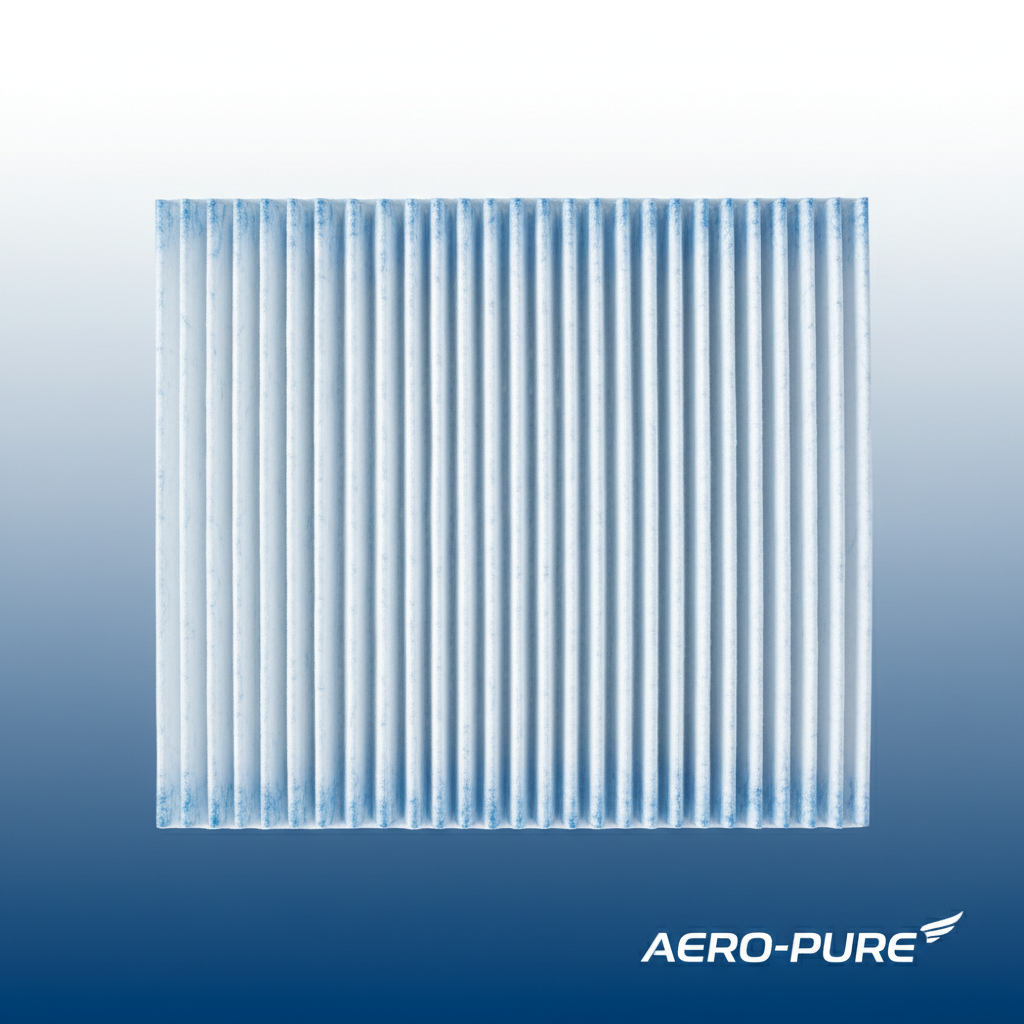
We mainly work with cellulose paper filter – and yeah, it sounds basic, but it's surprisingly versatile. It's not like those fancy synthetic media, all crisp and clean. This stuff has a bit of a smell, kind of earthy. And it feels… different. It's got a little bit of give, you know? You can tell it’s natural fiber. You have to be careful handling it when it's dry, though. Gets dusty quick. The real stuff, the good stuff, is a bit heavier. Feels solid.
Industry Trends and Common Pitfalls
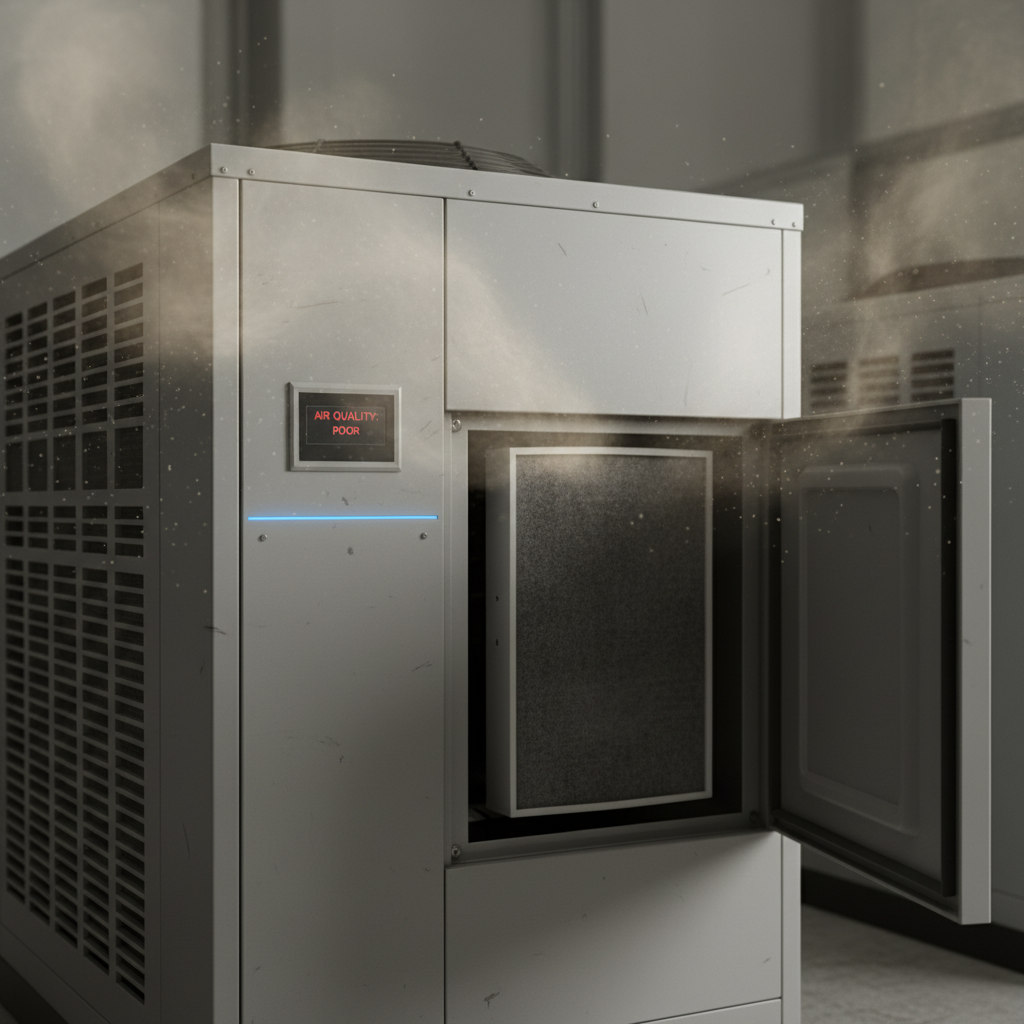
To be honest, modular construction is dominating everything right now. Prefabricated walls, floors, even entire rooms. It's meant to speed up projects and cut costs, but it requires incredibly tight tolerances. And if the cellulose paper filter in your HVAC system isn’t up to par, you're going to have problems with indoor air quality, leading to delays and unhappy clients. Strangely enough, a lot of companies try to cut corners on filtration, thinking it’s a small expense… big mistake.
A common pitfall? Thinking lab tests are the whole story. You can test a cellulose paper filter’s efficiency in a controlled environment all day long, but that doesn’t tell you how it’ll perform when it’s coated in dust and exposed to real-world vibrations. You need field testing, and that means getting your hands dirty.
Materials and On-Site Handling
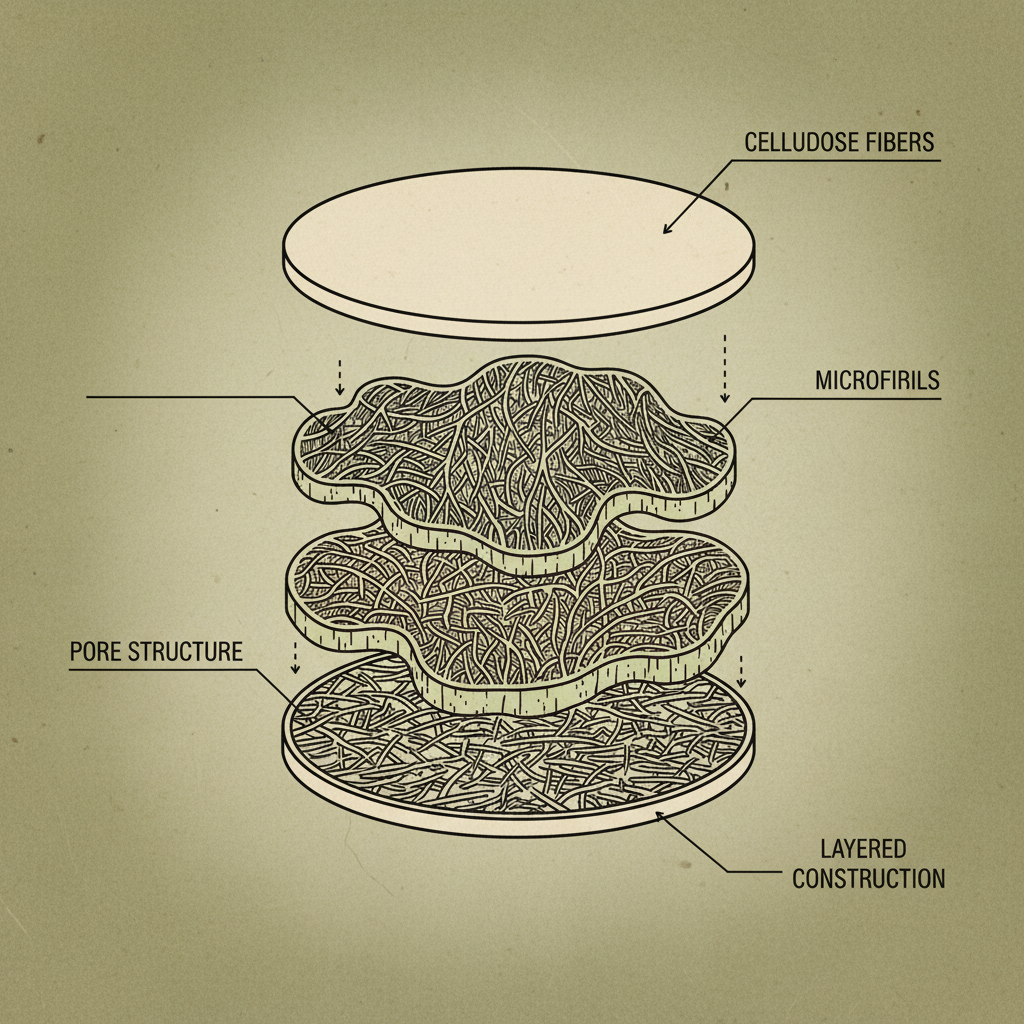
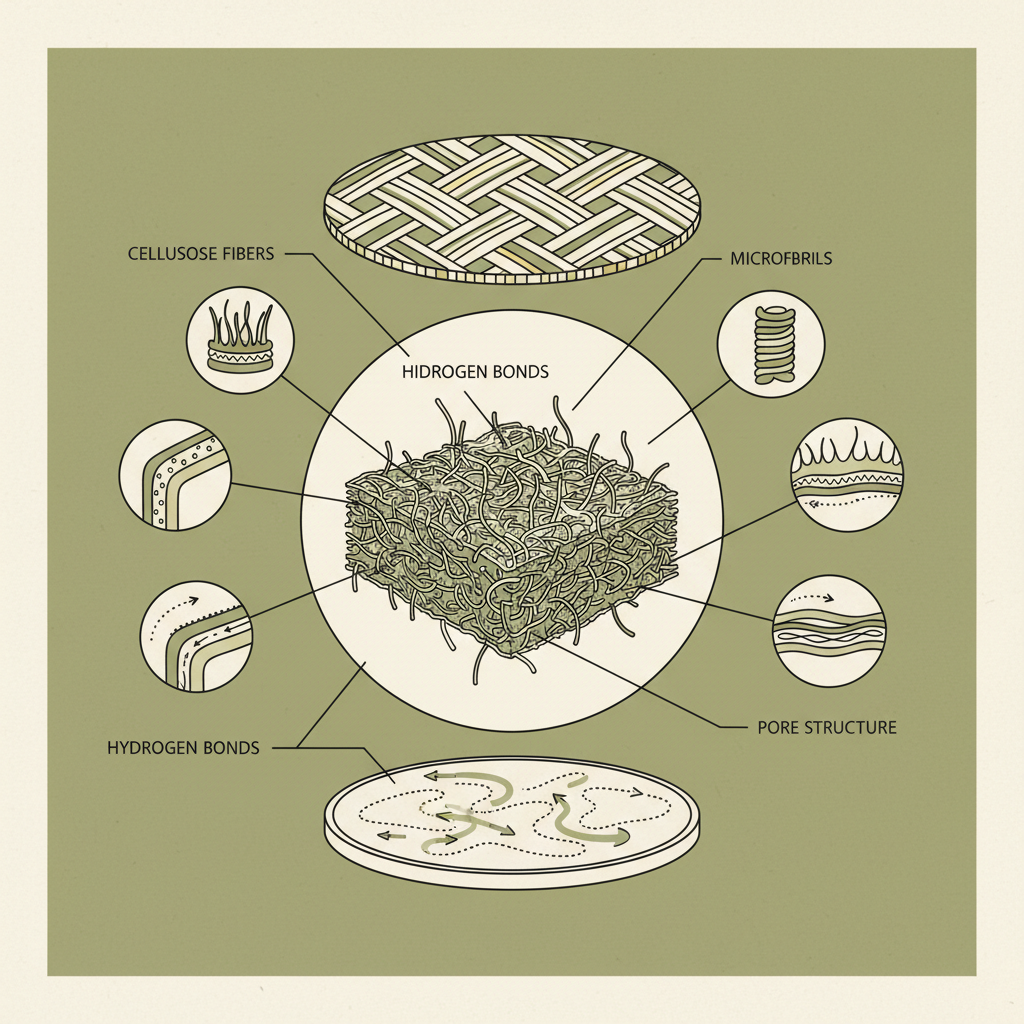
Now, regarding the materials. The cellulose paper filter we use… it’s not just any paper. It’s got to be properly treated, with a resin binder to hold it all together. Too much binder, and you restrict airflow. Too little, and it falls apart. It’s a delicate balance. And the quality of the cellulose itself matters. We’ve seen stuff that’s practically sawdust. It just doesn't hold up. I think we're using a blend of softwood and hardwood fibers these days, gives it a good mix of strength and flexibility.
On-site, handling is crucial. These filters are relatively fragile when dry. You can’t just toss them around. We always store them in sealed plastic to prevent moisture absorption and dust contamination. Wet cellulose paper filter loses its effectiveness almost immediately. And you gotta wear a mask, obviously. Nobody wants a lungful of fiber dust.
We often see guys trying to squeeze an extra few cycles out of a filter, ignoring the manufacturer’s recommendations. It saves a few bucks upfront, but it ends up costing them in the long run with reduced efficiency and potential equipment damage.
Real-World Testing Procedures
Forget the sterile lab environments. Real testing happens on the job site. We install filters and monitor pressure drop over time. A sudden spike in pressure drop indicates clogging. We also visually inspect filters after a period of use to assess the type and amount of particulate matter captured. That tells us a lot about the working conditions and whether the filter is performing as expected.
Another thing we do, which is a bit unorthodox, is subject filters to simulated vibration and shock. We strap them to a vibrating table, mimic the conditions they’d experience during transport and installation. It's a rough test, but it weeds out the weak ones. Honestly, you'd be surprised how many fail.
We also encourage the guys on site to give us feedback. They’re the ones who are actually working with the filters day in and day out. They notice things we wouldn't. "This filter feels flimsy," or "It's shedding a lot of fibers" – that kind of information is gold.
User Application and Unexpected Uses
Most folks use cellulose paper filter in HVAC systems, of course. But we've seen it used in some pretty creative ways. One guy, a woodworker, was using it as a pre-filter for his dust collection system. Said it significantly extended the life of his more expensive cartridge filters. Another contractor was using it to filter rainwater before it went into a temporary water storage tank on a remote site.
What’s surprising is how often people underestimate the importance of proper filter selection. They just grab whatever’s cheapest. And then they wonder why their systems aren’t performing well. It’s a classic case of penny-wise, pound-foolish.
Advantages, Disadvantages and a Dose of Reality
Okay, advantages? Cellulose paper filter is cost-effective, readily available, and biodegradable. That’s a big plus for sustainability. It’s also pretty good at capturing a wide range of particulate matter. But… it’s not ideal for high-humidity environments. It can degrade quickly if it gets wet. And it’s not as efficient as some of the synthetic media at capturing very fine particles.
Look, no filter is perfect. There's always a trade-off. You pay more for higher efficiency, but you also get increased pressure drop, which can strain your system. It's all about finding the right balance for the specific application. Anyway, I think you gotta be realistic about what a filter can and can't do.
cellulose paper filter Performance Comparison
Customization and Specific Examples
We do get requests for custom filters. Last year, a client building a cleanroom needed filters with a specific pore size to capture even the smallest particles. We worked with the manufacturer to develop a custom media blend that met their requirements. It wasn't cheap, but it was essential for their application.
Another common customization is the filter size. Standard sizes don’t always fit. We can cut filters to specific dimensions to accommodate existing equipment. Simple enough, really. But you gotta be precise.
A Customer Story and Final Thoughts
Last month, that small boss in Shenzhen who makes smart home devices insisted on changing the interface to , and the result was he blew his deadline, and had to airfreight a ton of adapters. Similar thing happens with filters. You think you’re saving money by switching to a cheaper option, but then you end up with problems down the line.
We had another customer, a big data center, who was constantly battling with overheating servers. Turns out their filters were clogged with dust, restricting airflow. We upgraded them to a higher-efficiency cellulose paper filter, and their server temperatures came down almost immediately. Saved them a fortune in energy costs and prevented potential downtime.
Ultimately, whether this thing works or not, the worker will know the moment he tightens the screw. You can talk about specs and ratings all day long, but if it doesn’t feel right, if it doesn’t fit properly, if it doesn’t hold up under pressure… it’s not going to work.
Table Summarizing Cellulose Paper Filter Performance Characteristics
| Filter Grade |
Efficiency (%) |
Pressure Drop (in. H2O) |
Service Life (Months) |
| MERV 8 |
80-85% |
0.2-0.4 |
3-6 |
| MERV 11 |
85-90% |
0.4-0.6 |
2-4 |
| MERV 13 |
90-95% |
0.6-0.8 |
1-3 |
| Pre-Filter (Coarse) |
60-70% |
0.1-0.2 |
1-2 |
| Activated Carbon Impregnated |
75-85% (plus odor control) |
0.3-0.5 |
2-5 |
| High-Capacity Pleated |
95-98% |
0.8-1.0 |
6-12 |
FAQS
Honestly, it's not reading the spec sheet. They just see “cellulose” and assume it’s all the same. Efficiency ratings, pressure drop, pore size… it all matters. You gotta match the filter to the application. Ignoring that leads to premature clogging, reduced airflow, and unhappy customers. It’s frustrating, really. They think they're saving a few bucks, but it costs them more in the long run.
That depends on your environment, but generally every 1-3 months. If you have pets, or live in a dusty area, you’ll need to replace it more often. A good rule of thumb is to check it monthly. If it looks dirty, replace it. Don’t wait until your system starts struggling. And remember, a clogged filter puts extra strain on your HVAC system, shortening its lifespan. It’s a cheap preventative measure, really.
Compared to some synthetic filters, yeah, they’re more eco-friendly. Cellulose is a renewable resource, and most cellulose paper filters are biodegradable. However, the manufacturing process still has an environmental impact. We try to source our filters from suppliers who use sustainable practices. It’s not perfect, but it’s better than some of the alternatives.
No, absolutely not. Once a cellulose paper filter gets dirty, it loses its efficiency. Trying to wash it will damage the fibers and make it even less effective. It’s a one-time use item. Plus, the act of washing it releases all the trapped particles back into the air. That defeats the whole purpose, doesn’t it?
MERV stands for Minimum Efficiency Reporting Value. It’s a rating of how well a filter captures particles. MERV 8 filters capture larger particles like dust and pollen. MERV 13 filters capture smaller particles like bacteria and viruses. Higher MERV ratings mean better filtration, but also higher pressure drop. You need to balance filtration efficiency with airflow requirements. It’s a trade-off, always.
Look, there's a lot of junk out there. Stick with reputable suppliers. Check for certifications. And don't be afraid to ask questions. A good supplier will be able to advise you on the best filter for your specific application. Honestly, visit cellulose paper filter they know their stuff.
Conclusion
So, there you have it. Cellulose paper filter isn't glamorous, but it's a workhorse. It's affordable, effective, and relatively eco-friendly. It’s a crucial component in a lot of different systems, from HVAC to industrial filtration. But remember, it’s not a one-size-fits-all solution. You need to choose the right filter for the job, and you need to maintain it properly.
Looking ahead, I think we’ll see more innovation in cellulose-based filtration media. Maybe blends with other materials to improve efficiency and durability. The demand for cleaner air and water is only going to increase, and cellulose paper filter will continue to play a vital role. Ultimately, whether this thing works or not, the worker will know the moment he tightens the screw.