Automotive filter paper plays a crucial role in maintaining the performance and longevity of vehicles worldwide. From ensuring clean air for the engine to protecting sensitive components from contaminants, this often-overlooked material is fundamental to modern transportation. The increasing demands of modern engines, coupled with stringent emissions regulations, are driving innovation in automotive filter paper technology, demanding higher efficiency and durability.
Globally, the automotive industry is a massive economic driver, and the demand for effective filtration solutions directly correlates with vehicle production and usage. The UN forecasts continued growth in global vehicle ownership, particularly in emerging markets, creating a consistent need for high-quality filter paper. Simultaneously, growing environmental concerns push for more efficient combustion engines and cleaner emissions, necessitating advanced filter media capable of capturing increasingly smaller particles.
The performance of an engine, fuel efficiency, and overall vehicle lifespan are all inextricably linked to the quality of its filtration system. Automotive filter paper, therefore, isn’t simply a component, but a critical factor in vehicle reliability and sustainability, and is an evolving field of material science.
The Essential Role of Automotive Filter Paper
The core function of automotive filter paper is to protect vital engine components and maintain optimal performance. It does this by removing harmful contaminants such as dust, dirt, metal particles, and combustion byproducts from the air, oil, and fuel that flow through the vehicle’s systems. This protective barrier extends the life of the engine, enhances fuel efficiency, and reduces emissions.
Without effective filtration, engines would suffer accelerated wear, leading to decreased power, increased fuel consumption, and ultimately, premature failure. Modern engines, with their increasingly tight tolerances and sophisticated designs, rely even more heavily on high-quality filter paper to function reliably.
Defining Automotive Filter Paper: Beyond Basic Filtration
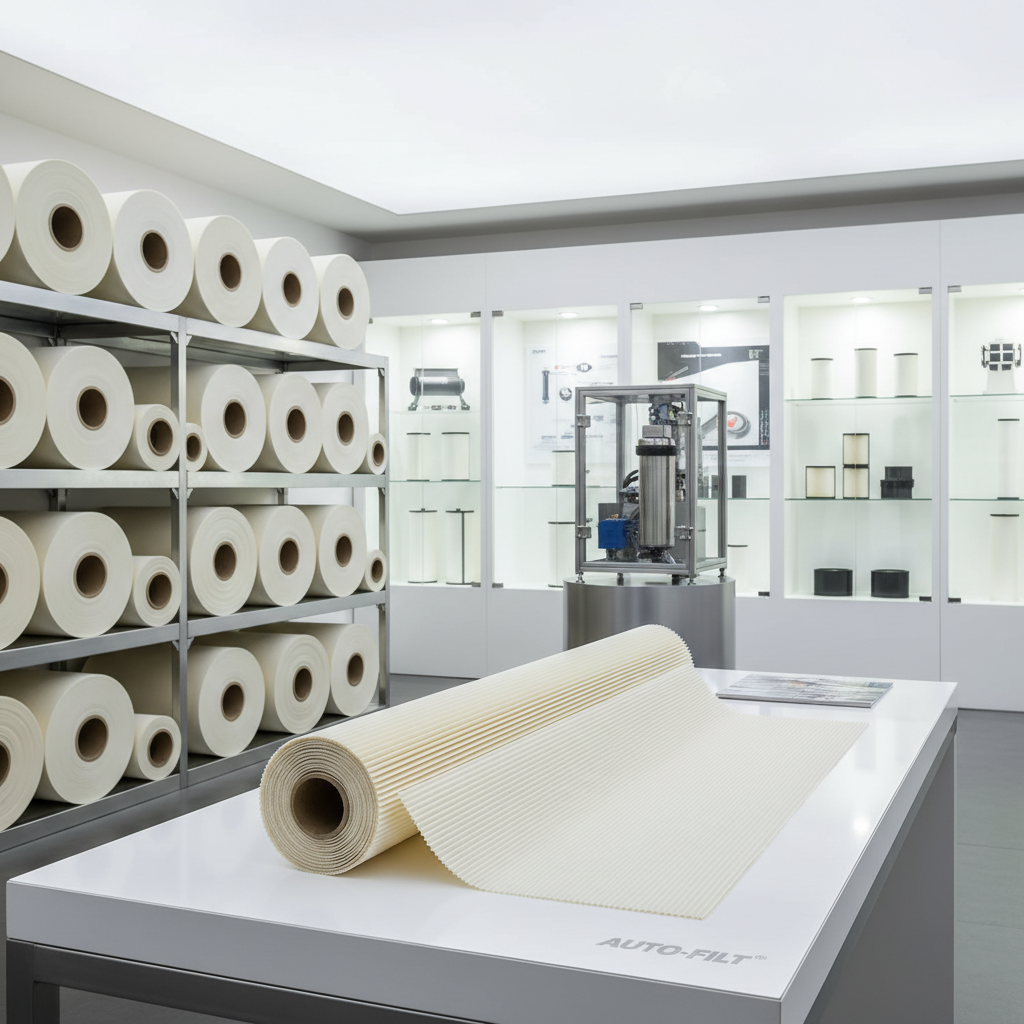
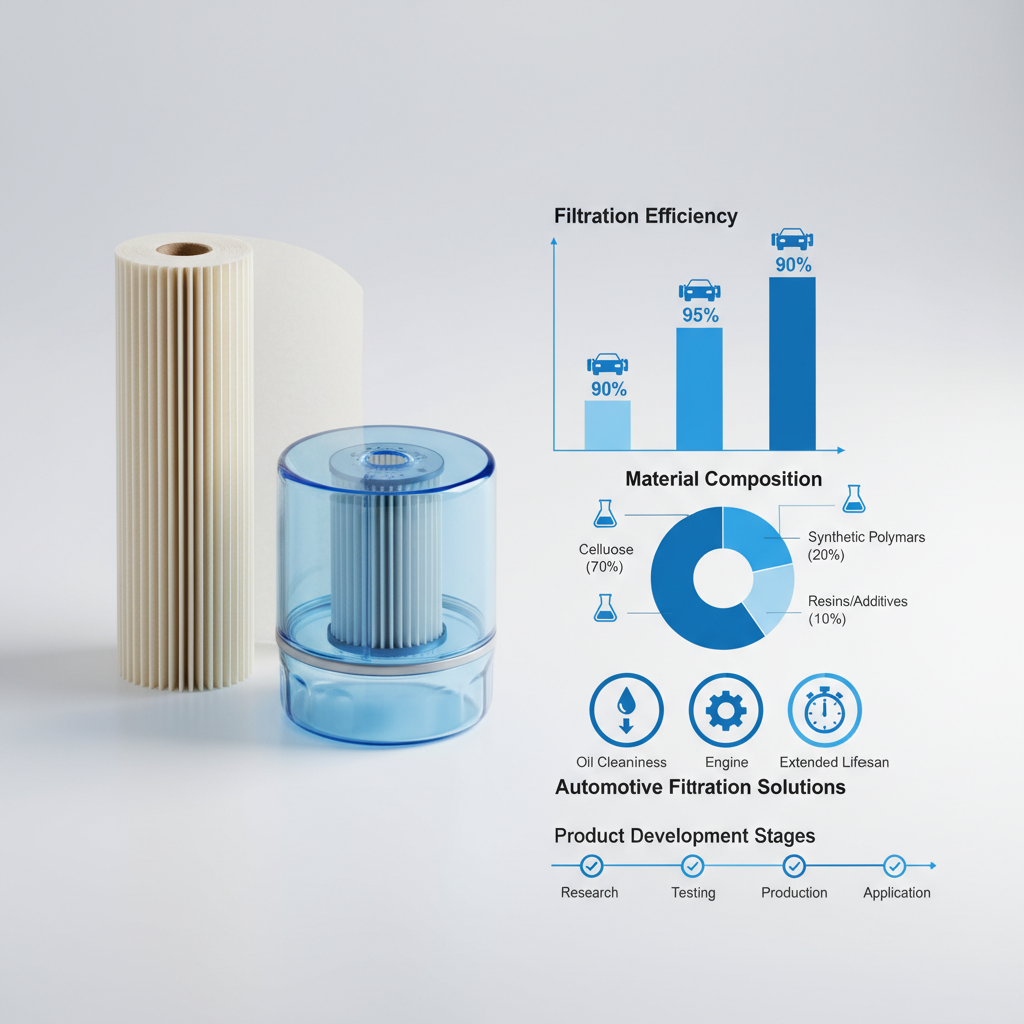
Automotive filter paper isn't a single material but a complex blend of fibers carefully engineered to achieve specific filtration characteristics. Commonly, these include cellulose, synthetic fibers (like polypropylene and polyester), and fiberglass. Each fiber type contributes unique properties; cellulose offers cost-effectiveness and good particle capture, while synthetics improve strength, moisture resistance, and overall durability.
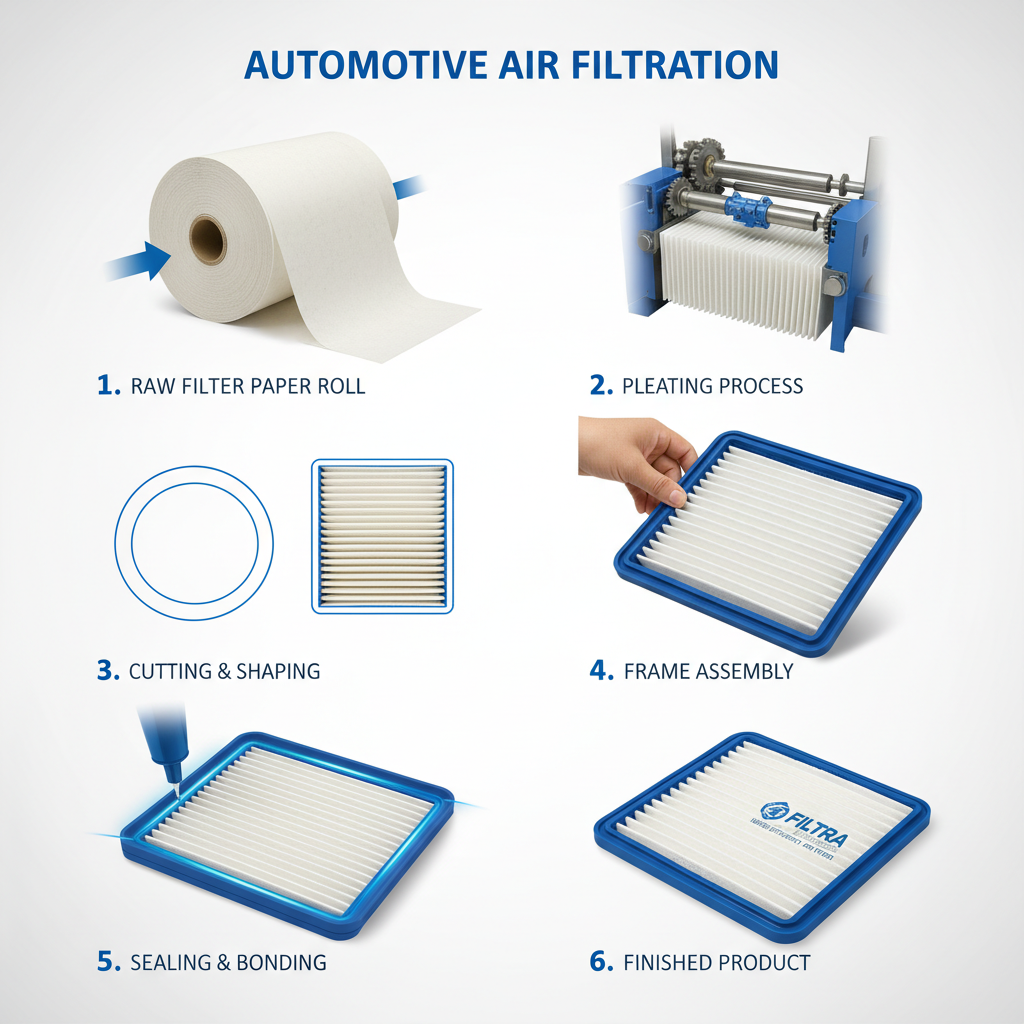
The selection of materials, along with the manufacturing process (including layering, calendaring, and chemical treatments), determines the paper's pore size, permeability, and overall filtration efficiency. Advanced filter papers may incorporate electrostatic charges to enhance particle capture, or specialized coatings to resist degradation from harsh fluids.
This isn’t merely about stopping particles; it’s about balancing filtration efficiency with airflow – a critical factor in engine performance. A filter that's too restrictive can starve the engine, reducing power and increasing fuel consumption, while a filter that's too porous won’t provide adequate protection.
Key Characteristics of High-Performance Automotive Filter Paper
Durability is paramount. Automotive filter paper must withstand exposure to extreme temperatures, corrosive fluids, and constant airflow without losing its structural integrity or filtration efficiency. This is achieved through robust fiber selection and advanced manufacturing techniques.
Filtration efficiency is measured by the size of particles the paper can capture. High-performance filter papers are designed to remove even microscopic contaminants, protecting sensitive engine components and reducing wear. Efficiency is often rated in microns, with lower micron ratings indicating better filtration.
Permeability – or airflow rate – is equally important. A filter must allow sufficient air (or fluid) to pass through while effectively capturing contaminants. Balancing efficiency and permeability is a key engineering challenge in filter paper design.
Applications Across Automotive Filtration Systems
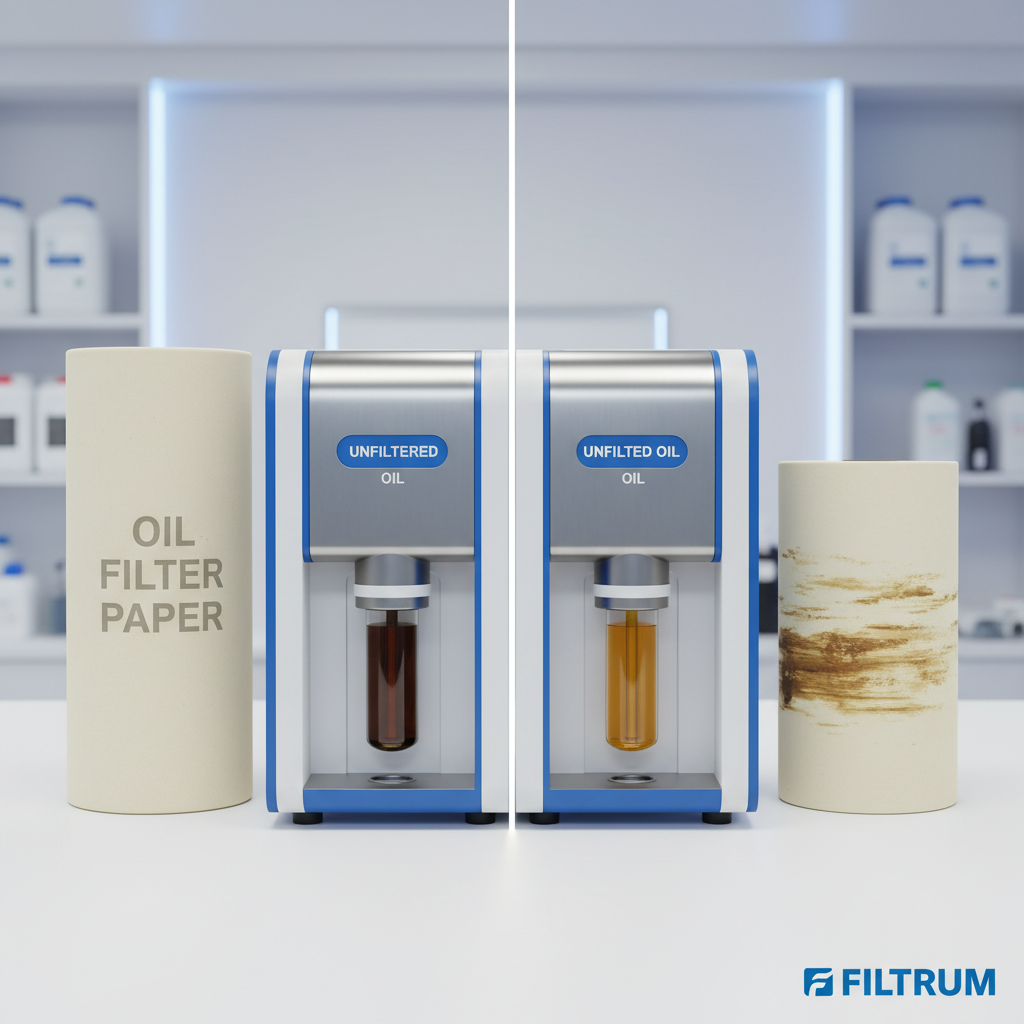
Automotive filter paper finds application in a multitude of systems within a vehicle. Air filter paper is essential for cleaning the air entering the engine, preventing abrasive particles from damaging cylinders and pistons. Oil filter paper removes contaminants from engine oil, extending oil life and protecting bearings.
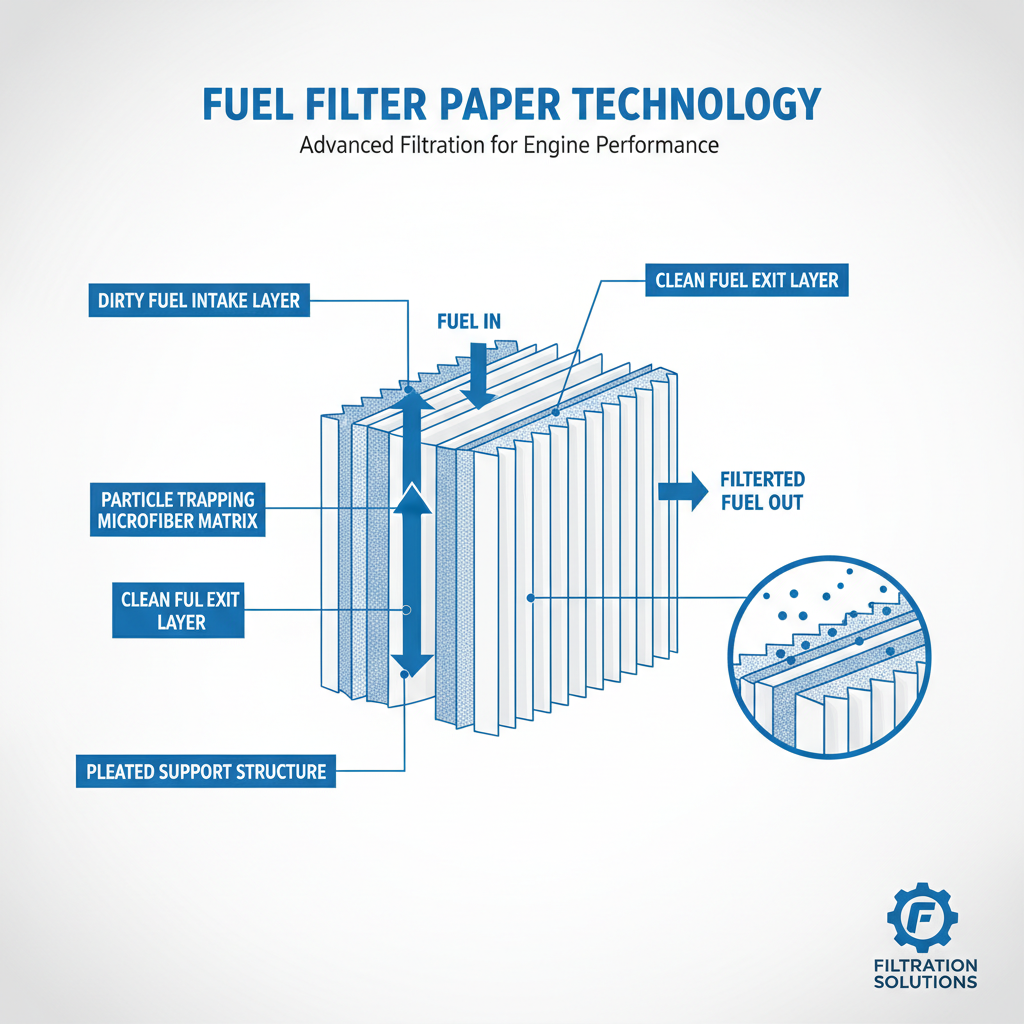
Fuel filter paper safeguards the fuel injection system from debris, ensuring proper fuel delivery and preventing injector clogging. Cabin air filter media, a related product, cleans the air entering the passenger compartment, improving air quality and passenger comfort. Specialized applications include transmission filters, power steering filters, and hydraulic filters.
Filter Paper Performance by Application
Global Impact and Industry Adoption
The automotive filter paper industry is globally interconnected, with manufacturing and supply chains spanning continents. Major automotive manufacturing hubs, such as China, Germany, Japan, and the United States, represent significant markets for filter paper. Demand is directly correlated to vehicle production rates and aftermarket maintenance requirements.
Automotive OEMs (Original Equipment Manufacturers) collaborate closely with filter paper suppliers to ensure their filtration systems meet stringent performance and durability standards. Aftermarket suppliers also play a critical role, providing replacement filters for existing vehicles.
Advantages and Long-Term Value Proposition
Investing in high-quality automotive filter paper delivers tangible benefits. Enhanced engine protection translates to fewer repairs, increased vehicle lifespan, and improved resale value. Optimized fuel efficiency reduces operating costs and lowers emissions, contributing to environmental sustainability.
Beyond the economic advantages, reliable filtration provides peace of mind for vehicle owners, ensuring consistent performance and minimizing the risk of unexpected breakdowns. This builds trust in the vehicle manufacturer and reinforces brand loyalty.
From a broader perspective, the adoption of advanced filtration technologies contributes to cleaner air and a healthier environment, addressing growing concerns about air quality and public health.
Future Trends and Innovations in Automotive Filter Paper
The future of automotive filter paper is focused on sustainability and enhanced performance. Research and development efforts are concentrated on bio-based filter materials, reducing reliance on fossil fuels and minimizing environmental impact. Nanotechnology is being explored to create filter papers with even smaller pore sizes and higher filtration efficiency.
Smart filters, incorporating sensors to monitor filter condition and predict replacement intervals, are emerging as a promising trend. These intelligent filters can provide real-time data to vehicle maintenance systems, optimizing performance and reducing downtime.
Further developments include multi-layered filter media with specialized coatings for specific contaminant removal and advancements in electrostatic filtration to maximize particle capture efficiency.
A Comparative Analysis of Automotive Filter Paper Development Strategies
| Development Strategy |
Sustainability Impact (1-10) |
Performance Enhancement (1-10) |
Implementation Cost (1-10) |
| Bio-Based Fiber Integration |
9 |
7 |
6 |
| Nanomaterial Application |
6 |
9 |
8 |
| Electrostatic Coating |
7 |
8 |
5 |
| Multi-Layered Design |
7 |
8 |
7 |
| Smart Filter Integration |
5 |
6 |
9 |
| Advanced Polymer Blends |
6 |
7 |
5 |
FAQS
The lifespan of an automotive filter paper air filter typically ranges from 12,000 to 15,000 miles, or approximately every 12 months, depending on driving conditions. However, factors like dusty environments, frequent stop-and-go traffic, and severe weather can shorten this interval. Regularly inspecting the filter and replacing it when dirty is crucial for engine protection and optimal performance.
The material composition of automotive filter paper directly influences its filtration efficiency, airflow rate, and durability. High-quality materials like synthetic blends and fiberglass offer superior particle capture and resistance to degradation compared to standard cellulose. A filter that balances these factors ensures optimal engine performance and longevity.
A cabin air filter utilizing advanced automotive filter paper effectively removes dust, pollen, smoke, and other airborne contaminants from the vehicle’s interior. This improves air quality, reduces allergens, and enhances passenger comfort. It also protects the HVAC system from debris buildup, extending its lifespan.
Yes, a severely clogged automotive filter paper filter can restrict airflow to the engine, causing reduced power, decreased fuel efficiency, and potential damage to engine components. The engine has to work harder to draw air, leading to increased wear and tear over time. Regularly replacing filters is essential for preventing these issues.
Cellulose filter paper is more affordable but has lower moisture resistance and durability. Synthetic filter paper, typically made from polypropylene or polyester, offers superior strength, moisture resistance, and filtration efficiency. While more expensive, synthetic filters generally provide longer-lasting performance and better protection.
Typically, you should replace your air filter every 12,000-15,000 miles, your oil filter with every oil change (usually 3,000-7,500 miles), your cabin air filter every 15,000-20,000 miles, and your fuel filter according to your vehicle manufacturer’s recommendations. Consult your vehicle’s owner’s manual for specific guidance.
Conclusion
In conclusion, automotive filter paper is an indispensable component in modern vehicles, playing a critical role in engine protection, performance optimization, and environmental sustainability. From its core function of removing contaminants to its evolving innovations in materials and design, the technology continues to advance, offering improved filtration efficiency, durability, and longevity.
Looking ahead, the emphasis on sustainability and smart technologies will drive further innovation in this field. By embracing bio-based materials, nanotechnology, and intelligent filter systems, the automotive filter paper industry can contribute to a cleaner, more efficient, and more reliable transportation future. Visit our website at www.anyafiltermedia.com to learn more about our comprehensive range of automotive filter media solutions.