Understanding Oil Filter Paper: Why It Matters Globally
When you hear "oil filter paper," you might picture something simple, maybe just a sheet catching dirt. But in reality, oil filter papers play a crucial role in keeping machines running smoothly—from the cars we drive to massive industrial equipment powering factories worldwide. Oddly enough, their impact stretches beyond industries; reliable filtration influences energy efficiency and environmental health globally. Simply put, oil filter paper is a tiny hero in the story of modern mechanics and sustainability.
Global Context: Why Oil Filter Paper Is More Relevant Than Ever
Globally, the machinery and automotive sectors face growing demands for cleaner operations and longer equipment lifespans. According to the International Organization for Standardization (ISO), efficient filtration is directly linked to reducing equipment downtime and maintenance costs. With over World Bank data showing a rise in heavy machinery use in developing economies, the quality of oil filtration increasingly determines industrial productivity. The challenge? Contaminants in oil—dust, metal particles, sludge—can cripple machines if not properly filtered.
Mini takeaway: Oil filter paper isn’t just about oil cleanliness; it’s a key to industrial reliability and sustainability worldwide.
What is Oil Filter Paper?
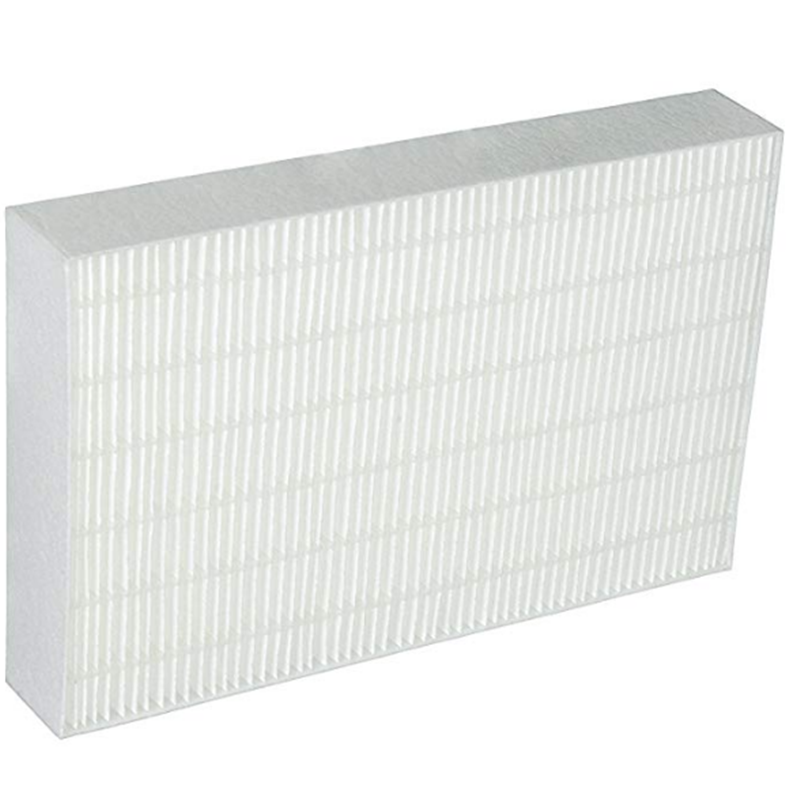
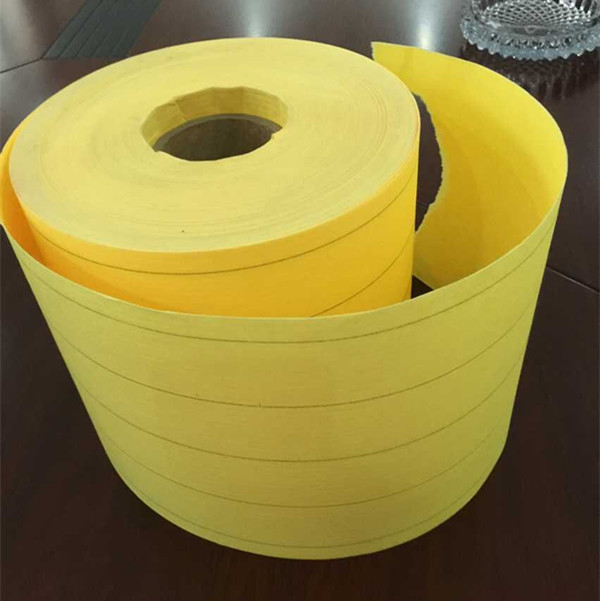
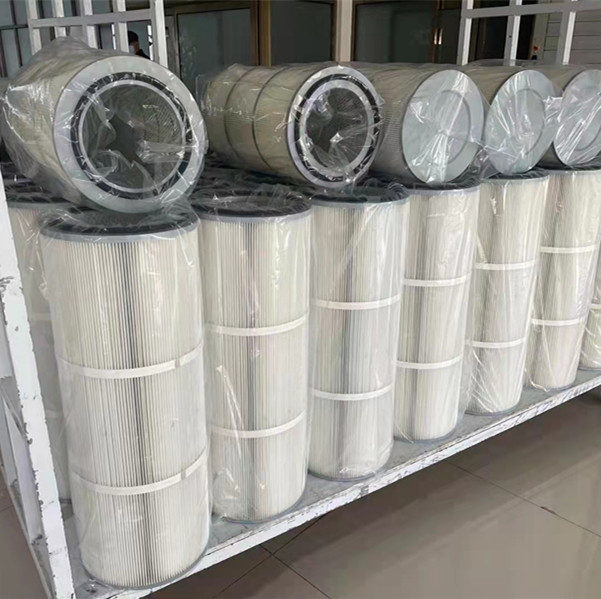
Simply put, oil filter paper is a specially processed cellulose or synthetic paper designed to trap impurities in liquid oil. It acts as a barrier, allowing clean oil to flow while catching contaminants. Typically used in automotive engines, hydraulic systems, and heavy machinery, it prevents abrasive particles from causing wear and tear. Its role is quietly vital for maintaining system efficiency and prolonging equipment life.
Interestingly, its development ties closely to modern industry’s move towards automation and precision. Without effective filtration, machines face higher failure rates, impacting everything from humanitarian logistics to manufacturing plants.
Key Attributes of Oil Filter Paper
Durability
Oil filter paper must withstand high temperatures and pressures without collapsing or breaking down. Durability ensures stable filtration even in harsh environments—think heavy-duty trucks or offshore oil rigs.
Filtration Efficiency
The paper’s porosity controls particle capture rate. Efficient oil filter paper balances fine filtration with allowing sufficient oil flow, a tricky but essential balance.
Chemical Resistance
Because it’s submerged in oil mixed with additives or contaminants, filter paper materials need chemical resistance to avoid degradation and loss of function.
Cost Efficiency
This is both a production and operational metric. While advanced synthetic papers promise higher performance, they must also be economical for vast industrial use.
| Specification | Typical Range | Notes |
|---|---|---|
| Porosity (μm) | 3–10 | Depends on application need |
| Operating Temperature (°C) | -20 to 150 | Higher for synthetic variants |
| Material | Cellulose/Synthetic blends | Affects durability and cost |
| Thickness (mm) | 0.2–0.5 | Varies by filtration level |
Mini takeaway: Understanding these specs helps select the right oil filter paper fit for particular machinery or environmental demands.
Global Applications & Use Cases for Oil Filter Paper
From automotive industries in Europe to heavy machinery in Asia and oil rigs off the coast of Africa, oil filter paper keeps engines and systems running. For instance, in remote industrial zones where maintenance access is limited, high-quality oil filtration prevents costly breakdowns. Humanitarian relief efforts using mobile power generators also rely on dependable filtering systems to ensure uninterrupted service. Organizations like the United Nations Environmental Programme (UNEP) have underscored filtration as a key factor in reducing industrial pollution by enhancing machinery efficiency.
Mini takeaway: Oil filter paper’s diverse applications underline its global importance — spanning critical sectors and varied geographies.
Advantages & Long-Term Value
- Cost Savings: Prevents expensive repairs and downtime by maintaining oil cleanliness.
- Sustainability: Enhances machine efficiency, reducing energy consumption and waste.
- Reliability: Builds trust in equipment performance, critical in industries like aviation and power generation.
- Safety & Dignity: Proper filtration aids in keeping vital equipment operational, indirectly supporting communities.
Frankly, you don’t notice oil filter paper until something fails—and that’s when you appreciate its value most.
Future Trends & Innovations
The future looks promising with greener materials entering the fray—bio-based and recyclable filter papers reducing environmental footprints. Likewise, industry players increasingly integrate sensors to monitor filter saturation digitally, signaling timely replacements and avoiding guesswork. Automation in oil filtration systems also helps in continuous operations without manual intervention. With global sustainability goals pressing on industries, we see a push towards combining oil filter paper with cutting-edge technology to optimize performance while caring for the planet.
Challenges & Solutions
One challenge is balancing filtration efficiency with oil flow resistance—too fine, and the oil can’t circulate well; too coarse, and contaminants slip through. Also, fluctuating oil compositions in different engines complicate the “one-size-fits-all” approach. Manufacturers tackle these by customizing papers based on machinery specs and by innovating hybrid materials blending synthetic fibers with cellulose.
| Vendor | Material Type | Porosity Range (μm) | Typical Industries | Price Range (USD/roll) |
|---|---|---|---|---|
| FiltraTech | Cellulose with synthetic blend | 3–8 | Automotive, Heavy machinery | $50–90 |
| PureFlow | 100% Synthetic Fiber | 2–5 | Aviation, Precision motors | $80–120 |
| EcoFilt | Bio-based Cellulose | 4–10 | General industrial, Green energy | $40–70 |
Frequently Asked Questions About Oil Filter Paper
- What factors determine the lifespan of oil filter paper in industrial machinery?
- Its lifespan depends on oil contamination levels, operating temperatures, and maintenance schedules. Frequent exposure to abrasive particles or chemicals shortens its service life, so regular monitoring and timely replacements are essential.
- Can oil filter paper be recycled or disposed of safely?
- Most oil filter papers are classified as hazardous waste due to oil residues. However, advances in oil filter paper production include bio-based variants that are more environmentally friendly. Proper disposal and recycling depend on local regulations and treatment technology.
- How to select the right oil filter paper for a specific vehicle or machine?
- Consider the machine’s operating conditions, manufacturer specifications, and desired filtration levels. Consulting with vendors and reviewing product specifications—as shown above—helps match paper characteristics to your application.
- Are synthetic oil filter papers always better than cellulose-based ones?
- Not necessarily; synthetic papers offer higher durability and finer filtration but at higher costs. Cellulose papers excel in cost-efficiency and biodegradability. The ideal choice depends on use case, budget, and environmental priorities.
Conclusion: The Last Word on Oil Filter Paper
To wrap up, understanding oil filter paper isn’t just a technical curiosity—it’s a practical necessity in today’s global industries. Its role in prolonging machinery life, enhancing safety, and supporting sustainability is undeniable. Whether you’re an engineer, a fleet manager, or an industrial buyer, knowing these fundamentals pays off. For more in-depth insights and bespoke product solutions, I warmly invite you to visit our website at www.anyafiltermedia.com.
Thinking ahead, good filtration feels like an invisible partner you want on your side—reliable, efficient, and always working.
References
Post time: Dec-03-2025