Understanding Oil Filter Sheet: A Vital Component in Global Industry
Oil filter sheet may not be the flashiest term you hear on a daily basis, but it’s quietly one of the unsung heroes in numerous industries across the globe. Frankly, without good filtration, many machinery systems would grind to a halt, and environmental safety could be at risk. This sheet material—specially engineered for oil filtration—plays a critical role in keeping hydraulic systems, engines, and industrial equipment running smoothly. As industries worldwide focus more on sustainability and efficiency, understanding the nuances of oil filter sheets is more relevant than ever.
Why does it matter on a global scale? Well, consider the vast number of industries dependent on clean lubricants—manufacturing, automotive, aviation, maritime, and even humanitarian relief in remote or disaster-hit zones. Reliable oil filtration extends equipment lifespan, reduces maintenance costs, and prevents contamination that could lead to catastrophic failures. So this seemingly simple material has outsized benefits that ripple through economies and ecosystems alike.
Global Context: Setting the Stage
Industries globally are projected to spend billions annually on maintenance products, and filtration is a major slice of that pie. According to the International Organization for Standardization (ISO), filter efficiency standards have tightened, reflecting a push towards improved environmental regulation and operational safety. For example, the ISO 16889 standard specifies multi-pass filtration test procedures for hydraulic fluid filters, underscoring the need for reliable oil filter sheets compliant with such expectations.
Yet, challenges remain. Oil contamination can cause system failures resulting in downtime, lost productivity, and environmental hazards. Many developing regions especially face difficulties sourcing effective filtration media, impacting everything from agriculture machinery to energy production. So improving access to high-quality oil filter sheets is more than a technical issue; it’s part of enhancing global industrial resilience and sustainability.
What Is an Oil Filter Sheet?
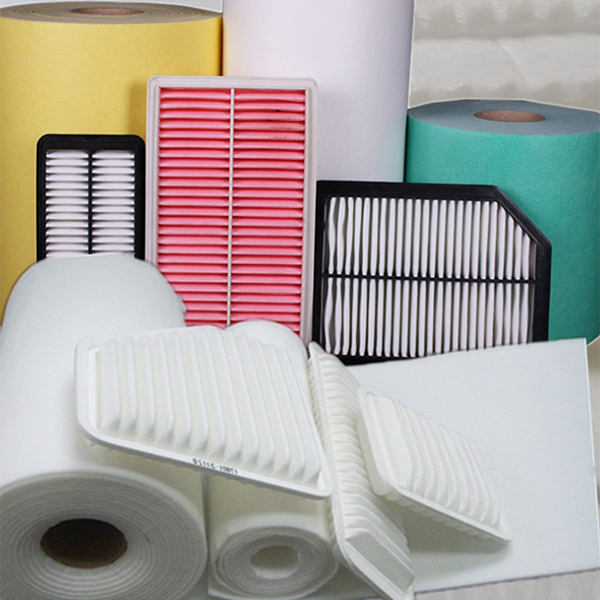
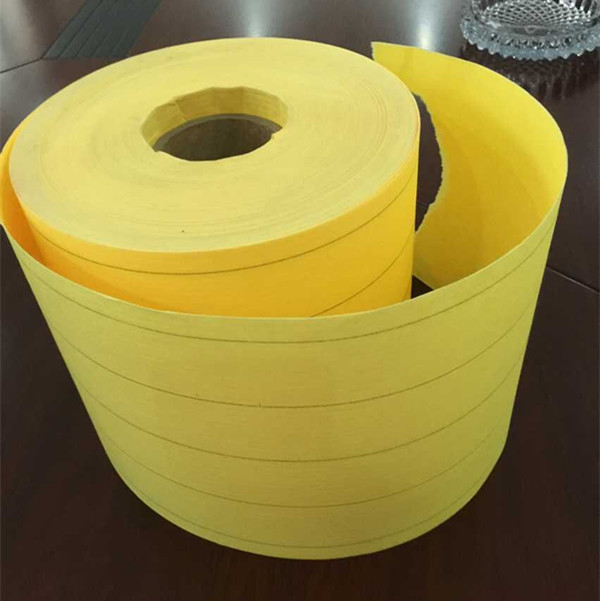
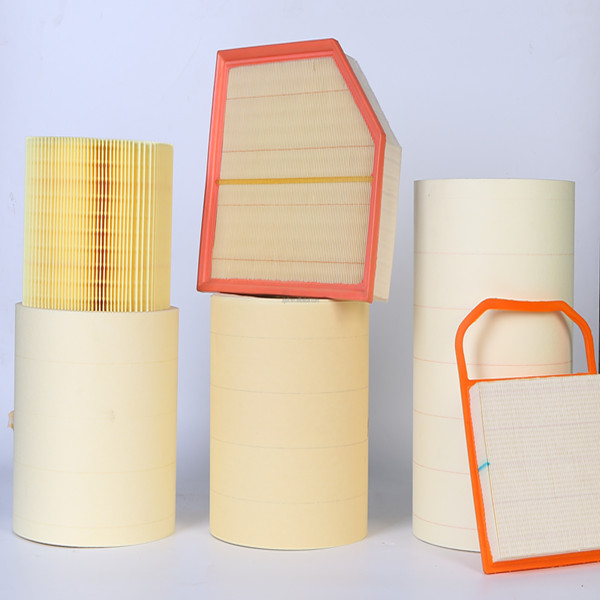
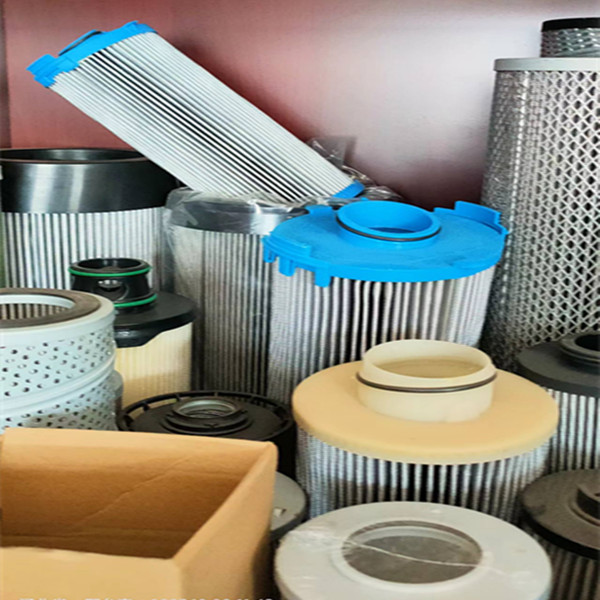
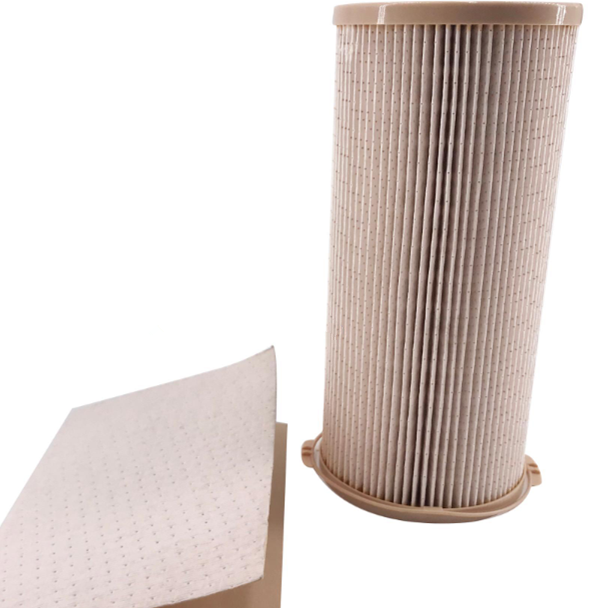
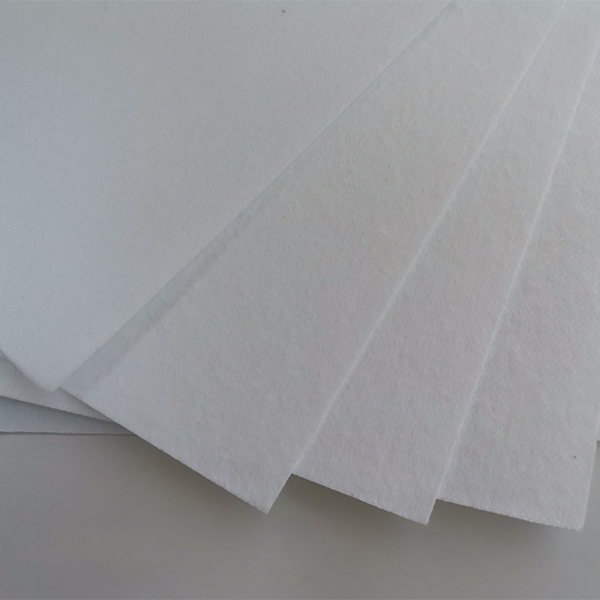
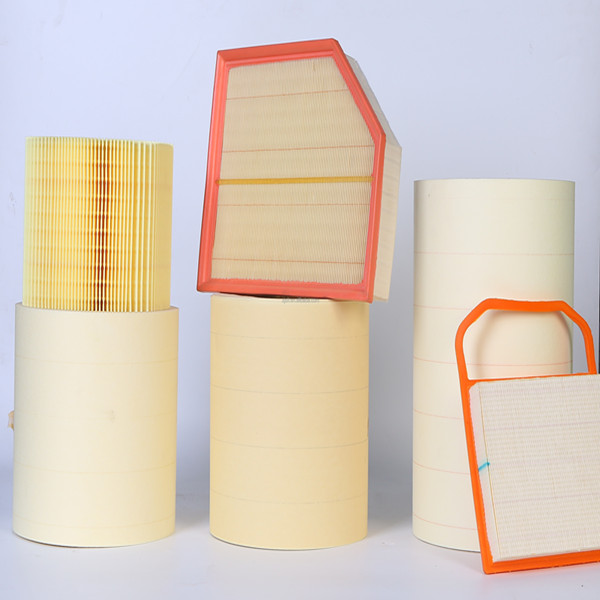
Simply put, an oil filter sheet is a specialized filter medium designed to remove impurities like dirt, metal particles, and sludge from various oils—think engine oils, hydraulic fluids, and gear oils. Usually made from cellulose fibers or synthetic blends, these sheets serve as the core filtering element inside filter assemblies. They strike a balance between permeability and retention, allowing fluid flow while trapping contaminants.
In humanitarian or industrial settings, these sheets keep machinery operational by preventing abrasive particles from damaging delicate components. Plus, their role in maintaining oil purity helps reduce environmental pollution from leaks or improper disposal. So their function spans both machinery reliability and ecological stewardship.
Key Features of Oil Filter Sheets
1. Filtration Efficiency
The primary factor, of course, is how well the sheet removes particles of various sizes. Depending on the application, sheets filter out contaminants ranging from a few microns (µm) to larger debris. Oddly enough, the ability to customize pore size distribution is something many users look for.
2. Durability under Pressure
Oil filter sheets must endure high pressures and temperatures without degrading. This is critical in industrial hydraulics or automotive engines where fluid pressures can fluctuate rapidly.
3. Chemical Resistance
Since the oil can carry additives and chemicals, the sheet material needs to resist breakdown or swelling, ensuring consistent performance over time.
4. Cost Efficiency
While high performance is essential, cost matters too. Sheets must provide longevity and effective filtration at reasonable prices, especially in industries with tight margins.
5. Environmental Impact
With growing focus on green manufacturing, biodegradable or recyclable filter sheets are increasingly preferred. This ties into operational sustainability.
Typical Oil Filter Sheet Product Specifications
| Specification | Typical Value | Notes |
|---|---|---|
| Micron Rating | 5–40 µm | Particle size retention range |
| Thickness | 0.3–1.5 mm | Depends on application |
| Max Operating Temp | 120°C (approx.) | Varies by material type |
| Tensile Strength | >15 N/mm² | Ensures durability under pressure |
| Material | Cellulose, Synthetic fibers | Influences resistance and cost |
Mini takeaway: The oil filter sheet’s specification reflects a balance of particle capture, robustness, and adaptability essential for diverse industrial uses.
Global Vendors of Oil Filter Sheets: A Quick Comparison
| Vendor | Material Quality | Range of Micron Ratings | Sustainability Features | Price Range |
|---|---|---|---|---|
| FilterTech Inc. | High-grade synthetic blends | 3–50 µm | Recyclable options available | $$$ |
| EcoFilter Solutions | Cellulose-based, biodegradable | 5–40 µm | Fully compostable | $$ |
| GlobalFilters Ltd. | Blend of synthetic & cellulose | 10–60 µm | Standard recycle compliant | $$$ |
Global Applications & Use Cases
Oil filter sheets are everywhere, even if you don’t see them. In heavy industries—think mining operations in Africa or oil refineries in the Middle East—these sheets ensure machinery doesn’t fail prematurely. Oddly enough, they’re also crucial in the renewable energy sector, such as wind turbine gearboxes, where clean lubrication is vital for reliability.
In humanitarian relief, especially in disaster zones where equipment must be airlifted, reliable oil filtration prolongs machinery uptime without the luxury of frequent maintenance. Organizations operating in remote areas, from NGOs to military engineers, depend on high-quality oil filter sheets to support generators, vehicles, and water pumps.
Moreover, automotive manufacturers across Europe and Asia demand increasingly sophisticated oil filter media, as stricter emissions and efficiency standards require engines to run cleaner and longer.
Mini takeaway: Whether in industrial powerhouses or remote relief missions, oil filter sheets reliably protect the hearts of countless machines worldwide.
Advantages & Long-Term Value
- Cost Savings: Reducing wear on engine parts saves thousands in repairs.
- Sustainability: Better filtration means less oil waste and fewer hazardous leaks.
- Operational Reliability: Minimizes downtime, making workflows smoother.
- Social Impact: Improves safety and dignity by maintaining equipment that supports essential services.
- Innovation: Advances in filter materials stimulate tech progress across sectors.
It feels sometimes like oil filter sheets are the silent guardians of mechanical health, creating trust in equipment and workflows alike.
Future Trends & Innovations
One exciting trend is the push towards biodegradable or recyclable filter sheets made from natural fibers. The packaging industry and regulations are putting pressure on manufacturers to be greener, and oil filtration is no exception.
Another innovation involves nano-fiber layering to boost filtration precision while improving flow rates, a boon for sensitive machinery in aviation or high-performance automotive sectors. Plus, digital filtration systems incorporating sensors to detect filter saturation in real-time are beginning to appear, promising proactive maintenance and less waste.
Challenges & Solutions
Despite advances, challenges persist. For instance, balancing filtration efficiency with flow rate is tricky—too fine a filter reduces throughput and can strain pumps. Material degradation in extreme environments is another concern. Experts suggest combining layered filter media with synthetic reinforcements to address durability without sacrificing performance.
Access and affordability in developing regions remain hurdles. Here, collaborations between NGOs and manufacturers to supply cost-effective sheets adapted to local conditions show promise—something that frankly deserves more attention.
FAQs About Oil Filter Sheet
Q1: How often should oil filter sheets be replaced?
Replacement frequency varies by application and oil condition but typically every 3,000 to 6,000 operating hours for industrial machinery. Monitoring pressure drop across the filter is a reliable indicator.
Q2: Can oil filter sheets handle synthetic oils?
Yes, but the sheets must be chemically compatible. Most modern sheets withstand synthetic oil additives, but it’s crucial to confirm specifications with the supplier.
Q3: Are biodegradable oil filter sheets as effective as synthetic ones?
Biodegradable sheets generally offer slightly lower durability but can be highly effective in many standard applications. Their eco benefits often outweigh minor performance trade-offs.
Q4: Can I customize micron ratings for specific industrial needs?
Absolutely. Many manufacturers provide customizable oil filter sheets tailored to precise micron rating, thickness, and material requirements.
Q5: Where can I find reliable oil filter sheet suppliers?
Check industry-specific suppliers and manufacturers with ISO certifications. Our recommended partner: anyafiltermedia.com, known for quality and customization.
Conclusion
Oil filter sheets may seem a small piece in the industrial puzzle, but their impact is anything but minor. They deliver cost savings, environmental benefits, and operational reliability, all crucial in today’s diverse and demanding markets. As industries push towards more sustainable and efficient processes, understanding and choosing the right oil filter sheet becomes a savvy investment. If you want to explore options or get expert guidance, don’t hesitate to visit our website: https://www.anyafiltermedia.com.
Reflection: Working with oil filter sheets always reminds me how small details often make the biggest difference—whether in keeping a power plant running or supporting equipment in far-flung communities.
Post time: Dec-03-2025