What Is Filter Paper Made Out Of? Understanding Its Composition and Global Importance
If you've ever watched a barista carefully drip coffee through a paper filter or seen a chemistry lab filter mix through semi-transparent sheets, you might have wondered: what is filter paper made out of? Beyond its everyday invisibility, filter paper plays a pivotal role worldwide—from industrial processes and environmental monitoring to humanitarian aid. Understanding its composition unravels why it's such an essential material in many sectors.
Introduction: Global Context of Filter Paper
Filter paper is more than just a humble sheet. In 2022 alone, the global filtration paper market was estimated to be worth over $3 billion, with annual growth rates hovering around 5–7% (Source: MarketWatch). This growth is driven by industries like pharmaceuticals, food and beverage, water treatment, and environmental science.
Why does this matter globally? Well, clean water scarcity affects about 2.2 billion people worldwide, according to the UN (UN-Water, 2023). Filter paper’s role in purification, quality control, and laboratory testing makes it a frontline player in tackling these challenges. Yet, despite all this reliance, few pause to consider what is filter paper made out of and why that matters.
Defining Filter Paper: Composition and Meaning
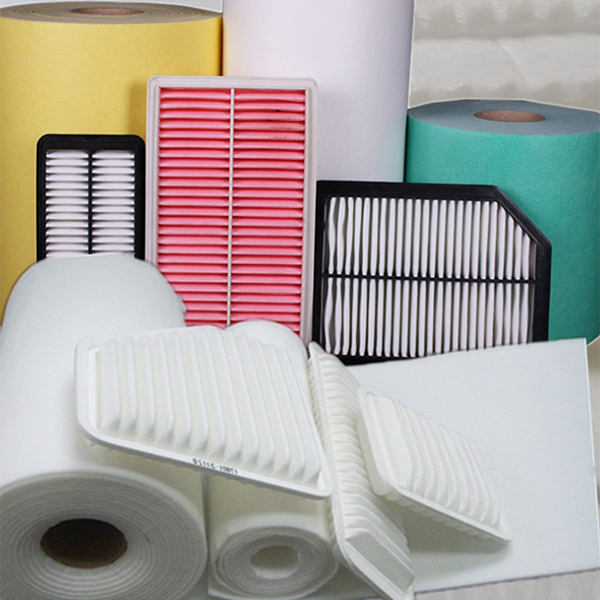
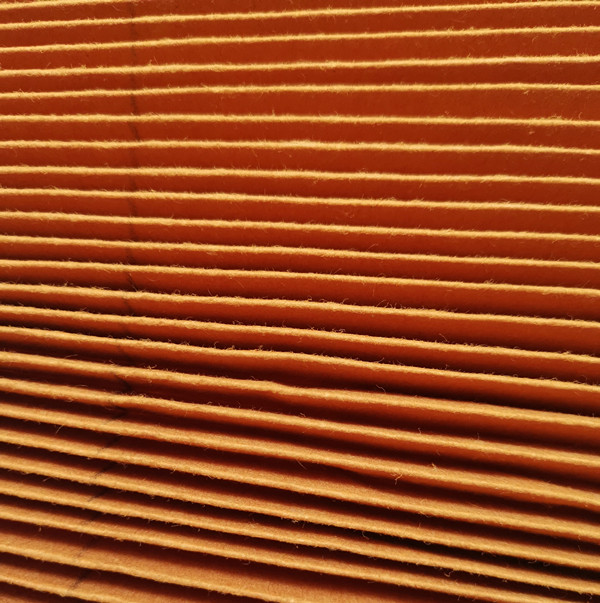
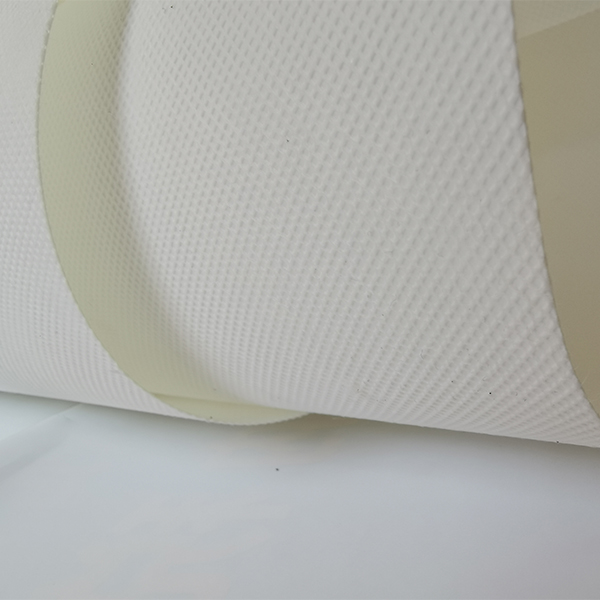
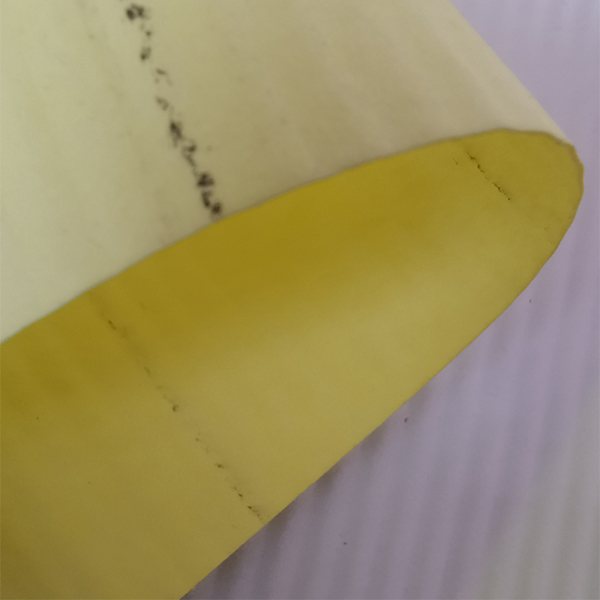
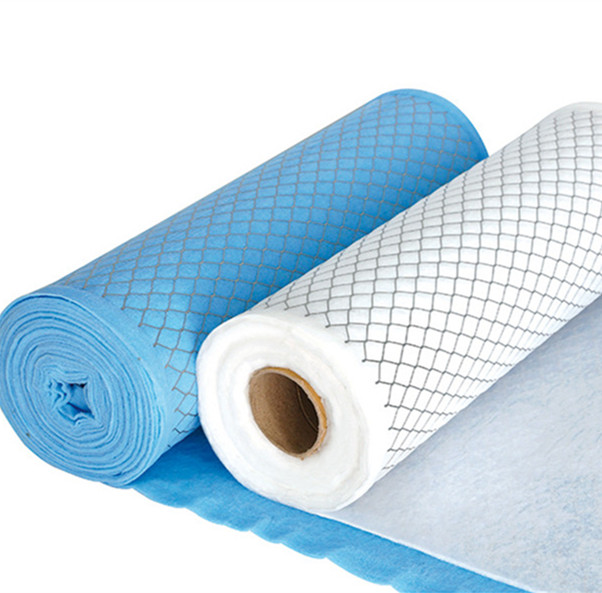
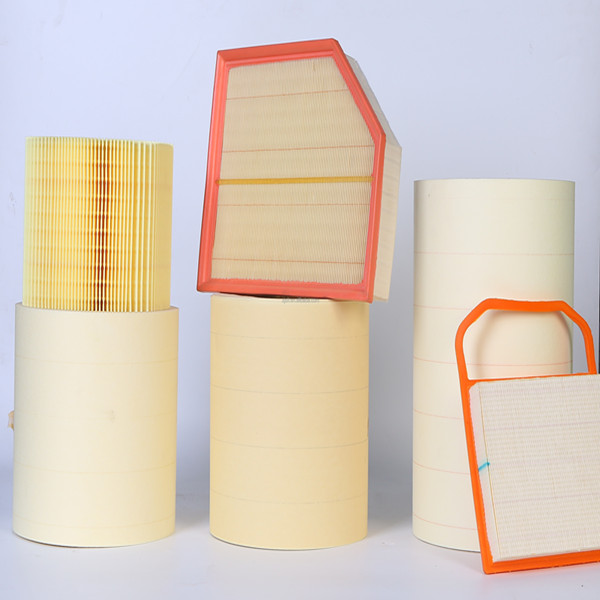
Simply put, filter paper is a porous sheet generally produced from cellulose fibers derived from wood pulp or cotton linters. The fibers are intertwined to create a mat with specific pore sizes designed to trap particulates while allowing liquids or gases to pass.
Its connection to industry cannot be overstated—filter paper’s performance ensures precision in laboratory experiments, safety in food production, and clear water in humanitarian crises. Oddly enough, the humble fiber network behind it is a technical marvel of careful material science.
Key Components of Filter Paper and Their Practical Impact
1. Cellulose Fibers
The backbone of filter paper is cellulose extracted from wood pulp or cotton. These natural fibers are favored for sustainability and biodegradability. Their intertwining creates the filter’s physical structure.
2. Pore Size and Filtration Efficiency
The size of the gaps between fibers dictates what particles are captured. Fine pore sizes can filter out bacteria and tiny particulates, while larger pores suit general sediment removal. Custom sizing is crucial for various industries.
3. Chemical Treatment
Some filter papers are treated to be acid- or alkali-resistant for demanding chemical applications. This modification expands their use, especially in pharma or research labs handling harsh chemicals.
4. Thickness and Basis Weight
A heavier basis weight generally means sturdier filters that hold more residue before clogging—important for industrial-scale filtration or dirty samples.
5. Biodegradability & Sustainability
Because they are often made from natural fibers, filter papers are mostly biodegradable, which is a big plus today. Manufacturers are increasingly focused on environmentally friendly production methods to reduce waste.
Global Applications & Use Cases
Filter paper is everywhere, from small clinics in rural Africa screening water quality to huge factories in Europe purifying chemical byproducts. In post-disaster relief operations, rapid water testing kits rely on filter papers for accurate contamination assessment.
Remote industrial zones use filter paper to process oil samples for machinery maintenance, preventing expensive downtime. Even the coffee you sip likely passed through a paper filter, demonstrating its consumer reach.
Advantages & Long-Term Value of Filter Paper
- Cost Efficiency: Compared to synthetic filters, paper is cheap and readily available.
- Sustainability: Being biodegradable reduces environmental impact.
- Reliability: Consistent quality ensures dependable filtration results.
- Social Impact: Enabling water purification contributes directly to public health worldwide.
- Innovation Flexibility: Easily customizable to fit complex filtration challenges.
Emotionally, it’s reassuring to know something so simple underpins critical safety and health operations everywhere. Trust in these tiny sheets goes deeper than you might think.
Product Specification Table
| Specification | Details |
|---|---|
| Material | Cellulose fibers (wood pulp or cotton linter) |
| Pore Size Range | 0.7 – 20 microns |
| Basis Weight | 40 – 150 g/m² |
| Chemical Resistance | Varies; treated variants available |
| Biodegradability | Typically 90-95% biodegradable |
Vendor Comparison Table: Leading Filter Paper Suppliers
| Company | Product Range | Sustainability Focus | Global Reach |
|---|---|---|---|
| Whatman (Cytiva) | Extensive; lab-grade to industrial | High; recycled packaging | Global, 100+ countries |
| Ahlstrom-Munksjö | Industrial and specialty filters | Very High; eco-certified production | Americas, Europe, Asia |
| Advantec MFS | Lab and environmental filters | Moderate; some recycled lines | Asia-Pacific focus |
Future Trends & Innovations in Filter Paper
Oddly enough, the filter paper we know is evolving. New biodegradable composites and nanocellulose materials promise even finer filtration with less environmental impact. Automation in manufacturing ensures better consistency, reducing waste.
Digitally-enabled sensors embedded in smart papers are an emerging concept—imagine filter papers that can signal when clogged or compromised. Sustainability policies increasingly push manufacturers to adopt greener processes, aligning with global carbon reduction targets.
Challenges & Solutions
No product is perfect. Filter paper, despite its advantages, faces issues like limited chemical resistance in some variants, susceptibility to tearing when wet, and performance degradation over time.
Experts tackle these problems through chemical treatments that enhance durability and by recommending proper storage. For highly aggressive applications, alternatives like synthetic membranes are suggested. Still, for many uses, filter paper strikes a balanced, cost-effective solution.
Frequently Asked Questions About What Is Filter Paper Made Out Of
- Q: Is all filter paper made from wood pulp?
- A: Mostly, yes. The bulk of filter paper is crafted from cellulose fibers derived from wood pulp or cotton linter. Some specialty papers may incorporate synthetic fibers for extra strength or chemical resistance.
- Q: Can filter paper be reused or recycled?
- A: Generally, filter paper is intended as a single-use item due to contamination risks, especially in labs or Pharma. Recycling is limited by residue, but its biodegradability ensures environmentally friendly disposal compared to synthetic filters.
- Q: How do pore size differences affect filtration?
- A: Smaller pores trap finer particles but reduce flow rate. Larger pores allow faster flows but filter less finely. Choosing the right specification depends on your filtration goals, be it bacterial removal or debris separation.
- Q: Are there environmentally friendly filter paper options?
- A: Absolutely. Many leading suppliers now offer filter papers made with sustainably sourced fibers and processes certified by ISO environmental standards. Some papers use recycled content and avoid harmful chemical additives.
Conclusion: Why Understanding What Filter Paper Is Made Of Matters
Peeling back the layers on what is filter paper made out of reveals the fascinating balance of natural fibers, engineering, and global needs it addresses. It’s not just about trapping particles—it’s about enabling clean water, precise science, safe food, and sustainable progress.
Curious to learn more or find high-quality filter papers suited to your industry? Visit our website at https://www.anyafiltermedia.com to explore product lines, specifications, and latest innovations.
Mini takeaway: Filter paper’s humble cellulose roots underpin a vast array of global applications, balancing cost, performance, and sustainability in a way few everyday materials do.
References
It’s funny how such a simple sheet quietly supports so much of our modern life – makes you look twice at that coffee filter next time, right?
Post time: Dec-03-2025