Understanding Nonwoven Filter Media: A Comprehensive Guide
In a world increasingly focused on air and liquid purification, nonwoven filter media plays a crucial role. From HVAC systems to medical applications and beyond, these materials are at the heart of countless filtration processes. This article explores the intricacies of nonwoven filter media, delving into its types, benefits, applications, and the factors to consider when selecting the right media for your specific needs. We'll also examine how Anya Filter Media provides cutting-edge solutions in this field.
What is Nonwoven Filter Media?
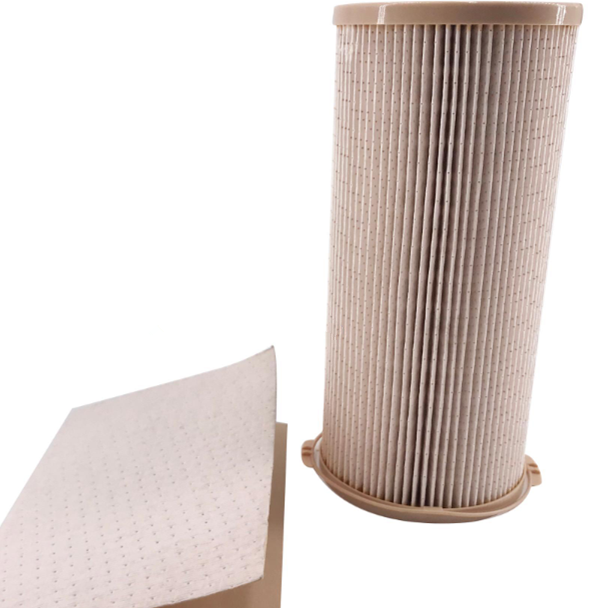
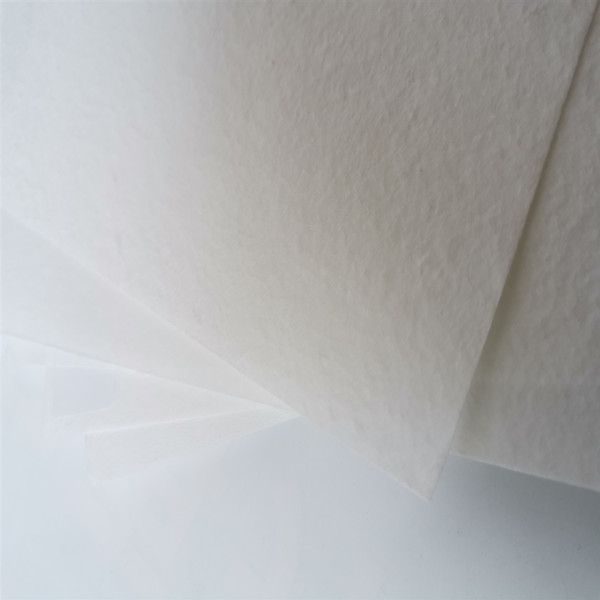
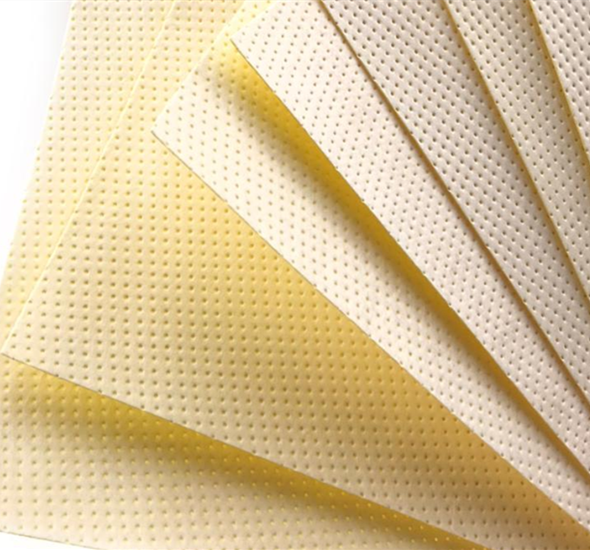
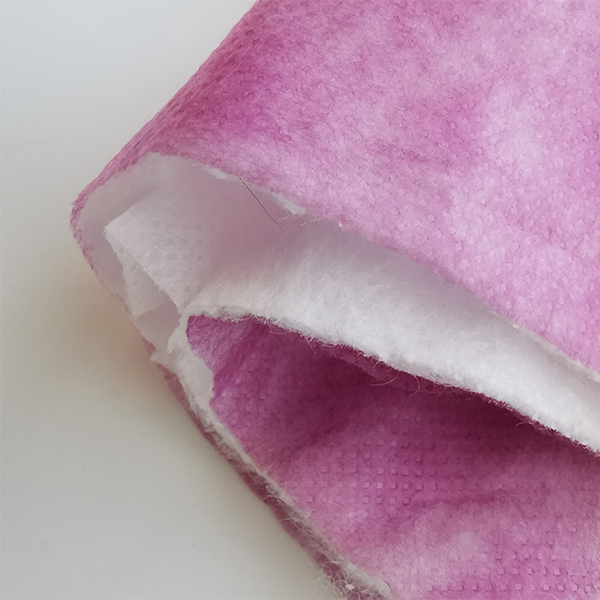
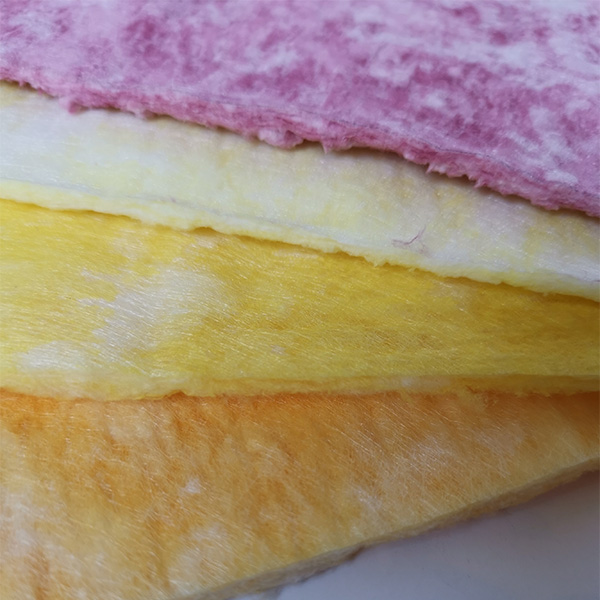
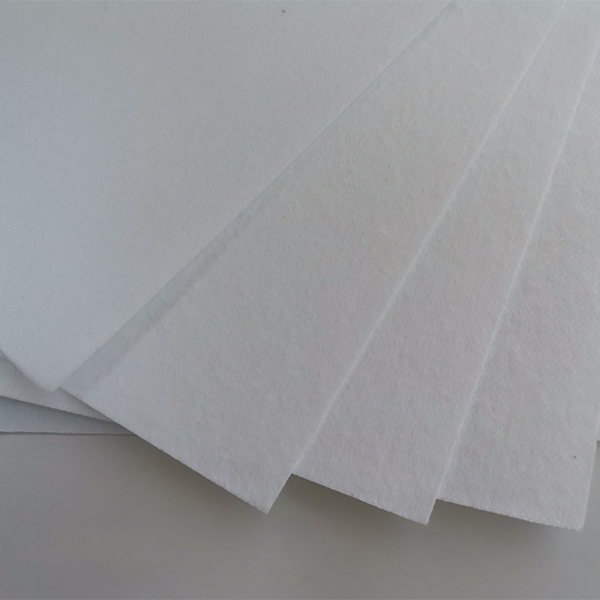
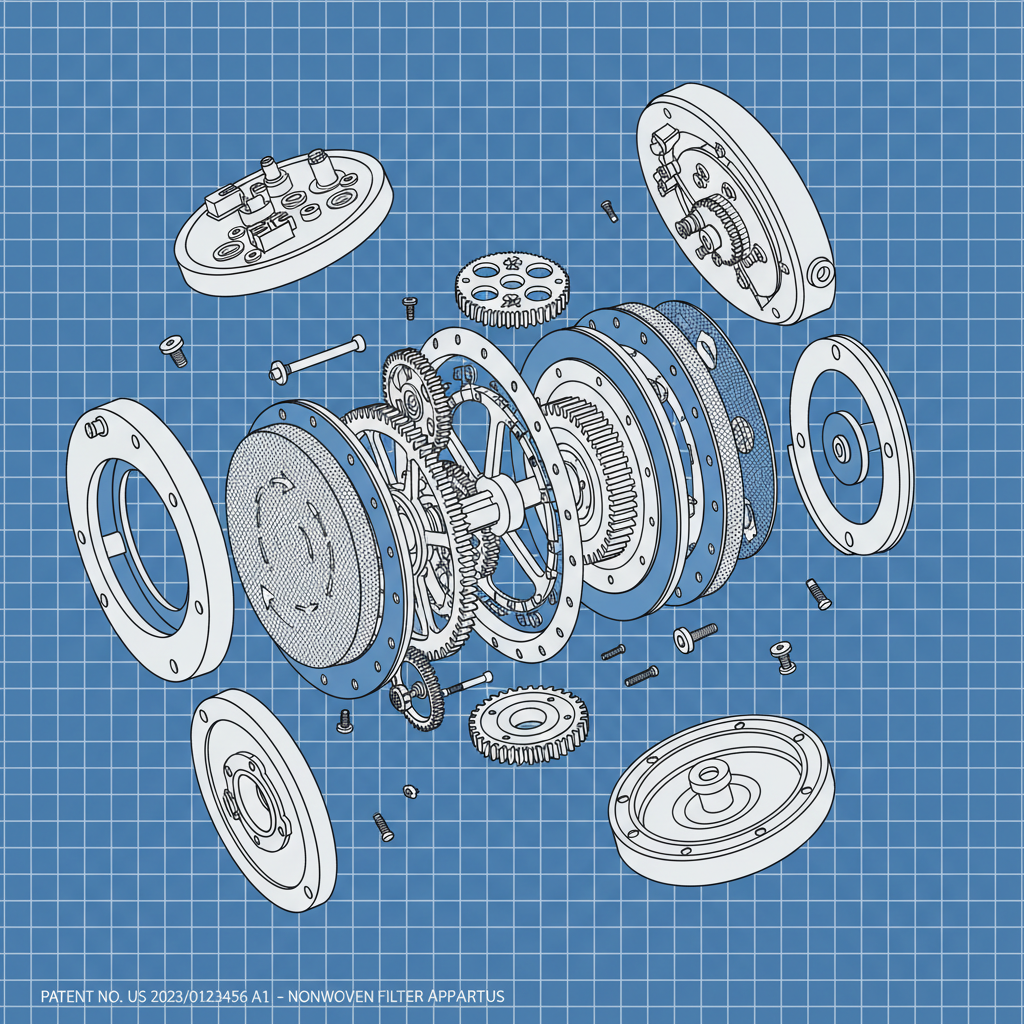
Nonwoven filter media is a fabric-like material created by bonding fibers together through mechanical, chemical, thermal, or solvent means. Unlike woven fabrics, nonwovens are not produced by interlacing yarns. This unique structure provides several advantages for filtration, including high surface area, excellent particle capture efficiency, and customizable properties. The fibers used can vary widely, including polypropylene, polyester, nylon, and more specialized materials, each offering different characteristics in terms of chemical resistance, temperature tolerance, and filtration performance.
Key Highlights: Nonwoven filter media doesn't use weaving; it's bonded fibers offering high surface area and customizable properties. Fiber types vary, impacting performance.
Types of Nonwoven Filter Media
Several distinct types of nonwoven filter media cater to diverse applications. These include:
- Spunbond: Created by extruding molten polymer fibers and laying them randomly. It’s known for its strength and durability.
- Meltblown: Uses a similar process to spunbond but produces very fine fibers, resulting in high filtration efficiency. Ideal for capturing smaller particles.
- Needle-punched: Fibers are mechanically interlocked using needles, creating a robust and stable media.
- Thermally Bonded: Fibers are bonded together using heat and pressure, offering good loft and permeability.
- Composite Media: Combines different nonwoven technologies (e.g., spunbond/meltblown/spunbond – SMS) to leverage the strengths of each.
The choice of media depends on the specific filtration requirements, including particle size, flow rate, and operating conditions.
The Benefits of Using Nonwoven Filter Media
Nonwoven filter media offers numerous benefits compared to traditional filter materials. These include:
- High Efficiency: Effectively captures a wide range of particle sizes.
- Low Pressure Drop: Allows for high airflow with minimal resistance.
- Cost-Effectiveness: Generally more affordable than woven alternatives.
- Design Flexibility: Can be easily customized to meet specific requirements.
- Lightweight: Reduces weight in applications like HVAC systems.
- Chemical Resistance: Depending on the fiber used, can withstand harsh chemicals.
These advantages make nonwoven media an ideal choice for a wide variety of filtration applications.
Applications of Nonwoven Filter Media
The versatility of nonwoven filter media results in its widespread use across numerous industries. Some key applications include:
- HVAC Systems: Air filtration in residential, commercial, and industrial buildings.
- Medical: Masks, surgical gowns, sterile packaging, and blood filtration.
- Automotive: Cabin air filters, oil filters, and fuel filters.
- Industrial Processes: Dust collection, liquid filtration, and gas separation.
- Water Filtration: Pre-filtration for reverse osmosis systems and sediment removal.
Choosing the Right Nonwoven Filter Media: Key Considerations
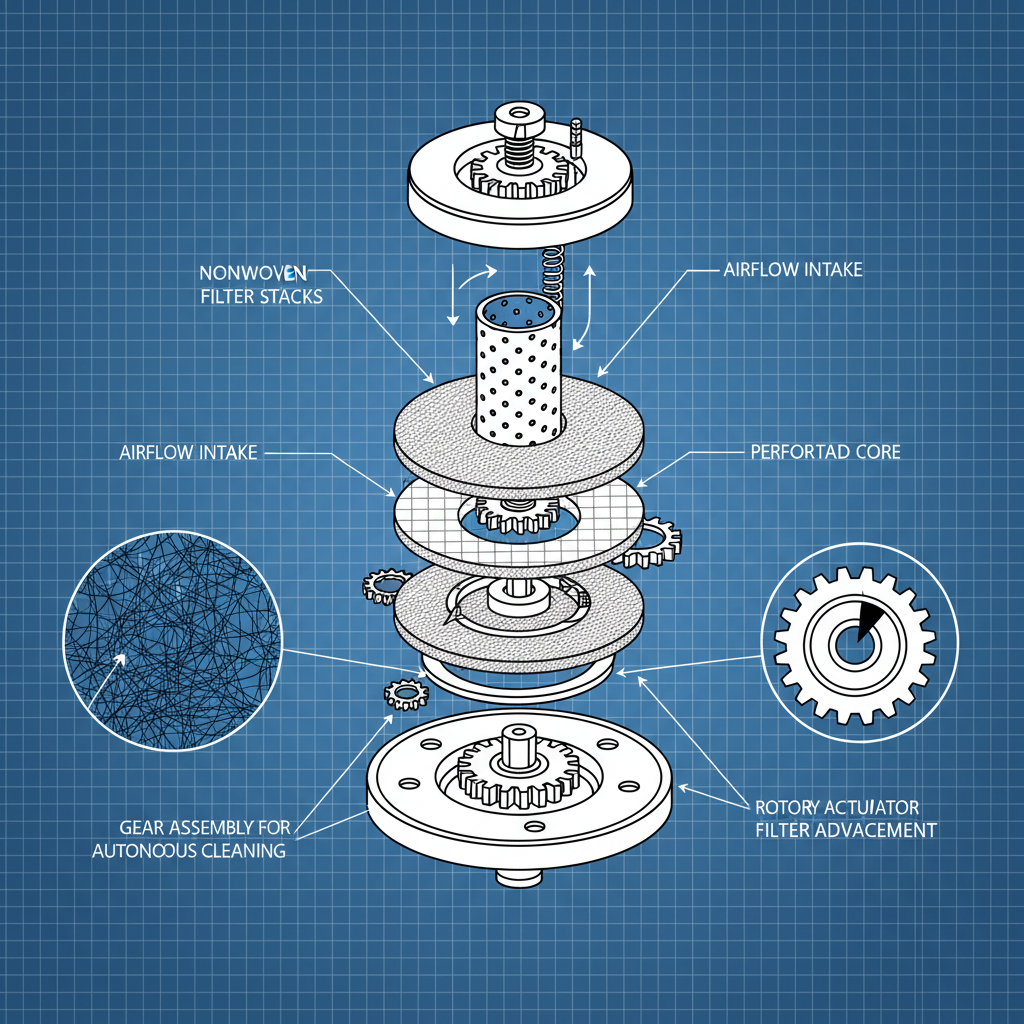
Selecting the appropriate nonwoven filter media requires careful consideration of several factors. Key parameters include:
Conclusion: The Future of Filtration with Nonwoven Media
Nonwoven filter media continues to evolve, driven by demands for cleaner air and water. Anya Filter Media is dedicated to providing innovative and high-performance solutions to meet these challenges. By understanding the various types, benefits, and considerations involved, you can select the optimal nonwoven filter media for your specific application and contribute to a healthier, more sustainable future.
Frequently Asked Questions (FAQs)
What is the difference between spunbond and meltblown nonwoven fabrics?
Spunbond and meltblown are both types of nonwoven fabrics, but they differ in fiber size and production process. Spunbond fabrics are made from relatively larger fibers, resulting in higher strength and durability. Meltblown fabrics, on the other hand, are made from very fine fibers, offering superior filtration efficiency, particularly for capturing smaller particles. Often, these are combined in SMS (Spunbond-Meltblown-Spunbond) structures to leverage the benefits of both.
How often should nonwoven filter media be replaced?
The replacement frequency depends on several factors, including the level of contamination, airflow rate, and the type of media. Regular monitoring of pressure drop across the filter is a good indicator – a significant increase in pressure drop signals that the media is becoming clogged and needs replacing. As a general guideline, filters should be inspected monthly and replaced when necessary, typically every 3-6 months, but this can vary greatly depending on the application.
Are nonwoven filter media environmentally friendly?
Many nonwoven filter media materials, such as polypropylene, are recyclable. Furthermore, their efficiency in capturing pollutants can contribute to improved air and water quality, reducing environmental impact. Anya Filter Media is committed to sustainable practices, exploring options for biodegradable and compostable filter media materials to minimize environmental footprint.
What makes Anya Filter Media stand out from other suppliers?
Anya Filter Media specializes in providing custom-engineered nonwoven filter media solutions tailored to specific customer needs. We offer a wide range of materials, advanced manufacturing capabilities, and a commitment to quality and innovation. Our team of experts provides technical support and works closely with clients to optimize filter performance and ensure satisfaction. Explore our product range at Anya Filter Media.
Post time: Jan-27-2026