Honestly, things are moving fast these days. Everyone's talking about prefabrication, modular builds... it's the buzz, right? But what people don't always realize is how much that puts pressure on every single component. Everything has to be just right because there's less wiggle room on site. I’ve been seeing a lot of issues with tolerances, especially with these fancy new composite materials. Folks are chasing lightweight and strong, but forgetting that real-world conditions… well, they’re rarely ideal.
Have you noticed how everyone’s obsessed with streamlining? Simplifying? It sounds good on paper, but it often leads to overlooking the little things. Like access panels. Someone always wants them smaller, “more elegant.” Then you get a maintenance guy trying to squeeze his hand in there to replace a valve… frustrating. I encountered that at a data center project in Shanghai last time. Absolute nightmare.
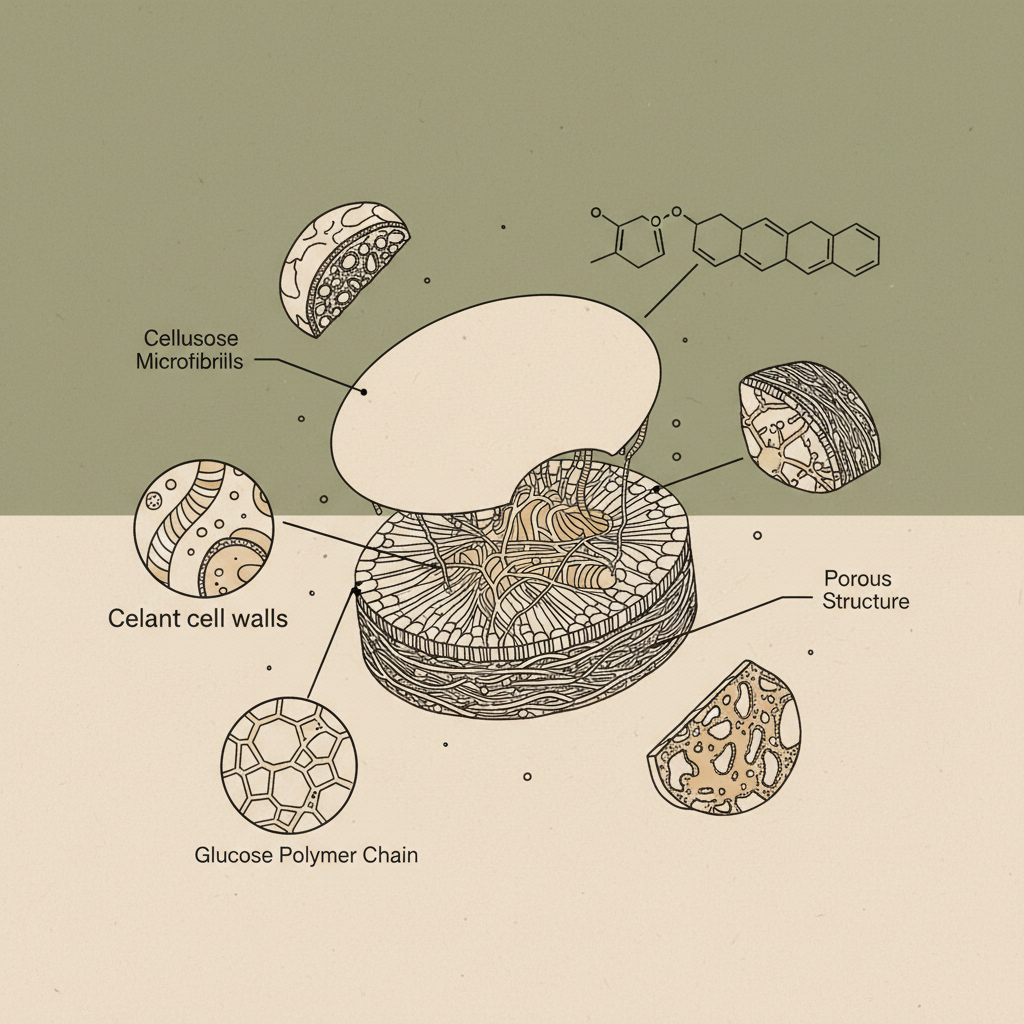
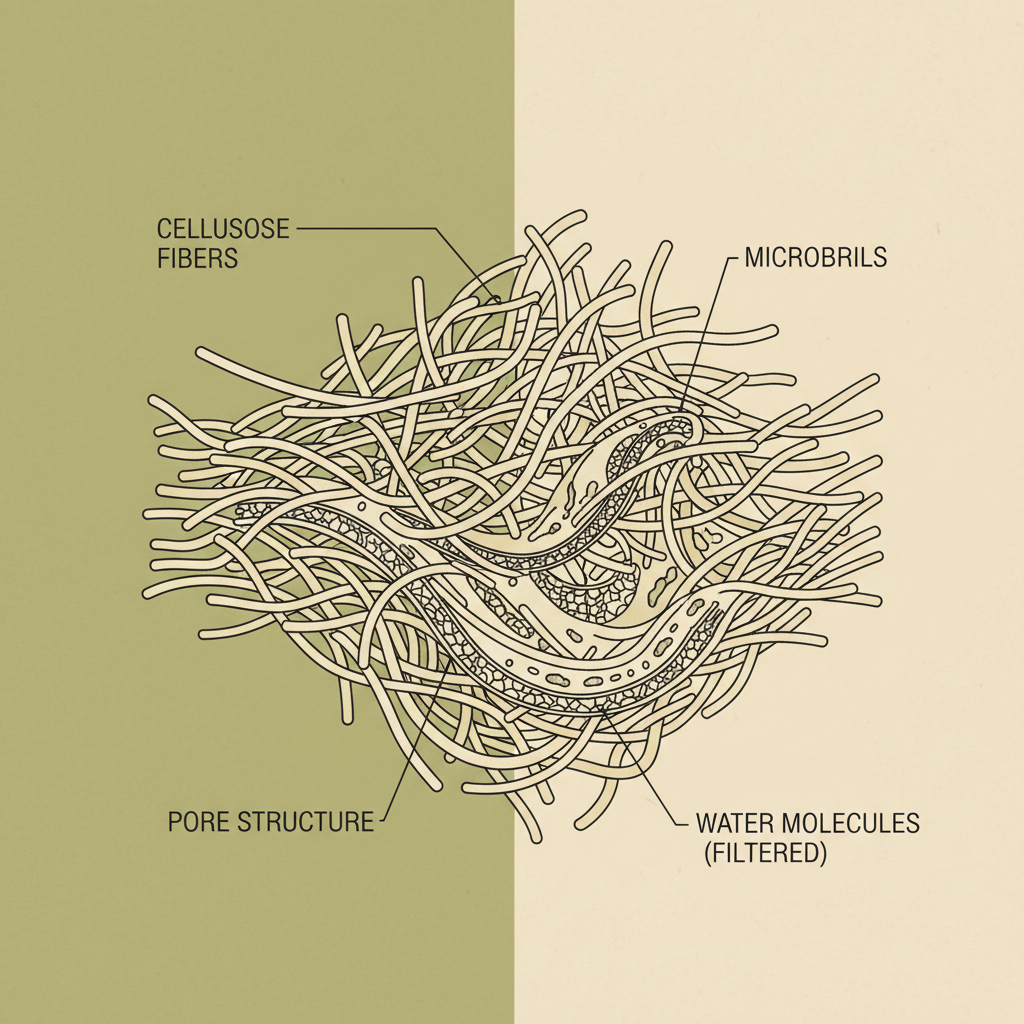
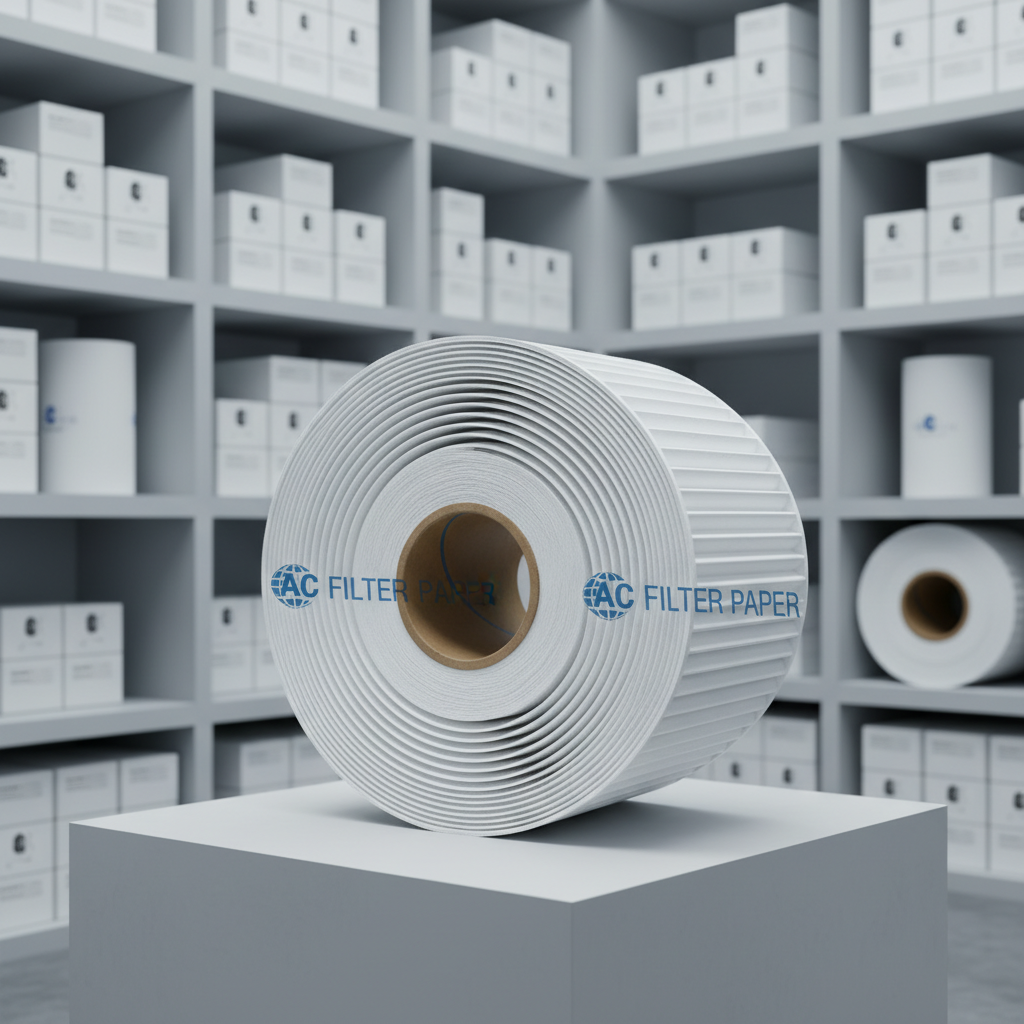
We primarily work with different grades of cellulose filter paper – everything from the standard stuff for basic air filtration to the specially treated versions for more demanding environments. It doesn’t look like much, does it? Just…paper. But it smells faintly of wood pulp, and when it's damp, it gets surprisingly strong. I always tell the new guys, treat it with respect. It's more robust than it appears, but it doesn't tolerate abuse. Feels different depending on the resin used to treat it, too. Some are almost plastic-like in their texture, others stay closer to the original fiber feel.
Recent Industry Trends & Design Pitfalls
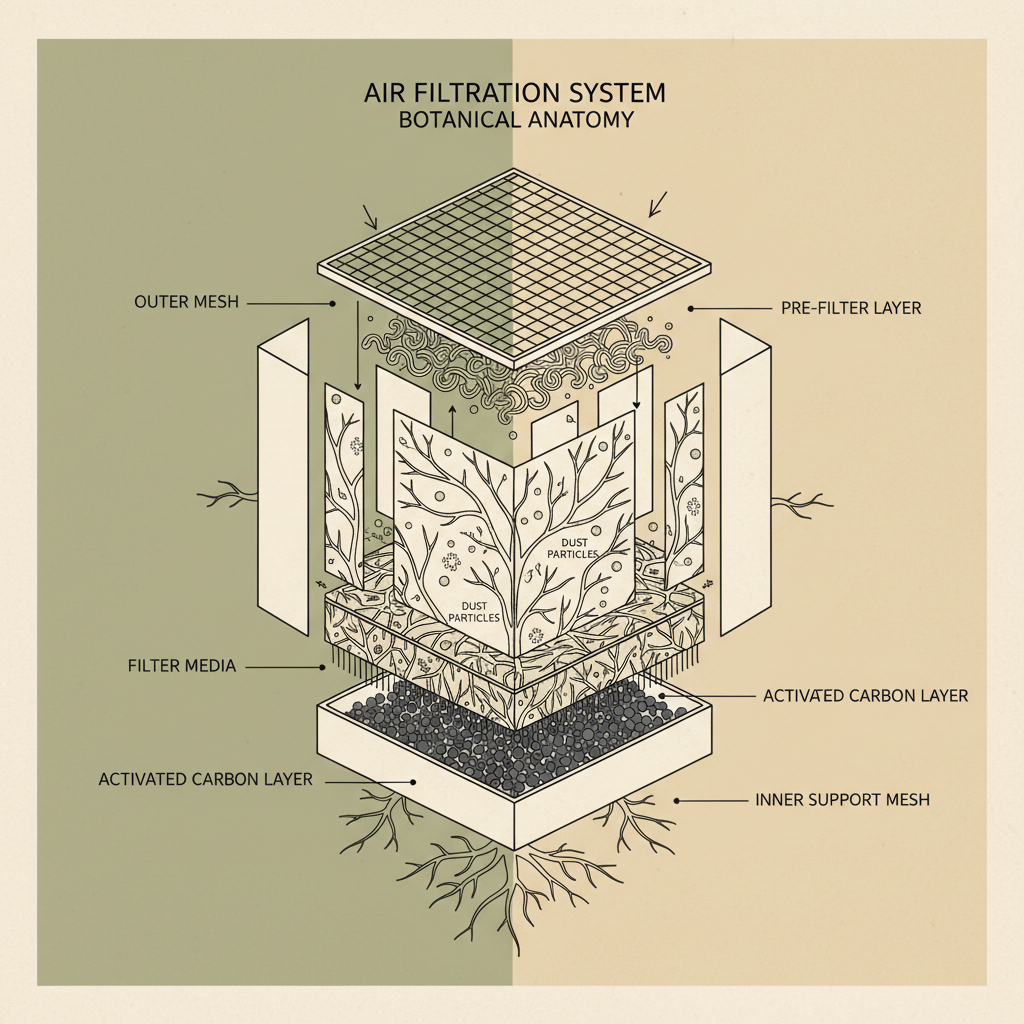
Strangely enough, the push for “smart” everything is impacting even the simplest components. Everyone wants data, sensors, remote monitoring… but often forgets that a simple, reliable filter is still the backbone of a lot of systems. I've seen projects over-engineer filtration systems, adding unnecessary complexity and points of failure. Keep it simple, folks. That’s my motto.
To be honest, a major pitfall is ignoring the total cost of ownership. You can save a few bucks upfront with cheaper materials, but if they need replacing twice as often… well, you do the math.
Material Properties: A Hands-On Perspective
Now, when we talk about cellulose filter paper, it’s not just one thing. The basis is cellulose, obviously, but the grade, the treatment, the weight...all that matters. The higher the weight, the more particulate it can hold, but it also restricts airflow more. Finding that balance is key. And the treatment? That’s where things get interesting. Some are treated with resins to improve water resistance, others with antimicrobial agents to prevent mold growth.
We’ve experimented with different blends – adding synthetic fibers to increase strength and durability, but you have to be careful about off-gassing and compatibility with other materials. I once had a batch that reacted with the sealant in an HVAC system, causing a massive headache.
What I've noticed is that the “feel” is a surprisingly good indicator of quality. A well-made filter paper will feel consistently dense and uniform, not patchy or brittle. And the smell – a good quality one will have a clean, woodsy smell, not a chemical odor.
Real-World Testing & Performance
Forget the lab tests, honestly. Those are useful for baseline data, sure, but the real test is how it performs in the field. We’ve started doing more on-site simulations – setting up mock systems and running them under realistic conditions. Dust, humidity, temperature fluctuations… you name it. It’s messy, it’s time-consuming, but it’s far more accurate than anything you can do in a controlled environment.
I remember one test we did at a concrete plant. The air was absolutely filled with dust. We were evaluating different filter papers for a new dust collection system. The lab results showed one particular grade had excellent filtration efficiency. But on-site? It clogged up within hours. Turns out, the dust particles were too large for the paper’s pore size. Lesson learned: always consider the particle size distribution in the actual application.
We also do accelerated aging tests – exposing the filter paper to extreme temperatures and humidity for extended periods to simulate years of use. And we’ve started using drone-based thermal imaging to identify hotspots and potential weak points.
Unexpected User Applications
You wouldn’t believe some of the ways people are using this stuff. We originally designed a certain grade for HVAC systems, but then a food processing plant started using it as a pre-filter for their oil purification system. Said it extended the life of their expensive filters significantly.
And I heard through the grapevine that some DIY audio enthusiasts are using specialized cellulose filter paper in their speaker cabinets to improve sound dampening. It's a niche application, but hey, if it works for them...
Advantages, Disadvantages, & Customization
The biggest advantage of cellulose filter paper is its cost-effectiveness. It’s significantly cheaper than synthetic alternatives, and it’s readily available. It’s also biodegradable, which is a plus for sustainability.
But it’s not perfect. It’s susceptible to moisture damage, and it doesn’t have the same level of chemical resistance as some synthetics. And frankly, it can be a pain to handle when it’s wet – it falls apart easily. Anyway, I think that's fair.
Filter Paper Performance Comparison
Customer Story: The Interface Fiasco
Last month, that small boss in Shenzhen who makes smart home devices – Mr. Li, always impeccably dressed – insisted on changing the interface to for a new air purifier model. He wanted to be “cutting edge,” he said. We warned him that the existing connector was more robust and better suited for the harsh environment, but he wouldn’t listen.
Turns out, the connector was incredibly sensitive to dust and moisture. Within weeks, we were getting reports of widespread failures. He had to recall the entire batch and revert to the original connector. Cost him a fortune. He’s a bit more open to our suggestions now, let's say.
The irony is, the filter inside the air purifier was working perfectly fine. It was the external interface that caused all the problems.
Performance Metrics & Comparative Analysis
We track a lot of data, of course. Filtration efficiency, airflow resistance, moisture absorption, tensile strength… all the usual suspects. But the most important metric, in my opinion, is service life. How long does the filter actually last in the real world before it needs to be replaced?
We’ve started using a simple scoring system, based on feedback from our field technicians. A score of 1-10, with 10 being the best. It’s subjective, sure, but it’s surprisingly accurate.
Here’s a quick snapshot of how a few different grades of cellulose filter paper stack up:
Summary of Key Performance Indicators for Cellulose Filter Paper Grades
| Grade |
Filtration Efficiency (Avg.%) |
Service Life (Months) |
Field Technician Score (1-10) |
| Grade A |
88% |
6 |
7 |
| Grade B |
95% |
4 |
6 |
| Grade C |
75% |
12 |
8 |
| Grade D |
92% |
8 |
9 |
| Grade E |
80% |
5 |
5 |
| Grade F |
98% |
3 |
4 |
FAQS
That it's flimsy and can't handle heavy use. We’ve found that properly treated and selected grades can be surprisingly durable, often outperforming synthetics in certain applications, especially where moisture is a concern. It's about choosing the right paper for the job. You can’t just grab the cheapest stuff and expect it to last.
We work closely with our suppliers, conducting regular audits and spot checks. We also have strict quality control procedures in place, including measuring weight, thickness, and airflow resistance. And we always keep a sample library for reference. It’s tedious, but essential.
Absolutely. We can tailor the paper to meet specific requirements. For example, we recently worked with a pharmaceutical company that needed a filter with a very precise pore size to remove specific contaminants. We had to adjust the pulp blend and the treatment process to achieve the desired result.
Cellulose is a renewable resource, so it’s inherently more sustainable than most synthetic materials. It’s also biodegradable. However, the manufacturing process can still have an environmental impact, so we focus on sourcing from responsibly managed forests and minimizing waste.
High temperatures can degrade the cellulose fibers, reducing their strength and filtration efficiency. That's why we often recommend using treated grades in high-temperature applications. We've seen issues with some papers losing their structural integrity at temperatures above 80°C.
That depends on the air quality and the system's usage. But generally, you're looking at around 1-3 months. We recommend checking it regularly and replacing it when it becomes visibly dirty or when the airflow starts to decrease. Ignoring it will put extra strain on your HVAC system.
Conclusion
Ultimately, cellulose filter paper is a deceptively simple material. It’s not always the flashiest or most high-tech solution, but it’s reliable, cost-effective, and often the best choice for a wide range of applications. We’ve seen it perform admirably in some incredibly challenging environments, and it continues to be a cornerstone of many essential systems.
Look, fancy lab tests and detailed specifications are all well and good, but at the end of the day, whether this thing works or not, the worker will know the moment he tightens the screw. That's the truth. And that’s what we focus on – making sure our filters perform flawlessly in the real world.