Non Woven Air Filter: A Comprehensive Guide
In today's world, maintaining clean air quality is paramount. Whether in industrial settings, HVAC systems, or even everyday home use, effective air filtration is crucial. Non woven air filters are a widely adopted solution, offering a balance of efficiency, affordability, and versatility. This article will delve into the intricacies of non woven air filters, exploring their types, applications, advantages, and considerations for choosing the right filter for your needs. Understanding these filters is key to protecting both equipment and respiratory health.
What are Non Woven Air Filters?
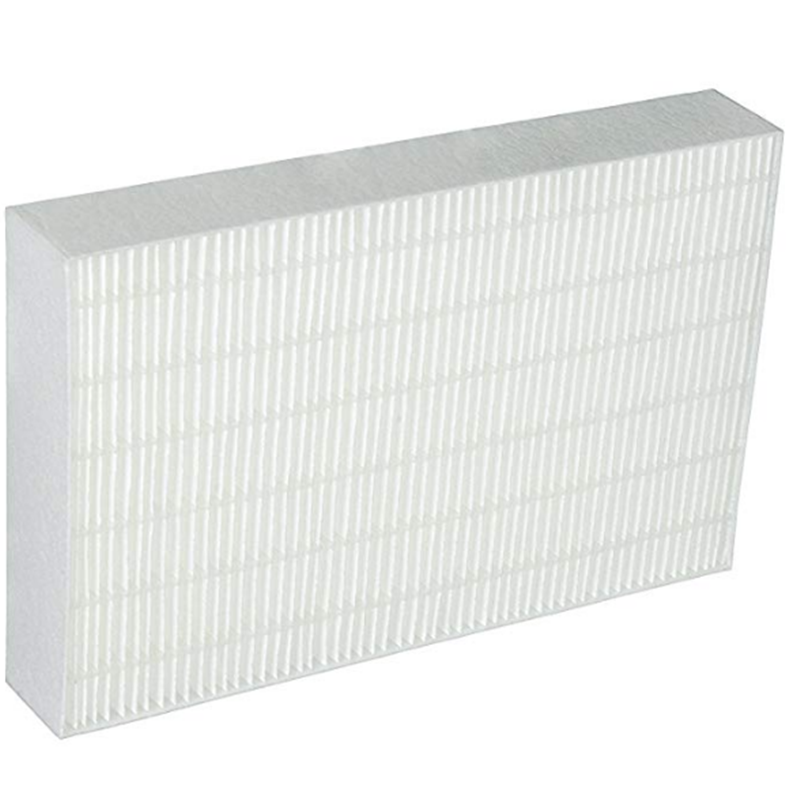
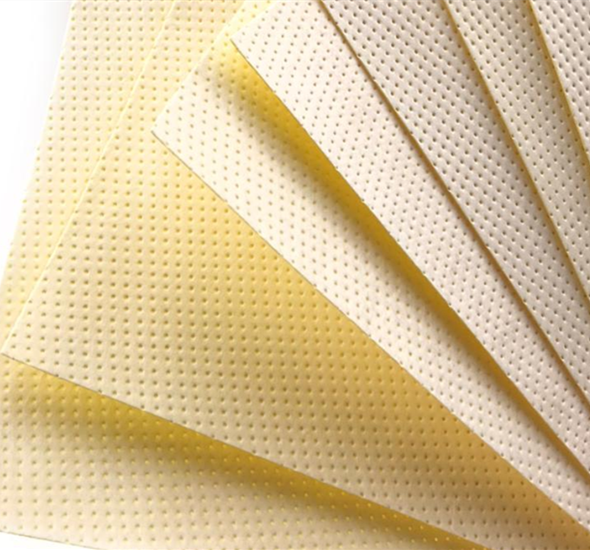
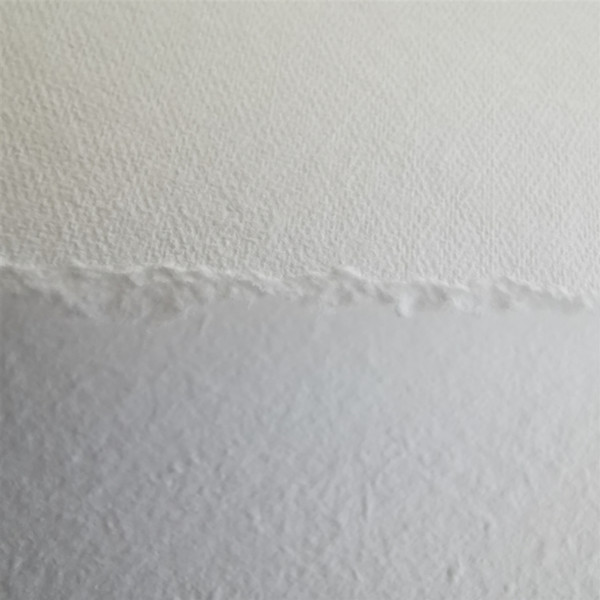
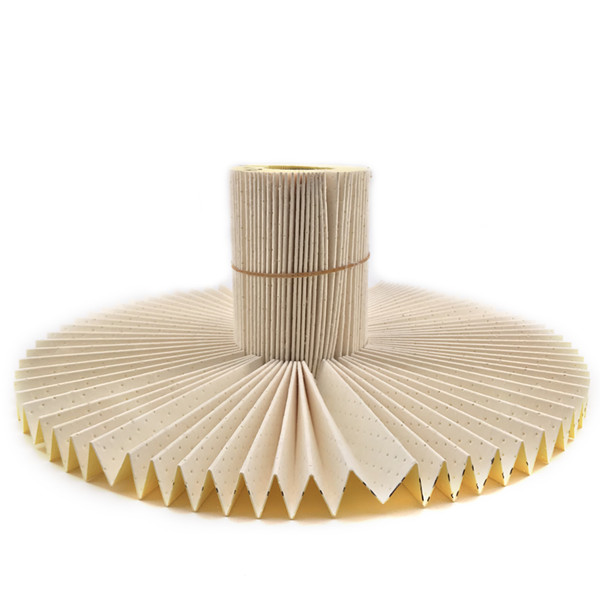
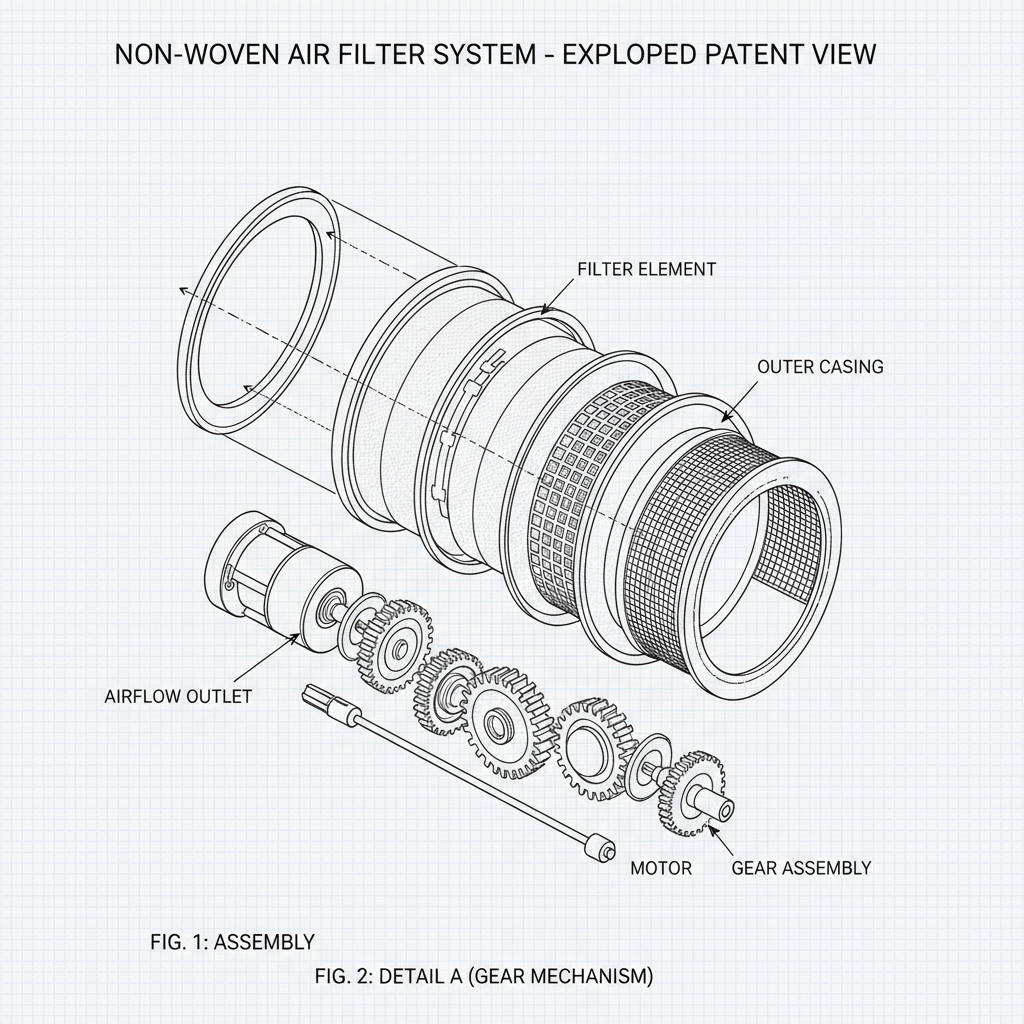
Non woven air filters are constructed from a complex web of synthetic fibers, typically polypropylene, bonded together through mechanical, thermal, or chemical processes. Unlike traditional woven filters, these fibers aren’t knitted or braided, resulting in a more random structure. This structure is key to their high filtration efficiency and lower air resistance. The manufacturing process allows for precise control over fiber density and diameter, leading to filters tailored for specific particle sizes. They are commonly used as pre-filters to protect more expensive, high-efficiency filters and extend their lifespan.
Key Highlights: Cost-effective, lightweight, and offer good pre-filtration for a variety of particles. Suitable for diverse applications due to customizable fiber properties.
Types of Non Woven Air Filters
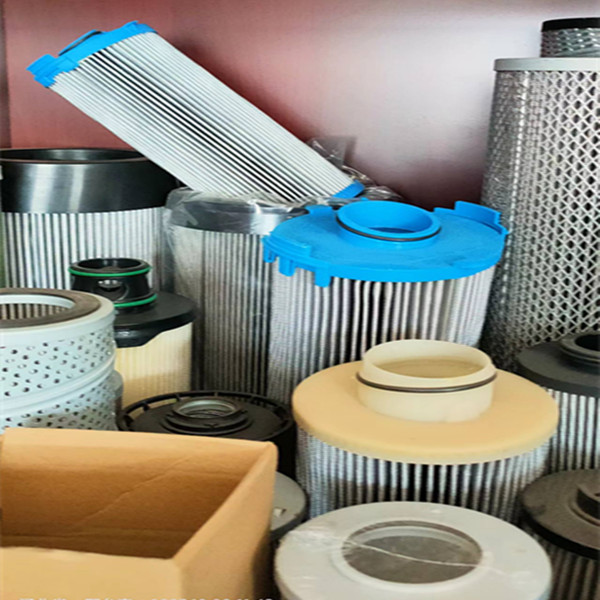
Non woven air filters come in several variations, each designed for specific applications and levels of filtration. Common types include spunbond polypropylene, meltblown polypropylene, and thermally bonded filters. Anyafiltermedia.com offers a range of these filter types, tailored to meet diverse industrial and commercial needs. The choice depends on factors like particle size, airflow rate, and the desired level of filtration efficiency. Different densities and layering techniques can further customize the filter's performance.
Filter Type Breakdown:
• Spunbond Polypropylene: Good for coarse particle removal and pre-filtration.
• Meltblown Polypropylene: Offers higher filtration efficiency for finer particles.
• Thermally Bonded: Combines layers for increased strength and filtration capacity.
Non Woven Air Filter Applications
The versatility of non woven air filters allows for application across numerous industries. These include HVAC systems in commercial and residential buildings, automotive cabin air filtration, industrial dust collection, paint spray booths, and even medical facilities. They effectively capture dust, pollen, mold spores, and other airborne particles, improving indoor air quality and protecting sensitive equipment. The widespread use is a testament to their efficiency and cost-effectiveness. Choosing the right filter grade is vital for optimized performance in each application.
Advantages of Using Non Woven Air Filters
Non woven air filters offer several benefits over traditional filter media. These include lower pressure drop, resulting in reduced energy consumption; high dust holding capacity, extending filter life; and consistent performance throughout their lifespan. They are also relatively inexpensive, making them a cost-effective filtration solution. Anyafiltermedia.com specializes in providing high-quality filters that maximize these advantages.
Selecting the Right Non Woven Air Filter
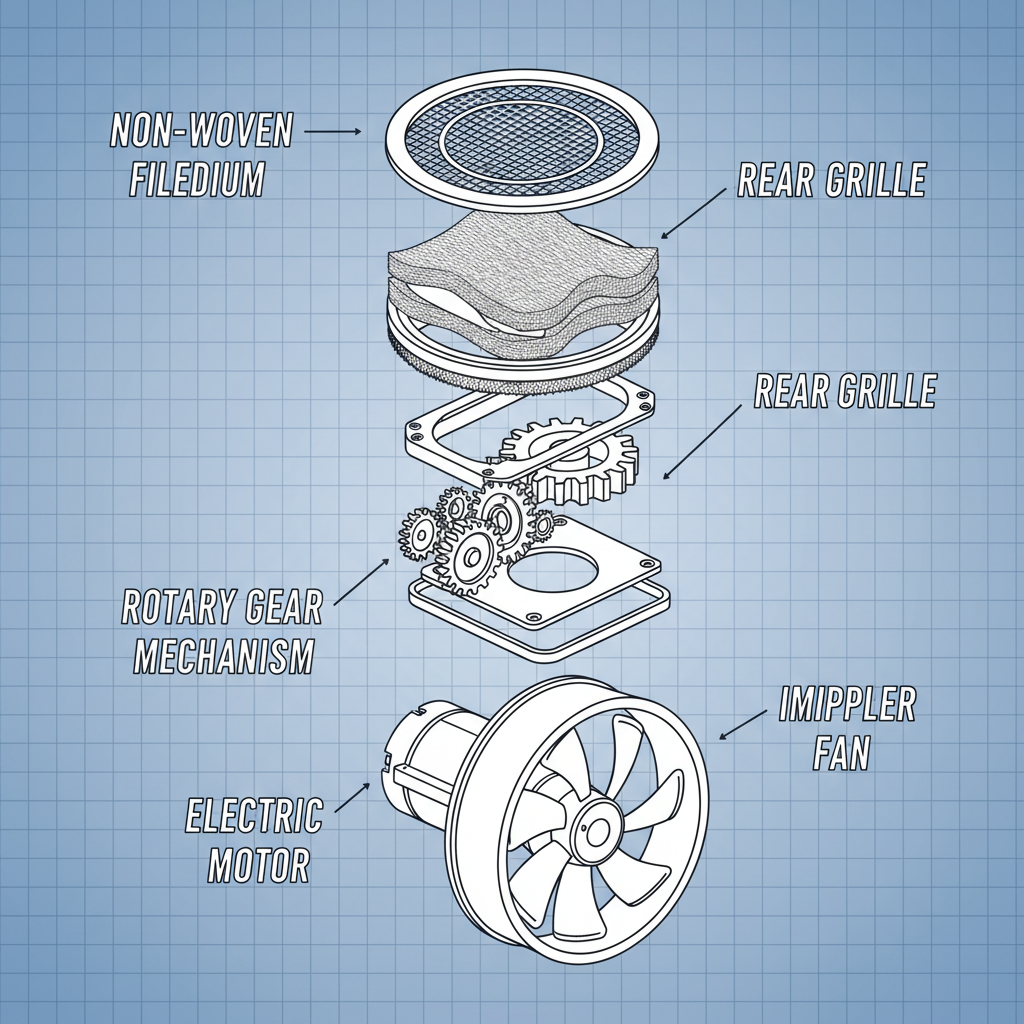
Choosing the appropriate non woven air filter requires considering several factors. These include the size of the particles you need to capture, the airflow rate of your system, and the overall operating environment. Understanding the MERV (Minimum Efficiency Reporting Value) rating is crucial, as it indicates the filter's ability to capture particles of different sizes. A higher MERV rating signifies better filtration, but also potentially higher pressure drop. Consult with a filtration specialist or refer to manufacturer recommendations to ensure optimal performance and compatibility. You can find more details on filter selection guides on Anyafiltermedia.com.
Conclusion: Ensuring Clean Air with Non Woven Filters
Non woven air filters offer a versatile and cost-effective solution for a wide range of air filtration needs. From improving indoor air quality to protecting valuable equipment, these filters play a crucial role in maintaining a healthy and productive environment. By understanding the different types of non woven filters and their applications, you can make informed decisions to optimize your filtration system. Explore the comprehensive range of non woven air filters available at Anyafiltermedia.com and ensure clean air for your specific needs.
Frequently Asked Questions (FAQs)
How often should I replace my non woven air filter?
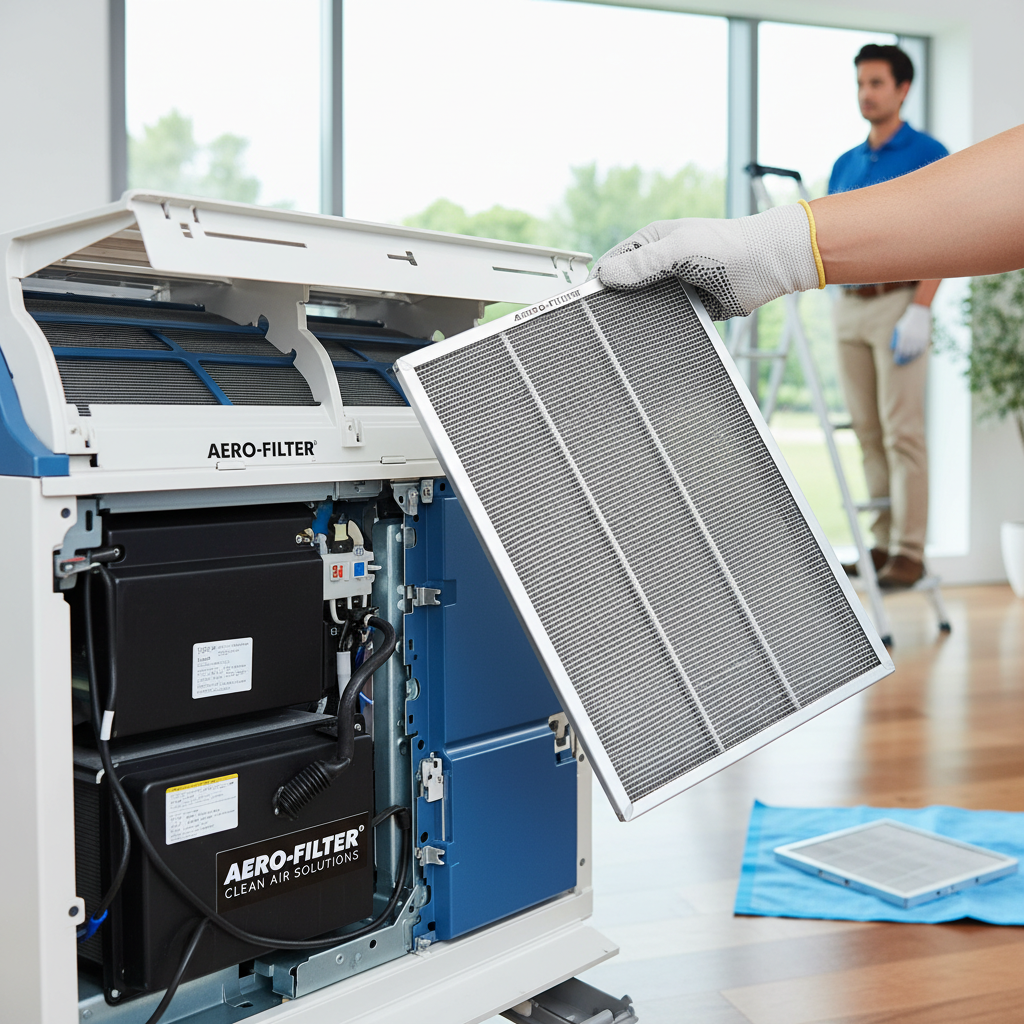
The replacement frequency depends on the filter's usage and the air quality in your environment. Generally, it's recommended to replace filters every 1-3 months for residential use and more frequently in industrial settings. Regularly inspect the filter for visible dirt and debris. A clogged filter restricts airflow, reducing efficiency and potentially damaging your HVAC system. When the filter appears dirty, it's time for a replacement. You can find replacement filters at Anyafiltermedia.com.
What is the MERV rating, and why is it important?
MERV (Minimum Efficiency Reporting Value) is a rating system that measures a filter’s ability to capture particles of different sizes. The higher the MERV rating, the more efficient the filter is at removing smaller particles. MERV ratings range from 1 to 20. For residential use, MERV 8-13 filters are typically recommended. Industrial applications may require higher MERV ratings to capture specific contaminants. Selecting the right MERV rating ensures optimal air quality without unduly restricting airflow.
Are non woven air filters washable and reusable?
Generally, non woven air filters are not designed to be washable and reusable. Washing can damage the delicate fiber structure, reducing their filtration efficiency. These filters are intended for single-use applications. However, some advanced filters may have a washable pre-filter layer that can be cleaned and reused. Always refer to the manufacturer's instructions for specific guidelines on cleaning or disposal.
Can non woven filters remove odors?
While non woven air filters effectively capture particulate matter, their ability to remove odors is limited. For odor control, filters incorporating activated carbon are recommended. Activated carbon adsorbs gaseous pollutants and odors, providing a more comprehensive air purification solution. Anyafiltermedia.com offers filters with integrated carbon layers for enhanced odor removal.
Post time: Jan-27-2026