Understanding Industrial Filter Media: Why It Matters in Today's World
Industrial filter media might sound like something reserved for heavy factories or high-tech labs, but if you stopped to think, it's woven into a surprising part of daily life—whether that's cleaner air, safer water, or sustainable manufacturing processes. At heart, filter media are materials used to separate, capture, or purify substances, playing a critical role across multiple industries, from manufacturing plants to humanitarian water projects.
Globally, the importance of effective filtration is only growing. With industries expanding in Asia, fast urbanization in Africa, and tightening environmental regulations in Europe and the Americas, industrial filter media is a key player in meeting stricter quality and safety standards. Understanding these materials isn’t just a technical exercise—it’s part of a broader conversation on global health, environmental responsibility, and industrial resilience.
Mini takeaway: Industrial filter media are silent heroes, enabling everything from cleaner factories to better drinking water worldwide.
The Global Stage: Why Industrial Filter Media Is Critical Today
According to the United Nations Industrial Development Organization (UNIDO), global industrial growth is projected to increase by nearly 3.2% annually through 2025, intensifying demand for efficient filtration and pollution control solutions. Industrial filter media help industries conform to ISO standards for air and water quality, which are now more rigorously enforced around the globe than ever before.
Pollution control, especially in fast-growing economies, often hinges on filtering airborne particulates and wastewater before release. Oddly enough, despite technological advances, many plants still struggle with aged or suboptimal filter media—which causes inefficiencies, increased costs, and harsher environmental impact. That’s where modern, high-performance industrial filter media shine: capturing more, lasting longer, and adapting swiftly to harsh conditions.
Mini takeaway: On a global scale, industrial filter media are a frontline defense in sustainability and industrial compliance.
What Exactly Is Industrial Filter Media?
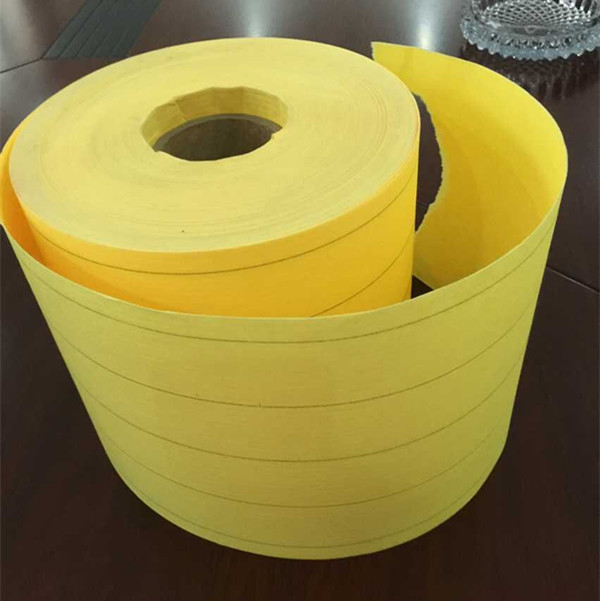
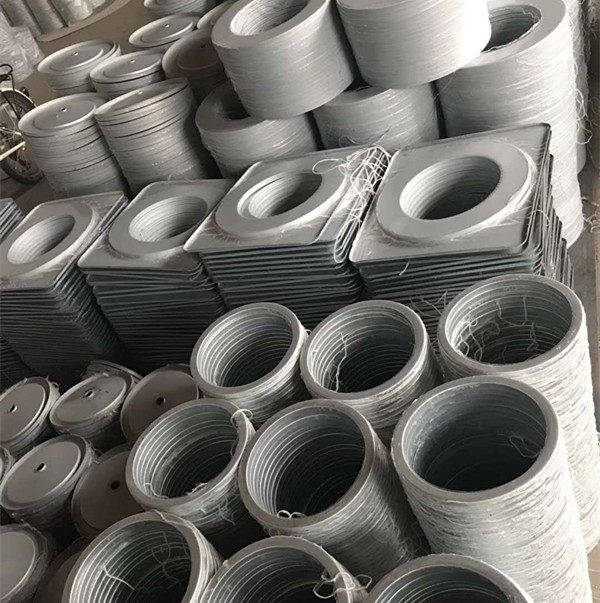
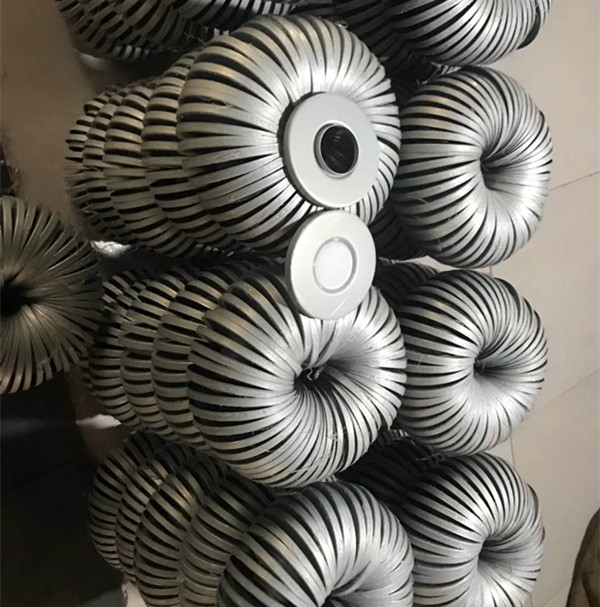
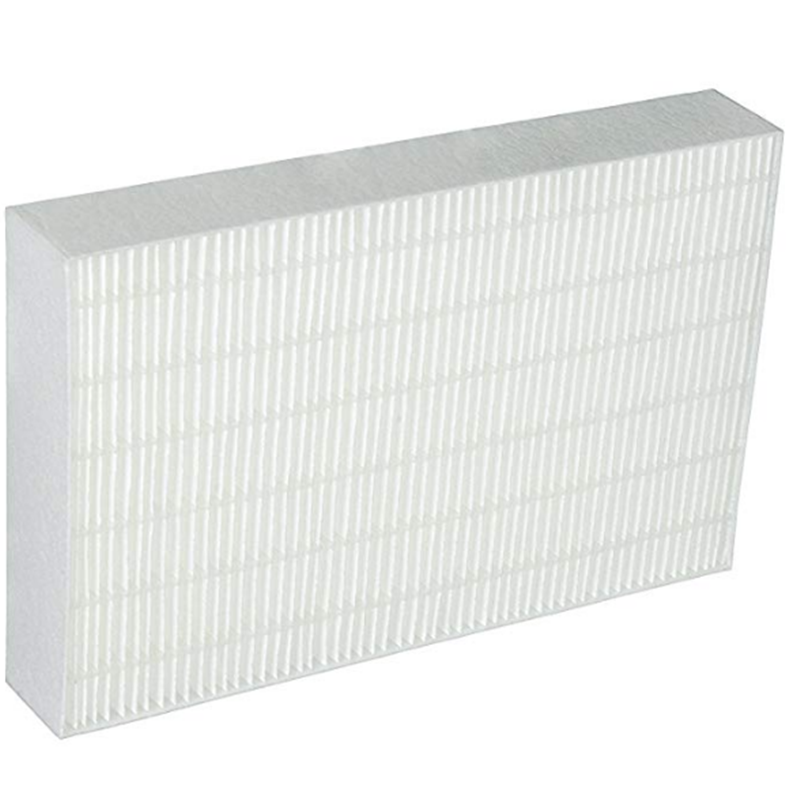
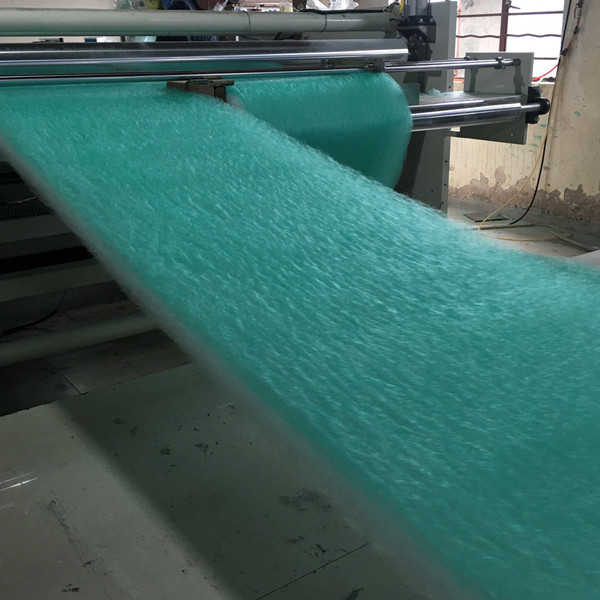
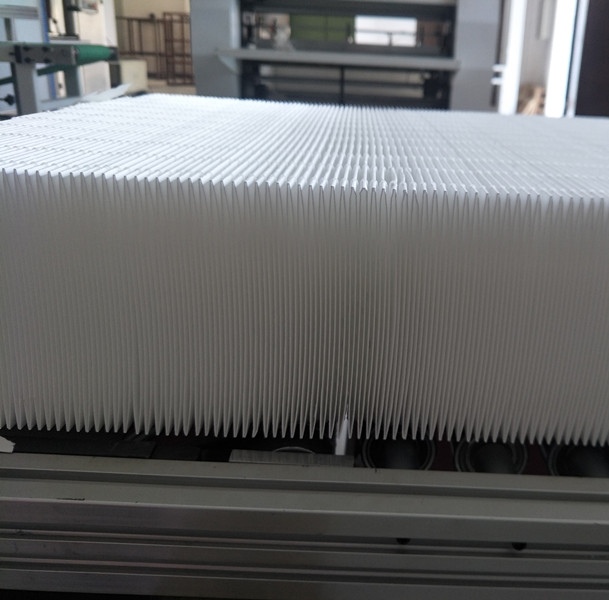
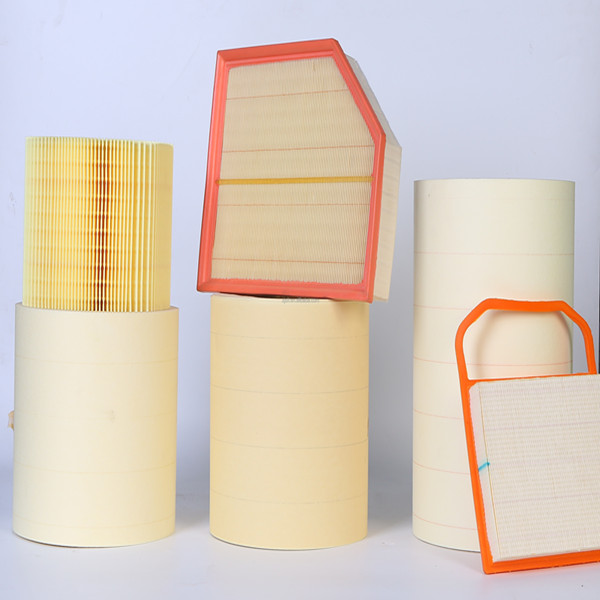
Simply put, industrial filter media refers to the materials or fabrics used within filtration equipment to trap particles, contaminants, or impurities from liquids or gases. Think of them as specialized sieves or nets, but constructed from intricate fibers, polymer films, or woven materials designed to handle specific industrial needs.
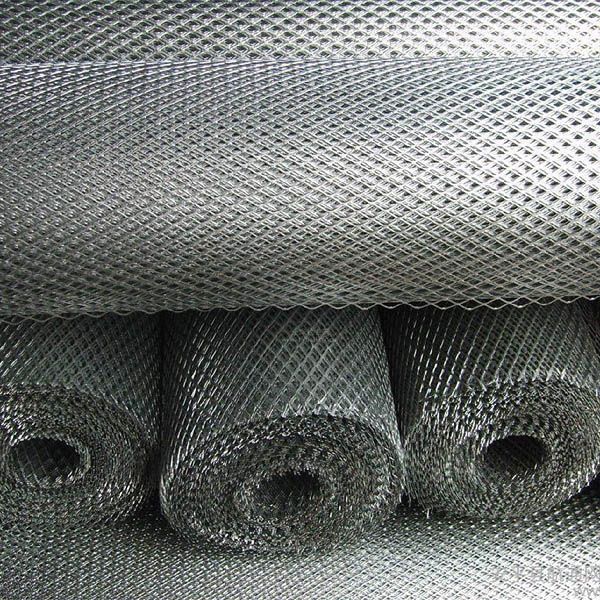
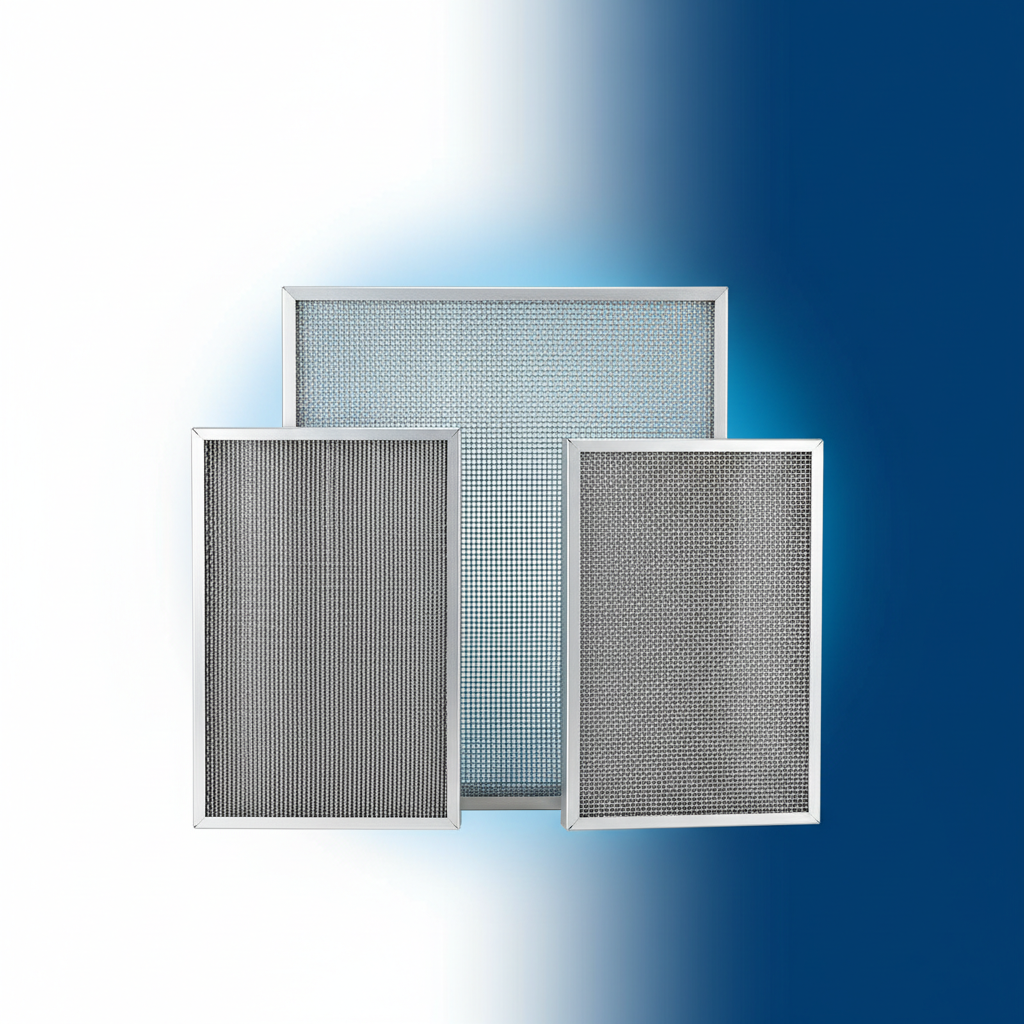
These materials range from synthetic fabrics, like polyester or polypropylene, to natural fibers or metal meshes. Besides the composition, the pore size, thickness, and surface treatments make a huge difference in filtering efficiency.
In modern industry, these media are crucial—from paper manufacturing, chemical plants, and mining operations, to humanitarian endeavors like water purification systems in disaster zones or remote communities.
Mini takeaway: Industrial filter media are specialized materials, built to trap unwanted particles across diverse industries.
Core Components That Make Filter Media Effective
Durability
A filter medium must withstand harsh environments—whether that's abrasive dust, corrosive chemicals, or high humidity. Durability translates directly into longer service life, reducing maintenance downtime and replacement costs.
Filtration Efficiency
This is all about how well the media capture particles of various sizes. High-efficiency filter media are engineered to trap microscopic particles without significantly reducing airflow or fluid flow, balancing performance with operational efficiency.
Chemical Compatibility
Many industrial processes involve exposure to acids, solvents, or oils. Filter media must resist degradation or chemical reaction to maintain filtration integrity over time.
Cost Efficiency
It's not just about initial price but lifecycle costs—how long the media last, energy consumed in filtration, and ease of disposal or recycling. Smart design combines material science and economics.
Scalability
Industrial operations vary in size. Media that can be manufactured or adapted at scale—from small modular units to massive continuous processes—offer versatility in deployment.
Mini takeaway: Durability, efficiency, chemical resistance, and cost all shape filter media effectiveness.
Where Industrial Filter Media Make a Real Difference
You’ll find industrial filter media in many surprising places. For instance:
- Water treatment plants in the US and Europe use specially layered filter media to remove contaminants, ensuring safe drinking water to millions.
- Mining operationsin Australia and Latin America rely on robust filter fabrics to separate solids from slurry mixtures, improving resource recovery and reducing discharge pollution.
- Humanitarian efforts. In disaster-relief zones—think post-tsunami Indonesia or drought-affected sub-Saharan Africa—portable filtration systems with advanced filter media give communities access to potable water.
- Manufacturing hubs in China and India utilize filter media inside dust collectors to control harmful emissions and comply with government emission caps.
Mini takeaway: The versatility of industrial filter media touches everything from large factories to life-saving relief efforts worldwide.
Advantages & Long-Term Value of Quality Industrial Filter Media
Beyond clear operational benefits like uptime, reduced maintenance, and improved product quality, filter media have broader impacts. They contribute to:
- Sustainability: Cleaner emissions and treated wastewater protect ecosystems and meet environmental regulations.
- Safety: Reducing toxic particulates safeguards worker health and nearby communities.
- Economic Resilience: Efficient filtration means less resource waste, fewer fines, and stronger corporate responsibility reputations.
- Innovation: Cutting-edge materials inspire new filtration designs with less energy consumption—a win for businesses and the planet.
There’s a quiet satisfaction knowing that these materials, often invisible to users, make industries more trustworthy and responsible.
Mini takeaway: Industrial filter media offer tangible cost savings, social benefits, and environmental stewardship rolled into one.
Looking Ahead: Trends Shaping the Future of Industrial Filter Media
Frankly, the future looks exciting—and a bit unpredictable. Some promising directions:
- Green Materials: Biodegradable and recyclable filter media reduce waste and disposal costs.
- Smart Filtration: Embedded sensors to monitor filter life and efficiency in real time are gaining traction.
- Nanofiber Technology: Ultra-fine fibers enhance capture of the tiniest pollutants without sacrificing flow.
- Automation: Automated filter changing systems reduce manual labor and exposure risk.
Industries pushing for sustainability and digital transformation are naturally embracing these innovations.
Mini takeaway: Emerging technologies promise smarter, greener, and more efficient filter media in the near future.
Challenges & Practical Solutions in Today’s Industrial Filter Media
Despite advances, challenges persist:
- Clogging & Fouling: Filters can become clogged quickly in dusty or oily environments, reducing efficiency and lifespan.
- Cost Constraints: High-performance media often come at a premium, tricky for budget-conscious operations.
- Disposal Concerns: Used media may be hazardous waste, calling for proper disposal methods to avoid environmental harm.
Innovative coating technologies and filter design tweaks are helping tackle clogging, while manufacturers are exploring cost-friendly composites. Plus, modular filter units enable easier swapping and recycling processes, improving overall sustainability.
Mini takeaway: Ongoing innovation and smart design help overcome persistent industrial filter media challenges.
Product Specifications of a Typical Industrial Filter Media
| Specification | Details |
|---|---|
| Material Composition | Polyester microfiber with PTFE coating |
| Micron Rating | 0.3 - 10 microns (customizable) |
| Max Operating Temp | 260°C (500°F) |
| Chemical Resistance | Resistant to acids, alkalis, oils, and solvents |
| Air Permeability | 350 L/min/m² |
| Lifespan | Up to 12 months in industrial settings |
Comparing Leading Industrial Filter Media Vendors
| Vendor | Product Range | Customization Options | Sustainability Focus | Global Reach |
|---|---|---|---|---|
| FilterTech Solutions | Wide: air & liquid filters | High (fiber type, pore size) | Yes, recyclable materials | Asia, Europe, Americas |
| PureFlow Enterprises | Specializes in liquid filtration | Moderate | Developing biodegradable lines | North America, Europe |
| EcoFilt Innovations | Focus on green, sustainable media | Limited but growing | Yes, pioneering compostable filters | Europe, Asia |
| Global Filter Masters | Comprehensive industrial media | Very high (custom development) | Standard initiatives ongoing | Worldwide |
Frequently Asked Questions About Industrial Filter Media
What makes industrial filter media different from household filters?
Industrial filter media are engineered for extreme environments and higher volumes, requiring greater durability, chemical resistance, and specific pore size ranges to handle industrial contaminants efficiently. Household filters generally face milder conditions and simpler particulate types.
How often should filter media be replaced in industrial setups?
Replacement frequency depends on the application’s workload and contaminant load but typically ranges from 6 to 12 months. Regular monitoring of pressure drop or filtration efficiency helps determine optimal replacement intervals to avoid downtime or damage.
Are there eco-friendly options for industrial filter media?
Yes, advances in biodegradable fibers and recyclable composites are gaining traction. Companies are increasingly offering green filter media designed for lower environmental impact without compromising filtration performance.
Can industrial filter media be customized to specific industry needs?
Absolutely. Vendors offer customization in terms of fiber type, pore size, coating, and dimensions to meet the unique challenges of sectors like chemical processing, mining, or water treatment.
Where can I learn more about sourcing reliable industrial filter media?
Trusted sources include industry trade shows, specialized vendors, and technical publications. For ongoing insights and supplier reviews, visit resources such as industrial filter media portals and trusted industry groups.
Conclusion: Making the Case for Smarter Industrial Filter Media Choices
To sum up, industrial filter media serve as the backbone for cleaner air, purer water, and efficient industrial processes globally. They’re an unsung but essential part of tackling environmental challenges and driving operational excellence. Investing in high-quality, innovative filter media pays dividends in sustainability, safety, and cost savings.
Interested in exploring solutions tailored for your industry? Reach out and see what cutting-edge industrial filter media can do for your operations. Visit our website: https://www.anyafiltermedia.com for more information and expert guidance.
References:
Post time: Nov-29-2025