Understanding Air Filter Media: Why It Matters Globally
Let’s start with the basics: air filter media are materials used to trap and remove airborne particles like dust, pollen, emissions, and pathogens. But don’t dismiss them as boring industrial stuff. Worldwide, clean air is one of those invisible essentials — without it, health, productivity, and climate goals all take a hit. Air filter media sit right at that critical intersection between industry, environment, and even humanitarian aid.
According to the World Health Organization, air pollution causes roughly 7 million premature deaths annually. It's staggering. So understanding how air filter media work — and improving them — is a key part of the global clean air puzzle. These filtration solutions aren’t just ticking technical checkboxes; they literally filter out threats that impact billions.
Mini takeaway: Air filter media may sound niche, but the impact? Huge — from workplace safety to global health to disaster relief.
The Global Context: Why Clean Air Filters Are Essential
Air pollution doesn’t respect borders. Cities and industries across continents—from megacities in Asia to manufacturing hubs in Europe and North America—face unique challenges. The demand for advanced
air filter media is soaring, driven by regulatory pushes, technological advances, and public awareness.
Here’s a quick snapshot: ISO standards for air quality (like ISO 16890) are pushing manufacturers to meet higher performance criteria. The United Nations Sustainable Development Goals also emphasize clean air as fundamental to health and well-being (#SDG 3). In some developing areas, the lack of proper filtration worsens respiratory diseases and impacts social equity.
The problem? Not all filter media are created equal. Some clog quickly and lose effectiveness, others struggle with high particle loads or are too costly for low-resource settings. Balancing performance, price, and durability is a real challenge.
Mini takeaway: As global air quality regulations tighten and awareness rises, the role of advanced, adaptable air filter media is more critical than ever.
What Is Air Filter Media, Exactly?
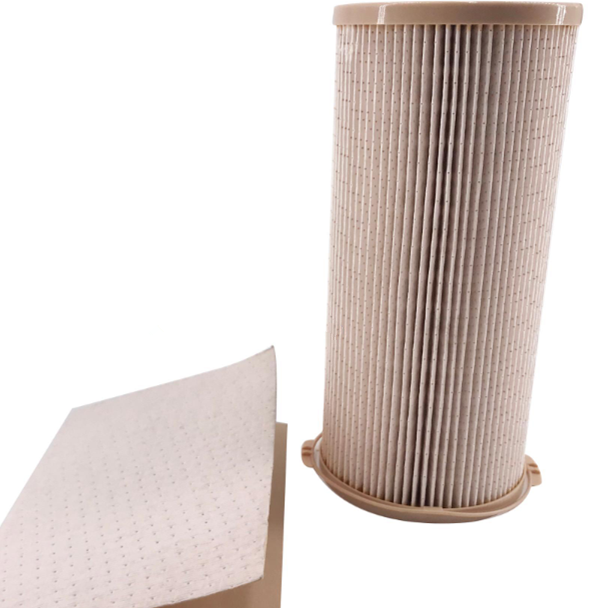
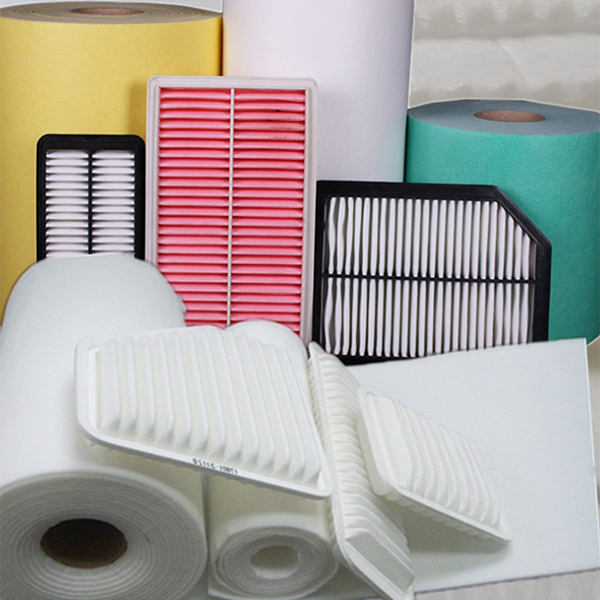
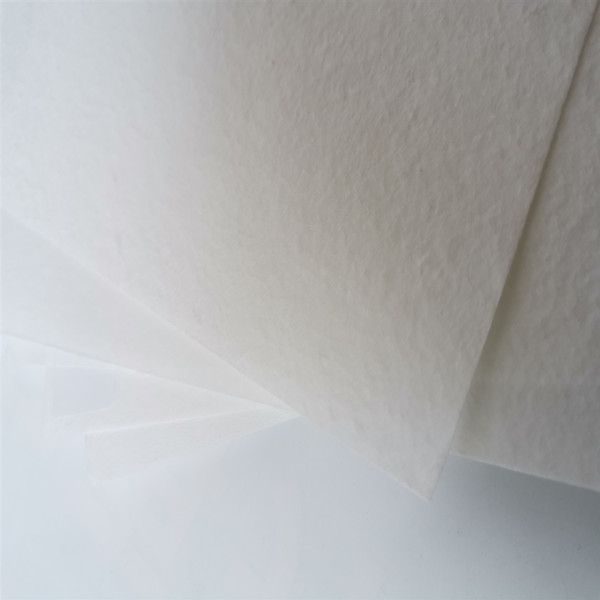
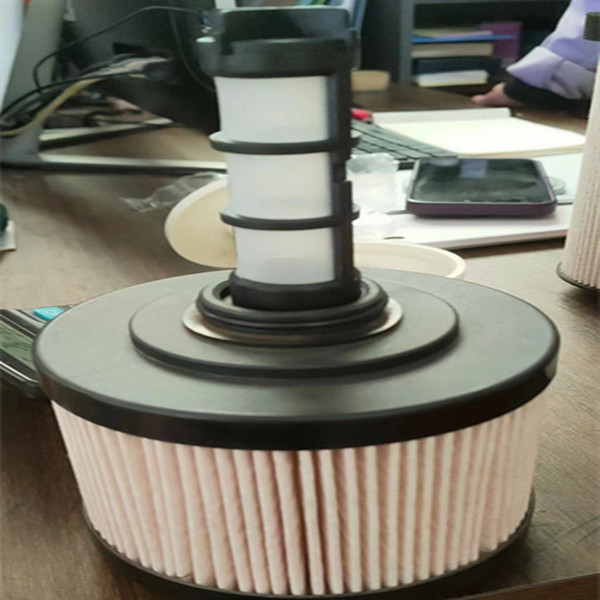
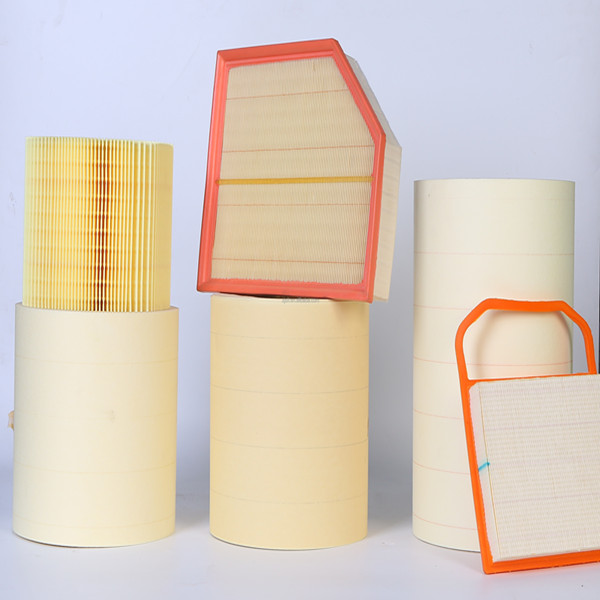
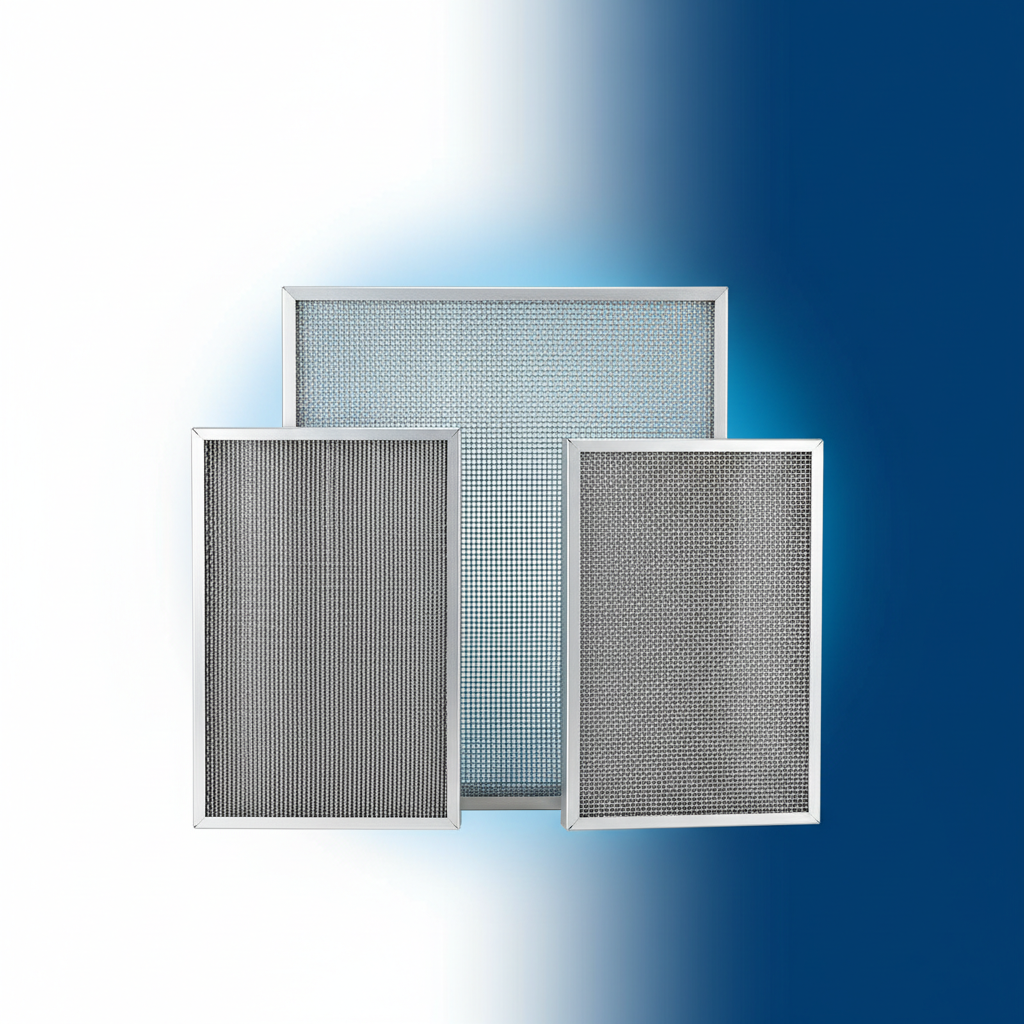
Think of air filter media as the “sieves” that capture unwanted particles as air passes through ventilation or filtration systems. They come in many forms: fibrous mats, pleated paper, synthetic meshes, or even nanofiber coatings.
At its core, air filter media is the component inside filters that does the actual trapping. Its design and material qualities determine filtration efficiency (how many particles it captures), pressure drop (how easily air flows through), and lifespan.
These materials are used everywhere—from residential HVAC units to cutting-edge cleanrooms powering pharmaceutical production or semiconductor fabrication. In humanitarian crises, air filter media help build shelters and medical tents that protect vulnerable populations from airborne diseases and dust.
Mini takeaway: Air filter media are the “unsung heroes” of clean air technology — simple in concept but diverse and vital in usage.
Key Factors that Define Great Air Filter Media
1. Filtration Efficiency
Good media catch tiny particles—think PM2.5, allergens, and microbes—with minimal loss in airflow. High-efficiency media meet standards like HEPA (High-Efficiency Particulate Air) but can come at higher costs and energy use.
2. Durability & Lifespan
Filters that degrade quickly become dust traps rather than barriers. The best media maintain structural integrity in humid, dusty, or chemically harsh environments.
3. Cost Efficiency
In the real world, budget matters. Sometimes, a filter that’s slightly less effective but cheaper and longer-lasting is the smarter choice, especially in large-scale industrial or emergency setups.
4. Scalability & Customization
One size rarely fits all. The latest media can be tailored in porosity, thickness, or surface properties to meet niche requirements—whether it’s high airflow in industrial plants or pathogen control in hospitals.
5. Sustainability
As environmental concerns grow, recyclable or biodegradable media options attract attention. Some manufacturers focus on reducing the carbon footprint of production and disposal.
Mini takeaway: When picking or developing air filter media, expect trade-offs. The winning filter depends on your exact needs — and those needs can vary wildly.
Where Air Filter Media Make a Real Difference
Air filter media are practically everywhere, but here are some standouts:
-
Healthcare Facilities: Protecting patients and staff by removing viruses and bacteria from circulating air.
-
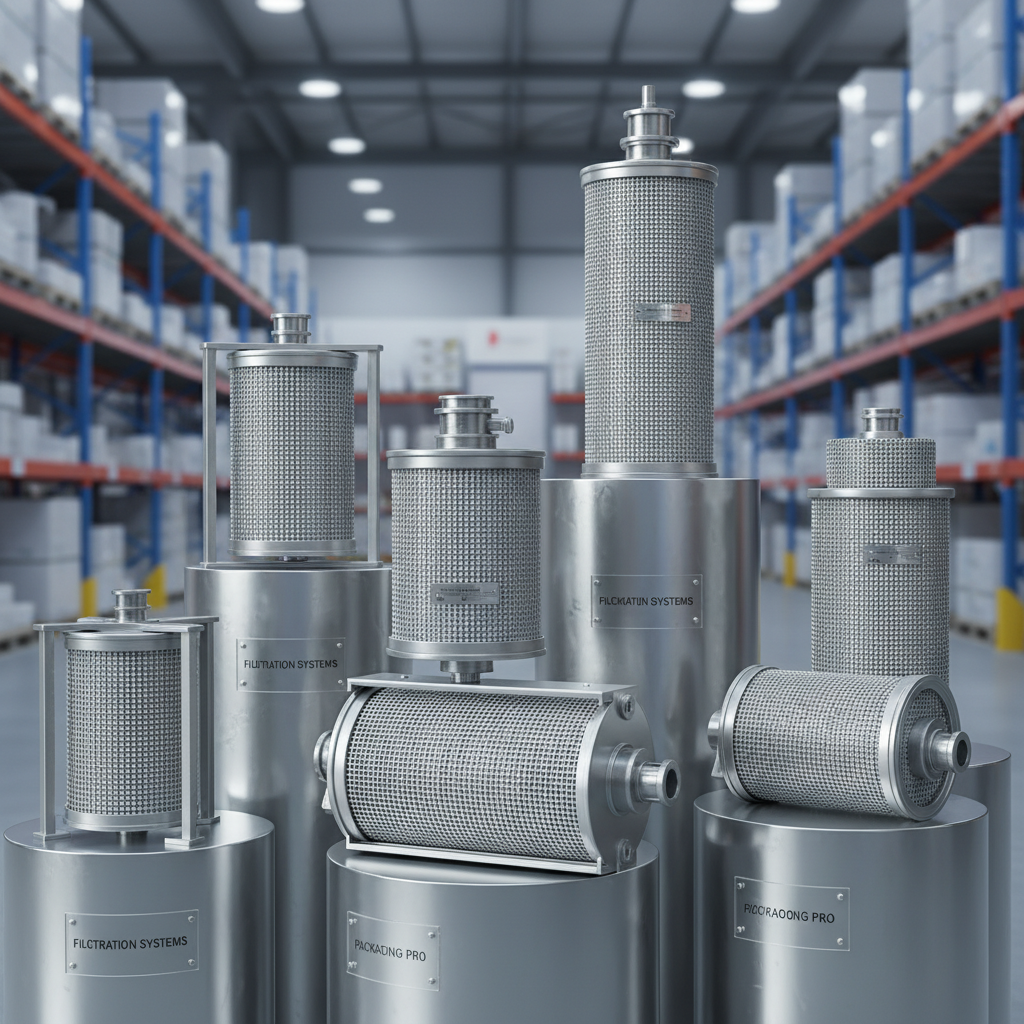
Industrial Plants: Reducing particulate pollution and protecting machinery in steel mills, chemical factories, and more.
-
Disaster Relief: In post-flood or wildfire zones, mobile filtering units with robust media improve air quality for displaced populations.
-
Urban Centers: Public transit systems and commercial buildings rely on advanced filter media to reduce smog impact.
-
Clean Energy Sites: Wind turbine facilities and solar panel manufacturers often require ultra-clean environments.
For instance, after a major wildfire in California, emergency shelters equipped with HEPA-grade air filter media helped reduce respiratory issues among evacuees—a small tech detail making a big difference on the ground.
Mini takeaway: Air filter media’s reach spans harsh industrial zones to delicate hospitals and emergency shelters, demonstrating their indispensable versatility.
The Advantages of Investing in Quality Air Filter Media
Why bother? Advanced filter media bring a host of benefits:
-
Health & Safety: Fewer airborne contaminants mean fewer illnesses and allergies.
-
Cost Savings: Efficiency reduces energy consumption and maintenance frequency.
-
Environmental Impact: Sustainable media align with green building codes and reduce landfill waste.
-
Trust & Comfort: Businesses and residents feel safer knowing they breathe cleaner air.
It’s easy to overlook how much peace of mind good air quality brings. It fosters dignity, productivity, and innovation—precious commodities these days.
Mini takeaway: Quality air filter media provide bottom-line value and touch lives in profound, often invisible ways.
What’s Next? Emerging Trends in Air Filter Media
The world of air filtration is buzzing with innovation:
-
Nanofiber Technology: Offers ultra-fine particle capture with lower pressure drops.
-
Smart Filters: Embedded sensors now monitor saturation, air quality, and performance in real time.
-
Eco-friendly Materials: Renewably sourced or biodegradable media cut down waste.
-
3D Printing & Custom Designs: Allow rapid prototyping for specialized industrial applications.
-
Regulation Boosts: Tighter emission laws (e.g., EU’s Clean Air Package) push continuous improvement.
Frankly, keeping up with these trends feels like a must for manufacturers and end-users alike.
Common Challenges and How Experts Are Tackling Them
Despite progress, several issues persist:
-
Filter Clogging: Rapid dust buildup reduces efficiency—innovation in self-cleaning coatings is underway.
-
Cost Barriers: Especially for low-income regions; some companies explore modular or reusable media.
-
Disposal & Recycling: Many media still end up in landfills; pushing circular economy models is critical.
-
Compatibility: Not all filters work in all HVAC systems, requiring better standardization and customization tools.
Experts suggest hybrid media combining synthetic and natural fibers, plus AI-driven selection tools, as promising ways forward.
FAQ: Frequently Asked Questions About Air Filter Media
- Q: How do I know which air filter media is right for my building's HVAC system?
A: Start by checking your system's specifications for filter size and minimum efficiency reporting value (MERV) rating. For sensitive environments like healthcare, HEPA-grade media are preferred. For general commercial buildings, high-MERV synthetic media can balance cost and performance.
- Q: Can air filter media help reduce virus transmission indoors?
A: Yes. Certain high-efficiency media (HEPA or ULPA) effectively trap airborne pathogens, reducing transmission risk. Regular filter replacement and proper airflow management also matter.
- Q: What is the typical lifespan of air filter media?
A: It varies widely — from a few months in dusty industrial settings to over a year in cleaner office environments. Monitoring pressure drop and visible buildup helps determine replacement timing.
- Q: Are there environmentally friendly air filter media options?
A: Definitely. Materials like biodegradable fibers and recycled plastics are gaining traction. Additionally, some brands offer reusable filter frames with replaceable media to reduce waste.
- Q: How do I maintain air filter media to get the best performance?
A: Regular inspection and replacement when clogged are key. Avoid attempts to clean disposable media to prevent damage. For washable types, follow manufacturer guidelines on cleaning to retain integrity.
Product Specification Table: Example High-Performance Air Filter Media
| Feature |
Specification |
Benefit |
| Material |
Nanofiber Composite |
High filtration; lightweight |
| Efficiency |
≥99.97% @ 0.3 μm (HEPA standard) |
Captures fine PM and pathogens |
| Pressure Drop |
≤ 75 Pa at rated airflow |
Energy efficient airflow |
| Lifespan |
6 to 12 months (typical conditions) |
Cost-effective, reliable use |
| Recyclability |
70% recyclable components |
Supports sustainability goals |
Vendor Comparison: Leading Air Filter Media Providers
| Vendor |
Filtration Tech |
Sustainability |
Price Range |
Ideal Use Case |
| PureAir Filters |
Nanofiber & Pleated Synthetic |
Moderate (partial recyclability) |
$$$ |
Healthcare & Clean Rooms |
| EcoGuard Media |
Biodegradable Fibers |
High (fully compostable options) |
$$ |
Residential & Light Commercial |
| IndustrialFlow |
Synthetic Membranes & Self-Cleaning |
Low (focus on performance) |
$$$$ |
Heavy Industry & Mining |
Conclusion: The Future Is Clear(er) Air
Air filter media aren’t flashy, but they sure are foundational. They intertwine with global health, industrial evolution, and environmental stewardship in profound ways. Investing a bit of curiosity and care here pays dividends in cleaner workplaces, safer homes, and healthier communities. If you want to dive deeper or explore what’s next in filtration tech, I’d suggest checking out the latest at
Anya Filter Media—they’re pushing boundaries with smart and sustainable solutions.
Stay curious—because breathing well is, after all, one of life’s simplest joys.
References & Further Reading
- World Health Organization: Air Pollution
- ISO 16890 Air Filter Testing Standards
- United Nations Sustainable Development Goal 3 - Good Health and Well-being