Why the Cabin Filter Side Strip Matters More Than You Think
If you’ve ever fiddled with your car’s air conditioning or noticed that oddly shaped rubber or foam lining near your vehicle’s cabin filter, you’ve encountered a cabin filter side strip in action. While it sounds niche — and honestly, a bit overlooked — this small component plays an outsized role in air quality, filtration efficiency, and, by extension, our health and comfort inside vehicles. Given the growing global demand for cleaner air and eco-friendly automotive parts, understanding this little hero is more timely than ever.
Globally, air pollution remains among the top environmental risks to health, according to the World Health Organization (WHO). Vehicles emit a significant portion of these pollutants, and ironically, their interiors can trap stale or contaminated air if not properly sealed and filtered. This is precisely where the cabin filter side strip shines — it bolsters the filtering system, preventing leaks, and ensuring fresh airflow inside the vehicle. So, it’s more than a strip — it’s part of a worldwide health puzzle, quietly solving the problems many don’t even notice.
The Global Context: Air Quality and Automotive Challenges
Before diving into the specifics, let’s paint the bigger picture. Around the world, urban air quality standards are tightening. The International Organization for Standardization (ISO) frequently updates standards around automotive cabin air filters, emphasizing the importance of proper sealing materials like side strips. Poorly sealed filters allow air to bypass the filtering media, rendering the effort nearly useless.
Combine this with increasing use of advanced filtration media — including HEPA-grade filters in premium vehicles — and the need for a reliable cabin filter side strip becomes obvious. These strips serve as a physical seal, preventing leakage, dust ingress, and ensuring filtration efficiency can reach its true potential.
Let’s be frank: if your cabin air filter’s side strip isn’t doing its job, you’re breathing the same dirty air outside — or worse, trapped pollutants inside. This is a problem worldwide, especially in cities with heavy traffic like Delhi, Beijing, and Mexico City. Even emerging nations recognize this — cleaner vehicles and better cabin air systems are priority investments.
What Exactly Is a Cabin Filter Side Strip?
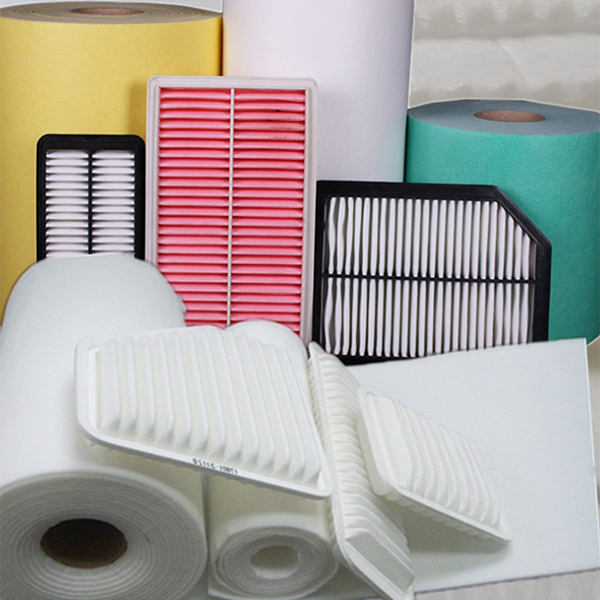
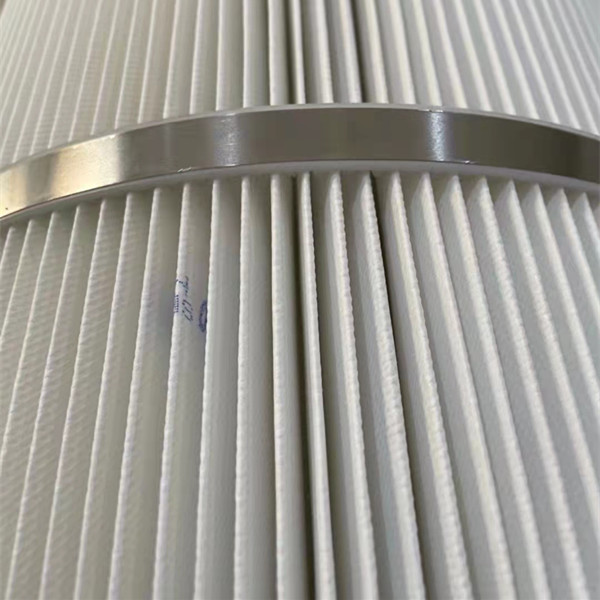
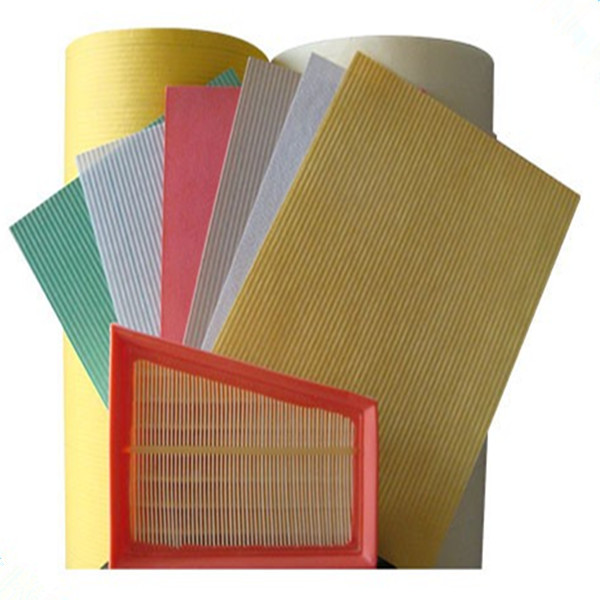
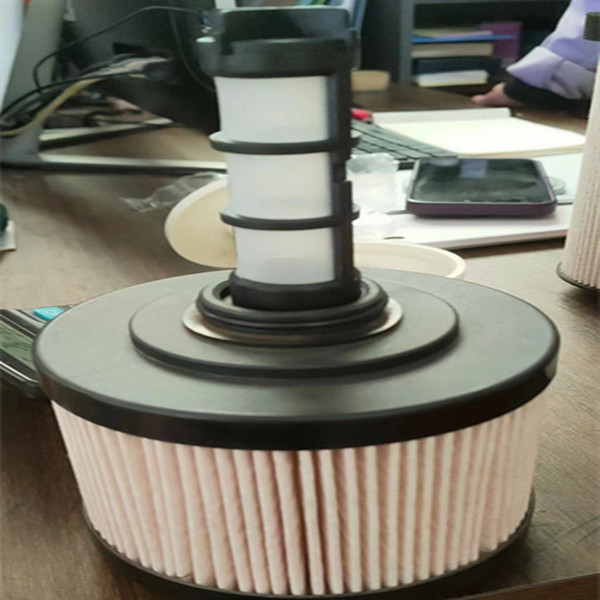
Simply put, a cabin filter side strip is a gasket-like component that fits around the edges of a car’s cabin air filter. Imagine the filter as a fine mesh net catching all the dust, pollen, and particulate matter. The side strip is the seal that makes sure air can only pass through the net — not around it.
In automotive design, the side strip usually consists of foam, rubber, or other elastomeric material tailored to withstand heat, humidity, and vibration. Without it, the filter would wiggle loose, or air would find shortcuts, drastically reducing filtration quality and comfort inside the vehicle. You could call it the unsung “guardian” of cabin air purity.
Core Components and Qualities of Cabin Filter Side Strips
1. Durability and Material Composition
Most side strips are made from ethylene propylene diene monomer (EPDM) rubber or polyurethane foam. These materials resist UV rays, temperature fluctuations, and chemical exposure — vital since filters sit near heaters and air conditioners with varying climates inside a car.
2. Seal Efficiency and Flexibility
The purpose is latency-resistant sealing; the strip needs to compress enough to fill gaps but not so much that it damages the filter or housing. Designers tend to fine-tune thickness and durometer (hardness) for perfect balance.
3. Compatibility and Customization
Different car makes and models require specific side strip dimensions and adhesive properties. This is especially true in electric vehicles where tighter seals help prevent energy loss and improve HVAC efficiency.
4. Environmental Resistance
Some side strips boast anti-microbial coatings or weather-proof treatments to cope with humidity or mold formation — ensuring longevity in tropical or humid climates.
Cabin Filter Side Strip in the Real World: Application and Industry Examples
Automakers around the world integrate cabin filter side strips into their cabin air filters for passenger vehicles, trucks, and even heavy equipment. For instance, Toyota utilizes EPDM foam strips optimized for buffer zones in their mid-sized sedans, ensuring comfort on long commutes in Tokyo’s smog-laden atmosphere.
In Europe, where regulations urge continuous improvement in cabin air quality, manufacturers often upgrade side strips to work alongside activated carbon filters that trap odors and volatile organic compounds (VOCs). Likewise, in North America, OEMs like Ford and GM include rigorous testing protocols to ensure side strip adhesion during extreme weather cycles.
Mini Takeaway:
- Cabin filter side strips ensure filtered air doesn’t bypass your filter media.
- Local climate and vehicle design strongly dictate strip material and form.
- Global OEMs rely on these strips to meet increasingly strict air quality demands.
Advantages and Long-Term Value Behind the Side Strip
It might seem like a minor part, but the cabin filter side strip offers benefits reaching far beyond the immediate:
- Cost Efficiency: Filtering efficiency reduces the need for expensive air-conditioning repairs and improves cabin climate control.
- Sustainability: Better sealing means less frequent filter replacements and less waste generated.
- Health and Comfort: Improved air quality reduces allergens and pollutants, protecting passengers — especially those prone to asthma or allergies.
- Reliability: Side strips help maintain consistent airflow, enhancing HVAC system performance and saving energy.
Interestingly, some drivers report noticeably fresher air shortly after installing a new cabin filter with a premium side strip — a small comfort but one that creates brand trust and loyalty.
Product Specification Table: Typical Cabin Filter Side Strip
| Property | Value/Range | Notes |
|---|---|---|
| Material | EPDM Rubber / Polyurethane Foam | UV & chemical resistant |
| Thickness | 3 - 8 mm | Depends on model and compression needs |
| Hardness (Durometer) | 25 - 45 Shore A | Balances seal and flexibility |
| Operating Temp. | -40°C to 90°C | Suitable for most climates |
| Adhesive Type | Acrylic or Silicone-based | Strong, heat-resistant bond |
How Leading Vendors Stack Up in Cabin Filter Side Strips
| Vendor | Materials Used | Customization Options | Typical Clients | Lead Time |
|---|---|---|---|---|
| FlexSeal Technologies | EPDM, Silicone Foam | Thickness, adhesive type | Automotive OEMs, Aftermarket | 4-6 weeks |
| AirGuard Components | Polyurethane, EPDM | Custom lengths, antimicrobial coatings | Bus manufacturers, EV startups | 6-8 weeks |
| SealTech Innovations | Specialty Foam, Silicon | High-temp applications, custom profiles | Heavy machinery, military vehicles | 3-5 weeks |
Looking Ahead: Trends and Innovation in Cabin Filter Side Strips
As automotive and environmental landscapes evolve, so do materials and design philosophies around cabin filter side strips. For starters, many suppliers are experimenting with bio-based and recycled materials to satisfy sustainability goals. The trend pushes towards products that meet ISO 14001 environmental management standards.
Secondly, new adhesive technologies are emerging — they offer better temperature tolerance and faster assembly time, which is key for mass production lines. Oddly enough, digital scanning and 3D printing sometimes get involved here, enabling hyper-customized side strip designs that conform precisely to unique cabin filter shapes rather than relying on standard profiles.
Lastly, consider growing interest in smart HVAC systems that monitor air quality in real-time. Future filters might integrate sensors into the side strips themselves — enabling diagnostic alerts for replacement or leakages in real time.
Challenges & Practical Solutions
Of course, no part is perfect. Some of the big issues revolve around:
- Adhesive degradation after months of heat cycling in the filter housing.
- Material shrinkage which compromises the seal.
- Environmental regulations limiting the use of some synthetic materials.
Innovators counter these issues by reformulating elastomers with better fillers, and adding UV stabilizers — strategies that extend lifespan and maintain flexibility. Testing under real-world conditions, ISO-certified labs validate performance before hitting production lines.
FAQ: Quick Answers About Cabin Filter Side Strips
Q1: How often should a cabin filter side strip be replaced?
Typically, it coincides with the cabin air filter replacement interval, roughly every 12,000 to 15,000 miles or once a year. However, if you notice airflow issues or odors, check the strip for cracks or compression loss earlier.
Q2: Can a damaged side strip affect the performance of my HVAC system?
Yes. A compromised side strip allows air to bypass the filter media, reducing air quality and putting extra strain on the HVAC system as it tries to compensate for poor airflow.
Q3: Are aftermarket side strips as reliable as OEM ones?
Quality varies. Some aftermarket strips perform well and cost less, but others use inferior materials or adhesives. Always choose reputable brands or consult your vehicle’s manual.
Q4: Can a cabin filter side strip be customized for electric vehicles?
Absolutely. EVs often require tighter seals due to different heating and cooling dynamics. Vendors offer customizable strips with enhanced material specs to meet these needs.
Q5: How do environmental conditions affect side strip lifespan?
Exposure to extreme heat, humidity, or UV radiation can cause material degradation. Selecting resistant materials and coatings extends operational life in harsh climates.
Conclusion: The Small Component Making a Big Difference
In the grand scheme, the humble cabin filter side strip may seem like a tiny piece of the puzzle, but it’s indispensable for ensuring the air we breathe inside vehicles is as clean as possible. Whether you’re an engineer, fleet manager, or just someone who values in-car comfort, appreciating the role of this seal can influence maintenance decisions and push for better product choices.
Manufacturers continue to innovate in materials, design, and sustainability, adapting to changing market demands and environmental concerns. So, next time you replace a cabin filter, don’t overlook that side strip — it’s doing more than you realize.
Curious to learn more about the latest products and technologies for cabin air quality? Visit our page on cabin filter side strip for expert guides, product options, and industry insights.
References
Post time: Nov-29-2025