Understanding H11 Glassfiber Air Filter Paper and Its Global Importance
If you’ve ever wondered how clean air is maintained in industrial or environmental settings, the h11 glassfiber air filter paper plays a quiet but crucial role. Globally, air quality management isn’t just about breathing easier — it’s about safeguarding health, optimizing machinery, and even protecting the environment from harmful particulates. That’s why understanding the nuances of filter media like the h11 glassfiber air filter paper matters so much in various sectors, from factories to disaster zones.
To put it simply: this isn't just some industrial knick-knack. It's a piece that ensures that air we rely on, inside and outside, remains as pure as possible, influencing everything from worker safety to equipment longevity.
Global and Industry Context: Why H11 Glassfiber Air Filter Paper Matters
According to the World Health Organization, over 90% of the world’s population breathes polluted air, leading to millions of premature deaths annually. Industrial growth, urbanization, and climate change have all contributed to intensified emissions and particulate pollution. This problem impacts not only human health but also industrial machinery — clogging, wearing down, or disrupting delicate processes.
In these contexts, air filter standards like the H11 class (per EN 1822) become essential. The H11 rating refers to a filter’s ability to capture fine particles of around 0.3 microns with an efficiency typically above 95%. Glassfiber filter media — well, it’s known for its durability and contaminant-resistant structure.
With rising regulatory pressure on emissions, equipment manufacturers and environmental agencies often turn to h11 glassfiber air filter paper to meet filtration needs without costly downtime or replacements.
Definition & Meaning: What Exactly Is H11 Glassfiber Air Filter Paper?
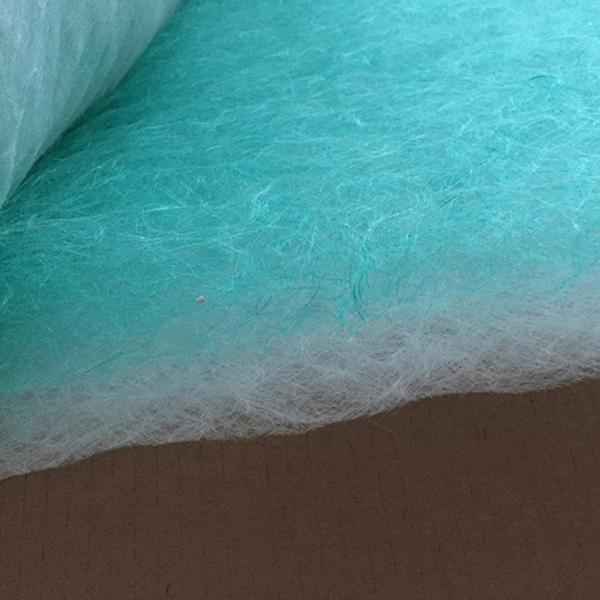
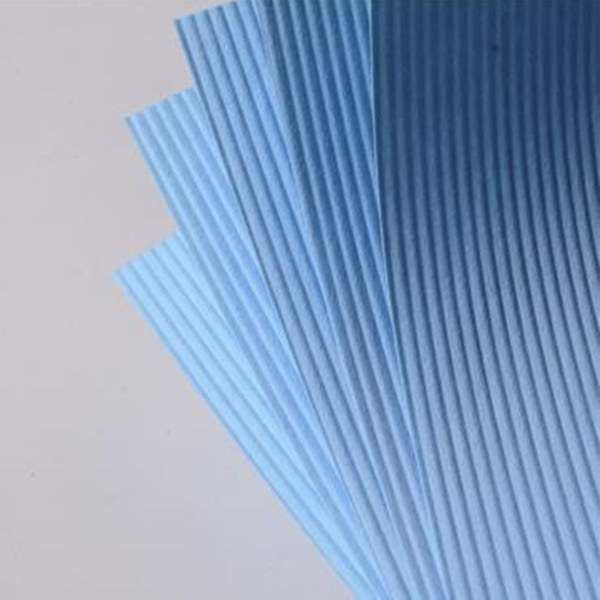
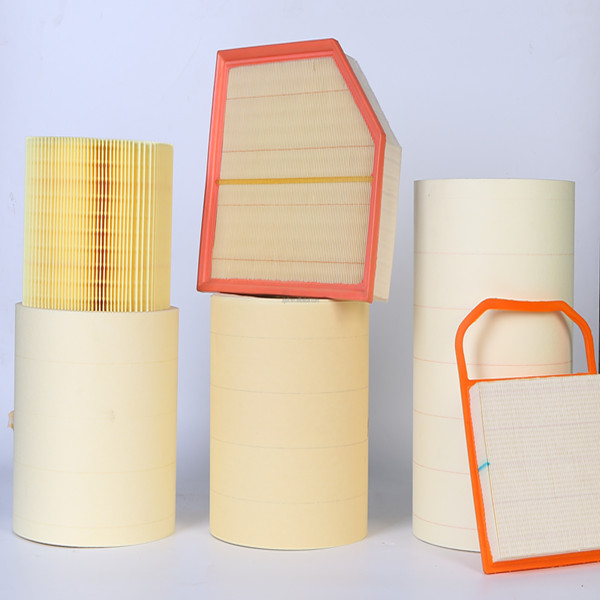
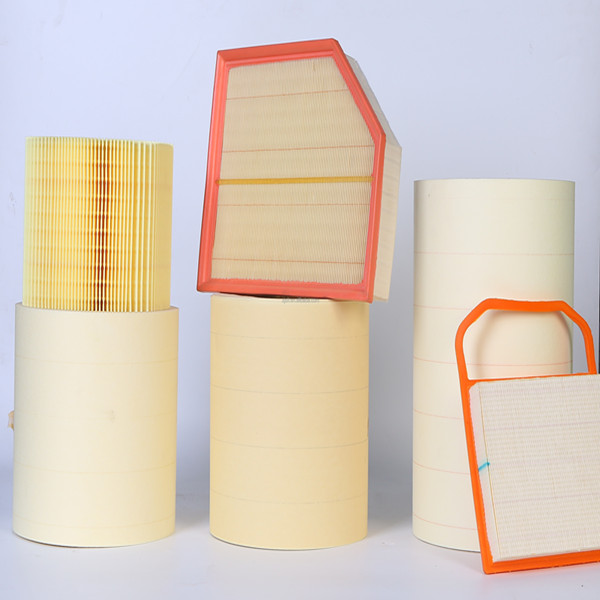
In straightforward terms, h11 glassfiber air filter paper is a type of filter media made primarily from fine glass fibers, designed to trap particulate matter efficiently in air filtration systems. The “H11” part references a European standard filter class, denoting its capability to catch very fine airborne particles.
This type of filter paper bridges technical industrial needs with broader humanitarian concerns. From hospitals ensuring sterile environments to manufacturing plants seeking clean-air protocols—these filters are the unsung heroes.
Key Factors of H11 Glassfiber Air Filter Paper
1. Durability and Thermal Resistance
Because these glass fibers withstand heat and chemical exposure better than synthetic fibers, the filter performed well in intense industrial conditions — think boilers or high-temp air intake systems.
2. High Filtration Efficiency
The microscopic glass fibers form a dense yet breathable matrix, capturing particles like dust, pollen, bacteria, and more than 95% of submicron particles. This makes it highly effective in cleanrooms or HVAC systems.
3. Cost Efficiency
While the initial cost can be higher than basic filters, their lifespan and performance often reduce operational expenses, avoiding frequent replacements or machinery breakdowns.
4. Scalability and Customization
Filters can be manufactured in various sizes and thicknesses to fit specific equipment or filtration requirements, which is vital as industries vary greatly in needs.
5. Environmental Compatibility
Glassfiber media are often recyclable and contain no harmful binders — a small but important fact for sustainability-minded enterprises.
Product Specification Table of Typical H11 Glassfiber Air Filter Paper
| Parameter | Specification |
|---|---|
| Fiber Type | E-Glass Microfibers |
| Thickness | 1.0 - 1.5 mm |
| Filtration Efficiency (0.3 μm) | ≥ 95% |
| Max Operating Temp | 280°C (536°F) |
| Air Flow Rate | Up to 450 m³/h/m² |
Global Applications & Real-World Use Cases
- Industrial Manufacturing: Heavy industries like steel, automotive, and pharmaceuticals rely on h11 glassfiber air filter paper to keep contaminants at bay and maintain machine efficiency.
- Healthcare & Laboratories: Ensuring sterile, particle-free environments to protect patients and sensitive experiments alike.
- Post-Disaster Relief: Rapidly deployable air filtration units utilize these filters to provide clean air in makeshift medical tents or shelters.
- Remote Energy Plants: Gas turbines and geothermal plants in remote areas require robust filtration capable of high temperatures and rough air quality.
For instance, after wildfires in California, several hospitals upgraded their HVAC systems with H11-grade filters made from glassfiber paper to prevent smoke particulates from compromising indoor air quality — saving both lives and costly infrastructure.
Advantages & Long-Term Value
The more you dig into it, the better it gets. Using h11 glassfiber air filter paper generally means longer equipment life, fewer system shutdowns, and a notable reduction in airborne pollutants.
There’s also a social dimension: cleaner workplaces mean healthier employees — less sick leave, better performance. From an environmental angle, durable filters imply less waste; also, these materials are more benign when it comes to disposal.
Ultimately, investing in quality filter media feels like an investment in trust and safety — intangible but invaluable.
Vendor Comparison Table: Leading H11 Glassfiber Air Filter Paper Providers
| Vendor | Average Cost (USD/m²) | Typical Lead Time | Customization Options | Sustainability Certifications |
|---|---|---|---|---|
| AnyA Filter Media | $18 - $22 | 2-3 weeks | Thickness & Density | ISO 14001 |
| FiberTech Solutions | $20 - $25 | 3-4 weeks | Custom Shapes & Sizes | LEED Compliance |
| PureAir Components | $15 - $20 | 1-2 weeks | Standard Sizes | None |
Future Trends & Innovations
Looking ahead, the filtration industry is flirting with nanotechnology, improving the glass fibers even further to capture ultrafine particles with high airflow and minimal pressure drop. Green manufacturing practices are also gaining momentum — recycling old filter media and using less energy-intensive processes.
Digital monitoring of filter life via IoT sensors means filters won’t be replaced too soon or too late, saving resources. This is incredibly relevant in global supply chains and remote industrial setups, where every bit of efficiency counts.
Challenges & Solutions
No product is perfect, of course. One challenge with h11 glassfiber air filter paper is fragility during handling and installation — the fine fibers can break, reducing efficiency. To counter that, manufacturers use binders or protective layers, albeit with some compromise on breathability.
Another consideration is cost — not everyone can afford top-grade filtration. In such cases, combining glassfiber paper with other filtration stages often works well, striking a balance between performance and budget.
FAQ: Frequently Asked Questions About H11 Glassfiber Air Filter Paper
- Q: How long does h11 glassfiber air filter paper typically last in industrial use?
A: Lifespan varies by environment but generally ranges from 6 to 12 months. High particulate loads or humidity shorten this. Regular monitoring is recommended for optimal filter replacement timing. - Q: Can this filter paper be customized for sensitive medical equipment?
A: Yes, manufacturers often tailor thickness, size, and density to meet sterile and precise airflow needs common in medical cleanrooms and labs. - Q: What temperature ranges can h11 glassfiber air filter paper withstand?
A: Typical max operating temperatures reach around 280°C (536°F), suitable for many industrial heating scenarios. - Q: Is it feasible to recycle or safely dispose of used glassfiber filter media?
A: Many facilities follow local regulations. While glass fibers can be recyclable, contamination often dictates treatment as industrial waste unless cleaned properly. - Q: How do I choose between h11 and other filter classes?
A: Selection depends on the minimum particle size you must filter and airflow demands. H11 is a great mid-high efficiency rating for fine particle control without extreme pressures or costs.
Conclusion & Call to Action
In conclusion, the h11 glassfiber air filter paper is an essential component in keeping our air clean, machines humming, and environments safer, especially when the stakes are high. Its blend of durability, efficiency, and adaptability means it's only going to grow in importance as industries and humanitarian efforts globalize.
Feel free to explore more and find customized solutions tailored to your industry or region by visiting https://www.anyafiltermedia.com. After all, clean air is something we all share.
Mini takeaway: Good filtration isn’t just technical—it’s a silent commitment to health, sustainability, and innovation.
References:
1. World Health Organization – Air Pollution
2. Wikipedia – HEPA Filter Standards
3. ISO Standards for Air Filters
Post time: Dec-02-2025