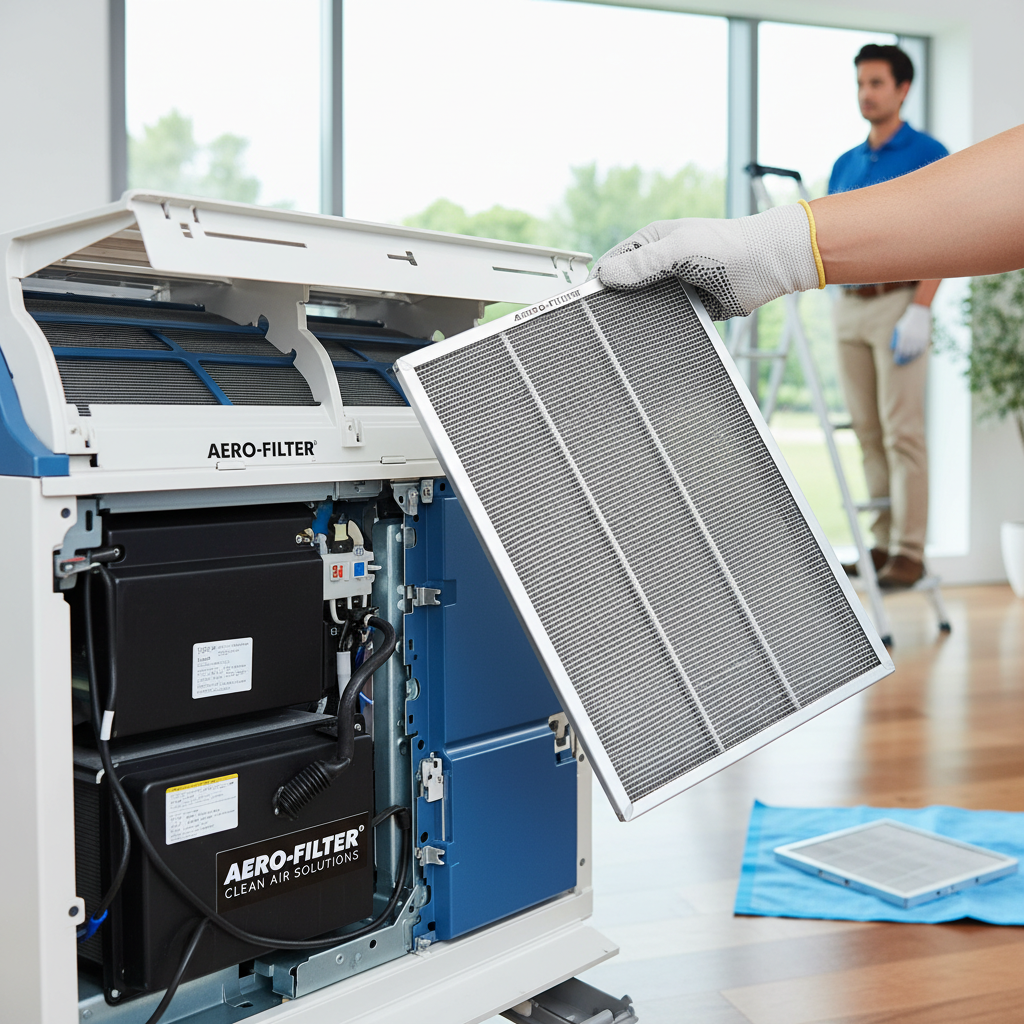
Understanding the Role of a Filter End Cap: Small Part, Big Impact
It might seem, at first glance, that a filter end cap is just a tiny accessory tucked away inside a larger filter assembly. But, in truth, this little component plays a crucial role in optimizing filtration systems—systems that touch everything from drinking water safety to industrial air quality control. Globally, clean water and contaminant-free air are not just conveniences, but necessities for healthy living and sustainable industry.
Filter end caps help maintain the integrity and efficiency of filters by sealing ends, supporting media elements, and preventing leakage. By understanding their design, function, and application, industries worldwide can ensure better filtration processes, reducing waste and improving reliability. This matters far beyond factory floors; it impacts communities, ecosystems, and economies — especially in regions where access to clean resources is limited.
The Global Context: Why Filter End Caps Matter Everywhere
Did you know that according to the United Nations, about 2.2 billion people lack safely managed drinking water? Industrial pollution and airborne contaminants affect billions more. Filter systems—be they in water plants, industrial air scrubbers, or humanitarian aid kits—rely heavily on their components' quality.
Filter end caps may seem like a niche product, but their global footprint is vast. They’re essential in treatment plants in Europe, in air filtration units running nonstop in factories across Asia, and in emergency water kits distributed by NGOs in disaster zones. Poorly made or incompatible end caps risk leakage or media damage, leading to contamination or costly downtime.
So, the challenge is clear: create and specify filter end caps that deliver durability, compatibility, and performance at scale. And do it fast enough to keep up with expanding industrial demand and humanitarian needs.
What Exactly Is a Filter End Cap?
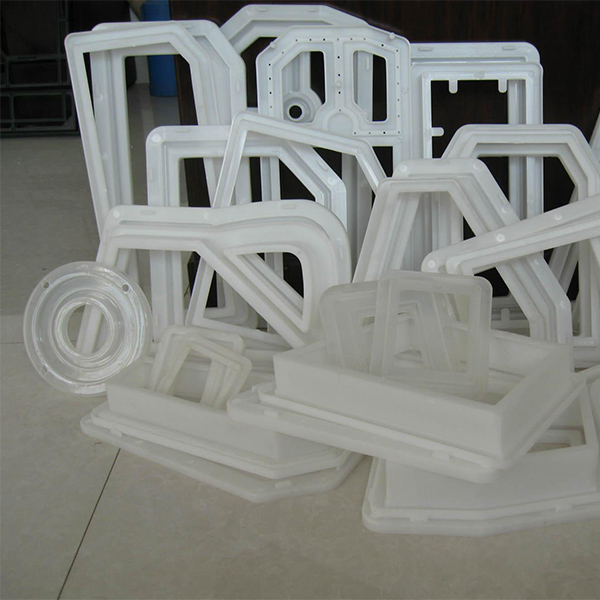
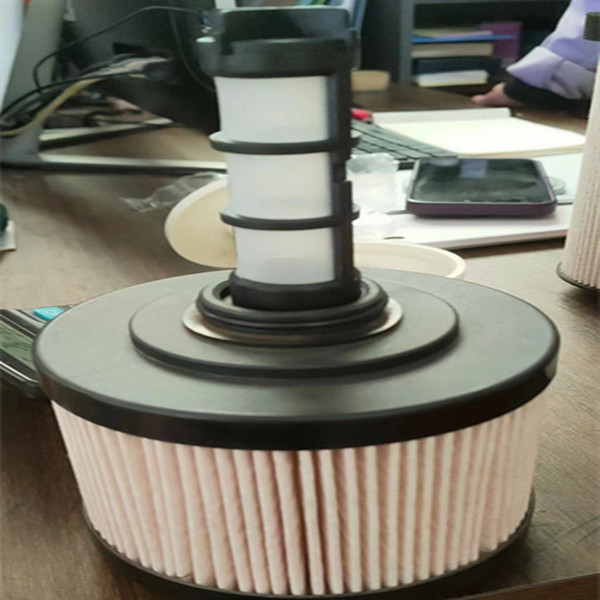
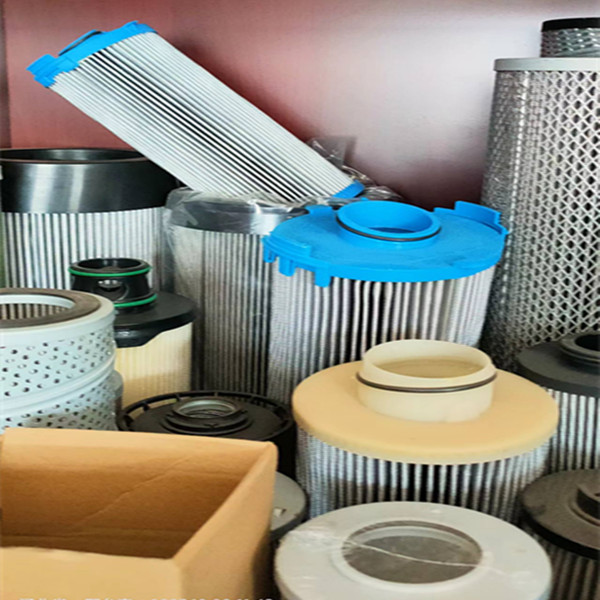
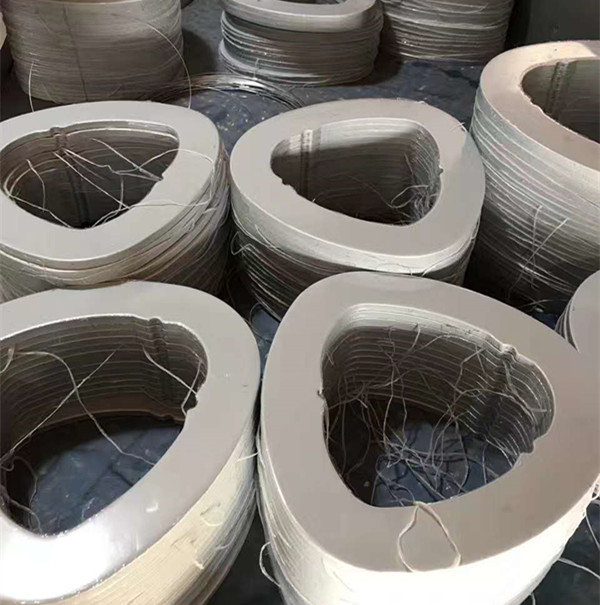
At its core, a filter end cap is a shaped cover, typically molded from plastics, rubber, or metal, that fits snugly onto the ends of filter elements. Its job? Seal and support the filtering media (like pleated cartridges or spun fibers), maintain structural integrity, and prevent unfiltered fluid or gases from bypassing the filter medium.
Think of it like the lid on a jar—but highly engineered. Without proper end caps, filter media might warp, leak, or disintegrate under pressure. This simple part thus safeguards both the filter’s performance and longevity, which in turn ensures safe outputs, whether that be potable water or clean factory air.
In modern industries, from pharmaceuticals to food processing to air purification, filter end caps need to meet rigorous material and design standards. Often, they have to resist chemicals, high temperatures, or mechanical stress, tying directly into broader humanitarian and sustainability goals like reducing operational waste or preventing toxic exposures.
Key Factors to Consider for Reliable Filter End Caps
1. Material Durability & Chemical Resistance
Depending on the filtered substance, end caps may be exposed to corrosive chemicals or extreme temperatures. Materials like polypropylene, stainless steel, or polyurethane blends are popular choices for their durability and resistance. For example, infections control filters need FDA-approved, inert materials to prevent contamination.
2. Precise Fit & Seal Integrity
A perfect seal between the end cap and filter media prevents bypass flow, the nemesis of filtration systems. Tolerances as tight as tenths of a millimeter keep the system leak-proof. Designs often feature molded slots or foamed seals to lock media firmly and prevent dust or fluid leakage.
3. Compatibility & Customizability
Filters come in all shapes and sizes, so end caps often have to be custom molded or flexibly designed to fit various diameters and lengths. Some manufacturers offer modular end cap systems, making replacements or system changes smoother.
4. Environmental & Regulatory Compliance
Increasingly, materials recovered from recycled sources or those that meet regulations like ISO 9001 and NSF standards are in demand. Sustainability in production ensures these parts contribute to a green supply chain.
5. Cost Efficiency Without Sacrificing Quality
It's tempting to opt for cheaper caps, but many engineers warn that subpar materials or poor design end up costing more through premature failures or downtime. Investment in quality pays off in reliability and less waste.
Product Specification Table: Typical Filter End Cap Features
| Specification | Value / Range | Notes |
|---|---|---|
| Material | Polypropylene, Stainless Steel, Polyurethane | Chemical and temperature resistance dependent |
| Operating Temperature | -20°C to 121°C (typical) | Varies by material |
| Seal Type | Foamed gasket, molded lip, O-ring compatible | Critical for leak prevention |
| Size Range | 1" to 6" diameter, lengths vary | Customization available |
| Compliance | ISO 9001, NSF/ANSI 61 | Ensures health and safety |
How Filter End Caps Serve Diverse Industries Across the Globe
Whether you’re in a chemical plant in Germany, a water treatment facility in Kenya, or an air purification system in a manufacturing hub in China, the filter end cap quietly ensures things flow as they should.
- Water Treatment: Protects filter media in municipal water and wastewater plants, especially important in regions facing water scarcity.
- Pharmaceutical and Food: Assures sterility and compliance with strict hygiene standards.
- Industrial Filtration: Assists gas, oil, and chemical processing by maintaining filter integrity amid harsh conditions.
- Humanitarian Aid: Enables quick deployment of mobile filtration units in disaster zones, where equipment must be robust but portable.
Here’s a brief customer insight: A non-profit distributing portable water filters in South Asia improved field reliability by switching to molded polyurethane end caps. This simple upgrade saved thousands in maintenance and helped maintain trust with vulnerable communities.
Vendor Comparison: Leading Filter End Cap Suppliers
| Supplier | Material Options | Customization | Typical Lead Time | Certifications |
|---|---|---|---|---|
| Anya Filter Media | Polypropylene, Polyurethane | High (custom molds, sizes) | 4 weeks | ISO 9001, NSF |
| Global Filters Inc. | Stainless Steel, PVC | Medium | 6 weeks | ISO 14001 |
| PureCap Solutions | Polypropylene, EPDM | Low (standard sizes only) | 2 weeks | NSF |
What Makes Filter End Caps a Long-Term Value Investment?
Cost savings aside, which, frankly, isn’t trivial, the reliability and sustainability angles are worth mentioning. A high-quality filter end cap minimizes unplanned replacements, cuts down on waste, and shields downstream users from contamination risks. Many engineers say it’s the difference between a well-oiled filtration system and a headache.
Moreover, reliable filtration systems contribute not just to operational uptime but also to social trust, especially when you consider the emotional gravity of providing clean water to a community or offering safe air in hospitals. There’s dignity in knowing the tiny details behind the scenes are accounted for.
Future Trends: Where Filter End Caps Are Heading
Innovation never sleeps, even for parts as humble as filter end caps. Emerging trends include:
- Use of bio-based or recycled polymers to boost environmental credentials.
- Advanced 3D printing for rapid prototyping and custom-fit production.
- Smarter materials: shape memory polymers that adapt under pressure.
- Integration with digital sensors for predictive maintenance, alerting users before leaks or failures happen.
All this not only reflects growing environmental awareness but also the digital transformation sweeping industrial supply chains worldwide.
Overcoming Challenges in Filter End Cap Application
Still, a few challenges persist. Manufacturing complexity for custom sizes can cause delays. Incompatibility between certain end caps and filter media leads to premature failures. Also, in harsh environments — think oily or acidic industrial gases — material degradation is a constant worry.
Solutions? Smart material selection guided by thorough industry testing, and tighter collaboration between end users and vendors. I noticed companies who engage early with their suppliers get much better outcomes—sometimes even avoiding costly redesigns down the road.
FAQ: Frequently Asked Questions About Filter End Caps
Q1: How do I know which material is best for my filter end cap?
A: The material choice depends on your application's chemical exposure, temperature, and mechanical stress. Polypropylene suits many aqueous applications, while stainless steel or polyurethane might be needed for aggressive chemicals or high heat. Always verify regulatory compliance for your industry.
Q2: Can filter end caps be customized for unusual filter sizes?
A: Absolutely. Many suppliers offer custom molding or modular solutions tailored to your filter dimensions and requirements, ensuring tight seal and optimal fit.
Q3: How often should filter end caps be replaced?
A: It depends on operational conditions. Regular inspections during filter changes help spot signs of wear or leakage. With good materials, end caps can last multiple filter cycles but always prioritize safety and performance.
Q4: Are filter end caps recyclable or environmentally friendly?
A: Increasingly, yes. Many manufacturers now produce end caps from recyclable plastics or use biopolymers. Check supplier certifications and ask about sustainability initiatives.
Q5: Can poor quality end caps cause filter failure?
A: Definitely. Inferior end caps risk leaks, media damage, or total system failure, leading to contamination or downtime. Investing in quality saves headaches later.
Conclusion: Small Components, Big Benefits
In real terms, the filter end cap might be just one piece among many in filtration systems, but getting it right is non-negotiable. From protecting human health to enabling green industry practices, this modest component quietly upholds standards worldwide. Understanding its role and investing in quality and innovation offers long-term dividends in sustainability, safety, and cost-efficiency.
Ready to explore top-quality filter end caps designed for your needs? Visit filter end cap specialists today for expert guidance and solutions tailored to your applications.
References
Post time: Dec-01-2025