Understanding F9 Pocket Filter Media: A Key Player in Air Filtration Technology
In today’s industrial and environmental landscape, f9 pocket filter media is more than just a technical component—it's a linchpin in ensuring cleaner, healthier air worldwide. With air quality concerns climbing globally, especially in urban and manufacturing areas, understanding what F9 pocket filter media does, and why it matters, is crucial both for industry professionals and environmental advocates alike. Whether it's protecting hospital patients, safeguarding manufacturing cleanrooms, or reducing pollution emissions, this type of filter media is quietly working behind the scenes to uphold air purity and safety.
Globally, factors such as rising urbanization and stricter environmental regulations push industries to seek more efficient filtration solutions. According to the ISO standards on air filters, filters rated F9 must capture very fine particles effectively, presenting a tough challenge for manufacturers and users. The benefits of mastering F9 pocket filter media translate directly into health improvements, energy savings, and compliance with environmental safety laws.
What Exactly is F9 Pocket Filter Media?
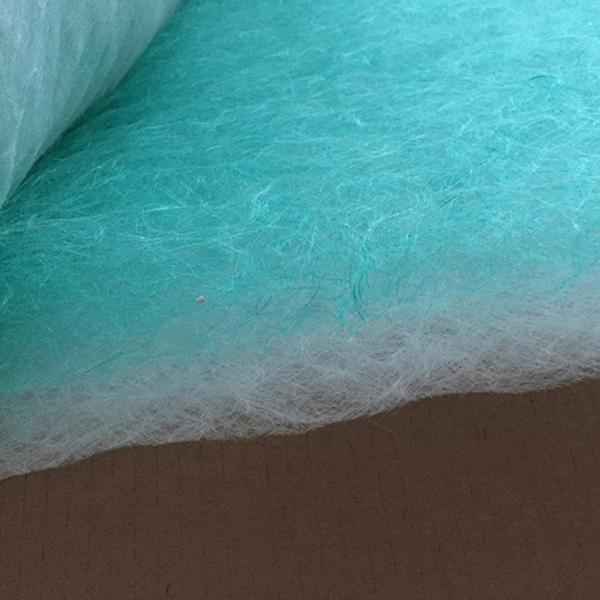
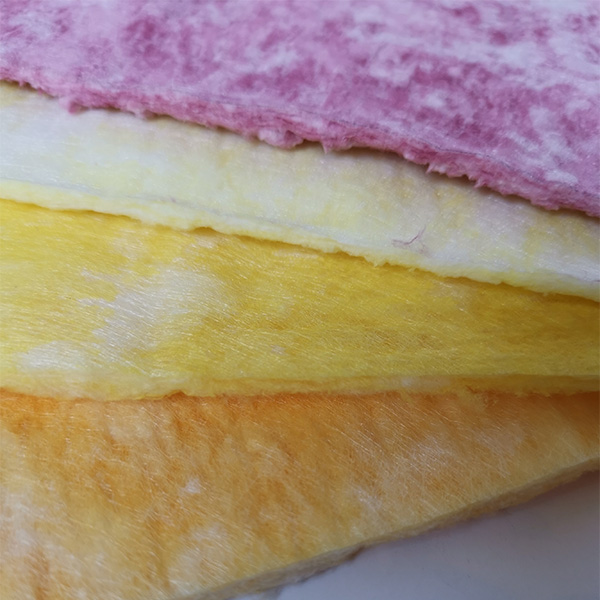
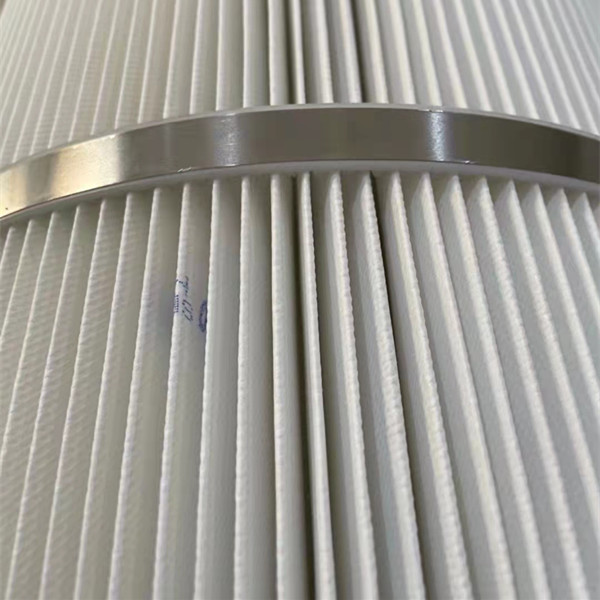
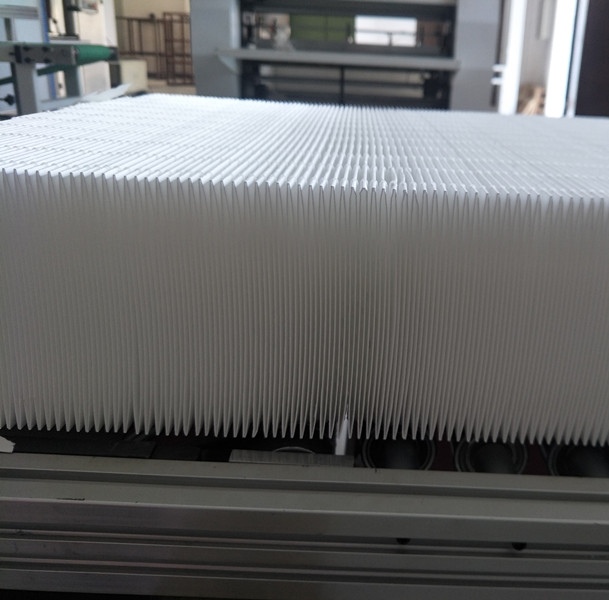
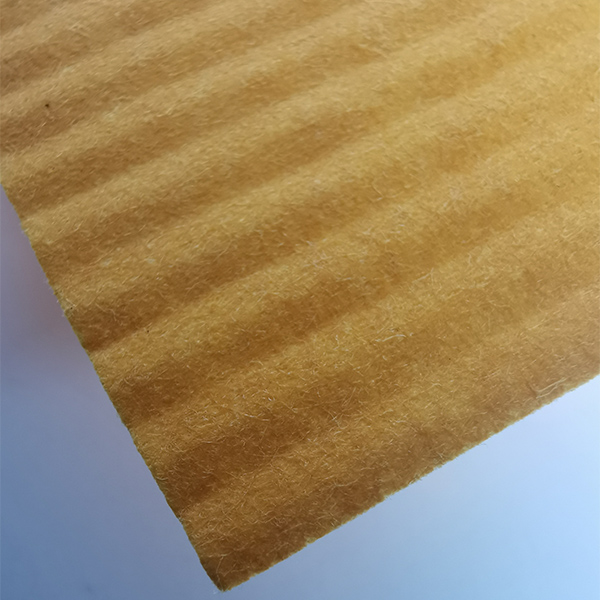
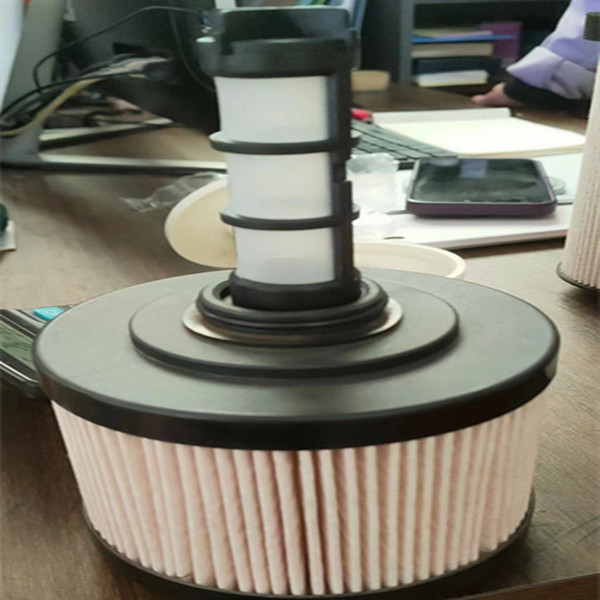
Plainly put, F9 pocket filter media refers to a specific grade of synthetic or fiberglass filter fabric used inside pocket (or bag) filters. These filters are designed to capture fine particulate matter down to submicron levels, corresponding to high filter efficiency under the ISO 16890 or EN 779 standards. You might find F9 filters in HVAC systems of commercial buildings, hospitals, or even critical semiconductor manufacturing spaces. Their role? To trap dust, pollen, bacteria, and similar airborne contaminants before they enter breathing or sensitive process areas.
In essence, it's the “high-efficiency catcher” embedded in box-like pockets of filter media that balance filtering capability with air flow resistance. This function is vital to modern industry and increasingly important to humanitarian contexts, like emergency shelters, where air quality impacts occupant health directly.
Core Components & Key Factors of F9 Pocket Filter Media
- Filtration Efficiency: F9 filter media typically captures 90% or more of particles sized between 0.4 and 1 micron, making it ideal for fine dust and microscopic contaminants.
- Material Durability: Uses a blend of synthetic fibers engineered for strength, moisture resistance, and longevity in challenging environments.
- Airflow Resistance: Designed to maintain airflow with minimal pressure drop, which saves energy in HVAC systems—critical in large installations.
- Size and Configuration: Pocket filters come in various pocket counts and dimensions, affecting dust holding capacity and filter lifespan.
- Cost Efficiency: While pricier than lower-grade media, the long-term energy savings and extended service intervals often justify the upfront cost.
- Environmental Impact: Recyclability and material sourcing are increasingly significant as industries seek greener solutions.
Mini takeaway: F9 pocket filter media is a careful balancing act of highly effective particle capture and practical usability, designed to last and save energy in equal measure.
Global Applications & Use Cases for F9 Pocket Filter Media
The application of F9 rated pocket filter media spans continents and industries. Let’s consider a few examples:
- Hospitals and Healthcare: In European and North American medical centers, F9 filters serve as a first line of defense protecting sterile environments from airborne pathogens.
- Cleanrooms: Semiconductor foundries in East Asia rely heavily on precise air quality control—F9 pocket filters reduce contamination risks, critical for wafer fabrication.
- Public Infrastructure: Airports and subway stations in major cities like London and New York deploy F9 filters to maintain indoor air quality amidst heavy foot traffic.
- Industrial Sites: Manufacturing plants facing dust, chemical particles, or welding fumes find F9 media indispensable for worker safety and equipment longevity.
- Emergency Relief: In disaster zones, temporary shelters or mobile hospitals use these filters to improve air quality, reducing respiratory issues in stressed populations.
Oddly enough, despite their industrial heft, these filters also find roles in more unexpected places—such as advanced HVAC setups in high-end residential complexes.
Product Specifications of a Typical F9 Pocket Filter Media
| Parameter | Specification |
|---|---|
| Filter Efficiency (MPPS - Most Penetrating Particle Size) | ≥ 90% |
| Initial Pressure Drop | ≤ 180 Pa at 2.5 m/s |
| Recommended Airflow Velocity | 1.5 to 2.5 m/s |
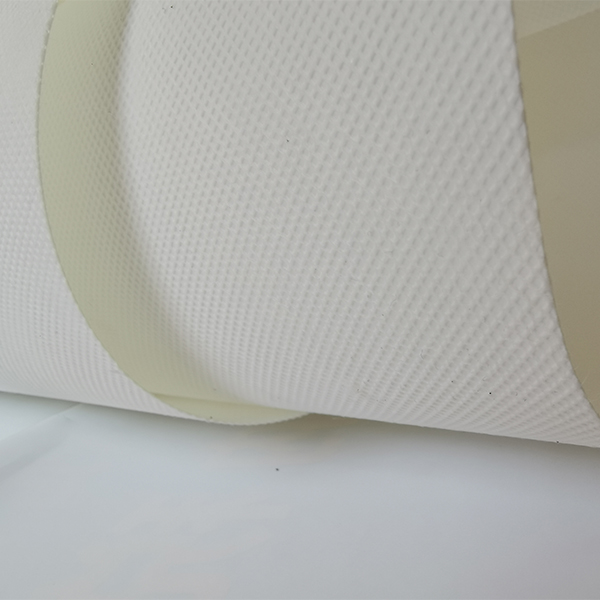
| Media Composition | Electrostatically charged synthetic fibers |
| Max Operating Temperature | 70ºC |
| Dust Holding Capacity | > 850 g/m² |
Comparing Leading Vendors of F9 Pocket Filter Media
| Vendor | Efficiency (%) | Average Lifespan (months) | Cost (USD per m²) | Sustainability Certifications |
|---|---|---|---|---|
| Anya Filter Media | 92% | 8-12 | $9.50 | ISO 14001, REACH Compliant |
| CleanAir Solutions | 90% | 6-10 | $8.80 | OEKO-TEX Certified |
| PureFlow Tech | 91% | 7-11 | $9.20 | ISO 50001 Energy |
Advantages & Long-Term Value of F9 Pocket Filter Media
Besides capturing tiny dust particles, these filters bring a suite of benefits. First is the cost savings: by maintaining airflow efficiently, they reduce energy needed for air handling—an often overlooked but crucial factor. Then there’s sustainability. Many manufacturers now emphasize material recyclability and lower carbon footprints in producing F9 media, aligning with global green goals.
The social value is compelling, too. Hospitals using high-quality F9 filters see fewer airborne infections, which translates to better patient safety and confidence. On a human level, clean air simply means dignity and health—something especially relevant in vulnerable populations or crisis zones. Trust builds when facilities consistently provide fresh air, and for engineers, it’s a point of pride ensuring systems hold up under pressure.
Future Trends & Innovations
Looking ahead, innovations in f9 pocket filter media focus on nano-fiber integration and antimicrobial coatings—technologies aimed at neutralizing microbes and boosting capture rates without blocking airflow. Digital transformation is also creeping in, with smart filtration systems monitoring filter health in real-time, prompting timely maintenance.
Moreover, emerging policies worldwide push industries toward energy-efficient HVAC systems, nudging manufacturers to develop ever more sophisticated, eco-friendly filter media. Integration with renewable energy HVAC setups, and using bio-based or recycled raw materials, is becoming more common. In short? Filters are getting smarter, greener, and more adaptable.
Challenges & Solutions
Despite its strengths, F9 pocket filter media isn’t without challenges. Dust loading can reduce efficiency quickly if maintenance lapses—a real concern in complex facilities. Also, high upfront costs may deter smaller businesses from upgrading from cheaper filters.
Experts recommend routine monitoring and combining F9 media with pre-filters to extend lifespan and keep costs sustainable. Recent material advances also push for filters that resist humidity and microbial growth, common pitfalls in tropical or industrial environments. Frankly, achieving the best air quality means balancing filtration power, cost, and maintenance pragmatically.
FAQ: Frequently Asked Questions About F9 Pocket Filter Media
- Q: How often should F9 pocket filters be replaced in commercial HVAC systems?
A: Typically, F9 filters last between 6 to 12 months, but this depends on dust loads and system usage. Regular inspections can help optimize replacement timing to balance performance and cost. - Q: Can F9 pocket filter media be used in humid environments?
A: Yes, many F9 media types are treated to resist moisture and microbial growth. However, it’s critical to confirm specifications with the vendor for high-humidity applications to avoid filter degradation. - Q: Is it possible to retrofit existing HVAC filters with F9 media?
A: Often yes, especially if the HVAC system supports pocket filters with compatible dimensions and airflow. Upgrading may require airflow and pressure drop assessments to maintain system efficiency. - Q: How does F9 pocket filter media compare to HEPA filters?
A: While F9 filters catch fine particles efficiently, HEPA filters provide even higher filtration efficiencies (>99.97%). HEPA is more expensive and induces higher airflow resistance, making F9 a practical intermediate option for many applications. - Q: Are there environmentally friendly options for F9 filter media?
A: Yes, some manufacturers now offer bio-based or recyclable synthetic media certified under ISO 14001 or similar eco-standards, balancing performance and environmental responsibility.
Conclusion: Why F9 Pocket Filter Media Matters Long-Term
Mastering the nuances of f9 pocket filter media means better air, safer workplaces, and greener operations. Its combination of fine particle filtration and efficient airflow suits a wide range of industries—making it vital to global efforts addressing air pollution and indoor air quality. For businesses, investing in F9 media pays dividends in reliability, compliance, and customer trust.
If your operation is looking to upgrade filtration performance without a heavy energy penalty, or if health-critical environments need a proven solution, F9 filter media merits serious consideration. Visit our website today to explore the full range of quality F9 pocket filters tailored to your needs.
It feels like the quiet, unassuming hero of clean air technology — not flashy, but absolutely essential.
References:
1. ISO 16890 – Air Filters for General Ventilation, International Organization for Standardization
2. Wikipedia: Air Filter
3. UN Environment Programme: Air Quality and Health Reports
Post time: Dec-02-2025