Understanding Fiberglass Filter Paper: Why It Matters Worldwide
Fiberglass filter paper might not be the phrase on everybody’s lips, but in industries spanning from air purification to advanced manufacturing, it plays an unsung yet pivotal role. Worldwide, this seemingly modest material contributes to cleaner air, more efficient production lines, and even humanitarian relief efforts. Why should we care? Because in an age where environmental concerns and resource efficiency dominate global discourse, materials that promise durability, reliability, and sustainability—like fiberglass-based filtration media—could make or break entire systems.
Global Context: How Fiberglass Filter Paper Connects To Industry and Environment
Take a moment to consider this: According to the World Bank, air pollution causes 7 million premature deaths annually worldwide, emphasizing a critical need for effective filtration systems. Fiberglass filter paper is a key player here—used extensively in HVAC filters, industrial dust collectors, and cleanroom environments. The International Organization for Standardization (ISO) also underscores standards requiring high-performance filtration materials, in which fiberglass excels due to its physical and chemical properties.
This filter media addresses a universal challenge: how to ensure confined spaces — whether factories in developing regions or high-tech labs in Europe — maintain air and product quality without overwhelming costs or maintenance demands. Its global footing is only growing as urbanization and industrialization intensify.
What Exactly is Fiberglass Filter Paper?
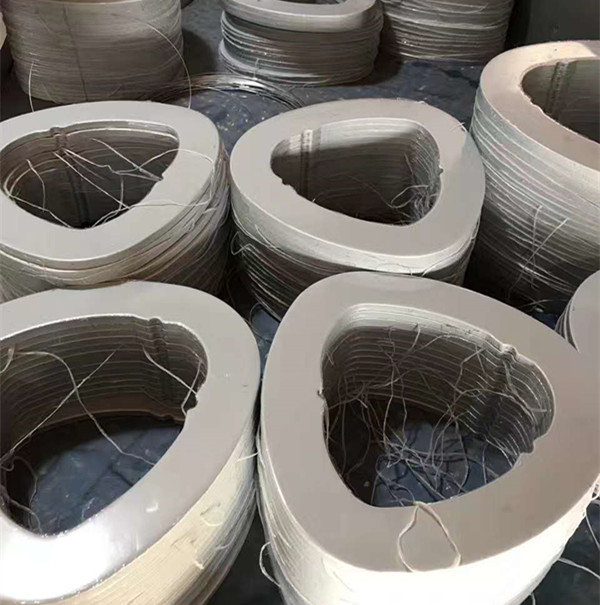
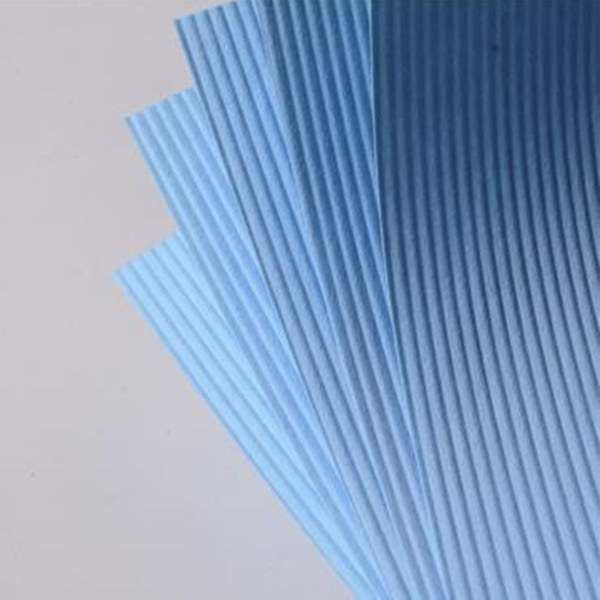
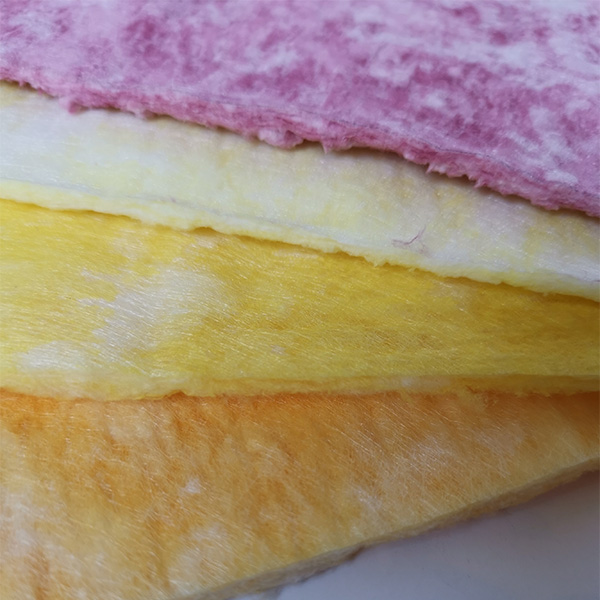
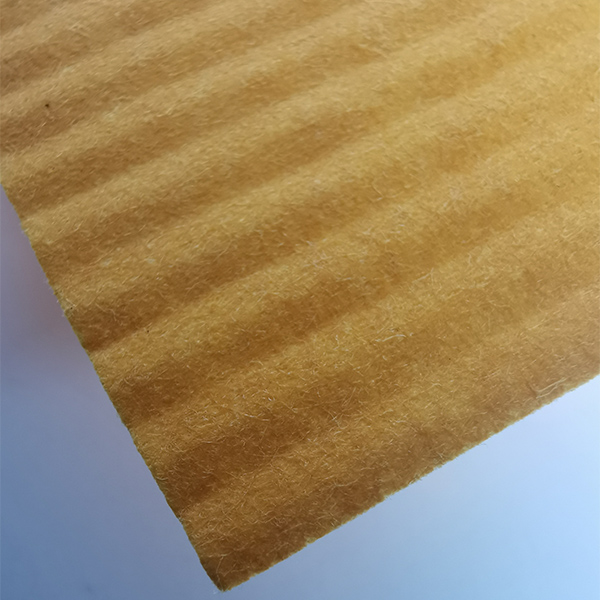
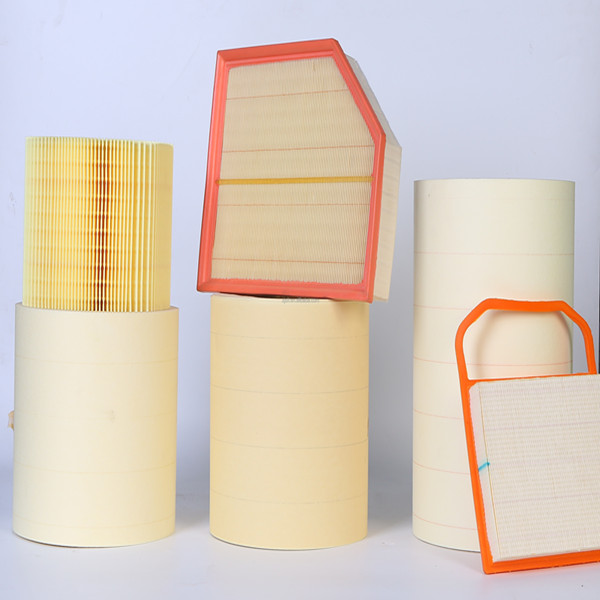
Simply put, fiberglass filter paper is a sheet material made from very fine glass fibers, bonded together to form a web that captures particles while allowing air or liquids to pass through. It doesn’t feel like typical paper—you might think of it more as a fibrous mat with exceptional filtration capabilities. Often combined with resin or binders, it’s designed to stand up to high temperatures and corrosive environments where traditional filter materials would fall short.
In a modern context, many engineers regard fiberglass filter paper as essential for controlling pollution, protecting delicate instruments, or ensuring product purity. It links modern industry with humanitarian needs because clean air and safe processes underpin public health and economic stability.
Mini takeaway:
If you think of industrial filtration as the lungs of modern production, fiberglass filter paper serves as a highly efficient and resilient “alveoli,” filtering out harm without clogging.
Key Benefits and Components of Fiberglass Filter Paper
Durability and Heat Resistance
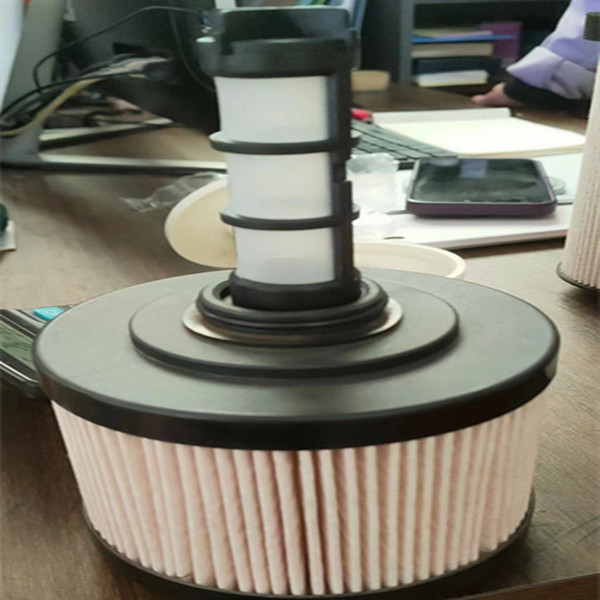
One of the biggest selling points is how well fiberglass stands heat and chemical exposure. Unlike cellulose-based filter paper or synthetic fibers, fiberglass can sustain temperatures over 450°C (850°F) without degrading drastically — vital for industrial furnaces, power plants, and automotive filters.
High Filtration Efficiency
The fine glass fibers interlock to trap particles as small as 0.3 microns, making it exceptional for dust, smoke, and other airborne particulates. That’s why labs, hospitals, and electronics manufacturing plants trust it when precision matters.
Cost-Effectiveness Over Time
Though sometimes pricier up front compared to cheap synthetics, fiberglass filter paper’s longer lifespan and reduced maintenance costs generally tip the scales toward savings. Users get less downtime and fewer replacements.
Moisture Resistance
In damp or humid environments, fiberglass won’t swell or degrade like paper filters do. This keeps filtration consistent, especially for applications near waterways or in tropical climates.
Customization Options
Manufacturers can tailor fiber thickness, density, and layering to the exact needs of a job — a small but important detail for nuanced applications.
Mini takeaway:
Durability, precision, and adaptability make fiberglass filter paper a reliable choice across multiple industries and environments.
Real-World Applications: Where Fiberglass Filter Paper Makes a Difference
Across continents and sectors, fiberglass filter paper pops up in places you might not expect. For instance:
- Industrial Dust Control: Factories in India and China use it to control particulate emissions, meeting increasingly strict environmental regulations.
- Medical and Cleanroom Facilities: Hospitals in Europe rely on fiberglass filters to ensure sterile air, protecting the vulnerable.
- Power Plants: Coal and gas-fired plants in the U.S. use it to filter flue gases, helping curb pollution.
- Disaster Relief Operations: Portable filtration units employing fiberglass filters provide clean air in emergency shelters devastated by wildfires or hurricanes.
- Remote Industrial Zones: In South America, mining operations count on fiberglass filters to reduce airborne hazards for workers.
Mini takeaway:
Its versatility spans geography and use cases, linking high-tech labs to rugged, on-the-ground disaster responses.
Why Choose Fiberglass Filter Paper? The Advantages & Long-Term Benefits
From a business and social perspective, the advantages boil down to four pillars:
- Cost Efficiency: Lower replacement frequency means less waste and budget strain.
- Sustainability: Durable filter media helps reduce waste and energy use overall.
- Reliability & Safety: Consistent pressure drops and particle retention build trust in critical environments.
- Social Impact: Cleaner air contributes to public health and worker well-being, translating to dignity and trust—intangibles often overlooked.
You know, when you think about filtration, it’s more than machinery—it’s about people’s safety, preserving nature, and innovating responsibly.
Technical Snapshot: Fiberglass Filter Paper Specification Table
| Specification | Typical Range | Notes |
|---|---|---|
| Fiber Diameter | 0.5 - 2 microns | Finer fibers improve filtration efficiency |
| Operating Temperature | Up to 450°C (850°F) | Depending on binder and resin |
| Thickness | 0.3 - 2 mm | Varies by application |
| Airflow Resistance | Low to Medium | Ensures energy efficiency |
| Chemical Resistance | High | Including acids and alkalis |
Top Vendors Compared: Fiberglass Filter Paper Providers
| Vendor | Product Range | Customization | Global Reach | Price Level |
|---|---|---|---|---|
| FilterTech Inc. | Large (Industrial/Medical) | High | North America, Europe | Mid-High |
| GlassFiber Solutions | Medium (Industrial Focus) | Moderate | Asia, South America | Mid |
| PureFiber Corp. | Specialized (High-Purity) | Very High | Global | High |
Emerging Trends & Innovations in Fiberglass Filter Paper
Innovation never sleeps. In recent years, engineers and material scientists have been tinkering with fiberglass filter paper’s composition to improve sustainability by incorporating bio-based resins, which reduce environmental footprints. There’s buzz about nano-fiber integration creating “super filters” that trap particles even smaller than the norm — a big leap for air quality in mega-cities.
Digital transformation also touches the filtration realm. Smart sensors paired with fiberglass filter systems allow real-time monitoring of filter saturation and efficiency, meaning predictive rather than reactive maintenance.
Green energy sectors, notably wind turbine manufacturing and solar panel cleaning industries, are increasingly requesting specialized fiberglass filters to maintain equipment integrity, showcasing the material’s adaptability in new-age tech.
Challenges & How the Industry Is Tackling Them
Despite its strengths, fiberglass filter paper has some barriers to wider adoption. For one, handling raw fiberglass fibers can cause skin irritation or respiratory issues during manufacturing. This has pushed innovation toward safer, encapsulated manufacturing processes.
Another snag is disposal — fiberglass isn’t biodegradable, so end-of-life recycling or responsible disposal protocols matter. Some companies are developing take-back programs or recycling methods, but it’s far from widespread.
Lastly, the upfront cost still intimidates small-scale operators. Bulk purchasing agreements and localized production hubs might help reduce prices and logistical headaches — a solution some progressive vendors are exploring.
FAQ: What You’re Asking About Fiberglass Filter Paper
- Q: How long does fiberglass filter paper typically last in industrial use?
A: Depending on environmental conditions and application, lifespan ranges from 3 months up to a year. High heat or heavy particulate loads shorten this time, but proper maintenance and pre-filters extend it. - Q: Can fiberglass filter paper be used for liquid filtration?
A: Yes, when specially treated or layered, fiberglass papers can filter liquids, such as oils or chemicals. However, design must consider flow rates and chemical compatibility. - Q: Is fiberglass filter paper recyclable?
A: Fiberglass itself is not biodegradable, and recycling options are limited but developing. With rising environmental regulations, some manufacturers offer take-back or repurposing programs. - Q: How does fiberglass filter paper compare to synthetic alternatives?
A: Fiberglass typically offers superior heat resistance and filtration efficiency, though synthetics can be cheaper upfront. Choice depends on application needs.
Wrapping Up: Why Fiberglass Filter Paper Still Matters & Where To Go Next
Fiberglass filter paper combines performance, durability, and versatility—qualities heavily sought after in today’s increasingly demanding global markets. From ensuring safer factory air to supporting complex manufacturing processes, it’s more than just a media; it’s a critical thread weaving together innovation, sustainability, and human health. No wonder experts and industries worldwide keep coming back to it.
If you’re curious to see how fiberglass filter paper can elevate your operation or project, visit our website for detailed product selections and expert consultation. Because, honestly, when it comes to filtration, clear air leads to clearer outcomes.
References
Post time: Nov-29-2025