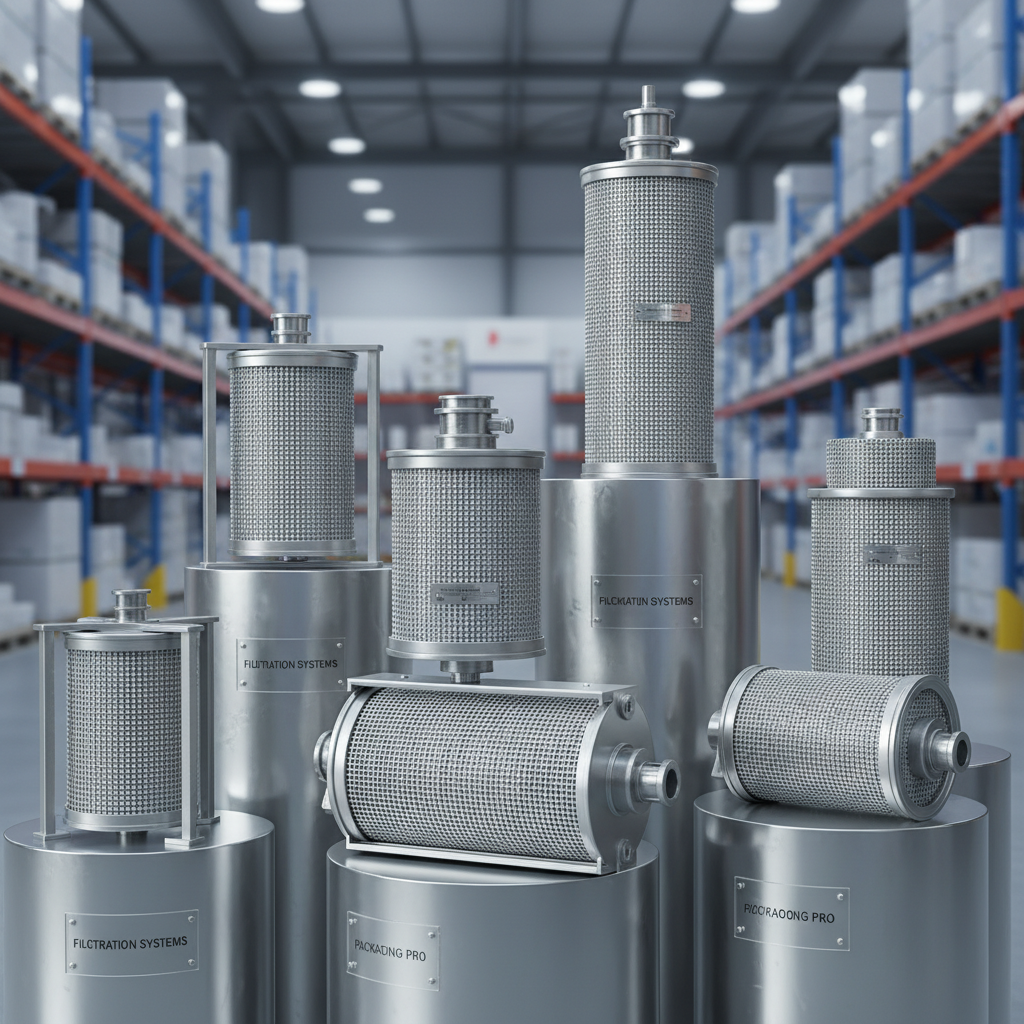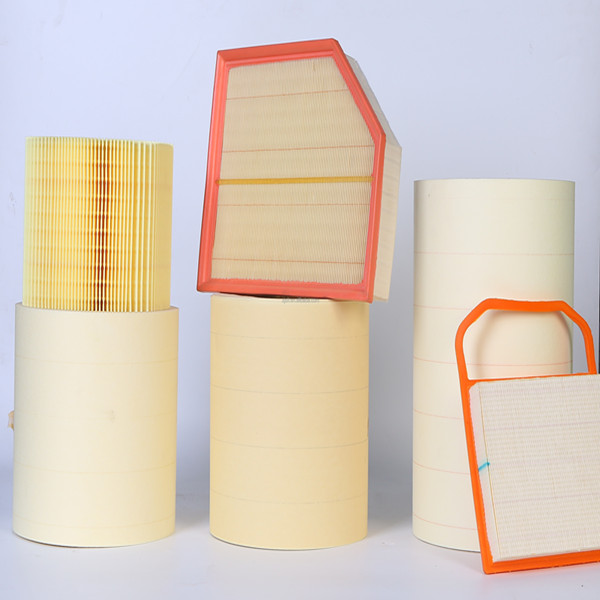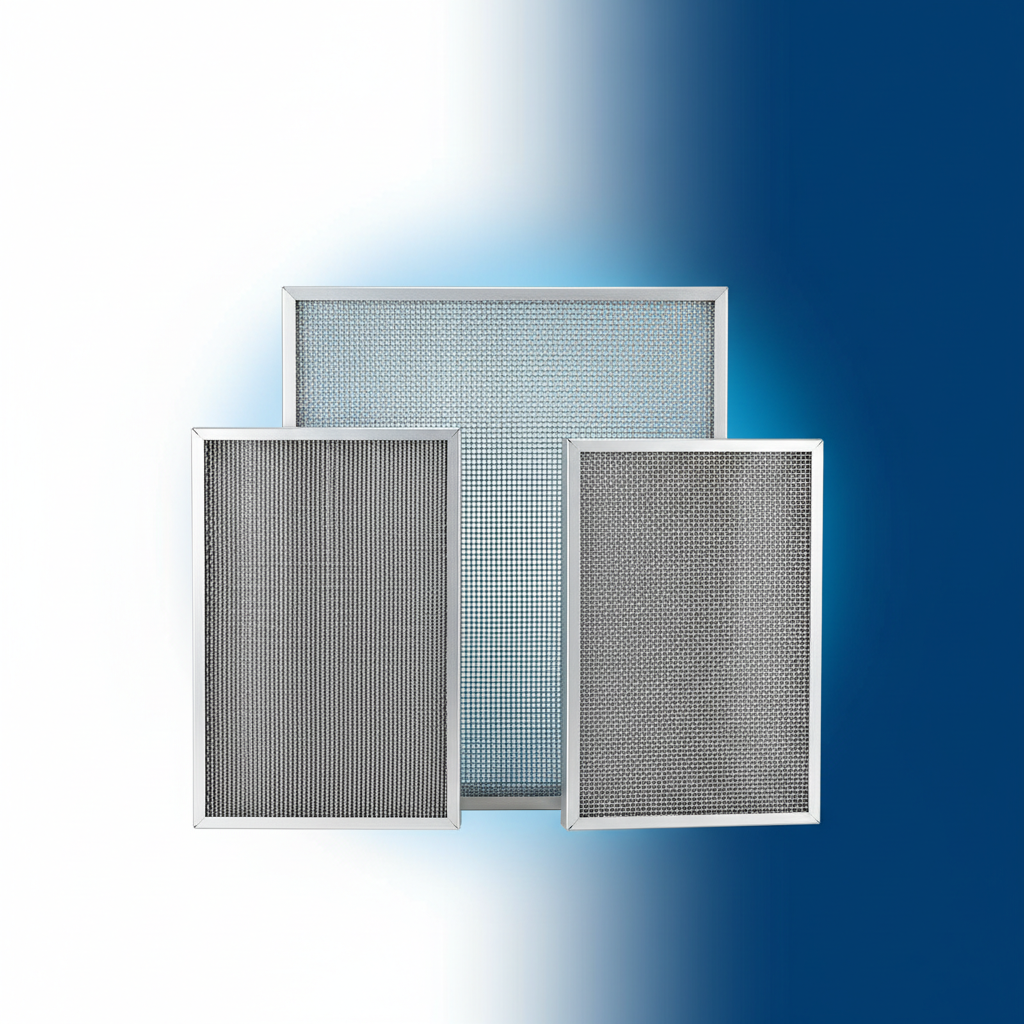
Cabin Air Filter Material is a key solution in the industry, specifically within automotive and industrial HVAC systems. This article explores how https://www.anyafiltermedia.com supports professionals with durable, high-performance products, and explains why this product is an ideal choice for businesses in these sectors.
Table of Contents
- Cabin Air Filter Material Overview
- Benefits & Use Cases of Cabin Air Filter Material
- Cost, Maintenance & User Experience
- Sustainability & Market Trends
Cabin Air Filter Material Overview
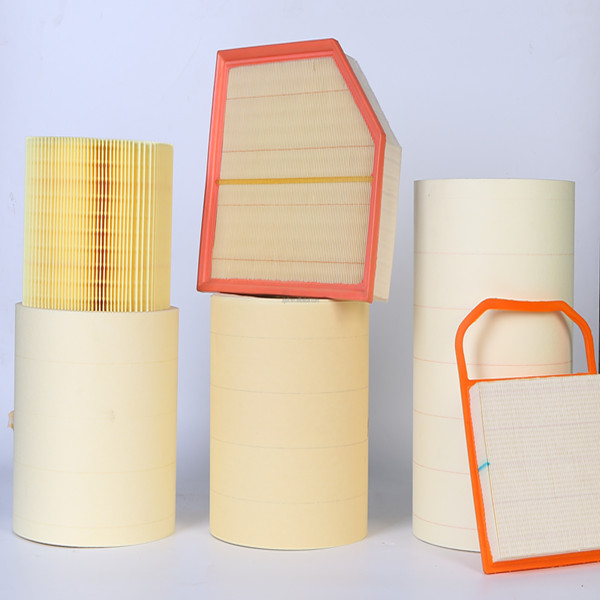
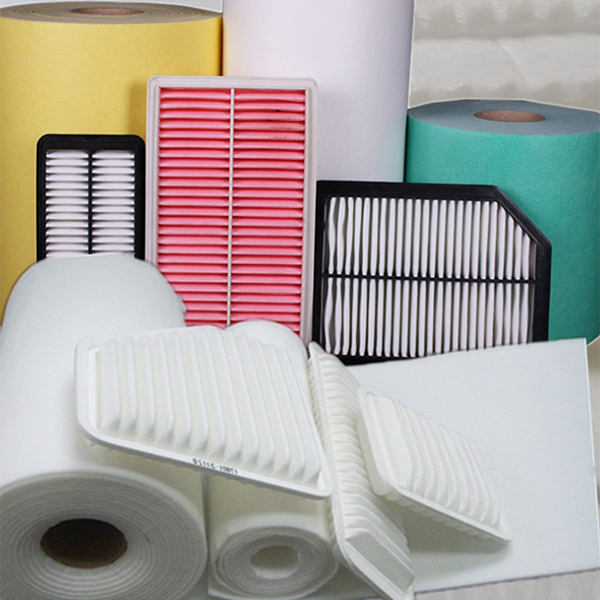
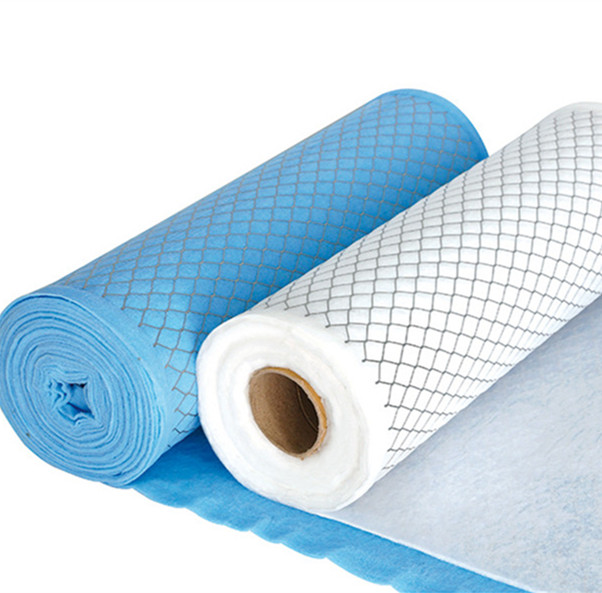
At its core, Cabin Air Filter Material is designed to improve air quality inside vehicle cabins and enclosed industrial spaces. You might think it’s ‘just a filter,’ but frankly, this material is the frontline defense against dust, pollen, and a slew of airborne contaminants that can impact both machine efficiency and driver or operator health. Most often, these materials are a blend of synthetic fibers engineered for optimal particulate capture, airflow balance, and durability.
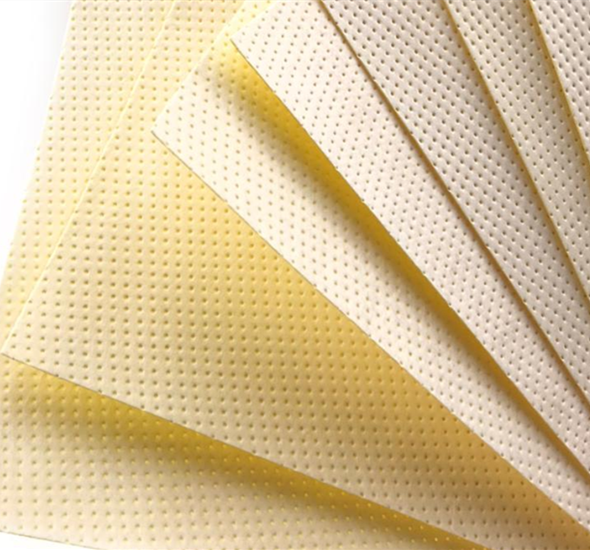
Specifically, materials like meltblown nonwovens, electrostatically charged fibers, or activated carbon composites—common in offerings from Anya Filter Media—deliver high filtration efficiency while maintaining low pressure drop. In real terms, that means the HVAC system doesn’t have to work overtime, saving energy and money. One case study I stumbled across showed how a commercial vehicle manufacturer cut cabin dust infiltration by upwards of 95% after upgrading to advanced cabin air filter materials, which really speaks to the value for B2B decision makers focused on reliability and performance.
| Specification | Typical Value | Unit |
|---|---|---|
| Filtration Efficiency (PM2.5) | ≥ 95 | % |
| Pressure Drop | ≤ 30 | Pa @ 5.33 cm/s |
| Material Thickness | 5 - 10 | mm |
| Operating Temp. Range | -40 to 85 | °C |
Benefits & Use Cases of Cabin Air Filter Material
So why do decision makers keep leaning towards these materials? For starters, the applications span well beyond just passenger cars. Heavy-duty trucks, construction equipment, agricultural machinery — all benefit. In industrial HVAC systems, these filter media help maintain clean, breathable air in factories or workplaces where dust and airborne toxins can be a daily headache. Oddly enough, even some military vehicle programs rely on these materials to protect personnel from chemical particulates.
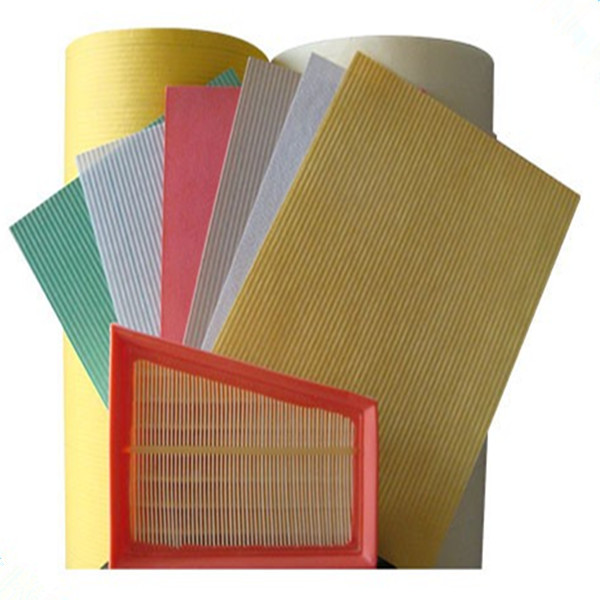
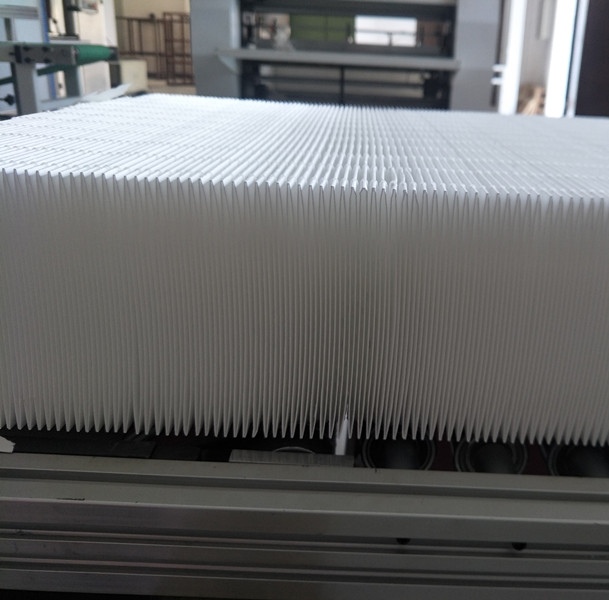
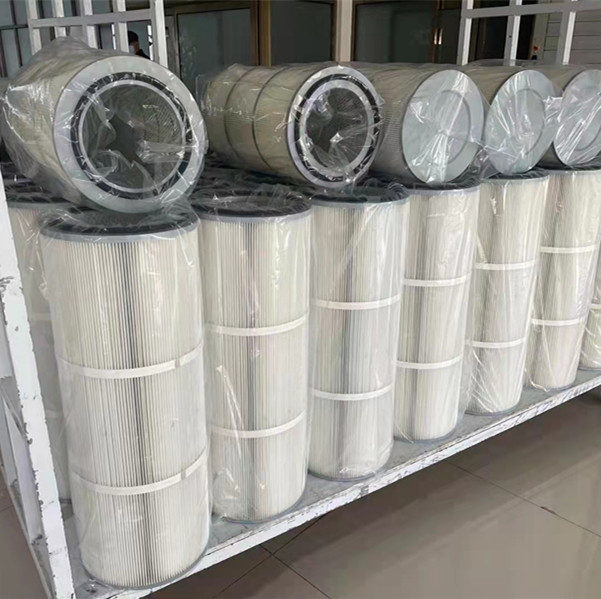
Competitive advantages include the ability to tailor properties—like fiber density or electrostatic charge—according to specific industry needs. For example, nonwoven composites impregnated with activated carbon can adsorb odors and VOCs, which standard cellulose filters simply can’t handle. Plus, the durability means fewer replacements and less downtime, which is often the final tipping point for procurement teams. The flexibility in product formats from Anya Filter Media is another practical point; rolls, pleated sheets, or custom-sized panels are all options depending on your installation requirements.
Cost, Maintenance & User Experience
Broken down, the total cost of ownership for cabin air filter material often surprises buyers. The upfront cost might be slightly higher than conventional filters, but when you factor in reduced energy consumption due to lower pressure drop, extended service intervals, and improved HVAC lifespan, the ROI becomes compelling. Anecdotally, I’ve heard from fleet managers who reduced their filter change frequency by 30-40% after switching to high-grade synthetic media—less labor, fewer disruptions.
Customer feedback consistently points to improved air quality inside the cab, which not only enhances operator comfort but also has downstream benefits for productivity and health-related absenteeism. One industrial client emphasized how the superior dust retention of their chosen cabin air filter material dramatically reduced HVAC maintenance calls during peak operational months. Plus, ongoing technical support and customization options from vendors like Anya Filter Media make the user experience a bit more seamless—something we often underestimate in complex supply chains.
Sustainability & Market Trends
Looking ahead, sustainability is a growing factor in purchasing decisions, and cabin air filter materials aren’t exempt. Manufacturers are increasingly exploring recycled and bio-based fibers, as well as processes that reduce chemical binders. It’s not just about meeting environmental regulations, like IMO standards or EPA guidelines; there’s real market demand for eco-conscious products with equivalent or better performance.
The broader global market paints an optimistic picture too. Growth is driven both by stricter air quality norms in vehicles and industrial plants and the rise of electric and hybrid vehicles demanding higher-quality filtration media to keep cabin air fresh in sealed cabins. Suppliers like Anya Filter Media are staying ahead by investing in R&D and diversifying their material portfolio, so buyers can bank on them for cutting-edge, sustainable solutions.
| Vendor | Material Quality | Customization Options | Sustainability Focus | Support & Service |
|---|---|---|---|---|
| Anya Filter Media | High | Extensive | Strong | Excellent |
| Vendor B | Medium | Limited | Moderate | Good |
| Vendor C | Variable | Moderate | Low | Fair |
Frequently Asked Questions about Cabin Air Filter Material
- What is Cabin Air Filter Material and how does it work?
- It’s a specialized filtering medium used inside vehicle and industrial HVAC systems that traps harmful airborne particles. The material’s fibers and electrostatic properties capture dust, pollen, and pollutants, preventing them from entering controlled spaces.
- What are the main benefits of using Cabin Air Filter Material in industrial applications?
- Durability, low pressure drop, and high filtration efficiency make these materials cost-effective and reliable. They improve air quality, reduce maintenance frequency, and enhance worker/operator comfort and health.
- How does Cabin Air Filter Material compare to traditional alternatives?
- Compared to cellulose or older filter media, cabin air filter materials often feature synthetic fibers with enhanced filtration performance, longer lifespan, and better resistance to moisture and temperature extremes.
- What industries can benefit most from Cabin Air Filter Material implementation?
- Automotive, construction machinery, agriculture, military, and industrial HVAC sectors are primary beneficiaries, seeing notable improvements in air quality and equipment longevity.
Conclusion on Cabin Air Filter Material from china
Wrapping this up, the value that quality Cabin Air Filter Material offers is clear: improved air quality, durability, and cost savings all rolled into one. For B2B decision makers navigating today’s demanding markets, partnering with suppliers like Anya Filter Media can mean the difference between costly downtime and smooth operations. Oddly enough, it’s often these “invisible” components that drive the biggest impacts on productivity and health—worth paying attention to.
- Recap the value of Cabin Air Filter Material.
- - Visit our website: https://www.anyafiltermedia.com
Reflecting on this, it’s clear that investing in quality filter media is a smart move... especially when your business depends on clean air and operational efficiency. After all, the best materials quietly do their job day in, day out, so you don’t have to worry.
Post time: Jan-02-2026