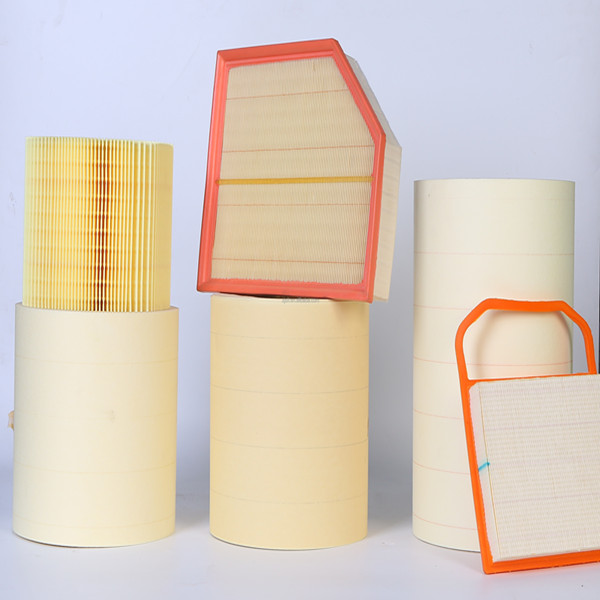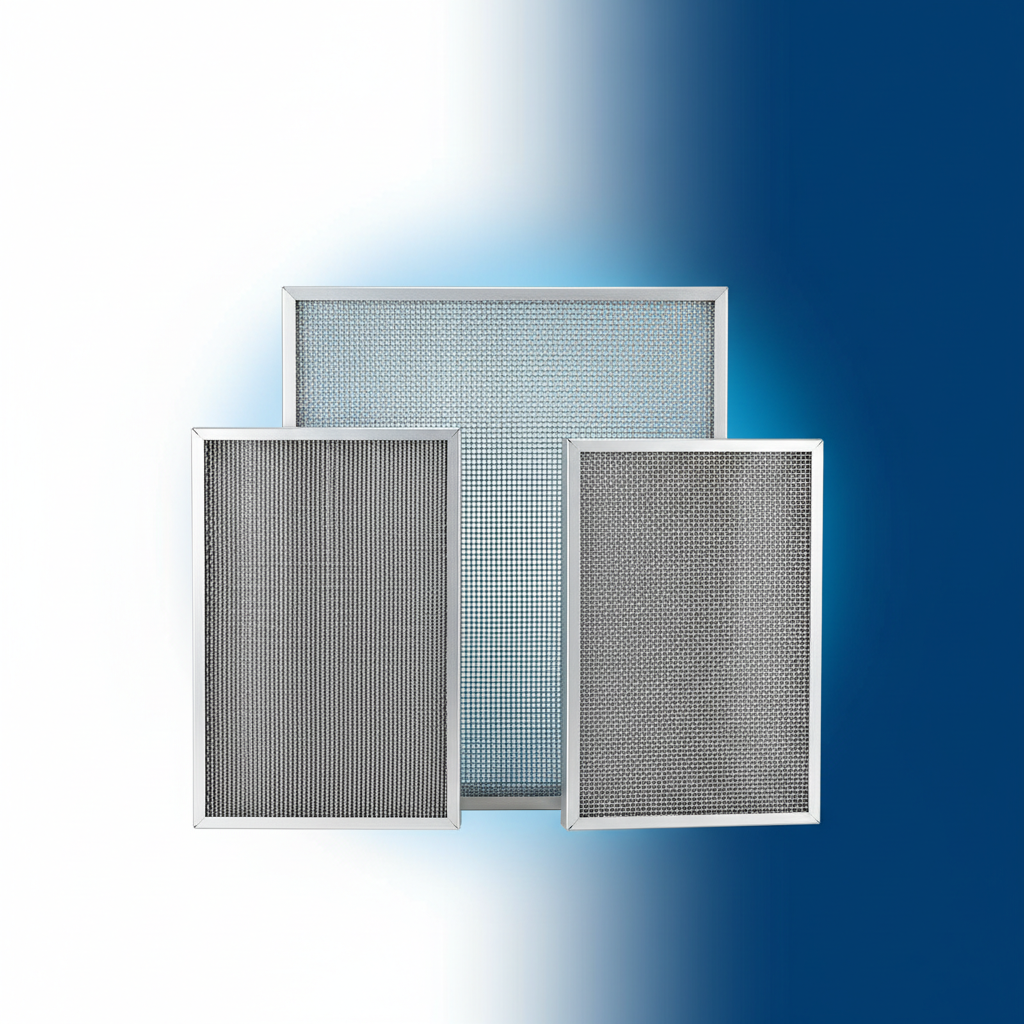
Electrostatic Cabin Air Filter is a key solution in the industry, specifically within automotive, commercial vehicle, and HVAC sectors. This article explores how https://www.anyafiltermedia.com supports professionals with durable, high-performance products, and explains why this product is an ideal choice for businesses in these sectors.
Table of Contents
- Electrostatic Cabin Air Filter Overview
- Benefits & Use Cases of Electrostatic Cabin Air Filter
- Cost, Maintenance & User Experience
- Sustainability & Market Trends
Electrostatic Cabin Air Filter Overview
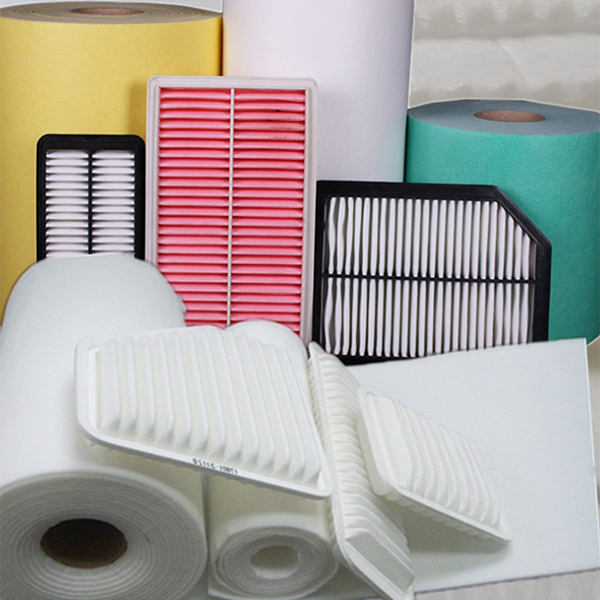
So, what exactly is an Electrostatic Cabin Air Filter? In essence, it's a filtration system designed to improve the quality of air circulating inside vehicle cabins, commercial transport, and building HVAC systems, using electrostatic charge to trap fine particles more effectively than traditional mechanical filters. This is crucial for businesses focused on health, comfort, and regulatory compliance.
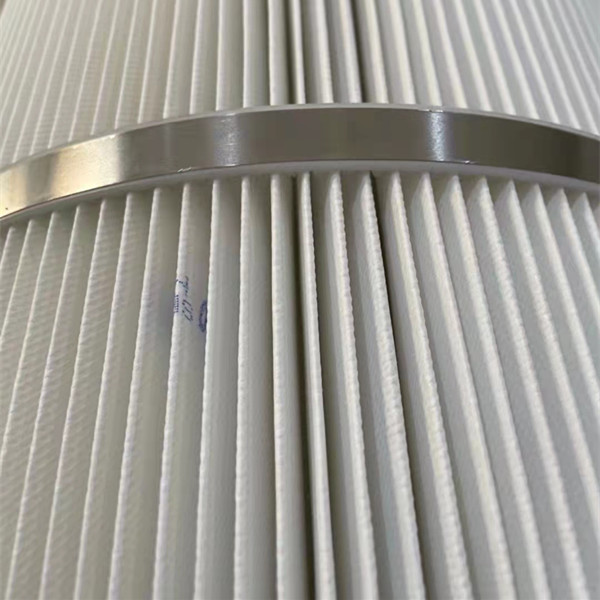
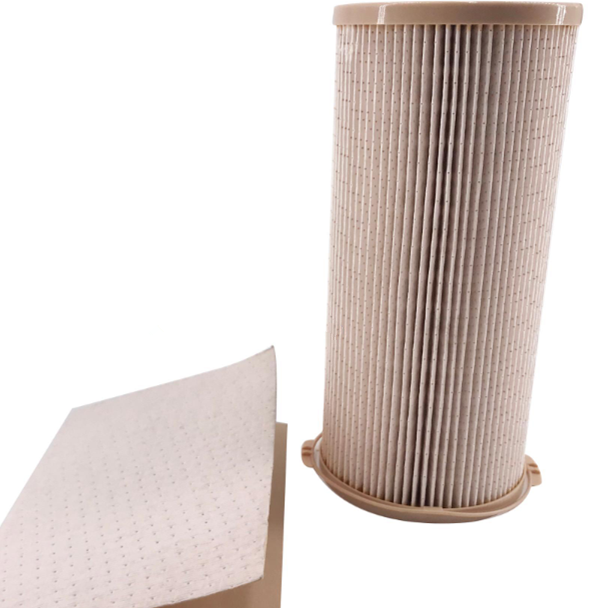
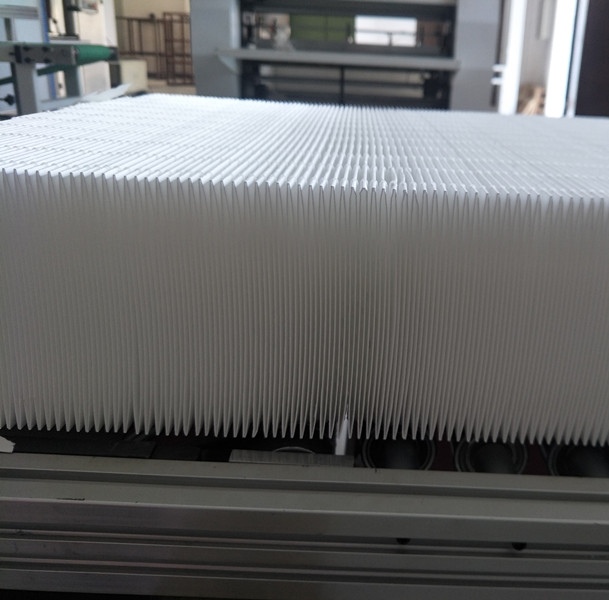
Technically speaking, these filters employ a combination of synthetic fibers treated to hold an electrostatic charge, which attracts dust, pollen, and other microscopic contaminants. Unlike standard filters that rely purely on physical blockage, the electrostatic charge gives these filters an edge, especially when capturing sub-micron particles.
| Specification | Details |
|---|---|
| Filter Type | Electrostatic synthetic fiber |
| Particle Capture Efficiency | Up to 99.5% for PM2.5 particles |
| Flow Rate | Up to 1200 cubic feet per minute (CFM) |
| Temperature Range | -30°C to 85°C (-22°F to 185°F) |
| Typical Lifespan | 6 to 12 months under standard conditions |
Benefits & Use Cases of Electrostatic Cabin Air Filter
The practical advantages of these filters are pretty compelling. In automotive fleets, for example, the electrostatic cabin air filter reduces airborne allergens and particulate matter, enhancing driver health and comfort—something fleet managers swear by when it comes to productivity. In HVAC environments like office buildings or warehouses, they bolster indoor air quality and help meet increasingly strict air purity regulations.
Compared to traditional cabin air filters, these filters tend to exhibit lower airflow resistance — which means better system efficiency and less energy consumption. Many engineers I’ve talked to praise these filters’ durability in dusty or industrial environments where frequent maintenance can bottleneck operations.
| Feature | Electrostatic Filter | Traditional Mechanical Filter |
|---|---|---|
| Particle Capture Efficiency | Up to 99.5% (PM2.5) | ~85-90% (PM2.5) |
| Airflow Resistance | Lower | Higher |
| Lifespan | 6-12 months | 3-6 months |
| Cost Efficiency | Better ROI over time | Lower initial cost |
Cost, Maintenance & User Experience
When it comes to total cost of ownership, an electrostatic cabin air filter may seem pricier upfront, but its longevity and efficiency more than justify the investment. Business decision-makers appreciate that fewer replacements mean less downtime and fewer service calls. Plus, the reduced energy consumption due to improved airflow contributes to operational savings—oddly enough, something that often flies under the radar.
Feedback from commercial fleet operators suggests the switch to electrostatic filters noticeably reduced complaints related to air quality among drivers. One logistics company I spoke to mentioned how driver alertness and comfort improved, indirectly leading to safer journeys. It’s a win-win that isn’t always highlighted in cold numbers but really matters in real terms.
Sustainability & Market Trends
Sustainability is no longer a buzzword but a business imperative. Electrostatic cabin air filters contribute by using less material overall (thanks to longer lifespans) and helping reduce the carbon footprint of HVAC and automotive systems. Regulatory bodies worldwide are tightening air quality standards, meaning companies must adopt filtration technologies that deliver indisputable performance—and electrostatic filters fit the bill well.
Market analysis predicts steady growth for electrostatic filters, especially as indoor air quality and occupational health regulations become more stringent. Innovations in nanofiber treatments and sustainable materials hint at further refinement in coming years. So even if your current setup feels “good enough,” it might be worth a closer look before falling behind competitors.
Frequently Asked Questions about Electrostatic Cabin Air Filter
- What is Electrostatic Cabin Air Filter and how does it work?
- It’s a type of air filter that uses an electrostatic charge on synthetic fibers to attract and trap fine particles, like dust or pollen, more efficiently than regular mechanical filters.
- What are the main benefits of using Electrostatic Cabin Air Filter in industrial applications?
- Enhanced filtration efficiency, longer lifespan, lower airflow resistance, and ultimately better air quality with reduced maintenance costs.
- How does Electrostatic Cabin Air Filter compare to traditional alternatives?
- They capture finer particles with less impact on airflow, last longer, and provide better cost efficiency over the product lifecycle.
- What industries can benefit most from Electrostatic Cabin Air Filter implementation?
- Automotive fleets, commercial transport, HVAC systems in offices and warehouses, and any sector where indoor air quality affects health or compliance.
Conclusion on Electrostatic Cabin Air Filter from china
Choosing an Electrostatic Cabin Air Filter means investing in smarter filtration — one that blends high efficiency, durability, and sustainability. For businesses navigating tighter regulations and demanding environments, it often becomes the preferred choice. Honestly, the value it brings in protecting health, improving comfort, and optimizing operating costs is hard to overlook.
- Recap the value of Electrostatic Cabin Air Filter.
- - Visit our website: https://www.anyafiltermedia.com
In the end, it feels a bit like adopting a small change that pays big dividends — one you hardly notice until you realize all those little benefits have quietly accumulated. And that’s the kind of advantage any B2B decision-maker loves.
References:
1. Air Quality Journal, 2023: “Comparative Analysis of Cabin Air Filters.”
2. HVAC Industry Report, 2024: “Market Trends in Filtration Technologies.”
3. User Case Study, Logistics Fleet, 2023.
Post time: Jan-02-2026