Understanding Nonwoven Filter Fabric: Why It Matters on a Global Scale
At first glance, nonwoven filter fabric might sound like specialized industrial jargon, but its importance is anything but niche. These unique textiles are silently powering the quality of air we breathe, the water we drink, and even the safety gear that protects frontline workers worldwide. The global demand for efficient filtration media has skyrocketed, especially after recent environmental challenges and health crises put increasing pressure on clean air and water resources.
So, why should we care? The answer is simple yet profound: nonwoven filter fabrics are a cornerstone woven into solutions that impact public health, environmental sustainability, and industrial performance. Understanding these materials provides insight into how industries across the board— from healthcare to manufacturing to food processing—maintain quality control and protect communities.
Frankly, grasping their function and benefits feels like unlocking a silent hero in our modern ecosystem.
The Global Context: A Filter Fabric That Answers Pressing Challenges
Globally, the pollution and contamination stats are sobering. According to the World Health Organization, around 90% of the world’s population breathes air that exceeds safe pollutant limits. Meanwhile, the UN has flagged water pollution as a critical issue affecting billions. Against this backdrop, nonwoven filter fabric becomes more than a material—it’s a frontline defense.
Industries and governments alike are scrambling to meet ISO standards for filtration efficiency, sustainability, and durability. The rise of manufacturing hubs in Asia, Europe, and North America reflects a growing recognition that filter media must evolve to help tackle these needs—whether reducing microplastics, filtering pathogens, or capturing fine particulates.
This fabric directly addresses challenges like low-cost, scalable filtration solutions and the environmental impact of disposable materials. As such, it plays a pivotal role in protecting health while supporting global sustainability commitments.
So, What Exactly Is Nonwoven Filter Fabric?
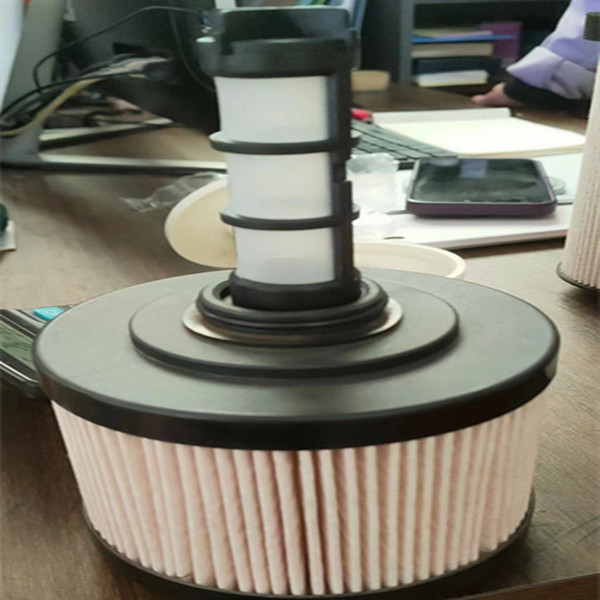
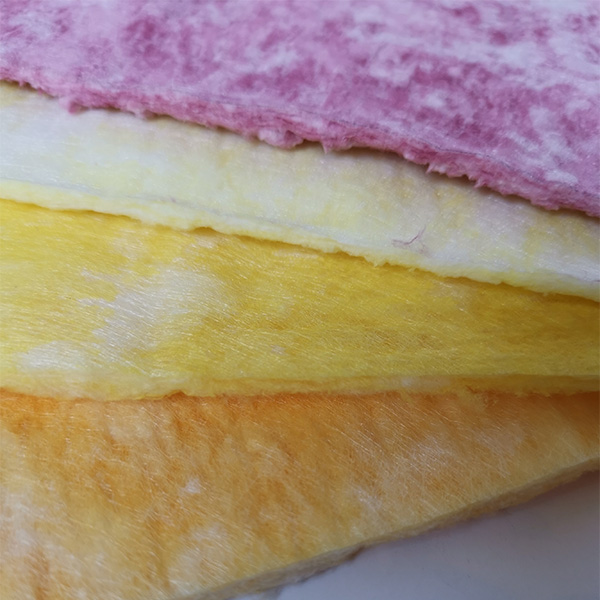
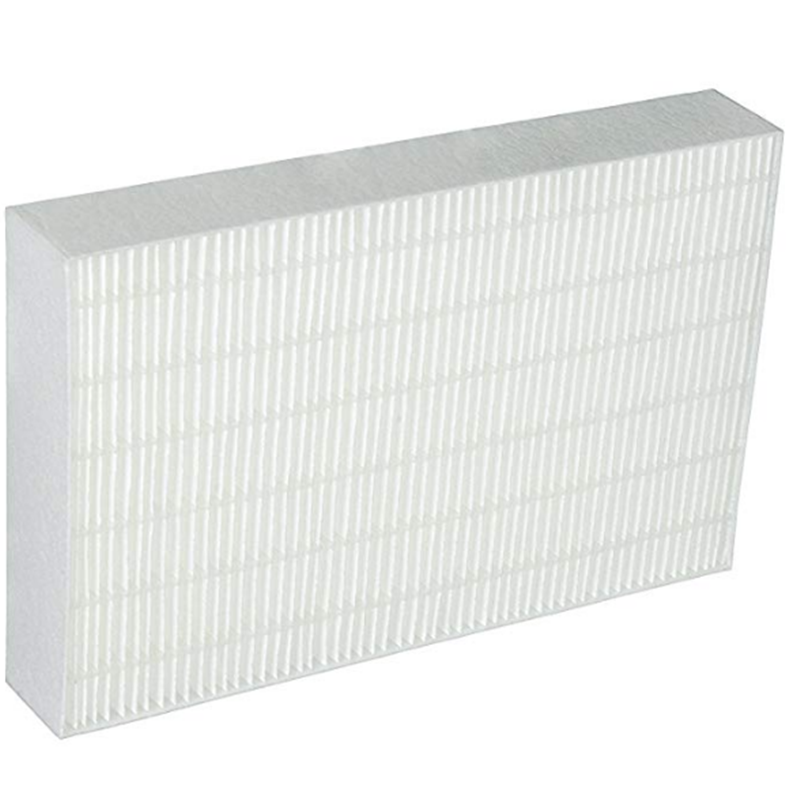
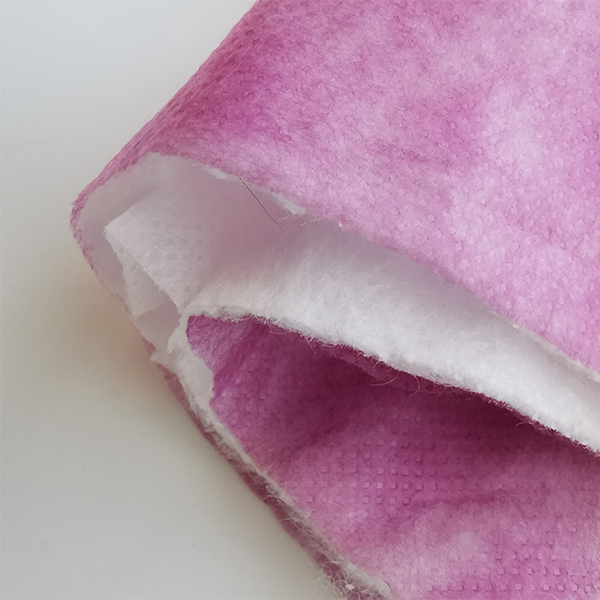
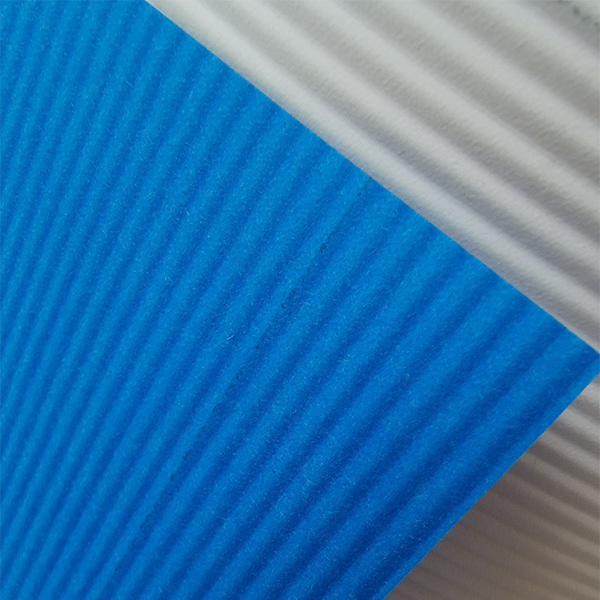
In essence, nonwoven filter fabric refers to textile-like sheets made from fibers bonded mechanically, chemically, or thermally, rather than woven or knitted. Think of it as a fibrous mat designed specifically to trap particles, bacteria, or even droplets, depending on its composition and structure.
The key is in the “nonwoven” part—these fabrics don’t rely on the traditional thread-and-needle weaving but rather form quickly through processes like meltblowing or spunbonding. This makes them incredibly versatile for creating filters that are lightweight yet strong, and that can be engineered for specific tasks.
Humanitarian efforts, industrial processes, and even everyday consumer products utilize these fabrics to improve safety and hygiene. From surgical masks in hospitals to air purifiers in factories, their relevance continues to expand.
Four Core Attributes of Nonwoven Filter Fabrics
- Filtration Efficiency: Their fiber arrangement allows precise control over particle retention, from dust and pollen to microscopic viruses.
- Durability & Strength: Despite their thin, porous appearance, they often resist tearing and can withstand various environments—wet, dry, or chemical exposure.
- Cost-Effectiveness: Mass production technologies make these fabrics affordable, especially compared to traditional filtration materials.
- Customization: Fiber type, thickness, and bonding methods can be fine-tuned to meet distinct application requirements—like water filtration versus air filtration.
- Lightweight and Breathable: Their open structure means filters don't overly restrict airflow, crucial for applications like HVAC systems or protective masks.
Each of these factors ties straight back to how well the fabric performs in its intended role, whether it’s capturing contaminants or lasting through repeated use.
Mini takeaway: Nonwoven filter fabrics hit a rare sweet spot of adaptability, affordability, and performance that traditional fabrics struggle to match.
Where You’ll Find Nonwoven Filter Fabrics in Action Around the World
It’s fascinating how many different scenarios rely on these fabrics. In Southeast Asia, for instance, nonwoven materials help filter polluted urban air, providing breathable environments despite growing smog concerns. In Europe, they’re integrated into advanced automotive cabin filters and cleanroom environments in pharma manufacturing. Meanwhile, UN disaster relief programs often use these fabrics for water purification systems in emergency shelters.
Industries thriving on precision and hygiene, like food processing in North America, also employ these fabrics extensively—ensuring contaminants never spoil critical production lines.
| Specification | Typical Range | Notes |
|---|---|---|
| Fiber Type | Polypropylene, Polyester, Nylon | Material choice influences strength & filtration |
| Basis Weight | 15-150 gsm | Higher gsm means denser filter media |
| Thickness | 0.3 - 3 mm | Depends on bonding method and end-use |
| Air Permeability | 100 - 750 CFM | Critical for HVAC and respirators |
| Filtration Efficiency | 70% - 99.99% | Varies by particle size & fabric structure |
Mini takeaway: With such flexibility, nonwoven filter fabrics bridge industries and geographies, reliably serving hugely varied needs.
Advantages and Long-Term Value of Using Nonwoven Filter Fabrics
When you combine the performance characteristics with affordability and environmental angle, you’re looking at a product line that’s not just functional but smart. Many engineers say these fabrics significantly reduce energy consumption in filtration devices because they allow high flow rates with less resistance. Additionally, recycling-friendly designs and biodegradable fiber options are on the rise, aligning with global sustainability goals.
Beyond the technical side, there’s an emotional dimension: providing clean air and water enhances public trust and safety. That peace of mind—whether in hospitals, homes, or factories—can’t be overstated.
Where Is This Technology Heading? Future Trends to Watch
Innovations keep accelerating. Nanofibers integrated into filters are boosting filtration efficiency to new heights without blocking airflow. Automated production lines and AI-enabled quality control improve reliability and cut costs, while newer biodegradable polymers promise a massive reduction in ecological footprint.
Green energy intersects here as well: solar-powered air filtration units and smart sensors that adjust filtration according to pollution levels are becoming more mainstream. Digital transformation in supply chain and materials traceability means you get cleaner, safer products almost seamlessly.
Challenges and Expert Solutions in Nonwoven Filter Fabric Production
No technology is perfect. Common hiccups include balancing filtration efficiency with breathability, or ensuring consistency across large batches. Also, regulatory compliance thresholds are tightening, forcing manufacturers to innovate continuously.
Experts suggest blending various fiber types, applying advanced electrostatic treatments, and adopting real-time monitoring systems to overcome these hurdles. So, while challenges exist, the field’s very dynamic nature promises steady improvements.
FAQ: Common Questions About Nonwoven Filter Fabric
- What distinguishes nonwoven filter fabric from traditional woven filters?
- Nonwoven fabrics don't involve interlacing yarns but rather bonding fibers into a porous mat. This structure allows for customizable filtration properties, often with better particle capture and airflow than woven fabrics.
- Can nonwoven filter fabric be recycled or reused?
- Many types can be recycled, especially polypropylene-based fabrics. However, reuse largely depends on the application; medical-grade filters are typically single-use for safety reasons.
- How do manufacturers ensure consistent filter quality?
- Most producers employ automated inspection, strict raw material controls, and standardized bonding processes to maintain uniform performance across batches.
- Are there specific certifications to look for when choosing filter fabrics?
- Yes, ISO standards like ISO 29463 and certifications from organizations like ASTM or EN standards often guide filtration efficiency and safety compliance.
- How do environmental factors affect nonwoven filter fabric performance?
- Humidity, temperature, and chemical exposure can impact fiber integrity and filtration efficiency. Manufacturers often tailor fabrics to withstand specific environments.
Wrapping Up: The Quiet Power of Nonwoven Filter Fabrics
For those working in industries where cleanliness, safety, and cost-efficiency collide, nonwoven filter fabric is a game changer. It’s an unsung material, enabling innovations and solutions that affect billions without the usual fanfare. With steady advances on the horizon—both technological and ecological—it feels like these fabrics will remain central to global filtration needs for decades to come.
If you’re interested in exploring this further or sourcing top-quality nonwoven filter fabric, visit our site and see how we can help you stay ahead.
Vendor Comparison for Nonwoven Filter Fabrics
| Vendor | Specialty | Global Reach | Price Range | Typical Lead Time |
|---|---|---|---|---|
| FilterTech Corp | High-efficiency nanofiber filters | Global - 50+ countries | $$$ | 4-6 weeks |
| EcoFab Solutions | Biodegradable, eco-friendly fabrics | North America, EU | $$ | 3-5 weeks |
| AsiaFilter Inc. | Bulk industrial filters, cost competitive | Asia-Pacific | $ | 2-4 weeks |
| EuroTex Filter | Custom composite fabrics, R&D focus | Europe, Middle East | $$$ | 5-7 weeks |
All told, moving wisely in the nonwoven filter fabric market means balancing budget, performance, and regional needs—and importantly, a keen eye on emerging technologies and regulatory shifts.
References
Post time: Nov-30-2025