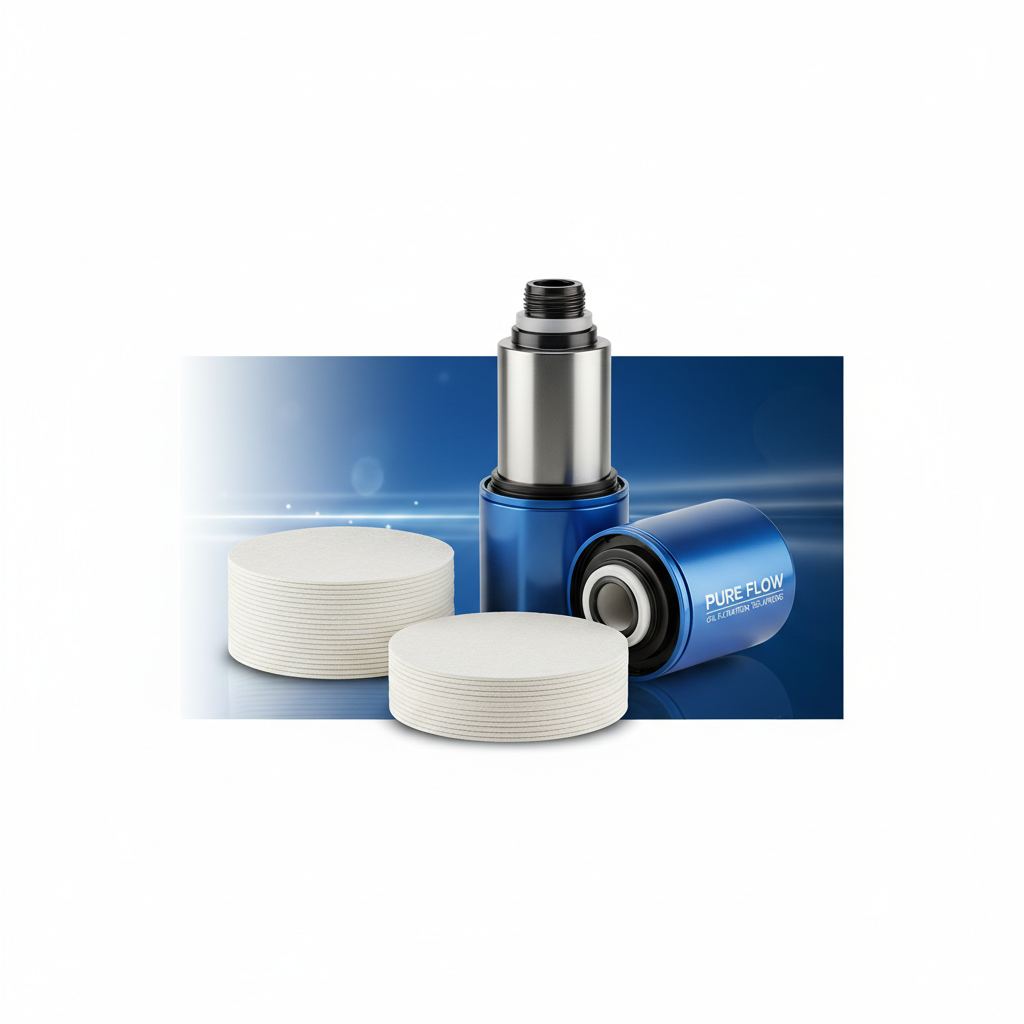
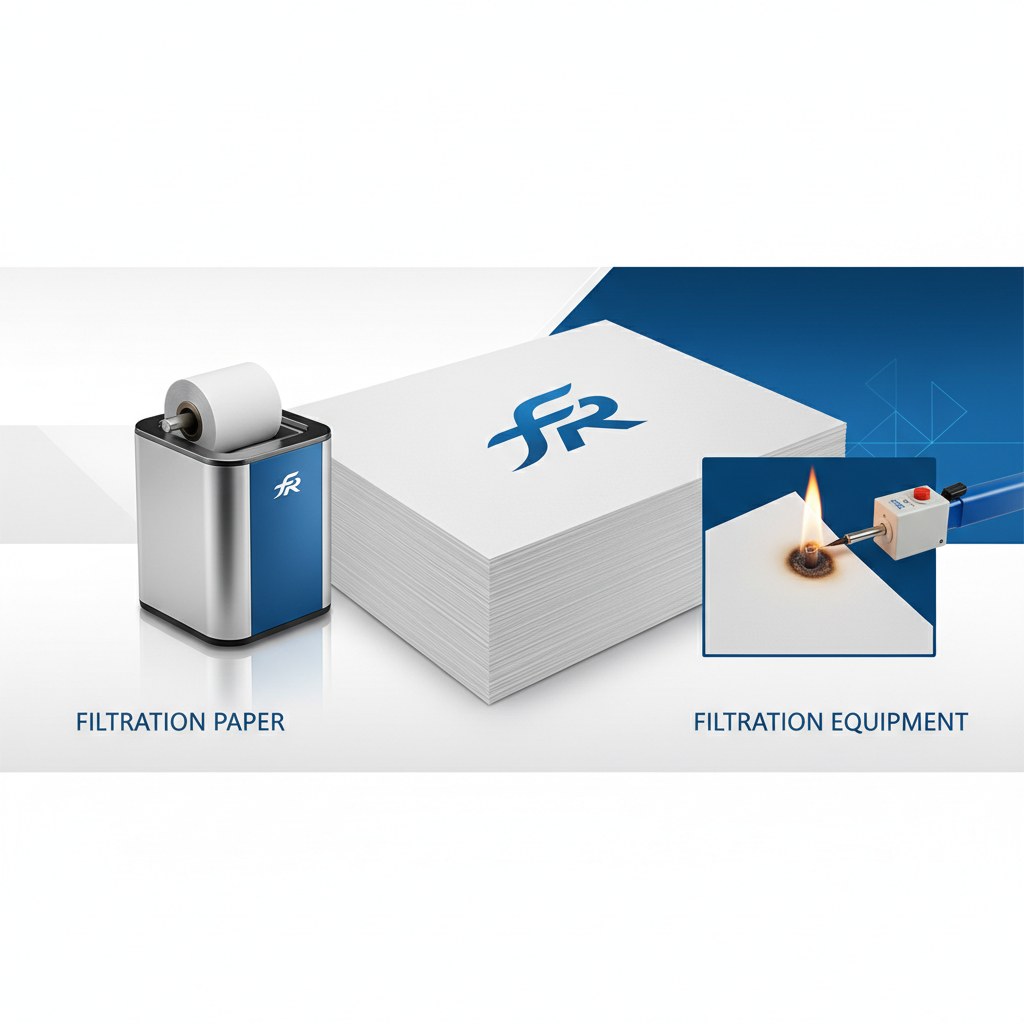
Oil filter paper suppliers are a critical component of numerous industries, from automotive and manufacturing to power generation and even aerospace. These suppliers provide the specialized filtration media essential for removing contaminants from lubricating oils, hydraulic fluids, and other critical liquids, ensuring equipment longevity and optimal performance. The quality and consistency of oil filter paper directly impact the efficiency and reliability of machinery across a vast spectrum of applications, making the selection of a reputable supplier paramount.
The global demand for high-quality oil filtration solutions is constantly increasing, driven by stricter environmental regulations, the growth of industrial sectors in emerging economies, and a heightened focus on preventative maintenance. According to recent industry reports, the oil filter market is projected to reach substantial growth in the coming years, creating significant opportunities for innovative oil filter paper suppliers capable of meeting evolving technical requirements.
Understanding the intricacies of oil filter paper – its composition, manufacturing processes, and performance characteristics – is crucial for engineers, procurement professionals, and anyone involved in maintaining and operating complex machinery. A well-informed approach to sourcing from oil filter paper suppliers can translate into significant cost savings, reduced downtime, and improved environmental sustainability.
The Significance of Oil Filter Paper Suppliers
The importance of skilled oil filter paper suppliers cannot be overstated. They don’t just provide a material; they deliver a critical component that protects expensive assets. A compromised filter leads to premature wear, reduced efficiency, and potentially catastrophic failure. The best suppliers prioritize consistent quality control, rigorous testing, and adherence to industry standards.
Furthermore, the modern supplier goes beyond simply providing the paper itself. They often offer expertise in material selection, filter design, and customization to meet specific application needs. This collaborative approach ensures optimal filtration performance and a maximized return on investment for their clients.
Defining Oil Filter Paper Suppliers and Their Role
Oil filter paper suppliers are companies specializing in the manufacturing and distribution of filtration media used in oil filters. This media, typically constructed from cellulose, synthetic fibers, or a blend of both, is engineered to trap particulate matter, sludge, and other contaminants present in lubricating oils and hydraulic fluids. These suppliers serve a diverse clientele, including filter manufacturers, automotive OEMs, and industrial maintenance providers.
Their role extends beyond simply providing the raw material. They often invest heavily in research and development to improve filtration efficiency, increase dirt-holding capacity, and enhance the overall durability of their products. A key differentiator among oil filter paper suppliers is their ability to customize solutions to meet unique customer specifications.
The modern oil filter paper supplier is a strategic partner, offering technical support, quality assurance, and reliable delivery to ensure their clients can consistently produce high-performance filtration products. This connection is vital in sectors where reliability and performance are paramount.
Key Factors in Selecting Oil Filter Paper Suppliers
Choosing the right oil filter paper suppliers requires careful consideration of several crucial factors. First, the supplier’s quality control processes must be robust and consistently enforced. Look for certifications like ISO 9001, which demonstrate a commitment to quality management systems.
Secondly, assess the supplier’s production capacity and lead times. A reliable supplier should be able to consistently meet your demand without compromising quality or delivery schedules. Capacity to scale is also important to consider, especially for growing businesses. The ability to handle special requests or custom-made oil filter paper is a plus.
Thirdly, evaluate the supplier's technical expertise and willingness to collaborate. A good supplier will offer support in material selection, filter design, and troubleshooting. Finally, consider the supplier’s overall reputation, financial stability, and commitment to sustainable practices.
Global Applications of Oil Filter Paper
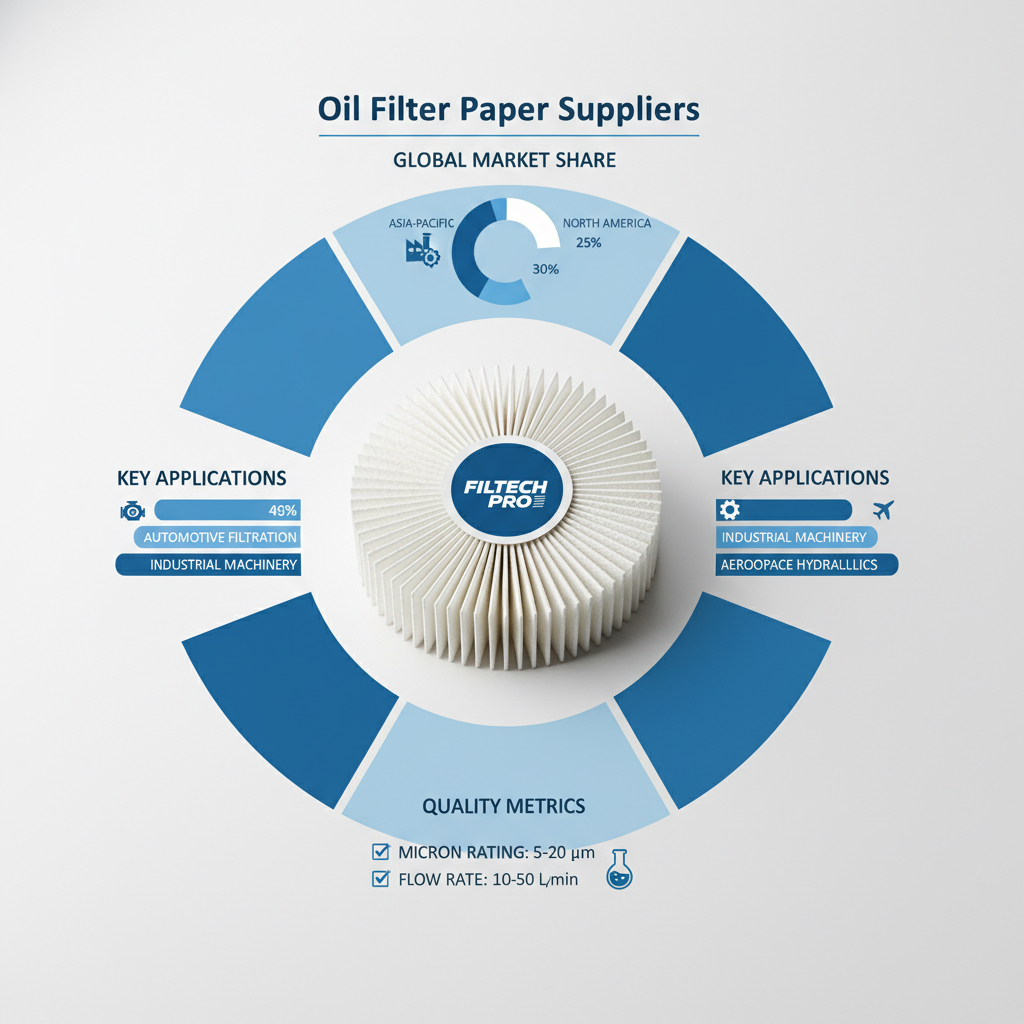
The applications of oil filter paper are remarkably diverse, spanning numerous industries and geographic regions. The automotive sector is a primary consumer, utilizing oil filter paper in engine oil filters, transmission fluid filters, and hydraulic power steering filters. Manufacturing plants rely heavily on oil filtration to protect critical machinery, extending equipment life and minimizing downtime.
In the power generation industry, oil filter paper is essential for maintaining the reliability of turbines, generators, and transformers. Heavy equipment operators in construction, mining, and agriculture depend on efficient oil filtration to ensure the smooth operation of their machinery in challenging environments.
From remote industrial zones in Australia to bustling manufacturing hubs in China, the demand for high-quality oil filter paper suppliers remains consistently high, underscoring its vital role in global infrastructure and economic activity.
Oil Filter Paper Application Market Share
Advantages of Partnering with Reliable Suppliers
Securing a partnership with dependable oil filter paper suppliers provides a multitude of tangible benefits. Cost savings are significant, as consistent quality reduces the risk of premature failures and costly repairs. Moreover, a reliable supply chain minimizes downtime and ensures uninterrupted production.
Environmental sustainability is also enhanced, as high-efficiency filtration reduces oil consumption and minimizes waste. Reliable suppliers often invest in eco-friendly manufacturing processes, further contributing to a smaller environmental footprint.
Future Trends in Oil Filter Paper Technology
The oil filter paper industry is undergoing a period of rapid innovation, driven by advancements in materials science and a growing emphasis on sustainability. Researchers are exploring the use of bio-based and biodegradable filter media as alternatives to traditional cellulose and synthetic fibers.
Nanotechnology is also playing a key role, with the development of nanofiber-based filter media offering significantly improved filtration efficiency and dirt-holding capacity. Digitalization and automation are streamlining manufacturing processes, enhancing quality control, and reducing production costs.
Challenges and Solutions in the Supply Chain
One of the primary challenges facing oil filter paper suppliers is maintaining consistent quality and supply in the face of global disruptions, such as geopolitical instability and natural disasters. Diversifying sourcing, building strategic partnerships, and investing in robust inventory management systems are crucial for mitigating these risks.
Another challenge is meeting the increasingly stringent environmental regulations regarding waste disposal and emissions. Suppliers are responding by adopting more sustainable manufacturing practices and developing recyclable or biodegradable filter media.
Finally, the need for customized solutions demands greater flexibility and responsiveness from suppliers. Investing in advanced manufacturing technologies and fostering close collaboration with customers are essential for addressing this challenge.
Summary of Challenges and Mitigation Strategies for Oil Filter Paper Suppliers
| Challenge |
Impact Level (1-10) |
Mitigation Strategy |
Implementation Cost (USD) |
| Global Supply Chain Disruptions |
8 |
Diversify Sourcing & Build Strategic Reserves |
50,000 - 150,000 |
| Stringent Environmental Regulations |
7 |
Invest in Sustainable Manufacturing Processes |
100,000 - 300,000 |
| Demand for Customized Solutions |
6 |
Implement Flexible Manufacturing Systems |
75,000 - 200,000 |
| Raw Material Price Volatility |
7 |
Long-Term Contracts & Hedging Strategies |
20,000 - 50,000 |
| Maintaining Consistent Quality |
9 |
Robust Quality Control Systems & Certifications |
30,000 - 80,000 |
| Skilled Labor Shortages |
5 |
Invest in Training & Automation |
40,000 - 100,000 |
FAQS
When evaluating oil filter paper suppliers, prioritize those with ISO 9001 certification, demonstrating a robust quality management system. Look for certifications related to environmental management (ISO 14001) and occupational health and safety (ISO 45001) to ensure responsible manufacturing practices. Additionally, suppliers adhering to industry-specific standards like those set by automotive OEMs or aerospace organizations offer added assurance of quality and consistency.
Clearly communicate your performance requirements to the supplier, including filtration efficiency, dirt-holding capacity, and compatibility with the specific fluids being filtered. Request detailed technical data sheets and testing reports. Consider requesting a sample for independent testing to verify performance. A strong supplier will collaborate with you to tailor the paper to your precise needs.
Lead times vary depending on the supplier's production capacity, the volume of your order, and the complexity of your requirements. Standard orders typically have lead times of 2-4 weeks, while customized orders may require 6-8 weeks or longer. Establishing clear communication with your supplier regarding your production schedule is essential for accurate lead time estimation and on-time delivery.
Many reputable oil filter paper suppliers are actively addressing sustainability concerns by utilizing recycled materials, reducing waste generation, and implementing energy-efficient manufacturing processes. Some are also exploring the use of bio-based and biodegradable filter media. Inquire about the supplier’s sustainability initiatives and certifications to ensure alignment with your environmental goals.
Request a detailed overview of the supplier’s quality control procedures, including incoming material inspection, in-process quality checks, and final product testing. Look for evidence of statistical process control (SPC) and a robust corrective action system. If possible, conduct a site audit to verify the supplier’s quality management practices firsthand.
While cost is an important consideration, opting for the lowest-cost supplier can often lead to hidden risks. These risks include inconsistent quality, unreliable delivery, and potential compromises on safety and environmental standards. Focus on finding a supplier that offers a balance of cost, quality, and reliability to ensure long-term value.
Conclusion
In conclusion, selecting the right oil filter paper suppliers is a strategic decision that directly impacts the performance, reliability, and longevity of critical equipment across a diverse range of industries. A commitment to quality, innovation, and sustainability is essential for navigating the evolving challenges and opportunities in the filtration market.
Investing in a strong partnership with a reputable supplier not only ensures a consistent supply of high-quality filter media but also unlocks access to valuable technical expertise and collaborative problem-solving. We encourage you to explore our offerings at www.anyafiltermedia.com to discover how we can support your filtration needs.