Car air filter paper is a critical component in modern vehicles, silently working to ensure the air entering the engine is clean and free of contaminants. Its importance extends beyond just engine performance; a quality car air filter paper contributes directly to fuel efficiency, reduced emissions, and overall vehicle longevity. Understanding the nuances of this often-overlooked component is essential for automotive engineers, manufacturers, and even informed consumers.
Globally, the demand for high-performance car air filter paper is continuously rising, driven by increasing vehicle ownership, stricter emission regulations, and a growing awareness of the link between air quality and engine health. The automotive industry is evolving rapidly, with a move towards electric and hybrid vehicles, but even these rely on air filtration systems for cabin air quality.
The development and optimization of car air filter paper is a dynamic field, constantly pushing the boundaries of materials science and engineering to deliver more effective and sustainable solutions. This makes it a vital area of research and development for ensuring a cleaner and more efficient future for transportation.
The Vital Role of car air filter paper
Car air filter paper isn’t merely a barrier; it’s a sophisticated filtering medium designed to capture a wide range of airborne particles, from dust and pollen to abrasive sand and even microscopic pollutants. Protecting the engine from these contaminants is paramount to preserving its performance and lifespan.
Without effective car air filter paper, abrasive particles can cause significant wear and tear on engine components, leading to reduced power, increased fuel consumption, and ultimately, costly repairs. The quality of the filter directly influences these critical aspects of vehicle operation.
Global Demand and Automotive Context
The global automotive industry is a massive economic force, and with it comes a substantial demand for automotive components, including car air filter paper. Emerging markets, particularly in Asia and South America, are experiencing rapid growth in vehicle ownership, driving up the need for both original equipment manufacturer (OEM) filters and aftermarket replacements.
According to recent reports from the UN Environment Programme, air pollution is a major public health concern globally, prompting stricter emission standards for vehicles. This, in turn, fuels the demand for more efficient and effective air filtration systems, requiring advancements in car air filter paper technology.
Furthermore, the increasing popularity of SUVs and trucks, which typically have larger engines and higher air intake volumes, necessitates filters with greater capacity and durability, impacting the specifications and manufacturing processes for car air filter paper.
Defining car air filter paper: Composition and Function
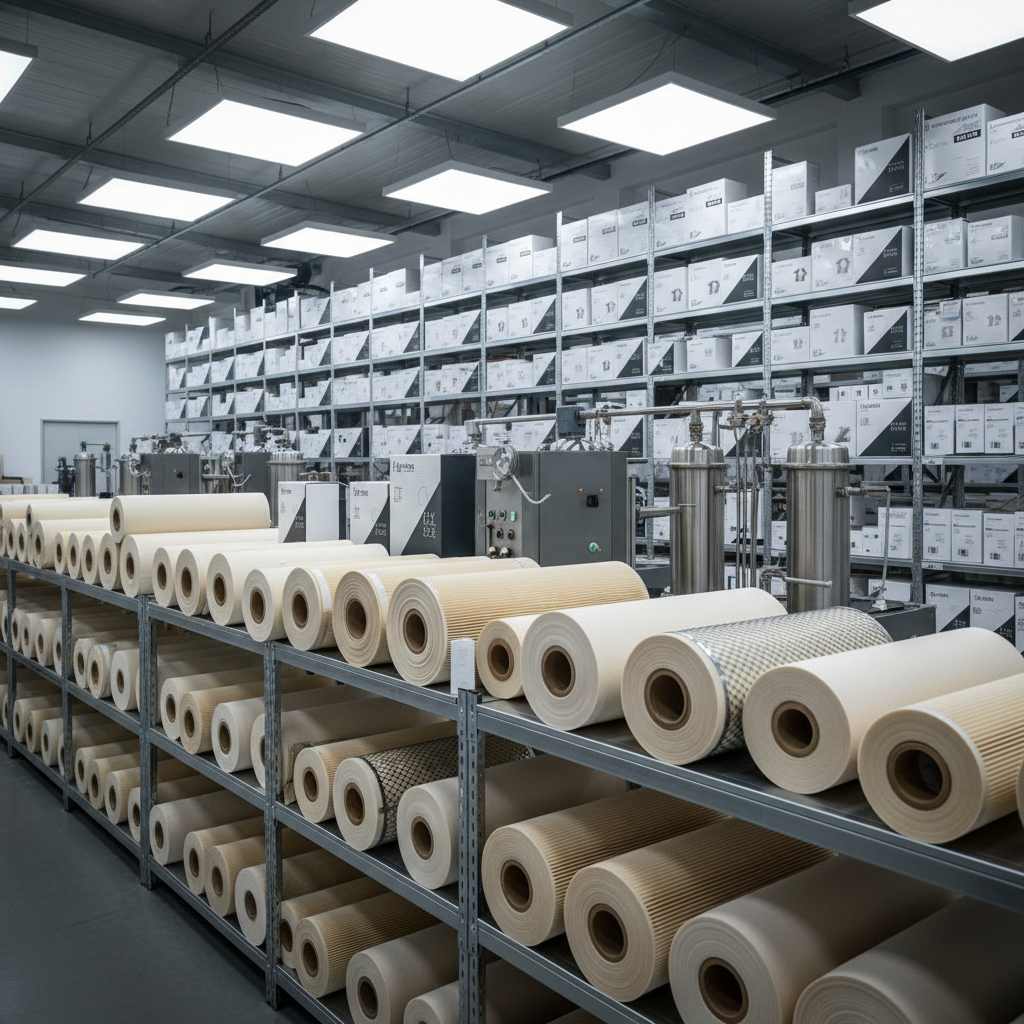
Car air filter paper is typically composed of cellulose fibers, synthetic fibers, or a blend of both. Cellulose provides excellent filtration efficiency at a relatively low cost, while synthetic fibers offer improved moisture resistance and durability. The choice of materials and their combination significantly impacts the filter’s performance characteristics.
The primary function of car air filter paper is to prevent abrasive particles from entering the engine's combustion chamber. These particles can cause scoring on cylinder walls, piston rings, and valve seats, leading to decreased engine efficiency and premature wear. Additionally, filters help protect sensitive electronic components within the engine management system.
Modern car air filters often incorporate multiple layers with varying pore sizes to capture a wider range of particle sizes. Some filters also include antimicrobial treatments to prevent the growth of mold and bacteria, contributing to improved cabin air quality and overall vehicle hygiene.
Key Performance Indicators of car air filter paper
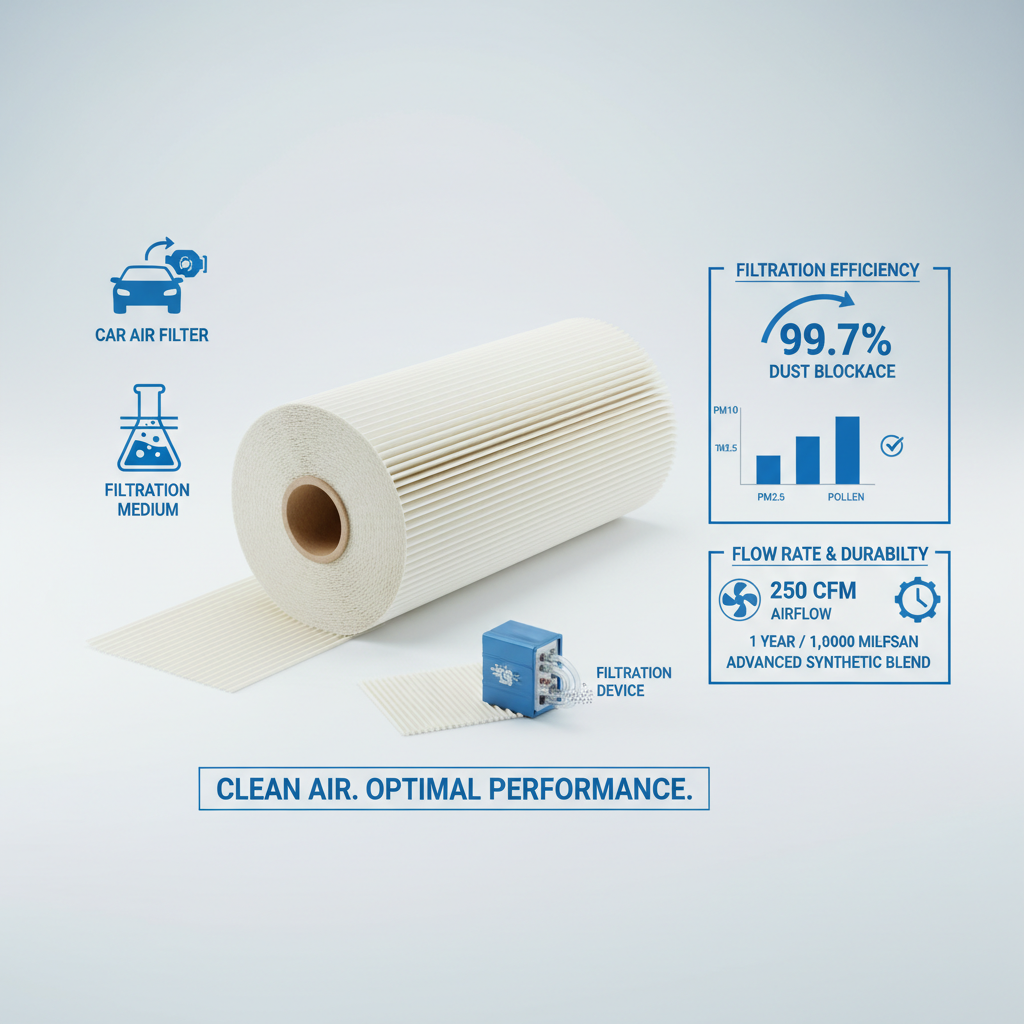
Evaluating the effectiveness of car air filter paper requires considering several key performance indicators. These include filtration efficiency, airflow resistance, dust holding capacity, and service life. Each factor plays a crucial role in determining the overall quality and suitability of the filter for specific applications.
Filtration efficiency, measured as the percentage of particles removed from the air stream, is arguably the most important metric. However, a filter with very high efficiency can also restrict airflow, reducing engine power. Therefore, a balance between filtration efficiency and airflow resistance is essential.
Car Air Filter Paper Performance Comparison
Applications Across Vehicle Types and Environments
The requirements for car air filter paper vary depending on the type of vehicle and the operating environment. Off-road vehicles and trucks operating in dusty conditions require filters with a higher dust holding capacity and greater durability.
Similarly, vehicles operating in polluted urban areas benefit from filters with enhanced particulate matter capture capabilities. Different engine types (gasoline, diesel, hybrid) also have specific filtration needs, influencing the selection of materials and filter design.
Advantages of High-Quality car air filter paper
Investing in high-quality car air filter paper yields a multitude of benefits. Improved engine performance, extended engine life, increased fuel efficiency, and reduced emissions are all tangible outcomes.
Furthermore, a superior filter can contribute to lower maintenance costs by reducing the frequency of engine repairs. Environmentally, cleaner air intake results in less harmful pollutants released into the atmosphere, promoting a healthier planet.
The peace of mind knowing your engine is adequately protected is a significant advantage as well, ensuring reliability and preventing unexpected breakdowns.
Future Trends and Material Innovations
The future of car air filter paper lies in the development of advanced materials and innovative designs. Nanotechnology is playing an increasingly important role, with researchers exploring the use of nanofibers to create filters with exceptionally high filtration efficiency and low airflow resistance.
Sustainable materials, such as biodegradable polymers and recycled fibers, are also gaining traction as manufacturers seek to reduce their environmental impact. Smart filters, equipped with sensors to monitor filter condition and alert drivers when replacement is needed, are another emerging trend.
The integration of artificial intelligence (AI) in filter design and optimization will further enhance performance and tailor filters to specific vehicle models and operating conditions.
Summary of key considerations for car air filter paper optimization
| Material Composition |
Filtration Efficiency Level |
Operational Environment |
Cost-Effectiveness Score (1-10) |
| 100% Cellulose |
85% |
Standard Urban Driving |
7 |
| Synthetic Blend (50/50) |
90% |
Moderate Dust Exposure |
8 |
| Microfiber Glass |
95% |
High Dust/Pollution |
6 |
| Nanofiber Enhanced |
98% |
Severe Environmental Conditions |
5 |
| Biodegradable Polymer |
80% |
Eco-Conscious Applications |
9 |
| Activated Carbon Infused |
88% |
Urban Environments with Odor Control |
7 |
FAQS
Typically, a car air filter should be replaced every 12,000 to 15,000 miles, or about once a year. However, if you frequently drive in dusty or polluted conditions, you may need to replace it more often. Regularly checking the filter’s condition is key. A clogged filter restricts airflow, reducing engine performance and fuel efficiency.
Several signs indicate a dirty air filter, including reduced engine power, decreased fuel economy, unusual engine noises (like whistling), and difficulty starting the engine. Also, you might notice dark smoke coming from the exhaust. Addressing these signs promptly can prevent more serious engine problems.
The engine air filter protects the engine from harmful particles, while the cabin air filter cleans the air entering the vehicle's passenger compartment. While both filters are important for vehicle health and comfort, they serve distinct purposes and have different filter media requirements.
Washing a car air filter is generally not recommended. While it might temporarily remove some debris, it can damage the filter media and reduce its effectiveness. Most car air filters are designed to be disposable, and replacing them is the most reliable way to ensure optimal engine protection. Trying to clean a filter can compromise its integrity and performance.
Car air filters are commonly made from cellulose, synthetic fibers (like polyester or polypropylene), or a combination of both. Some high-performance filters utilize microfiber glass or nanofiber technology for superior filtration. The material choice impacts filtration efficiency, durability, and cost.
Premium car air filters often offer superior filtration efficiency, greater dust holding capacity, and longer service life compared to standard filters. This translates to improved engine protection, better fuel economy, and reduced maintenance costs. Investing in a premium filter can be a smart long-term decision.
Conclusion
In conclusion, car air filter paper is a deceptively simple yet critically important component of modern vehicles. Its ability to protect engines from harmful contaminants directly impacts performance, efficiency, and longevity. The ongoing advancements in materials science and filtration technology promise even more effective and sustainable solutions in the years to come.
Understanding the nuances of car air filter paper—from material composition to performance metrics—is crucial for automotive professionals and informed consumers alike. By prioritizing high-quality filtration, we can contribute to cleaner air, more efficient vehicles, and a more sustainable future. Visit our website at www.anyafiltermedia.com to learn more about our comprehensive range of air filter media solutions.