Fuel Filter Paper Manufacturers: What I’ve Learned After Years on the Floor
Having spent a good chunk of my career roaming around industrial plants, I’ve come to appreciate just how vital the right materials are to keep things running smoothly. One component that often flies under the radar but truly makes a difference is the fuel filter paper. You probably haven’t thought much about it—fuel just seems to flow, right? But ask anyone who’s dealt with filtration issues, and they’ll tell you: the quality of fuel filter paper manufacturers matters just as much as the machines themselves.
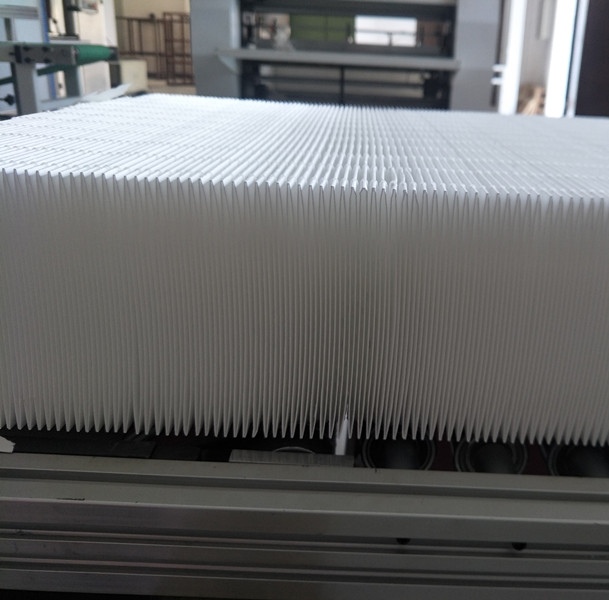
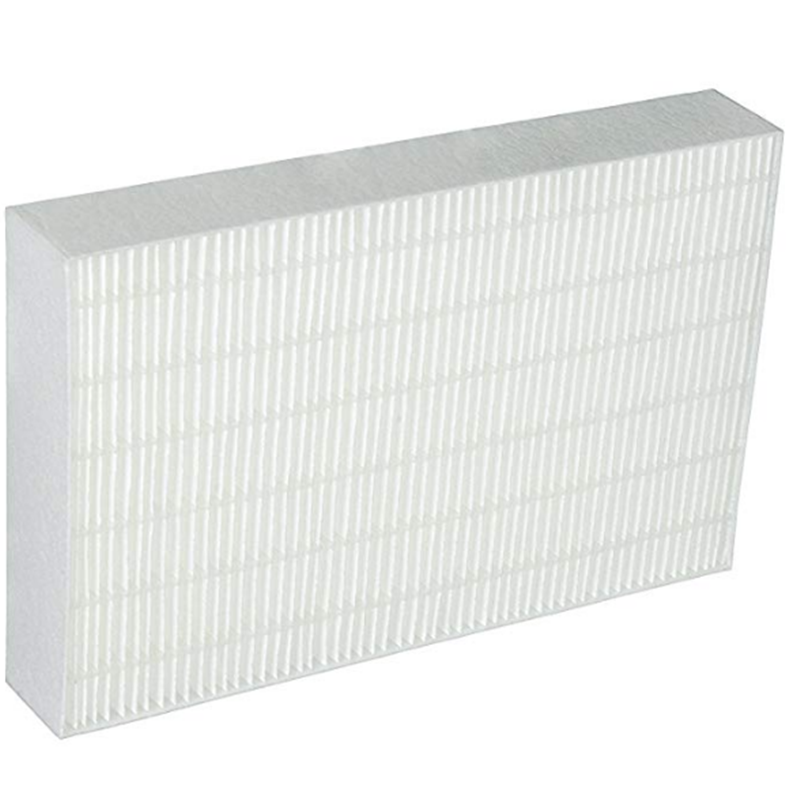
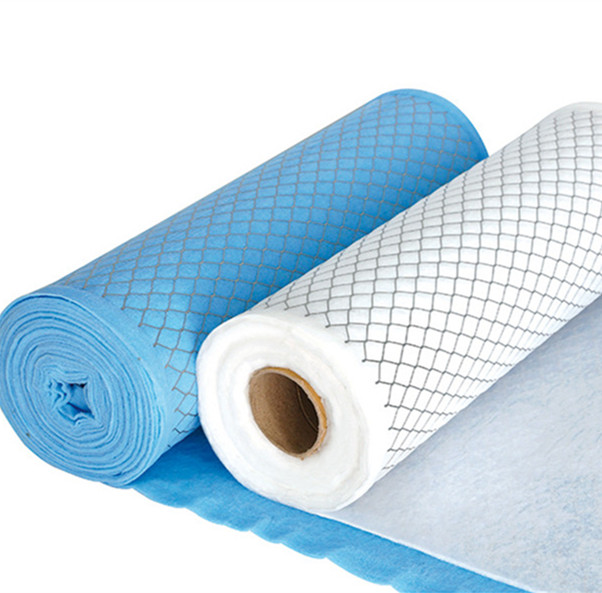
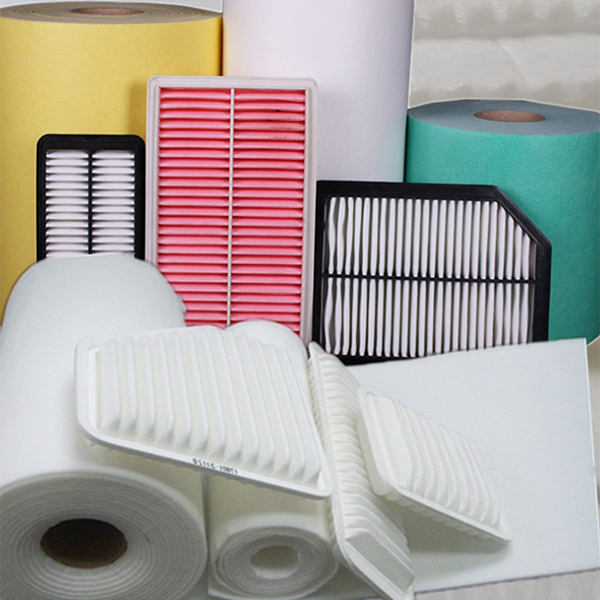
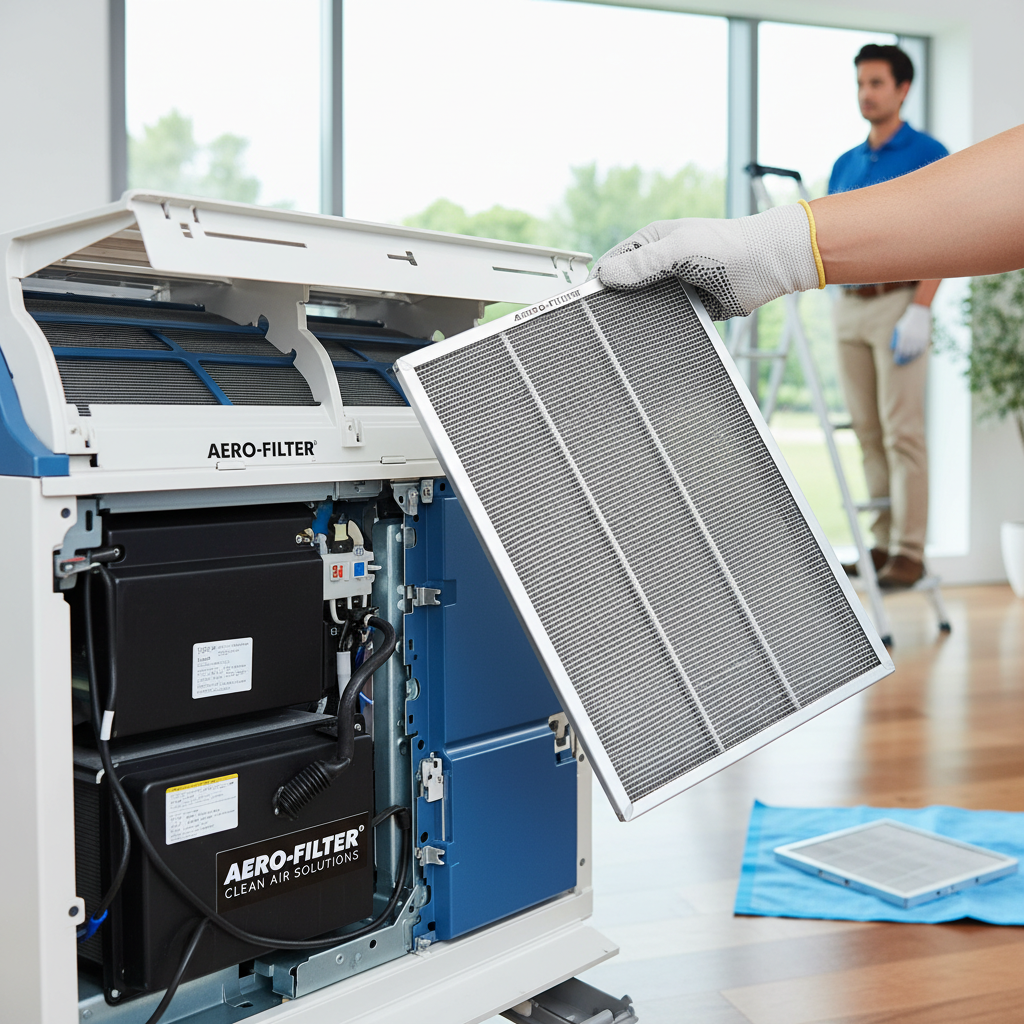
Fuel filter paper isn’t just any paper—oh no, it’s a carefully engineered media designed to trap contaminants and particulates that can quickly wreck an engine or system. Over the years, I noticed most manufacturers lean on cellulose fibers, often combining synthetic materials to balance cost, durability, and filtration efficiency. Some even incorporate glass fibers for extra strength. It’s a subtle art, knowing how to layer these materials to optimize flow and capture.
Oddly enough, even with all the advancements in synthetic filters, many plants still swear by high-quality cellulose blends. I guess it’s that sweet spot between performance and affordability, especially when you need large-scale production filters that won’t fail halfway through a critical run.
Here’s a quick glance at some typical specs I’ve encountered from leading fuel filter paper manufacturers:
| Specification | Typical Range | Notes |
|---|---|---|
| Material | Cellulose / Synthetic Blend | Balances filtration & flow |
| Micron Rating | 3 - 20 µm | Depends on application |
| Thickness | 0.15 - 0.4 mm | Affects durability |
| Burst Strength | 4 - 10 kPa | Critical to avoid filter failures |
| Oil Compatibility | Suitable for diesel and gasoline | Often tested to ASTM standards |
Finding the right fuel filter paper manufacturers is more than just specs on paper—you want a partner who understands your application and can customize filters to your needs. I remember a client that was running large diesel generators in particularly dusty environments. Standard filters would clog too fast, leading to downtime nobody wanted. Switching to a manufacturer who could tweak fiber blends and improve micron rating extended filter life by almost 40%. That kind of impact is huge when you’re juggling production quotas and maintenance windows.
Not all manufacturers are created equal, though. Here’s how some of the better-known suppliers stack up based on my experience and industry feedback:
| Manufacturer | Product Range | Customization Options | Lead Time | Price Level |
|---|---|---|---|---|
| Anya Filter Media | Wide, including premium cellulose/synthetic blends | High — custom fiber blends & thickness | 3-4 weeks typical | Mid-range |
| Filtramax Industries | Standard and heavy-duty papers | Medium — mostly standard grades | 2-3 weeks | Competitive |
| PureFlow Media | Specializes in synthetic media | High customization but higher cost | 4-6 weeks | Premium |
One piece of advice I do tend to share with peers: never underestimate lead times or batch minimums when ordering customized filter paper. I’ve seen last-minute rush orders cause delays that cascade through maintenance schedules like a row of dominoes. Planning ahead with your fuel filter paper manufacturers not only avoids headaches but often gets you a better price too.
All in all, selecting the right fuel filter paper is kinda like picking the right shoe for a marathon — the best choice depends on your course and conditions. It’s that important to keep engines clean and running without interruption. If you want to dig deeper, look for manufacturers who share detailed testing data and comply with recognized standards. Transparency channels confidence, and frankly, that’s priceless in this industry.
So, as someone who’s seen filters from “just fine” to “catastrophically failed,” I suppose my takeaway is: get to know your fuel filter paper manufacturers well. Their expertise can make or break your operations in subtle, consistent ways.
References:
1. ASTM D2986 & D6830 for Fuel Filter Testing
2. Industry reports on filter media innovation, 2022
3. Personal experience & client case studies, 2015-2023
Post time: Dec-03-2025