0%

Table of Contents

Air cooler filter paper plays a critical, yet often overlooked, role in maintaining air quality and optimal performance of evaporative coolers – commonly known as swamp coolers. These coolers offer an energy-efficient alternative to traditional air conditioning, particularly in arid climates. The filter paper is the core component responsible for the evaporative cooling process, attracting and retaining water to maximize cooling efficiency. Understanding the properties and advancements in air cooler filter paper is essential for consumers, manufacturers, and environmental advocates alike, especially as demand for sustainable cooling solutions grows.

Globally, the market for evaporative coolers is expanding rapidly, driven by increasing energy costs, environmental concerns, and a growing population in hot and dry regions. Regions like the Middle East, India, and parts of the United States are experiencing significant growth in this sector. According to a recent report by the World Bank, energy consumption for cooling is projected to triple by 2050, highlighting the urgent need for efficient and sustainable cooling technologies. Air cooler filter paper directly impacts the effectiveness and longevity of these coolers, making it a vital element in meeting this growing demand.

The increasing frequency of heatwaves and water scarcity further underscores the importance of optimizing evaporative cooling systems. Efficient air cooler filter paper not only improves cooling performance but also minimizes water waste, addressing both climate change mitigation and resource management challenges. Innovations in materials and designs are focused on maximizing water absorption, preventing algae growth, and extending filter life, ensuring consistent and reliable cooling performance.
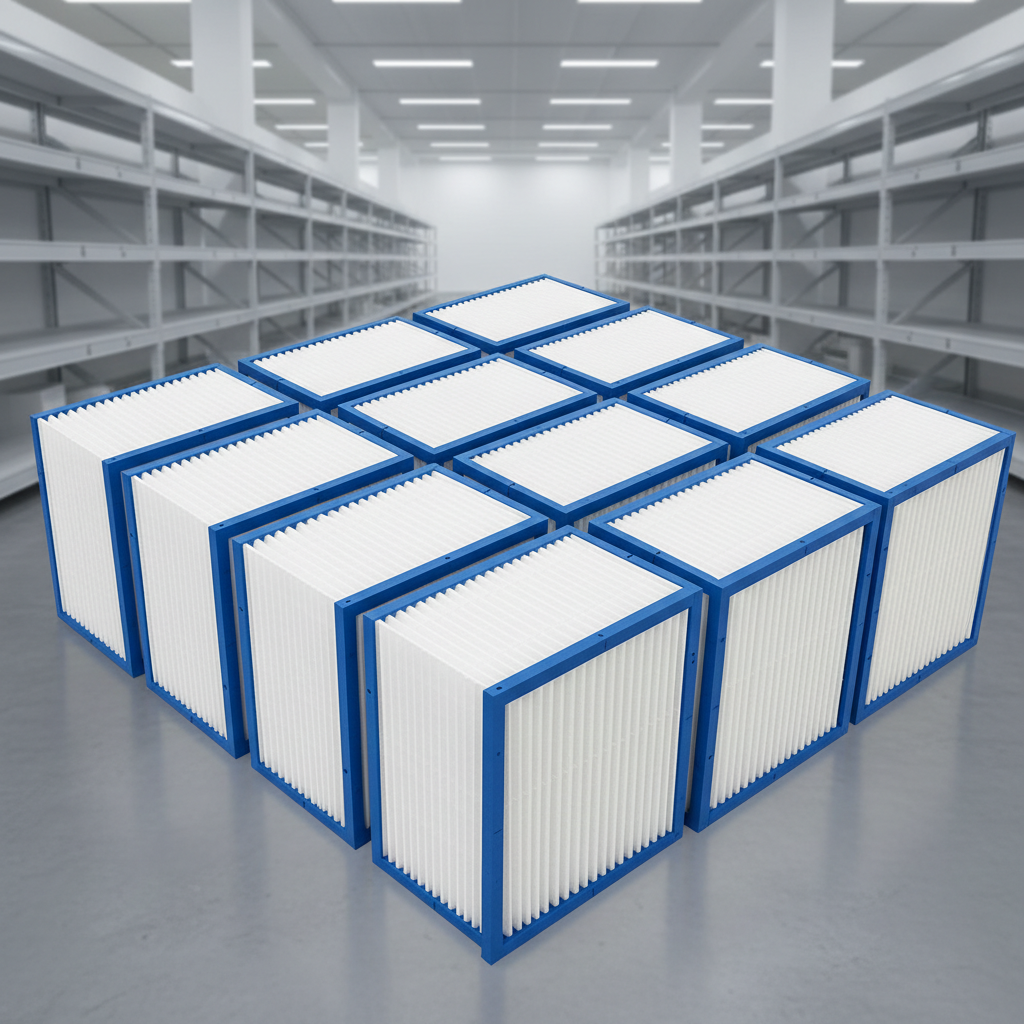
Optimizing Air Quality and Cooling Performance with Air Cooler Filter Paper

Introduction to air cooler filter paper

Optimizing Air Quality and Cooling Performance with Air Cooler Filter Paper

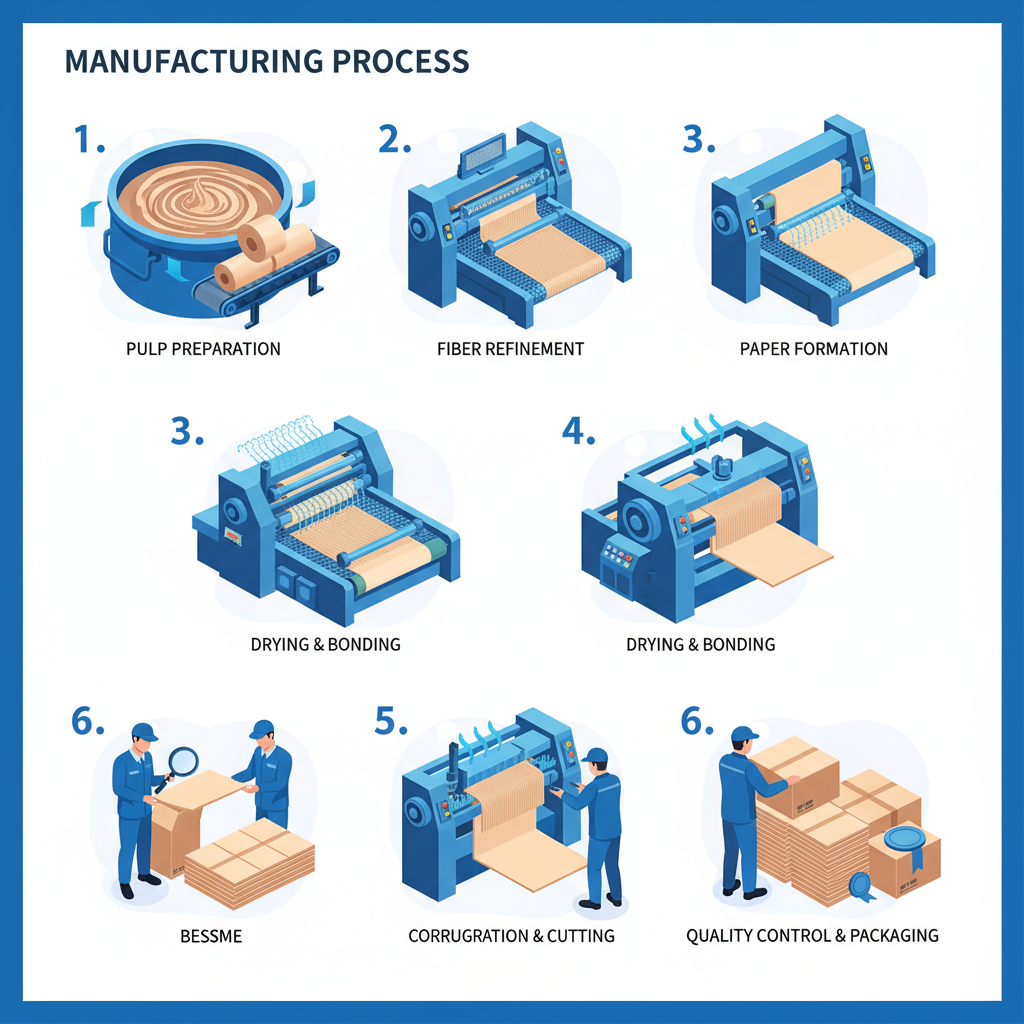
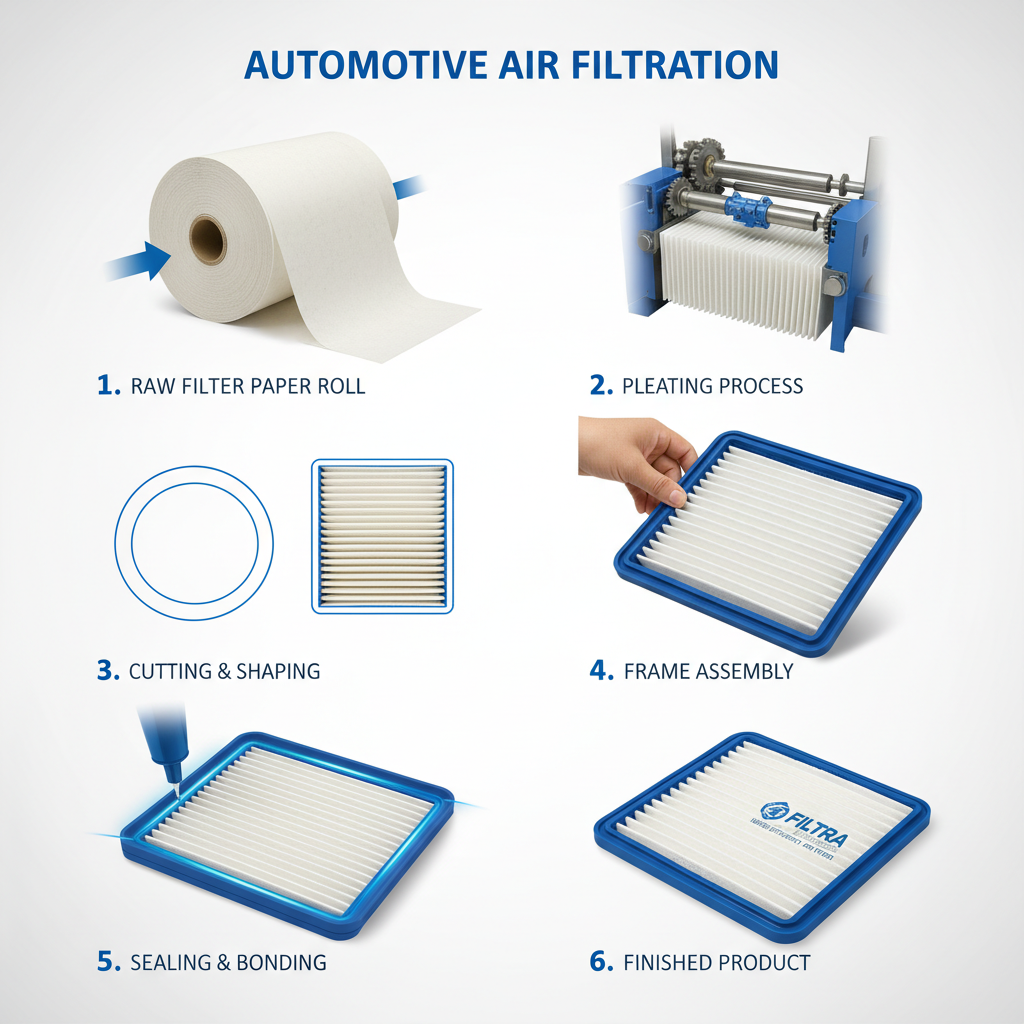
Air cooler filter paper, at its core, is a highly absorbent material designed to facilitate the evaporative cooling process within air coolers. It’s typically constructed from layers of cellulose or synthetic fibers, strategically engineered to maximize water uptake and surface area. The performance of this seemingly simple component directly influences the cooler’s efficiency, airflow, and overall cooling capacity.

Beyond its functional role, the choice of materials and manufacturing processes for air cooler filter paper has significant environmental implications. Traditional cellulose-based filters can contribute to deforestation if sourced unsustainably. However, advancements in recycled cellulose and synthetic alternatives offer more eco-friendly options. Understanding these factors is crucial for making informed decisions and promoting sustainable cooling practices.

Defining Air Cooler Filter Paper

Air cooler filter paper is a specialized absorbent pad used in evaporative coolers to cool air through the process of evaporation. Unlike traditional air conditioning which uses refrigerants, evaporative coolers use the natural cooling effect of water evaporation. The filter paper acts as a medium to distribute water evenly and maximize the surface area for evaporation, leading to a drop in air temperature.

This technology is particularly relevant in arid and semi-arid regions where the air is dry, allowing for greater evaporative cooling efficiency. Its connection to modern humanitarian needs is strong, as it provides a low-cost, energy-efficient cooling solution for communities with limited access to electricity.

The filter paper isn't merely a passive component; its structure is carefully designed to optimize water flow and prevent channeling, ensuring consistent cooling performance. Material composition also affects its resistance to algae growth and its overall lifespan, contributing to the cooler's operational costs and maintenance requirements.

Key Characteristics of Air Cooler Filter Paper

Several key characteristics define the quality and performance of air cooler filter paper. Absorbency is paramount, dictating how efficiently water is drawn up and distributed across the pad's surface. High absorbency translates to greater cooling capacity.

Durability is another crucial factor. The filter paper must withstand constant exposure to water, airflow, and potential contaminants without degrading or losing its structure. A robust filter extends the cooler’s operational life and reduces the frequency of replacements.

Air Permeability allows for sufficient airflow through the wet pad, facilitating evaporation. A balanced permeability prevents water saturation and maintains optimal cooling. Finally, Algae Resistance is vital, as algae growth can clog the filter, reduce efficiency, and potentially create unhealthy air quality.

Global Applications and Use Cases

Air cooler filter paper finds widespread application in diverse settings. In residential cooling, it powers evaporative coolers used in homes and apartments across hot and arid regions like the southwestern United States, Australia, and the Middle East.

In commercial and industrial sectors, larger evaporative cooling systems utilizing air cooler filter paper are employed in warehouses, factories, greenhouses, and livestock farms. These systems provide cost-effective cooling for large spaces.

In post-disaster relief operations and remote communities, portable evaporative coolers with replaceable filter paper offer a vital cooling solution where access to electricity is limited. In remote industrial zones, where traditional air conditioning is impractical or expensive, evaporative coolers provide a sustainable and reliable alternative.

Air Cooler Filter Paper Performance Metrics


Advantages and Long-Term Value

The benefits of utilizing high-quality air cooler filter paper are multifaceted. Cost efficiency is a major advantage, as evaporative cooling consumes significantly less energy than traditional air conditioning, leading to lower electricity bills. This affordability makes it accessible to a wider range of consumers and businesses.

Sustainability is another key benefit. Evaporative coolers use water as a refrigerant, eliminating the need for harmful chemical refrigerants that contribute to ozone depletion and global warming. The long-term value extends to reduced environmental impact and a more sustainable cooling solution.

Future Trends and Innovations

The future of air cooler filter paper is focused on enhancing performance and sustainability. Emerging trends include the development of biodegradable filter materials made from renewable resources, minimizing environmental impact.

Nanotechnology is being explored to enhance water absorption and antimicrobial properties, increasing filter efficiency and longevity. The integration of smart sensors into filter systems could allow for real-time monitoring of performance and automated filter replacement notifications, optimizing cooling efficiency and reducing maintenance costs.

Challenges and Solutions

One of the primary challenges associated with air cooler filter paper is preventing algae growth and mineral buildup. This can reduce airflow and cooling efficiency. Solutions include incorporating antimicrobial agents into the filter material and implementing regular cleaning and maintenance routines.

Another challenge is maintaining consistent water distribution across the filter pad. Uneven water flow can lead to reduced cooling performance and premature filter degradation. Improvements in filter design and manufacturing processes, focusing on even fiber distribution and optimized pore size, can address this issue.

Finally, ensuring sustainable sourcing of filter materials is crucial. Promoting the use of recycled cellulose and developing biodegradable synthetic alternatives will minimize the environmental impact of air cooler filter paper production and disposal.

Summary of Key Challenges and Solutions for Air Cooler Filter Paper

Challenge Impact on Performance Proposed Solution Implementation Cost (1-10)
Algae and Mineral Buildup Reduced Airflow, Lower Cooling Efficiency Antimicrobial Filter Coating 6
Uneven Water Distribution Inconsistent Cooling, Premature Degradation Optimized Fiber Distribution in Filter 7
Low Filter Durability Frequent Replacement, Increased Costs Enhanced Fiber Bonding & Material Strength 8
Non-Sustainable Materials Environmental Impact, Resource Depletion Use of Recycled Cellulose or Biodegradable Synthetics 5
Limited Air Permeability Reduced Evaporation Rate Optimized Pore Size and Filter Structure 4
High Initial Cost Barriers to Adoption Economies of Scale in Production, Material Innovation 6

FAQS

How often should I replace the air cooler filter paper?

The frequency of replacement depends on usage and water quality. Generally, replacing the filter paper every 1-3 months is recommended for optimal performance. If you notice a decrease in cooling efficiency, visible buildup of mineral deposits, or algae growth, it's time for a change. Regularly inspecting your filter will help maintain a healthy and efficient cooling system. Consider a more frequent replacement schedule if using hard water.

Can I wash and reuse the air cooler filter paper?

While some filter papers may appear clean after washing, it's generally not recommended to reuse them. Washing can damage the delicate fiber structure, reducing its absorbency and overall effectiveness. Additionally, it’s difficult to completely remove mineral deposits and potential contaminants, which can hinder performance and pose health risks. Replacing the filter ensures consistent cooling and optimal air quality.

What is the difference between cellulose and synthetic air cooler filter paper?

Cellulose filter paper is made from wood pulp and is typically more affordable. However, it tends to degrade faster and is more susceptible to algae growth. Synthetic filter paper, often made from polyester or polypropylene, is more durable, resistant to mold and mildew, and offers better performance over time. While generally more expensive upfront, synthetic filters often provide a longer lifespan and better value.

How does filter paper affect the humidity in the room?

Air cooler filter paper plays a crucial role in increasing humidity. As water evaporates through the pad, it adds moisture to the air, creating a cooling effect. The amount of humidity added depends on the filter's absorbency, airflow rate, and the initial dryness of the air. This is particularly beneficial in dry climates but may be less desirable in already humid environments.

What should I look for when choosing air cooler filter paper?

When selecting filter paper, consider absorbency, durability, air permeability, and algae resistance. Also, check for compatibility with your specific air cooler model. Look for filters made from sustainable materials whenever possible. Reading product reviews and comparing specifications can help you make an informed decision.

How can I prevent algae growth in my air cooler filter paper?

Regular cleaning of your air cooler and filter housing is essential. Consider using distilled or filtered water to minimize mineral buildup. Some filter papers are treated with antimicrobial agents to inhibit algae growth. Ensure proper ventilation around the cooler to reduce humidity and discourage mold and mildew. Thoroughly drying the filter before storing it can also help prevent algae growth during off-season periods.

Conclusion

In conclusion, air cooler filter paper is far more than just a simple component; it’s a crucial element in maximizing the efficiency, sustainability, and overall performance of evaporative cooling systems. From its role in providing affordable and energy-efficient cooling to its potential for environmental innovation, understanding the characteristics and advancements in this material is essential for consumers, manufacturers, and policymakers alike. Choosing the right filter paper and implementing proper maintenance practices are key to unlocking the full benefits of evaporative cooling.

Looking ahead, continued research and development in materials science and nanotechnology will undoubtedly lead to even more advanced air cooler filter paper solutions. Embracing these innovations and prioritizing sustainable sourcing practices will not only enhance cooling performance but also contribute to a more environmentally responsible future. Visit our website at www.anyafiltermedia.com to learn more about our range of high-quality air cooler filter paper solutions.

Kevin Thomas

Kevin Thomas

Kevin Thomas is a Research & Development Engineer at Anya Filter Media. Focusing on innovative filter media solutions, Kevin explores new materials and manufacturing processes to enhance the performance and efficiency of our products. He is currently focused on improving fuel and water separation filter paper and developing more sustainable
Previous Advancements in Air Filter Paper Material for Enhanced Air Quality and Performance
Next Exploring the Landscape of Air Filter Paper Materials and Design Considerations

If you are interested in our products, you can choose to leave your information here, and we will be in touch with you shortly.


WhatsApp Online Chat !