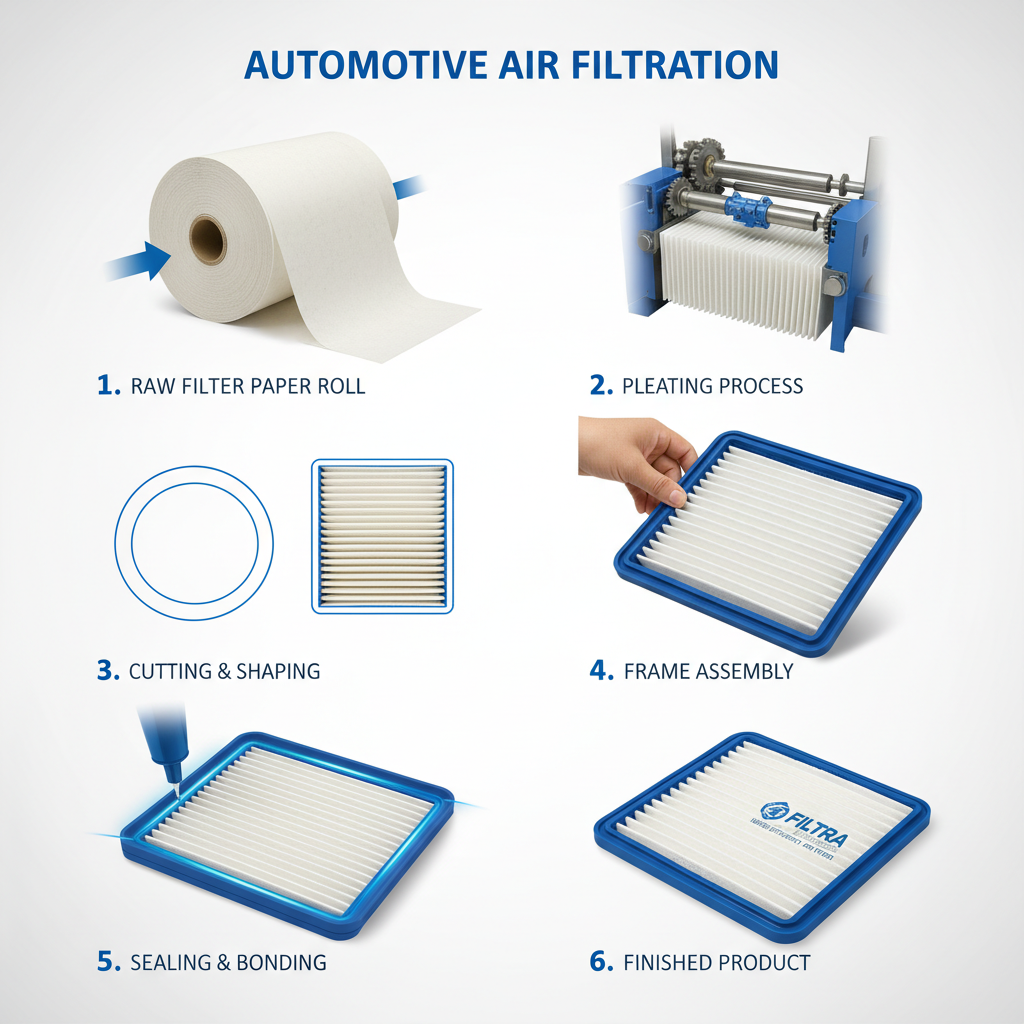
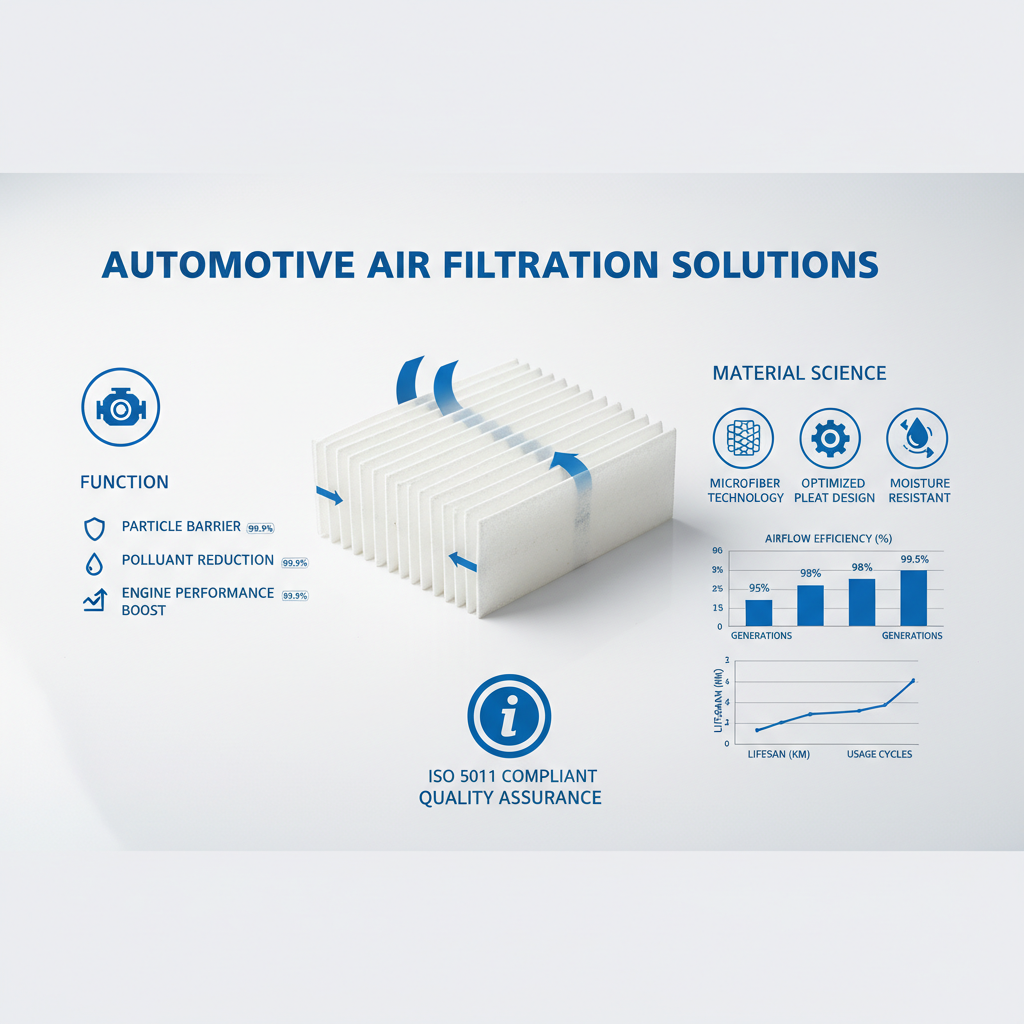
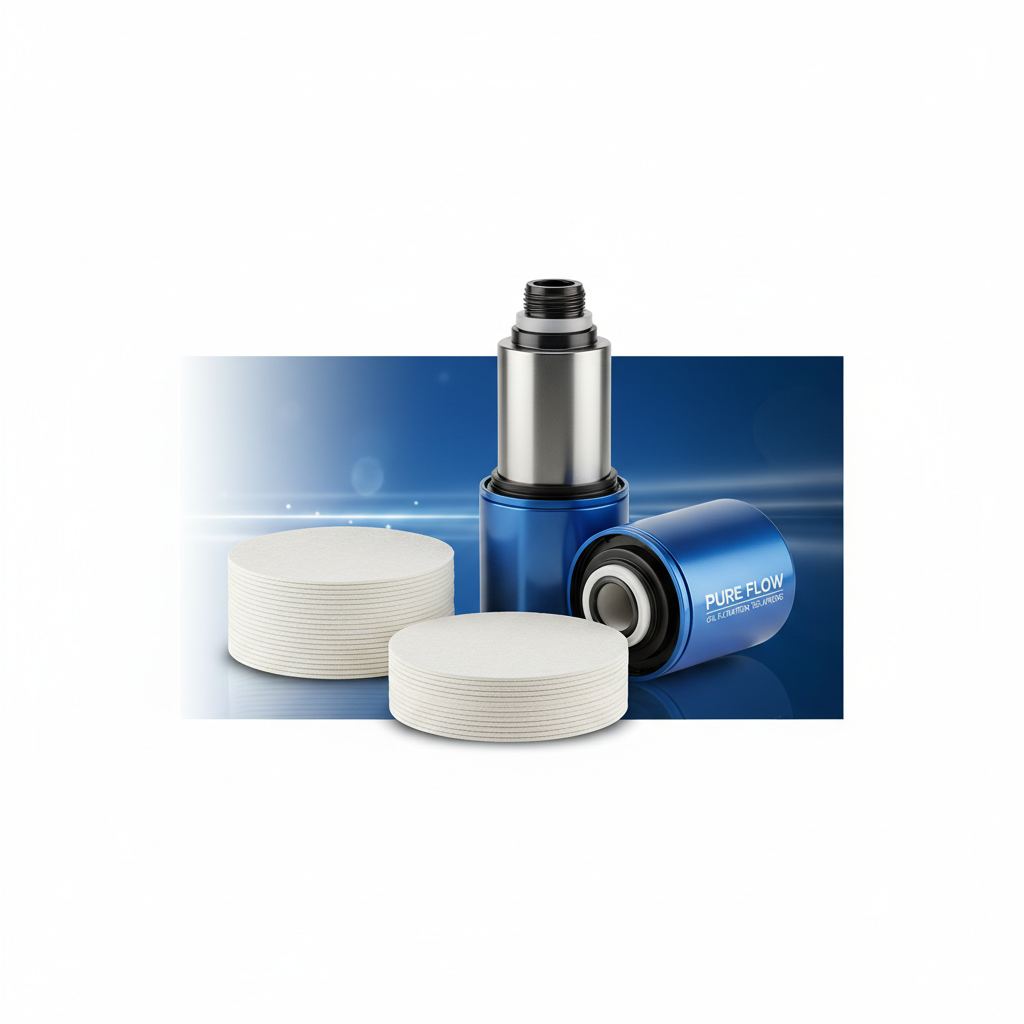
Automotive air filter paper isn’t just about keeping engines clean; it’s the silent guardian of performance, efficiency, and longevity in every vehicle on the road. From the family sedan to heavy-duty trucks, this seemingly simple component plays a critical role in protecting sensitive engine parts from abrasive particles, ensuring optimal air flow, and ultimately, driving a smoother, more reliable experience. As someone who spends my days knee-deep in the details of vehicle construction and maintenance, I can tell you firsthand – a quality air filter paper is non-negotiable. It's a fundamental aspect of engine health, impacting everything from fuel economy to emissions.
The global automotive industry is a massive engine of economic activity, with millions of vehicles produced each year. According to the United Nations Statistics Division, global motor vehicle production reached over 97 million units in 2023. This translates to a colossal demand for automotive air filter paper, a demand that's only increasing with the growing vehicle parc, especially in emerging markets. However, alongside this growth comes the challenge of ensuring consistent quality and performance across a diverse range of operating conditions and vehicle types.
The reality is, a clogged or poorly performing air filter doesn’t just impact engine power; it can lead to premature wear and tear, costly repairs, and even engine failure. I’ve seen it happen too many times on construction sites – neglecting this small component can cascade into major problems, leading to significant downtime and expenses. That’s why understanding the nuances of automotive air filter paper – its composition, filtration efficiency, and durability – is paramount for both manufacturers and vehicle owners.
The Significance of Automotive Air Filter Paper
Let's be clear: automotive air filter paper isn't a glamorous component. But it's the first line of defense against a host of contaminants – dust, pollen, dirt, insects, even road salt – that can wreak havoc on an engine. The paper’s job is to trap these particles while allowing maximum airflow, a delicate balance that directly impacts engine performance. The quality of this paper isn’t just about microns and filtration rates; it's about real-world reliability and preventing costly downtime, something I witness constantly on job sites.
From a practical standpoint, choosing the right automotive air filter paper means selecting a product that can withstand the specific conditions your vehicle will encounter. A construction truck working in a dusty environment needs a far more robust filter than a commuter car driving primarily on highways. Understanding these nuances and matching the filter to the application is key to maximizing engine lifespan and minimizing maintenance costs.
Industry Context and Global Demand
The automotive industry is undergoing a massive transformation, driven by electrification, autonomous driving, and increasing fuel efficiency standards. This shift is indirectly increasing the focus on air filtration. While electric vehicles don't have internal combustion engines, they still require cabin air filters to protect passengers from pollutants. Even as the industry evolves, the need for high-quality filtration materials isn't going away. The ISO 16889 standard dictates the performance requirements for air filter elements; adhering to this is crucial for manufacturers.
Growth in emerging economies like China, India, and Brazil is driving significant demand for vehicles and, consequently, for automotive air filter paper. These regions often have harsher operating conditions – more dust, higher temperatures, and poorer air quality – which place even greater demands on filtration systems. The World Bank projects continued economic growth in these regions, further fueling this demand.
However, this growth also presents challenges. Ensuring consistent quality control and supply chain resilience is critical, especially in light of recent global disruptions. We need reliable sources for this essential component, capable of meeting the increasing demands of a rapidly evolving automotive landscape.
Defining Automotive Air Filter Paper
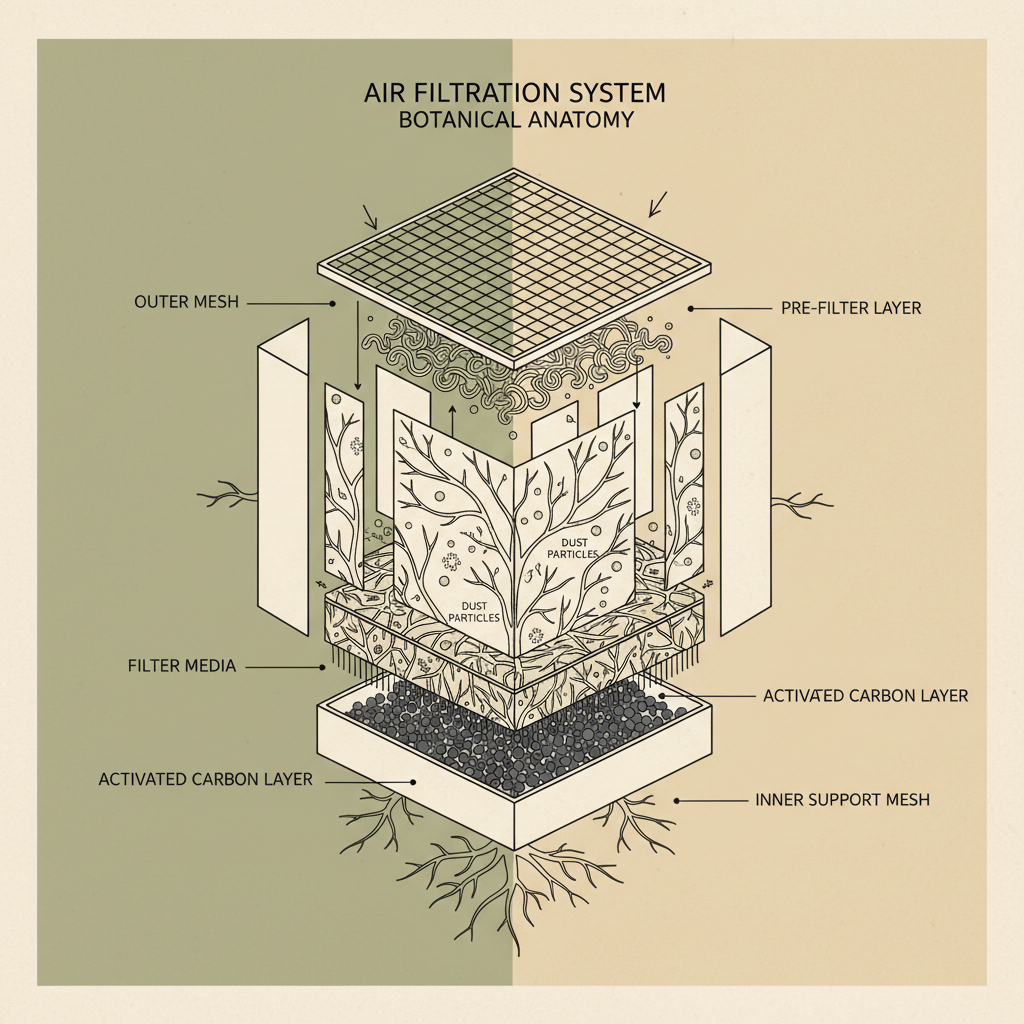
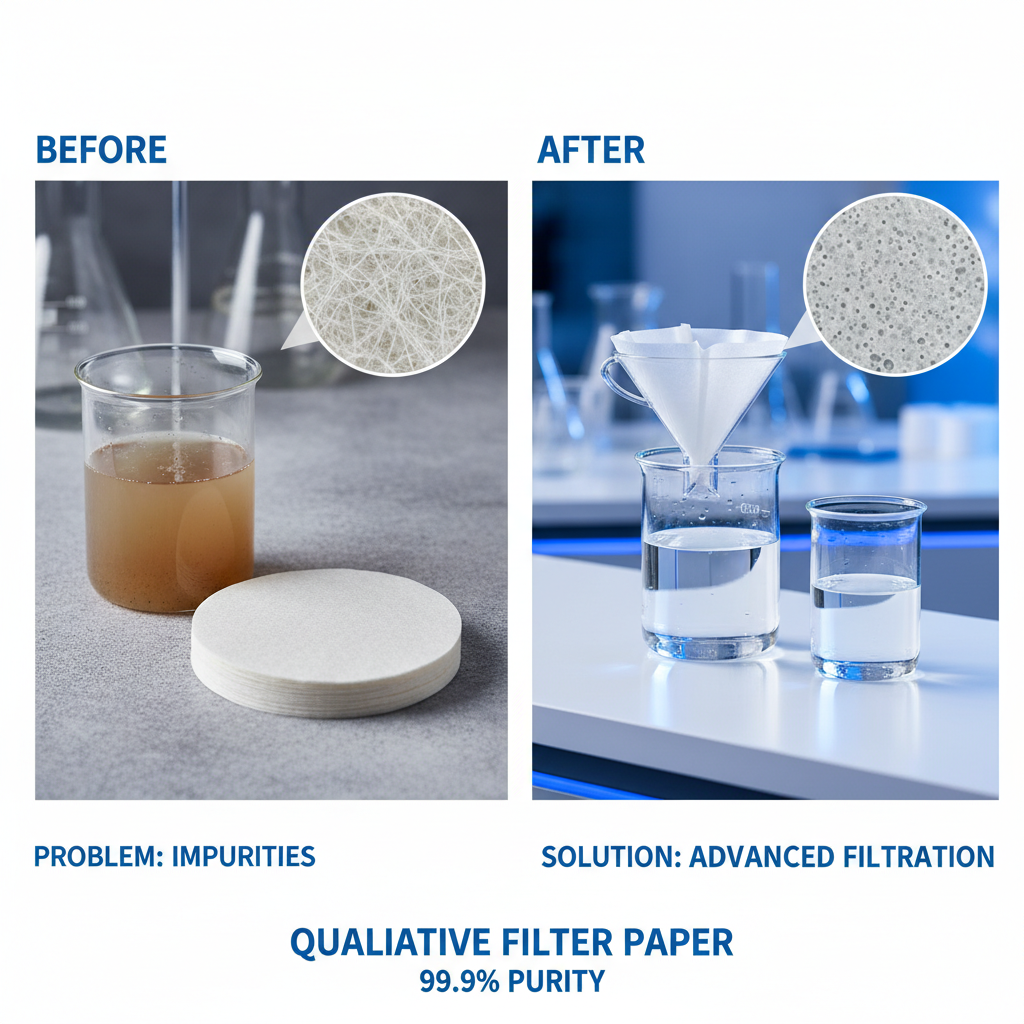
Automotive air filter paper is a specialized nonwoven fabric engineered to remove particulate contaminants from the air entering an internal combustion engine. It's typically made from cellulose, synthetic fibers (like polyester or polypropylene), and a resin binder. The structure is designed to provide a large surface area for capturing particles while maintaining low airflow resistance. This balance is critical for optimal engine performance.
Its connection to modern industry extends beyond simply keeping engines clean. The development of advanced air filter paper relies on materials science, chemical engineering, and manufacturing precision. It’s a direct example of how innovation in seemingly small components can have a significant impact on larger systems. It's a vital component in meeting increasingly stringent emissions regulations, helping vehicles operate more cleanly and efficiently.
Ultimately, the purpose of automotive air filter paper isn't just about protecting the engine; it’s about protecting the environment. By ensuring optimal combustion, these filters help reduce harmful emissions and contribute to cleaner air quality. It's a small but crucial contribution to a more sustainable future.
Core Characteristics of High-Quality Paper
When I’m inspecting materials on a site, there are several key characteristics I look for in automotive air filter paper. First and foremost is filtration efficiency, measured by its ability to capture particles of various sizes. A higher efficiency rating means better protection for the engine. Secondly, airflow resistance is crucial; a filter that restricts airflow will reduce engine power and fuel economy.
Next, durability is paramount. The paper must be able to withstand exposure to moisture, heat, and vibration without degrading or losing its filtration properties. Then there’s structural integrity. It needs to hold its shape under pressure and not tear or fall apart over time. Finally, consistency is key – every filter needs to perform to the same high standard.
Automotive Air Filter Paper Performance Metrics
Real-World Applications Across Sectors
Automotive air filter paper isn’t limited to passenger vehicles. It’s crucial in heavy-duty trucks, buses, construction equipment, agricultural machinery, and even motorcycles. Every engine that needs clean air relies on this technology. On construction sites, the filters in excavators and loaders take a beating, dealing with immense dust and debris. We need filters that can handle these harsh conditions.
In remote industrial zones, where air quality is often compromised, reliable air filtration is essential for maintaining equipment uptime and minimizing maintenance costs. The mining industry, for instance, relies heavily on durable filters to protect equipment operating in extremely dusty environments. Even in disaster relief operations, ensuring access to clean air for generators and emergency vehicles is critical, and that relies on quality filter paper.
Advantages and Long-Term Value Proposition
The benefits of investing in high-quality automotive air filter paper extend far beyond just engine protection. Improved fuel economy, reduced emissions, and extended engine life all contribute to significant cost savings over the vehicle's lifespan. From a sustainability perspective, reducing emissions helps protect the environment and contribute to cleaner air.
There’s a psychological element too. Knowing your vehicle is well-maintained and protected instills confidence and peace of mind. It’s about reliability, preventing unexpected breakdowns, and avoiding the hassle and expense of repairs. A well-maintained engine simply runs better and feels better. That peace of mind translates to customer loyalty and trust.
Future Trends and Innovations
We’re seeing a lot of innovation in the realm of automotive air filter paper. Nanomaterials are being explored to enhance filtration efficiency and reduce airflow resistance. Electret filters, which use static electricity to attract particles, are also gaining traction. Biodegradable filter materials are another area of research, driven by the increasing demand for sustainable products.
Digitalization is also playing a role. Smart filters equipped with sensors can monitor filter condition and provide real-time data on air quality, allowing for proactive maintenance and optimization. Automation in manufacturing processes is improving consistency and reducing production costs.
Ultimately, the future of automotive air filter paper is about developing smarter, more efficient, and more sustainable solutions that protect engines, improve air quality, and contribute to a cleaner transportation future. We are consistently exploring automotive air filter paper to create the best solution.
Summary of Challenges and Solutions in Automotive Air Filter Paper Technology
| Challenge |
Impact on Performance |
Potential Solution |
Implementation Cost (1-10) |
| Low Filtration Efficiency |
Reduced engine lifespan, increased wear |
Implement nanomaterials for increased surface area |
7 |
| High Airflow Resistance |
Decreased engine power, reduced fuel economy |
Optimize fiber structure and resin binder |
6 |
| Poor Durability |
Frequent filter replacements, increased maintenance costs |
Utilize more robust synthetic fibers |
8 |
| Inconsistent Manufacturing |
Variable performance, reduced reliability |
Implement automated quality control systems |
9 |
| Environmental Impact |
Non-biodegradable materials, landfill waste |
Develop biodegradable filter materials |
5 |
| Cost Constraints |
Limited adoption of advanced technologies |
Optimize manufacturing processes and material sourcing |
4 |
FAQS
As a general rule, your air filter should be replaced every 12,000 to 15,000 miles, or annually, whichever comes first. However, if you frequently drive in dusty or dirty conditions, you may need to replace it more often. A visual inspection can help - if the filter appears dirty or clogged, it's time for a replacement. Neglecting this can lead to reduced engine performance and fuel economy. A clean filter ensures optimal airflow and protects your engine from harmful particles.
Paper filters are the most common and affordable, providing adequate filtration for everyday driving. Cotton filters are washable and reusable, offering good airflow but potentially less filtration efficiency than paper. Synthetic filters, like those made from polypropylene, offer a balance of filtration and airflow, often surpassing paper filters in both areas. I generally recommend synthetic filters for heavier-duty applications or vehicles operating in harsh environments. They also last longer than typical paper filters.
Absolutely. A clogged air filter restricts airflow to the engine, forcing it to work harder to draw in the air it needs for combustion. This reduces fuel efficiency. Think of it like breathing through a straw – it requires more effort. Replacing a dirty air filter can often result in a noticeable improvement in gas mileage. It's a simple and inexpensive way to save money at the pump.
Micron rating refers to the size of particles that a filter can capture. A lower micron rating means the filter can trap smaller particles. For example, a 10-micron filter can trap particles 10 micrometers in size and larger. The smaller the micron rating, the better the filtration, but it can also increase airflow resistance. Finding the right balance is key to optimal performance.
Several signs indicate a clogged air filter. These include reduced engine power, decreased fuel economy, unusual engine noises (like whistling), and a check engine light. Visually inspecting the filter is the easiest way – if it's dark gray or black with visible dirt and debris, it’s time to replace it. Don’t wait for the engine to struggle; proactive replacement is always best.
Not necessarily. Price doesn’t always equate to performance. While some high-end filters offer superior filtration and durability, a mid-range filter from a reputable brand can often provide excellent performance at a more reasonable price. It’s important to consider your driving conditions and vehicle type when choosing a filter. A filter perfectly suited to your needs is better than simply the most expensive option.
Conclusion
Automotive air filter paper is a seemingly simple component with a profound impact on engine performance, fuel efficiency, and environmental sustainability. From its core characteristics – filtration efficiency, airflow resistance, and durability – to the innovative materials and technologies driving its evolution, understanding this essential element is crucial for anyone involved in the automotive industry. It is the first line of defense for your engine.
Looking ahead, continued advancements in materials science and manufacturing will lead to even more efficient, durable, and sustainable air filtration solutions. Investing in quality air filter paper isn’t just about protecting your engine; it’s about investing in a cleaner, more reliable future. For more information and to explore our range of high-performance filters, visit our website: www.anyafiltermedia.com.