You know, I've been running around construction sites all year, getting my hands dirty with materials, and talking to engineers. Honestly, the biggest trend I've seen lately is everyone chasing higher efficiency and lower costs. It’s always the same story, isn't it? But this time it feels… different. There's a real push for more sustainable materials too, which is good, although sometimes it feels like greenwashing.
The thing is, a lot of folks in design forget what it's actually like on the ground. They'll come up with something that looks beautiful on a computer screen, but is a nightmare to assemble or maintain. I encountered this at a factory in Ningbo last time – they designed a panel with these tiny, recessed screws. I mean, seriously? You need a special tool just to get started! It's a classic trap, over-engineering for the sake of it.
We mostly work with polypropylene for the housings, and sometimes ABS. Polypropylene… you can smell it, that slightly plastic-y odor. It’s tough stuff, but it can get brittle in the cold. ABS is a bit more forgiving, a little heavier, feels smoother. But both require careful handling – scratches easily, and dust clings to it like crazy. You gotta keep it covered, especially during transport.
The Current Landscape of air filter paper
Strangely enough, everyone's talking about increasing filtration efficiency and extending lifespan, but nobody wants to pay a buck more. It’s all about finding that sweet spot, you know? A lot of the new stuff focuses on nanofiber technology, which is promising, but scaling it up for mass production… that's the challenge.
The demand is definitely rising, especially in regions with rapid industrialization and increasing air pollution concerns. Places like India and Southeast Asia are huge markets. And with all the wildfires happening globally, even traditionally ‘clean’ air areas are seeing a spike in demand.
Common Design Pitfalls in air filter paper
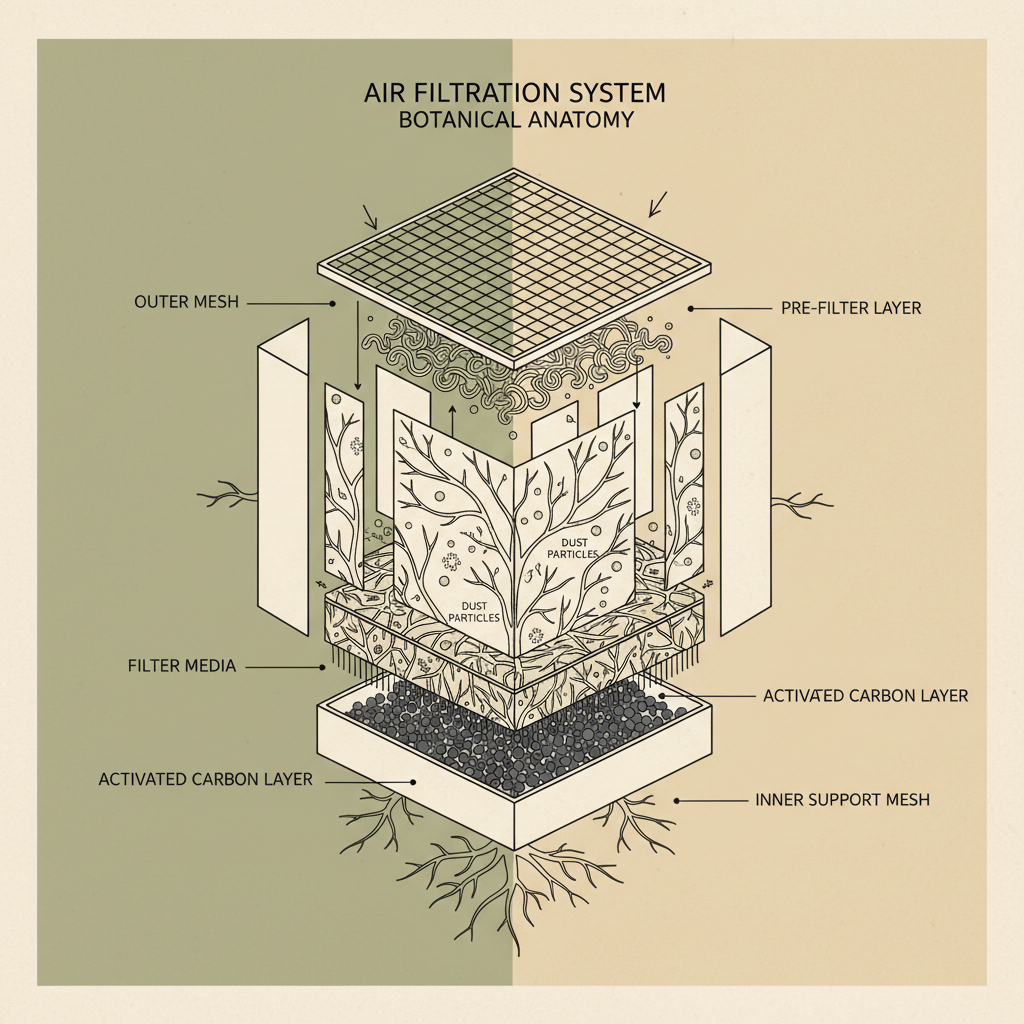
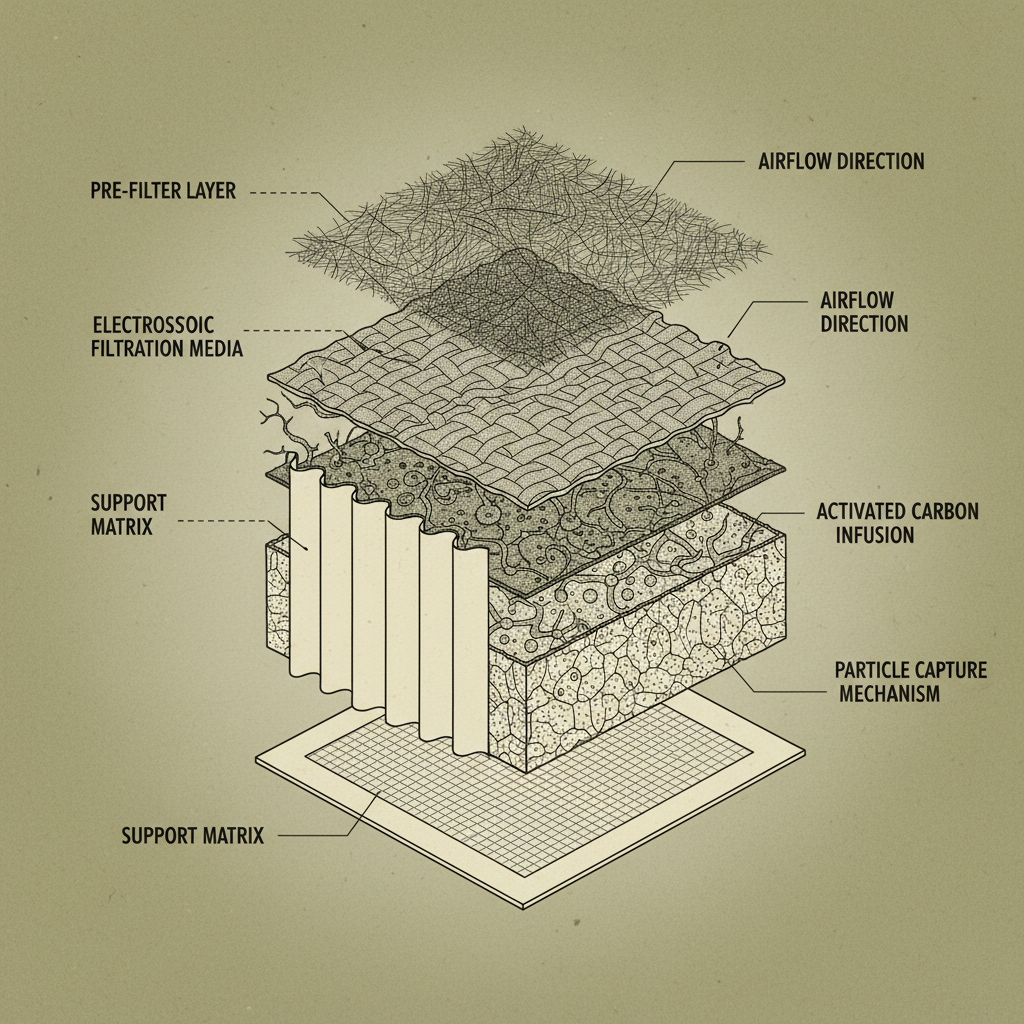
I see a lot of designs where the filter media isn't properly supported. You get channeling, where the air bypasses the filter entirely. Waste of money, really. And another thing – inadequate sealing. If there's a leak around the edges, all that dirty air just goes straight through. It seems simple, but you'd be surprised how often it happens.
They often underestimate the pressure drop. A super-fine filter might catch everything, but if it restricts airflow too much, the whole system suffers. You need to balance filtration efficiency with permeability.
And don't even get me started on designs that make filter changes difficult. If a technician has to spend 20 minutes wrestling with a filter housing, they're not going to be happy. Simple, tool-less access is key.
Materials and Their Nuances in air filter paper
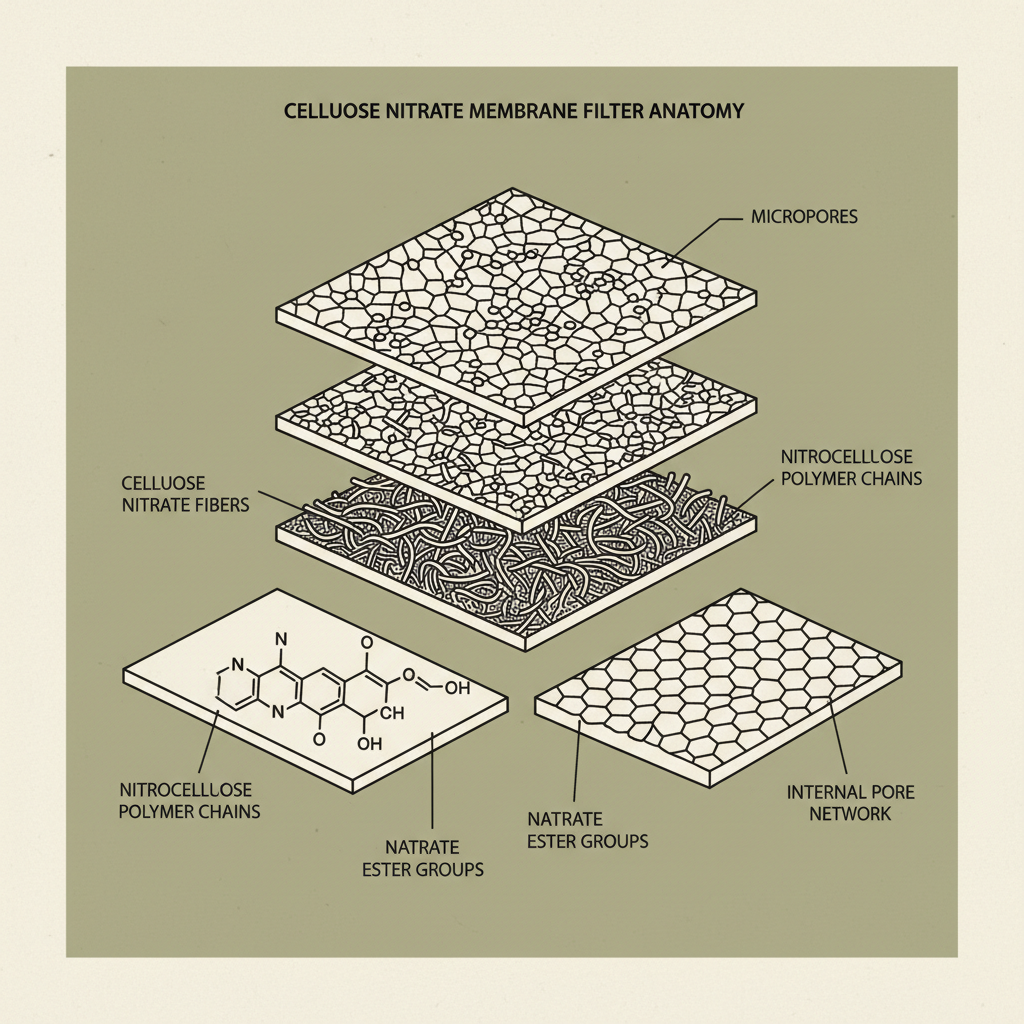
We mostly deal with synthetic fibers—polypropylene, polyester, sometimes a blend. Polypropylene’s good for general purpose filtration; it’s affordable and gets the job done. But if you need something that can withstand higher temperatures or harsher chemicals, you need to go with polyester.
Have you noticed how different filter papers feel? Some are rough and scratchy, others are soft and almost velvety. That texture matters. A rougher texture can increase the surface area for capturing particles, but it also increases the pressure drop. It’s all trade-offs. You get a slight chemical smell with some of the treated papers, not pleasant, but it means they've added something to enhance performance.
Activated carbon is a game changer for odor control and removing volatile organic compounds (VOCs). But it’s expensive, and it needs to be properly integrated into the filter matrix. A poorly designed carbon filter is just… a waste of carbon.
Rigorous Testing of air filter paper – Beyond the Lab
Lab tests are important, sure—efficiency ratings, pressure drop measurements, particle size distribution. But honestly, those numbers don't always tell the whole story. We need real-world testing. I've seen filters pass all the lab tests but fall apart after a week on a dusty construction site.
We often test in actual HVAC systems, in workshops with welding fumes, even in cars driving on dusty roads. It’s messy, but it gives us a much better idea of how the filter will perform under real conditions. I’ve personally spent hours monitoring airflow and collecting dust samples. It’s not glamorous, but it’s necessary.
air filter paper Performance Comparison
Real-World Application of air filter paper
You see them everywhere, obviously – HVAC systems, automotive cabins, industrial dust collectors. But it’s the niche applications that are interesting. Medical facilities, cleanrooms, semiconductor manufacturing… those guys have extremely stringent requirements.
We've even worked on specialized filters for food processing plants, to prevent contamination. It's not just about capturing particles; it’s about maintaining sterility and preventing the growth of mold and bacteria.
Advantages and Disadvantages of air filter paper
The big advantage, of course, is improved air quality. That translates to better health, reduced equipment downtime, and increased productivity. A good filter can save you a fortune in the long run. But they’re not perfect.
They require regular maintenance, and they eventually need to be replaced. A clogged filter restricts airflow and reduces efficiency. And some of the high-efficiency filters can be quite expensive. It’s a balancing act.
Anyway, I think the biggest drawback is the lack of standardization. Everyone has their own testing methods and efficiency ratings, which makes it hard to compare products.
Customization Options for air filter paper
We can customize almost anything – size, shape, media type, frame material, even the color. Last month, that small boss in Shenzhen who makes smart home devices insisted on changing the interface to , even though it wasn't necessary for the application. He said it "looked more modern." It added cost and complexity, but hey, it was his call.
We’ve also done filters with integrated sensors that monitor pressure drop and alert users when it’s time for a replacement. That’s a big selling point for predictive maintenance.
And we can add antimicrobial coatings to prevent the growth of mold and bacteria, which is crucial for healthcare applications.
Summary of Air Filter Paper Customization Options
| Customization Parameter |
Available Options |
Typical Cost Impact |
Lead Time (Weeks) |
| Size & Dimensions |
Standard & Custom |
Low |
1-2 |
| Filter Media |
Polypropylene, Polyester, Activated Carbon, HEPA |
Medium |
2-4 |
| Frame Material |
Plastic, Metal, Cardboard |
Low-Medium |
1-3 |
| Antimicrobial Coating |
Silver Ion, Copper Ion |
Medium-High |
3-5 |
| Integrated Sensors |
Pressure Drop, Particle Count |
High |
4-6 |
| Color/Branding |
Custom Colors, Logo Printing |
Low |
2-3 |
FAQS
That depends, really. A lot of factors play in – how much dust is in the air, whether you have pets, if anyone in the house has allergies. Generally speaking, you should replace it every 1-3 months. But honestly, if it looks dirty, change it. It's cheap insurance for your HVAC system and your health.
Not at all. The MERV rating tells you how well a filter captures particles of different sizes, but it doesn't tell you everything. The quality of the materials, the construction of the filter, and the airflow resistance all matter. I’ve seen filters with the same MERV rating perform drastically differently in real-world tests.
Generally, no. Most disposable air filter paper are designed for single use. Washing them can damage the fibers and reduce their efficiency. Plus, you risk releasing the trapped particles back into the air. It's usually more cost-effective and healthier to just replace them.
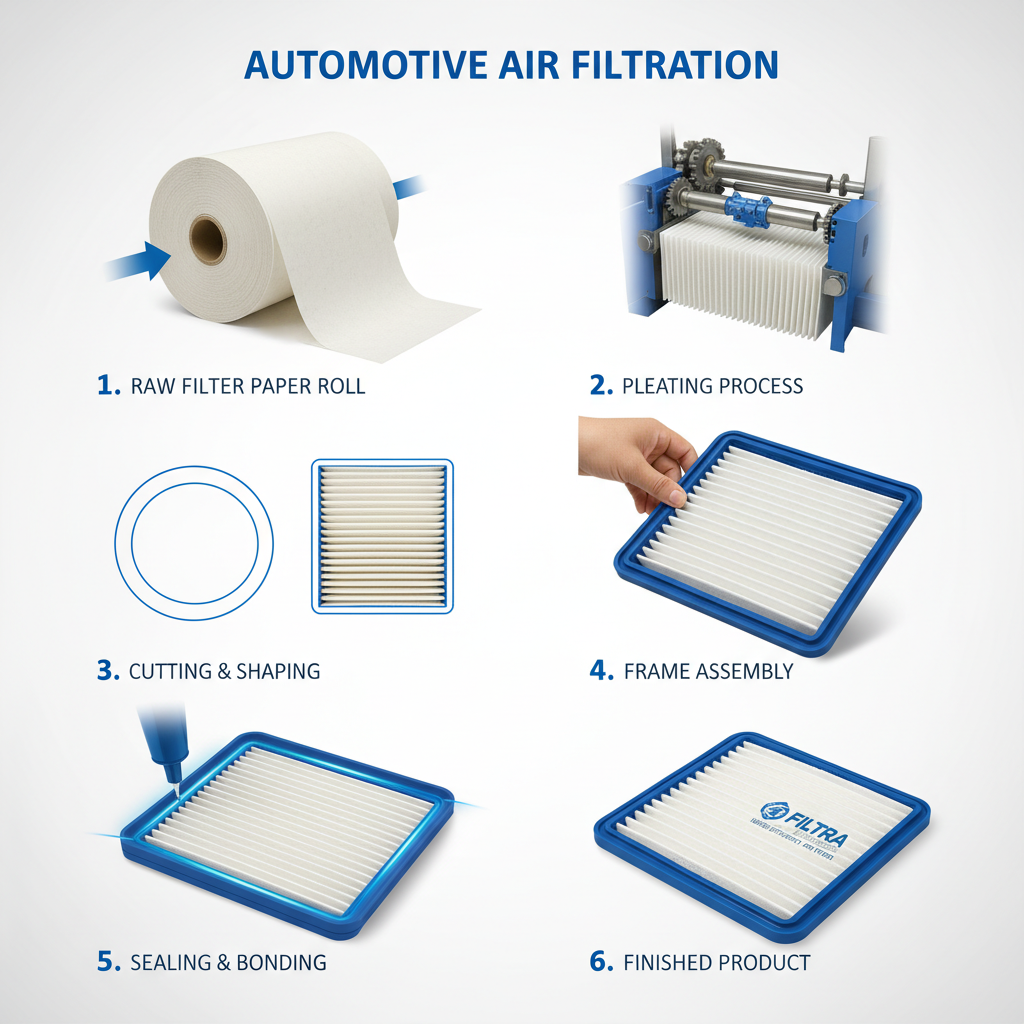
Pleated filters have more surface area than flat panel filters, which means they can capture more dust and debris without significantly restricting airflow. They also tend to last longer. Flat panel filters are cheaper, but you’ll need to replace them more often. It's a trade-off between cost and performance.
If you notice reduced airflow from your vents, or if your energy bills are higher than usual, it could be a sign that your filter is clogged. Also, visually inspect the filter – if it’s covered in dust and debris, it’s time for a change. Don't wait until it's completely blocked, or you could damage your HVAC system.
Yes, there are. Some manufacturers are using recycled materials or biodegradable filter media. They’re often more expensive, but they’re a good option if you’re trying to reduce your environmental impact. The performance is generally comparable to traditional filters, but it's worth doing your research.
Conclusion
So, ultimately, air filter paper isn't just about numbers and materials. It's about protecting people's health, extending the lifespan of equipment, and improving indoor air quality. From the complexities of nanofiber technology to the simple act of changing a dirty filter, it all plays a role.
And at the end of the day, whether this thing works or not, the worker will know the moment he tightens the screw. If it's easy to install, fits snugly, and doesn’t restrict airflow, then it’s a good filter. If it’s a struggle, or feels flimsy, then it's not. That’s the truth of it, isn’t it? For more information and quality air filter paper solutions, visit our website: www.anyafiltermedia.com