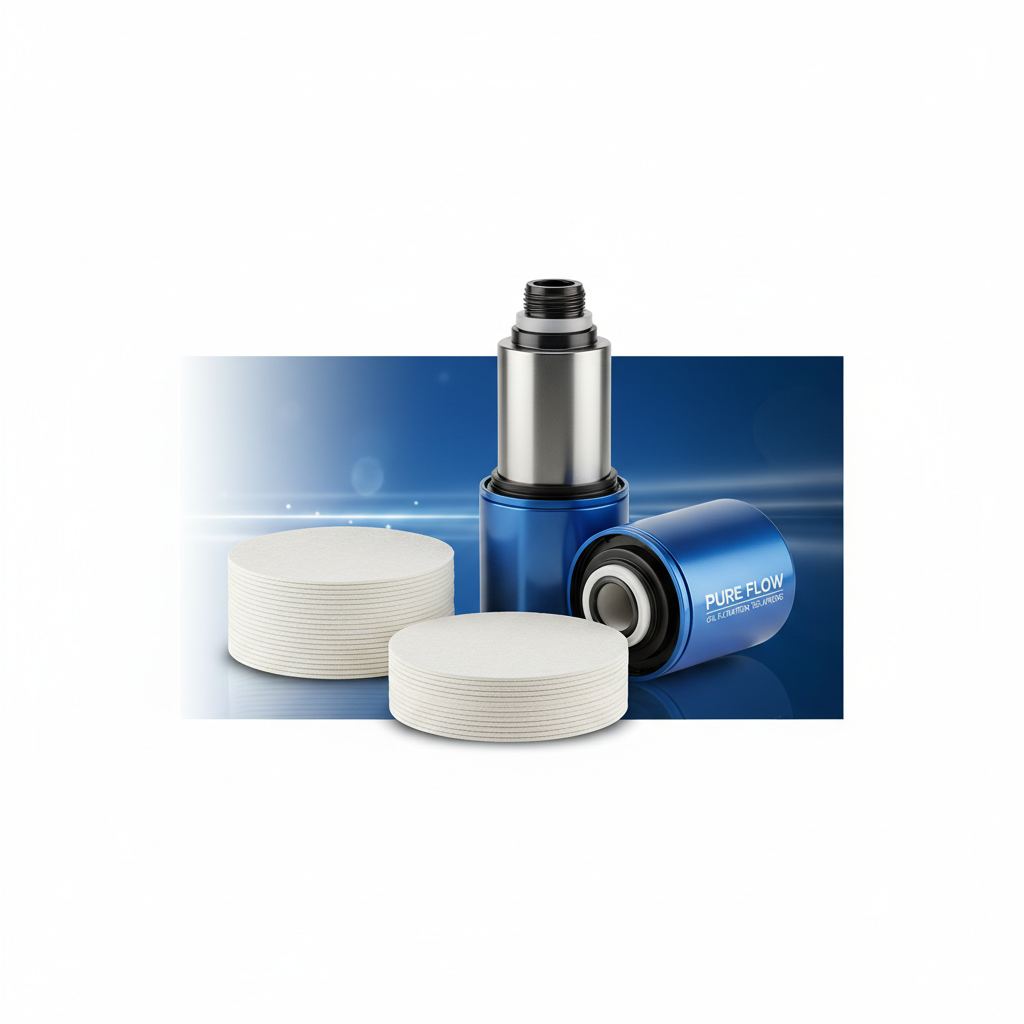
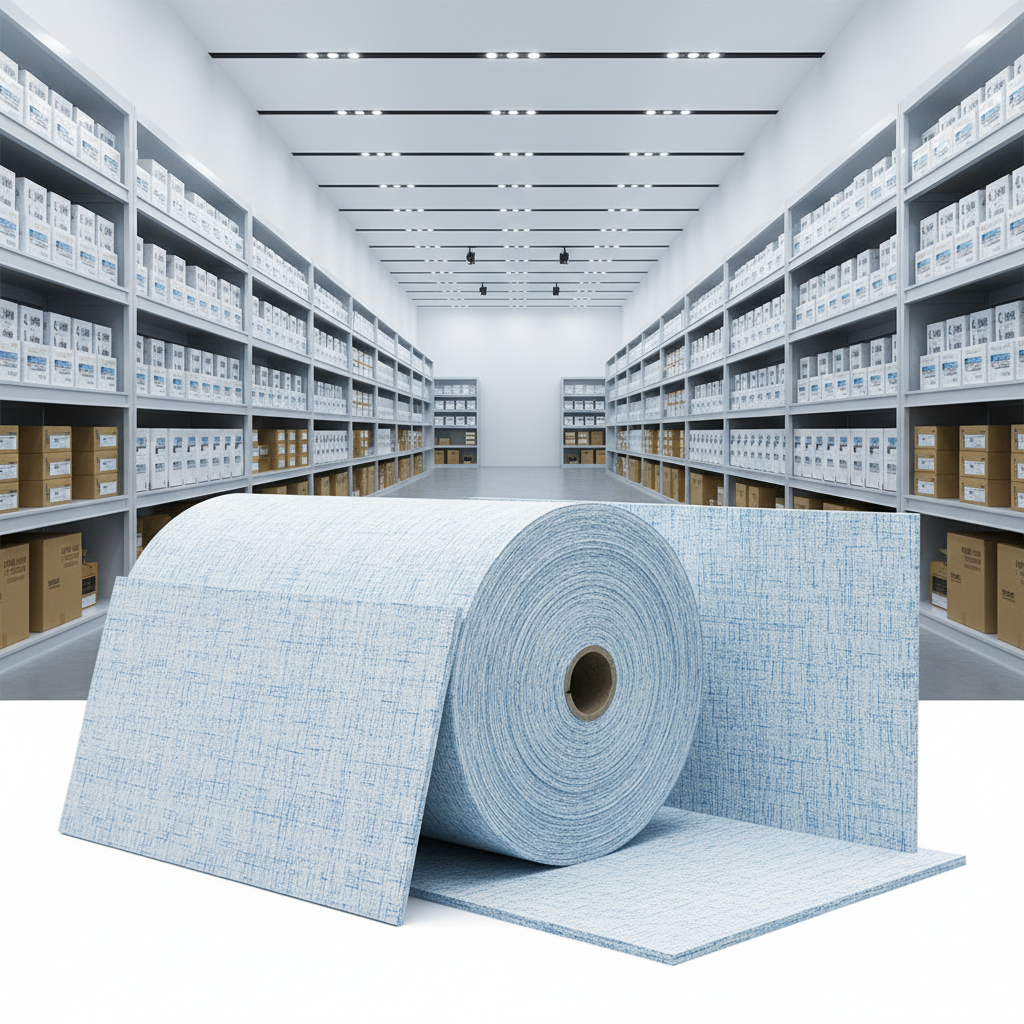
Look, I've spent years walking construction sites, getting dust in my boots and talking to the guys actually building things. When you’re dealing with everything from delicate electronics to brutal concrete pours, having reliable filtration is absolutely critical. That's where quality filter paper manufacturers come in – they're not just selling paper, they're providing a layer of protection for everything from sensitive equipment to the air we breathe. It impacts project timelines, equipment life, and even worker health. Understanding what makes a good filter paper manufacturer isn’t some abstract academic exercise; it’s about keeping things running smoothly on the ground, and saving money in the long run.
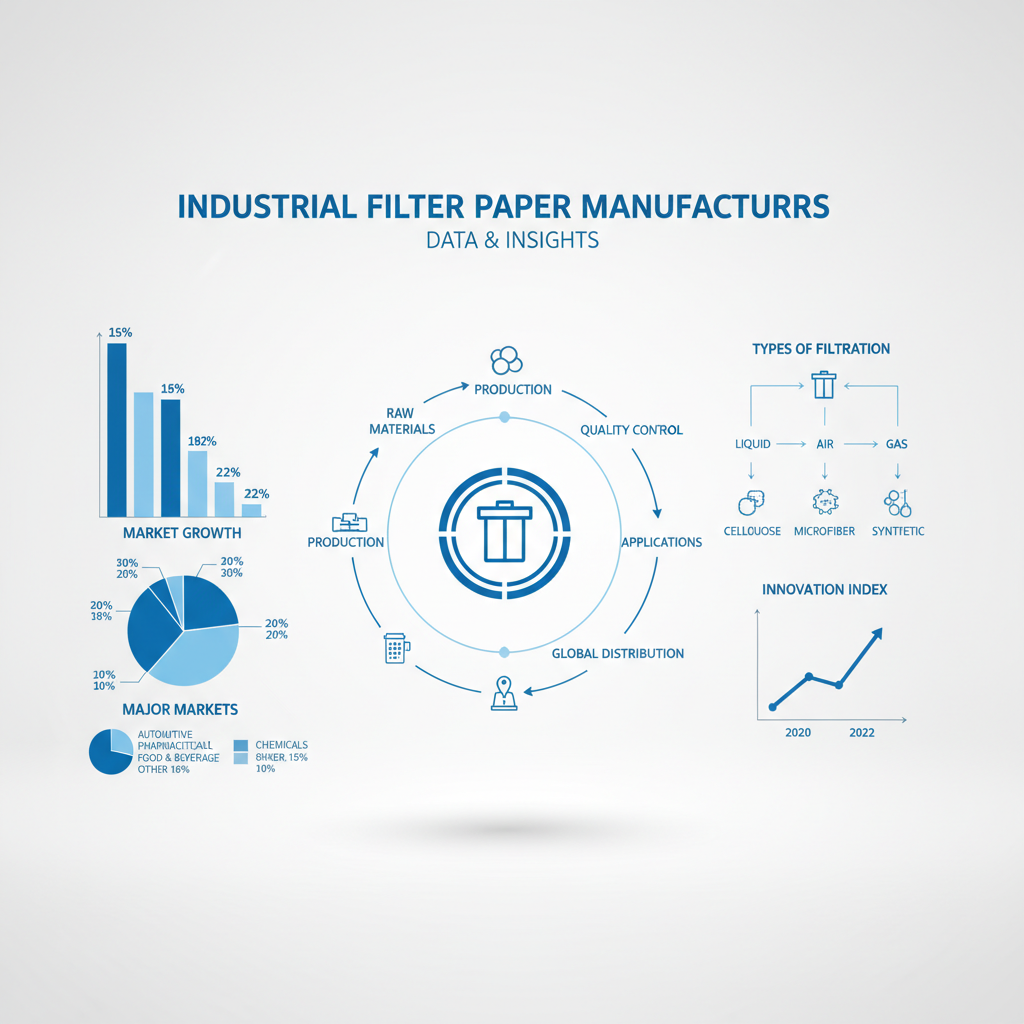
We're talking about a global industry here, a multi-billion dollar market fueled by the relentless pace of construction, manufacturing, and environmental remediation. According to recent reports, the global filter paper market is projected to reach \$12.5 billion by 2028, growing at a CAGR of 4.8% (Source: Grand View Research). But it’s not just about volume. Increasingly, it’s about specialized filters – high-efficiency particulate air (HEPA) filters, oil/water separators, and customized solutions for specific industrial processes. You need a supplier who understands your challenges, not just takes your order.
From keeping hydraulic systems clean to purifying drinking water in disaster relief, filter paper manufacturers are crucial to modern infrastructure. The demand is consistently high, and the quality directly impacts operational efficiency and safety. A cheap filter might save you a few bucks upfront, but it'll cost you downtime, repairs, and potentially even catastrophic failures. Trust me, I’ve seen it happen. That’s why choosing the right filter paper manufacturers isn't just a procurement decision; it's a risk management strategy.
Defining Filter Paper Manufacturers
Simply put, filter paper manufacturers design, produce, and distribute specialized paper products used to separate solids from liquids or gases. But it’s a lot more complex than just ‘paper.’ It's about material science, pore size, flow rates, and chemical compatibility. These aren't your office copy paper; they’re engineered materials designed for specific applications, and the best manufacturers understand those applications inside and out.
What’s really important to understand is that filter paper manufacturing is fundamental to so many industries. From ensuring clean water supplies to protecting sensitive machinery, these products are integral to both modern industry and basic humanitarian needs. A reliable filter paper manufacturer is a cornerstone of a functioning, safe, and efficient operation.
The Global Landscape of Filter Paper Manufacturing
The industry is incredibly diverse, with major players concentrated in countries like China, Germany, the United States, and Japan. China currently dominates the production volume, but innovation and quality control are increasingly important differentiators. You've got everything from large-scale industrial producers to smaller, specialized manufacturers focusing on niche markets. filter paper manufacturers are constantly adapting to evolving industry standards and customer demands.
One of the biggest challenges is maintaining consistent quality across a global supply chain. We've seen disruptions due to raw material shortages, shipping delays, and geopolitical instability. That's why building strong relationships with reliable manufacturers is paramount. It's not enough to just find the cheapest price; you need a partner who can deliver on time, every time, and meet your exact specifications.
The competition is fierce. ISO certifications, adherence to environmental regulations (like REACH and RoHS), and continuous investment in R&D are all crucial for manufacturers to stay ahead. Companies that prioritize these factors are the ones you want to work with – they're signaling a commitment to quality and sustainability.
Key Characteristics of High-Quality Filter Paper
There are several factors that separate good filter paper from great filter paper. First, it’s about retention – the ability to effectively capture the target particles without allowing them to pass through. That's determined by pore size and material composition. Then there's flow rate – how quickly the liquid or gas can pass through the filter without compromising performance. You don't want a filter that clogs up after five minutes.
Crucially, chemical compatibility is huge. A filter designed for water won't necessarily work for oil, or corrosive chemicals. The material needs to be able to withstand the specific fluid it’s filtering without degrading or leaching contaminants. Finally, and this is often overlooked, structural integrity matters. A filter that falls apart under pressure is useless, and can even cause damage to equipment.
Ultimately, it's a balancing act. You need to find a filter that provides the right combination of retention, flow rate, chemical compatibility, and structural integrity for your specific application. That requires a deep understanding of both the filtering process and the materials involved.
Performance Metrics of Filter Paper Manufacturers
Let’s talk about how you actually measure the performance of a filter paper manufacturer. It’s not just about what they say their filters can do, but what they can prove. Key metrics include particle retention efficiency, measured in microns, and flow rate, typically expressed in liters per minute.
Another important factor is burst pressure – the maximum pressure the filter can withstand before rupturing. This is critical for applications involving high-pressure systems. Manufacturers should also provide data on chemical resistance and filter life, based on standardized testing methods.
Filter Paper Manufacturer Performance Comparison
Real-World Applications and Industries Served
The applications are incredibly diverse. In construction, you're looking at filters for hydraulic equipment, dust collection systems, and water purification. In the automotive industry, they’re essential for oil, fuel, and air filtration. Pharmaceuticals rely on high-purity filters for sterile manufacturing processes. filter paper manufacturers are feeding a lot of different needs.
Even in disaster relief, reliable filtration is critical for providing clean drinking water and maintaining sanitary conditions. In post-disaster scenarios, speed and efficiency are paramount, and having a readily available supply of high-quality filters can be a lifesaver.
The Long-Term Value Proposition of Choosing Wisely
Choosing the right filter paper manufacturer isn't about finding the lowest price. It's about maximizing long-term value. A higher-quality filter might cost more upfront, but it will likely last longer, require less frequent replacement, and protect your equipment from costly damage. Think about the total cost of ownership, not just the initial price tag.
Reliability, consistency, and responsiveness are also crucial. You need a manufacturer who can consistently deliver products that meet your specifications and provide timely support when you need it. Building a strong relationship with a trusted supplier can save you headaches and money down the road.
Furthermore, increasingly companies are prioritizing sustainability. Choosing manufacturers that use eco-friendly materials and responsible manufacturing processes is not just good for the planet; it’s also good for your brand reputation.
Future Trends and Innovations in Filter Paper Technology
We’re seeing a lot of innovation in the space. Nanotechnology is being used to create filters with even smaller pore sizes and increased efficiency. Biodegradable filter materials are gaining traction as companies look for more sustainable solutions. And smart filters, equipped with sensors to monitor performance and predict maintenance needs, are starting to emerge.
Digitalization is also playing a role. Manufacturers are using data analytics to optimize their production processes and improve quality control. Online ordering platforms and real-time inventory tracking are making it easier for customers to source the filters they need.
The push for greater energy efficiency is driving demand for filters that reduce pressure drop and improve airflow. Ultimately, the future of filter paper manufacturing is about creating smarter, more sustainable, and more efficient filtration solutions.
Summary of Key Factors Influencing Filter Paper Manufacturer Selection
| Quality & Performance |
Cost-Effectiveness |
Sustainability Practices |
Responsiveness & Support |
| Retention efficiency, flow rate, burst pressure, chemical resistance. |
Upfront cost vs. total cost of ownership (filter life, maintenance). |
Use of biodegradable materials, waste reduction, energy efficiency. |
Lead times, order accuracy, technical assistance, problem resolution. |
| Adherence to industry standards (ISO certifications). |
Bulk discounts, payment terms, and overall value proposition. |
Compliance with environmental regulations (REACH, RoHS). |
Communication clarity, availability, and proactiveness. |
| Consistent quality control and testing procedures. |
Life cycle cost analysis and return on investment. |
Supply chain transparency and ethical sourcing. |
Customization capabilities and technical expertise. |
| Independent testing and certifications. |
Competitive pricing and value-added services. |
Carbon footprint reduction initiatives. |
Emergency support and expedited delivery options. |
| Performance data and technical specifications. |
Long-term partnership potential. |
Commitment to continuous improvement. |
Training and support resources. |
| Material traceability and documentation. |
Negotiating favorable contract terms. |
Responsible waste management practices. |
Dedicated account management. |
FAQS
Synthetic filter papers, often made from polypropylene or polyester, generally offer higher chemical resistance and more consistent pore sizes than natural papers like cellulose. This makes them ideal for harsh environments or critical applications where precision is key. However, natural papers are typically more cost-effective and biodegradable, making them suitable for less demanding situations. The choice depends entirely on the specific filtering requirements and budget.
Filter replacement frequency depends heavily on the application, the type of fluid being filtered, and the filter’s capacity. Regular monitoring of pressure drop is a good indicator – a significant increase suggests the filter is becoming clogged and needs to be replaced. Most manufacturers provide guidelines based on typical operating conditions, but it's crucial to establish a preventative maintenance schedule tailored to your specific needs. Ignoring this can lead to reduced efficiency and potential equipment damage.
ISO 9001 certification demonstrates a commitment to quality management systems. ISO 14001 indicates environmental responsibility. Specific certifications like NSF International for drinking water filtration or EN 779 for HVAC filters ensure the product meets industry standards for performance and safety. Looking for these certifications gives you confidence that the manufacturer is adhering to best practices and delivering reliable products.
Absolutely. Many manufacturers offer customization options, including different pore sizes, material compositions, dimensions, and even special coatings to enhance performance. If you have a unique filtering challenge, working with a manufacturer who can tailor the filter paper to your specific needs is essential. This can significantly improve efficiency and reduce costs.
The right filter paper can dramatically improve system efficiency. A filter with too restrictive a flow rate can increase energy consumption and reduce throughput. Conversely, a filter with too large a pore size won't effectively remove contaminants, leading to equipment damage and product defects. Proper filter selection optimizes performance, minimizes downtime, and extends the lifespan of your equipment.
Sustainability is becoming increasingly important. Manufacturers are exploring biodegradable filter materials, reducing waste through optimized production processes, and implementing responsible sourcing practices. Some are also focusing on reducing the carbon footprint of their operations and offering take-back programs for used filters. Choosing manufacturers committed to sustainability not only benefits the environment but also enhances your company’s reputation.
Conclusion
In conclusion, choosing the right filter paper manufacturers is a critical decision with far-reaching implications. It’s about more than just the paper itself; it’s about reliability, performance, sustainability, and long-term value. Understanding your specific filtering needs, carefully evaluating potential suppliers, and prioritizing quality over cost are all essential steps.
Looking ahead, the filter paper industry will continue to evolve, driven by advancements in materials science, digitalization, and a growing focus on sustainability. By staying informed about these trends and partnering with innovative manufacturers, you can ensure that your filtration systems are optimized for efficiency, reliability, and environmental responsibility. For high-quality filter solutions, visit our website: www.anyafiltermedia.com