Choosing the Right hepa filter paper supplier: What I've Learned in the Industrial Field
Having spent more than a decade working with industrial filtration equipment, I can say this with some confidence: the quality of your HEPA filter paper can make or break your system’s performance. I’m talking about those critical barriers that ensure air purity—from hospital clean rooms to high-tech manufacturing floors.
Now, when it comes to picking a hepa filter paper supplier, it’s not just about grabbing the cheapest sheet or the highest advertised efficiency. Frankly, it’s a more nuanced decision than many outside the industry realize. There’s so much engineering, testing, and customization that goes into these little paper sheets that trap particles as small as 0.3 microns.
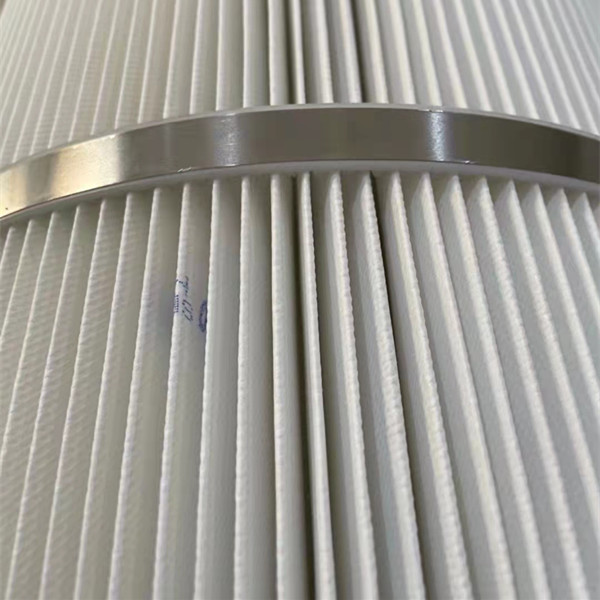
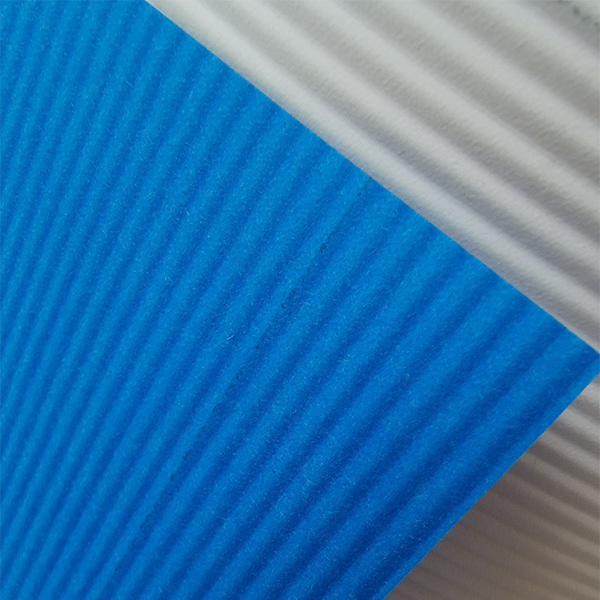
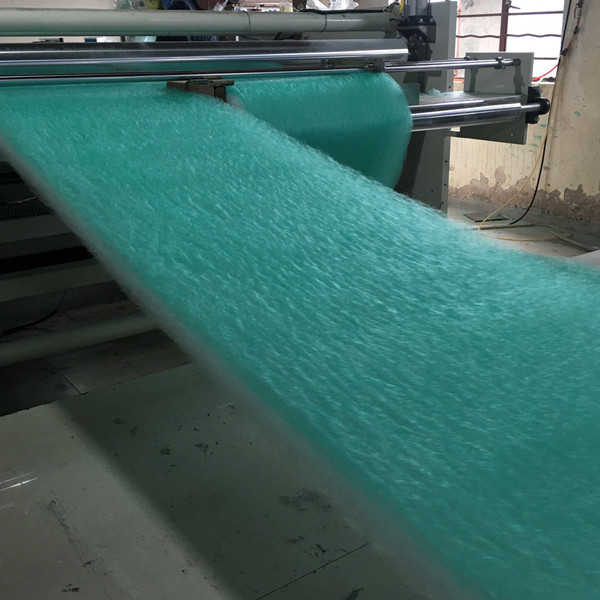
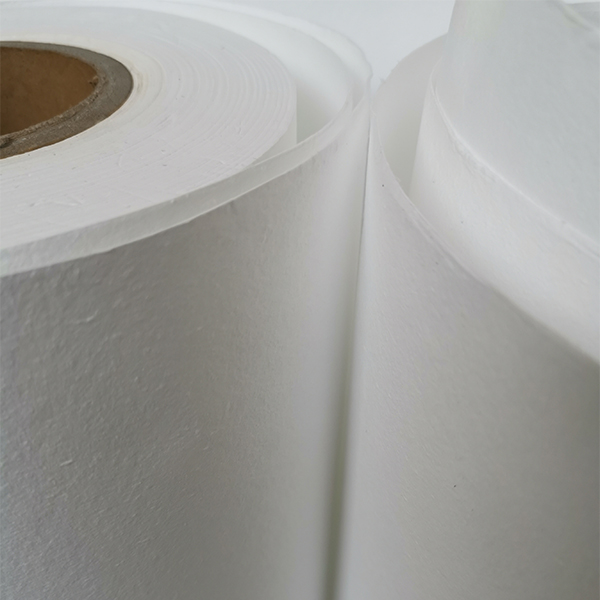
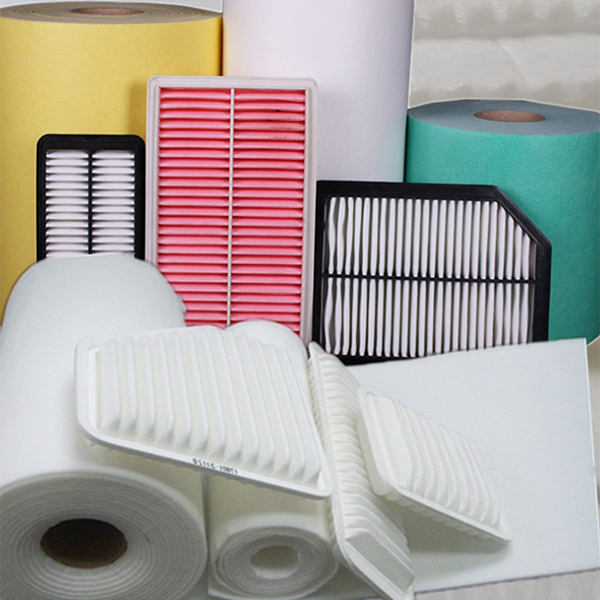
For example, not all HEPA filter media is created equal. Some use glass microfibers arranged in a densely packed matrix, while others might blend synthetic fibers with special binders to optimize filtration and airflow resistance. I’ve seen firsthand how small tweaks in fiber density or thickness can significantly impact lifetime and pressure drop.
| Specification | Typical Values |
|---|---|
| Particle Retention Efficiency | ≥ 99.97% at 0.3 microns |
| Material | Glass microfibers with synthetic binder |
| Thickness | 0.3–0.6 mm |
| Areal Weight | 80–120 g/m² |
| Moisture Resistance | Medium, can be enhanced with coatings |
One thing many engineers emphasize is testing—pressure drop tests, particle challenge testing, and durability under varying humidity and temperature. I recall a project where we switched suppliers mid-stream because the initial batch didn't hold up under high moisture conditions. The difference was night and day.
Speaking of suppliers, I’d like to share this quick glance comparing some well-known HEPA filter paper vendors we’ve evaluated over the years:
| Supplier | Material Quality | Customization Options | Lead Time | Price Range |
|---|---|---|---|---|
| Anya Filter Media | High-grade glass microfiber | Extensive (thickness, coatings) | 2–3 weeks | Mid-range |
| Supplier B | Standard synthetic fiber | Limited thickness | 1–2 weeks | Lower |
| Supplier C | Premium microglass with binder | Moderate, mostly standard sizes | 3–4 weeks | High |
Oddly enough, in real industrial setups, I noticed that communication and technical support are just as critical as product specs. You want a supplier who knows their product inside out—and not just the sales pitch. Some companies I've worked with, like Anya Filter Media, offer excellent technical consultation, which has saved us trouble more times than I can count.
Before we wrap this up, here’s a quick customer story from a cleanroom manufacturer. They switched their HEPA filter paper supplier after consistent particulate breakthrough issues. Within a month of switching to a higher-quality fiber paper with tailored density, their contamination rates dropped significantly. That's the kind of difference the right paper can make.
So my takeaway? When hunting for a hepa filter paper supplier, don’t just look at price or lead time alone. Consider materials, testing protocols, tailored options, and ongoing support. It really feels like investing in the right filter media upfront pays dividends in reliability and peace of mind.
If you’re curious, I recommend reaching out to specialized suppliers who can walk you through the options based on your exact industrial needs—not all HEPA media suit every application.
References:
- ASHRAE Handbook – HVAC Applications, for filtration standards.
- Journal of Industrial Filtration Research, 2021 Edition.
- Case studies shared in industrial cleanroom forums, 2019–2023.
Post time: Dec-13-2025