Understanding the Nonwoven Filter Media Market
Having spent over a decade in the industrial equipment industry, I’ve seen firsthand how nonwoven filter media have quietly revolutionized filtration applications across sectors. Oddly enough, while many engineers focus on the mechanical elements of filtration systems, the media itself sometimes receives less attention than it deserves.
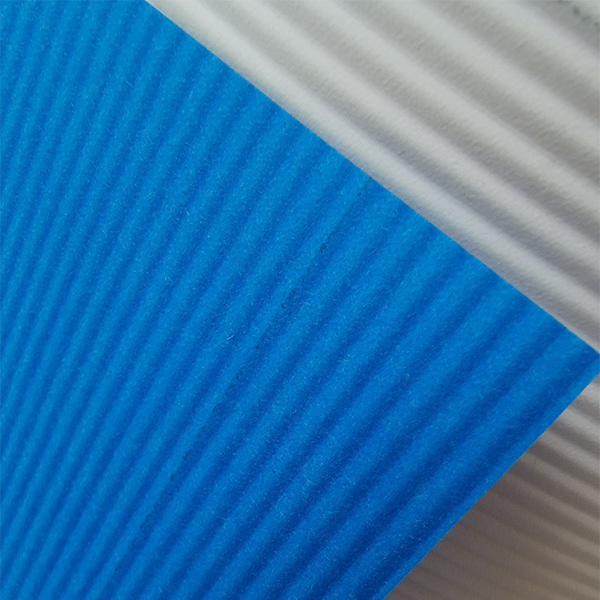
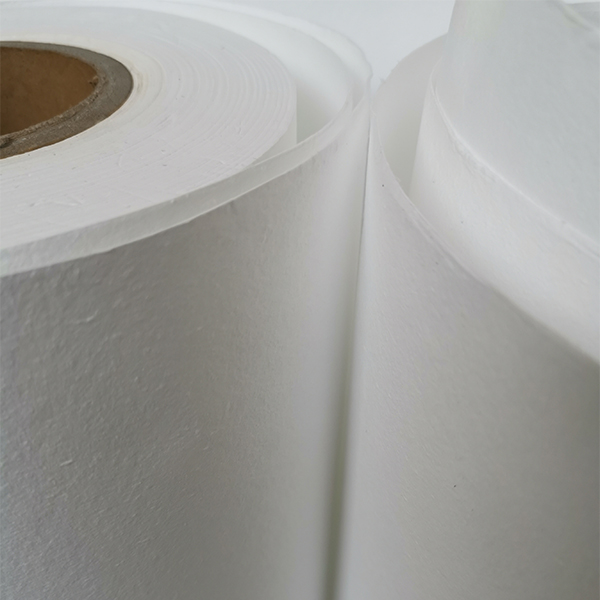
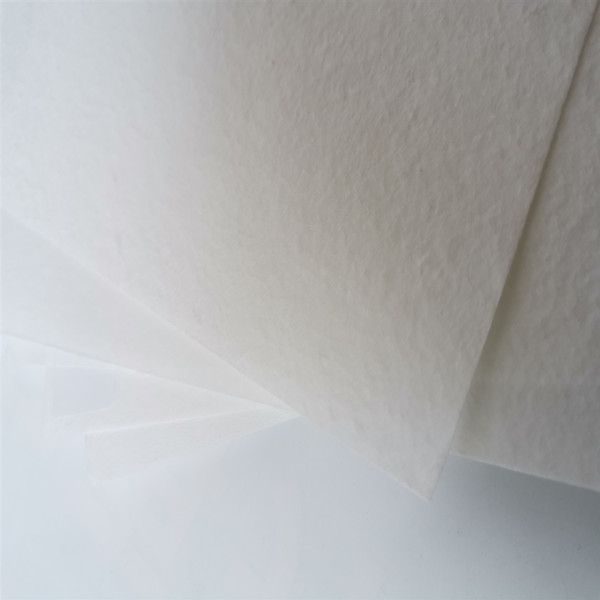
In real terms, nonwoven filter media is a fabric-like material engineered from fibers bonded together by mechanical, thermal, or chemical means rather than weaving or knitting. This structure makes it ideal for filtration – combining permeability and particle holding capacity in ways you might not get from traditional materials.
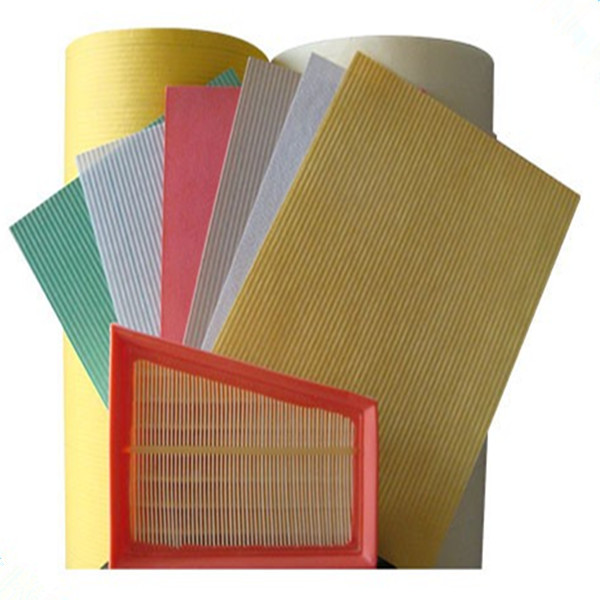
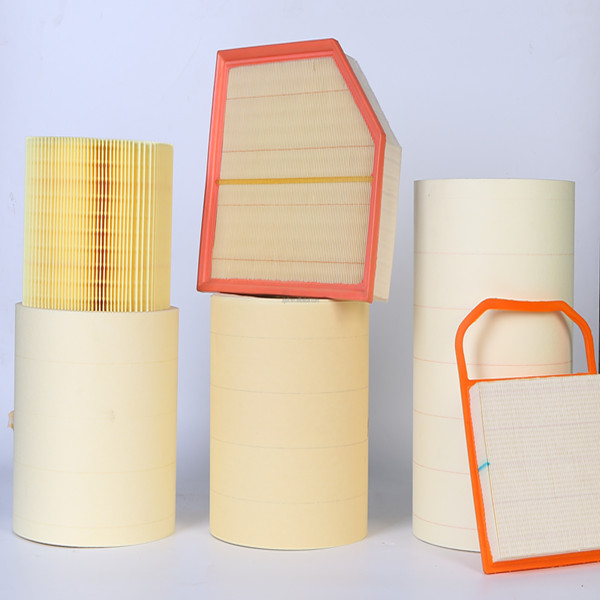
What’s fascinating to me is the blend of science and practical know-how that goes into designing these media. Materials like polypropylene, polyester, and glass fibers each bring unique properties. For example, polypropylene provides chemical resistance, while fiberglass offers high temperature endurance. And I suppose this variety is why manufacturers offer so many customized solutions to match specific industrial scenarios — from HVAC systems maintaining air quality to oil mist filters in heavy machinery.
Testing also plays a critical role. Many engineers I’ve dealt with stress the importance of particle retention efficiency, airflow resistance, and durability tests before committing to a supplier. It feels like a dance of balancing filtration efficiency against pressure drop — you want the filter to catch the nasties but not choke airflow, or else productivity suffers.
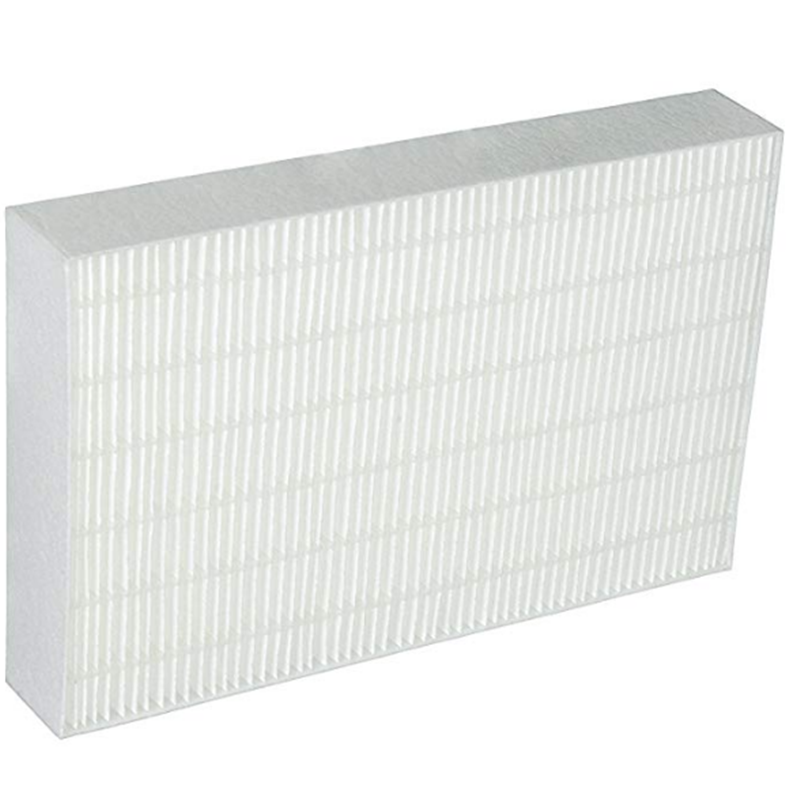
Speaking of which, here’s a quick look at typical product specs for a standard nonwoven filter media used in industrial air filtration:
| Specification | Details |
|---|---|
| Material | Polypropylene microfibers |
| Basis Weight | 60-100 gsm (grams per square meter) |
| Thickness | 0.8 - 1.5 mm |
| Filtration Efficiency | 95% @ 0.3 microns |
| Operating Temp | Up to 120°C (248°F) |
| Airflow Resistance | ≤ 200 Pa at 2.5 m/s |
Now, if you’re like me, you’ve probably compared several vendors to find the right balance of price, quality, and lead times. Here’s a little vendor comparison to frame the market:
| Vendor | Product Range | Customization | Lead Time | Price Level |
|---|---|---|---|---|
| Vendor A | Broad (Poly, Fiberglass) | High | 2-3 weeks | Mid |
| Vendor B | Specialized (High-temp) | Medium | 1 week | High |
| Vendor C | Standard Polypropylene | Low | 4 weeks | Low |
Let me share a quick story: a client once needed a filter media that could handle both chemical exposure and high throughput on a tight schedule. After testing a couple of samples, they landed on a polypropylene-based nonwoven media from a vendor offering fast turnaround and customization. It wasn’t the cheapest option — but frankly, that reliability saved them a small fortune in downtime. Things like this remind me that in filtration, the quality of the media itself really makes or breaks your system’s longevity and efficiency.
Nonwoven filter media market trends indicate an increasing push towards eco-friendly, sustainable fibers and smarter production techniques—yet the basics of good filtration never get old. You still need to measure efficiency, airflow, durability—and understand how your chosen material reacts inside your specific industrial system.
If you’re exploring the market, consider not just the specs but the vendor’s expertise, testing protocols, and customization options. It feels like investing in small details here repays big later. And by the way, nonwoven filter media remain at the heart of those small details.
In short? Whether you’re a filtration veteran or just getting into the game, understanding the nuances of nonwoven filter media can steer your projects toward success—and avoid those unexpected headaches.
1. Industry Filtration Reports 2023
2. Materials Science in Filtration, Journal of Industrial Fabrics, 2022
3. Conversations with filtration engineers, various field projects (2010-2023)
Honestly, spending time getting to know your filter media pays dividends. It’s one of those things you don’t really see, but you definitely feel when it’s done right.
Post time: Dec-30-2025