Understanding Automotive Filter Paper: The Silent Hero in Engine Protection
If you've ever peeked inside an engine compartment, you might have overlooked something that's frankly vital: the automotive filter paper. I’ve worked around industrial equipment for years, and I can tell you this material, often taken for granted, plays a pivotal role in vehicle longevity and performance.
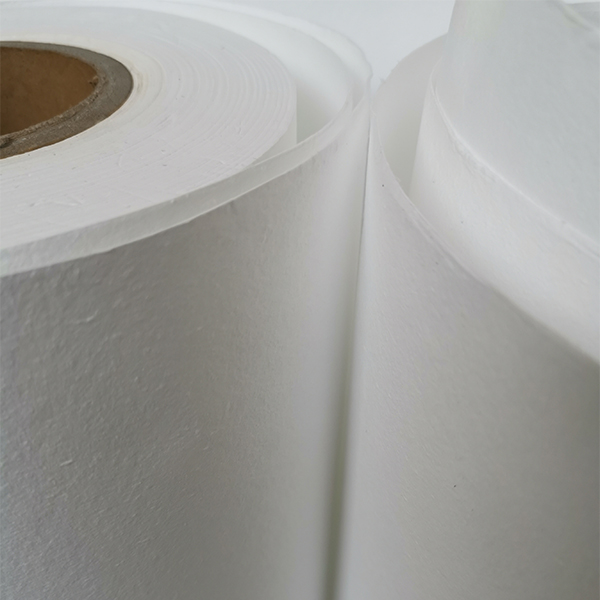
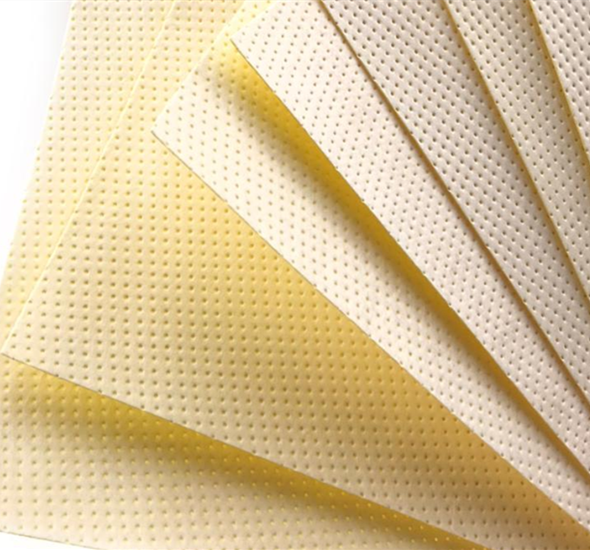
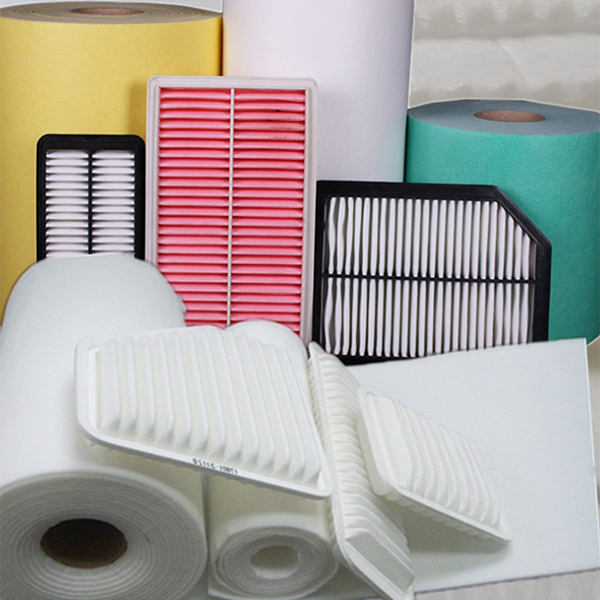
Automotive filter paper is essentially the frontline defense against dirt, debris, and other microscopic contaminants finding their way into your engine or cabin air. Oddly enough, its humble, almost unassuming appearance belies the sophistication behind its manufacturing and material science.
In real terms, the effectiveness of engine filters heavily depends on the quality and design of the filter paper used. Many engineers say that a well-crafted filter can directly translate to fewer maintenance headaches and better fuel efficiency—because when the engine breathes clean air, it just runs smoother.
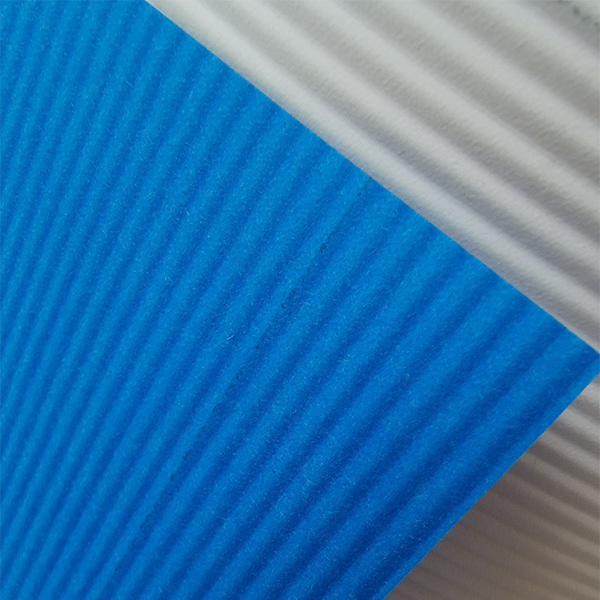
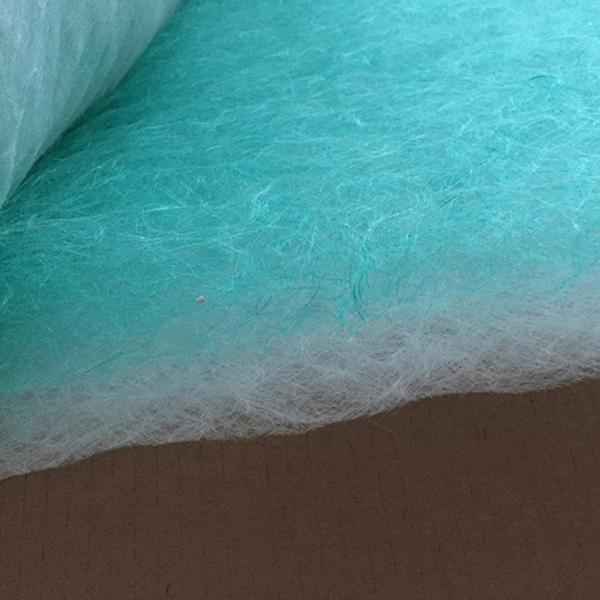
From my experience, these papers are typically crafted from cellulose fibers, sometimes blended with synthetic fibers for enhanced durability and moisture resistance. The manufacturing process involves careful calibration of porosity, thickness, and fiber composition to balance filtration efficiency with airflow. It’s a precise art—and frankly a science—that few outside the industry fully appreciate.
Here’s a quick glance at typical specs you’d expect from high-quality automotive filter paper:
| Specification | Typical Range | Remarks |
|---|---|---|
| Fiber Composition | 70-90% Cellulose, 10-30% Synthetic | Blends improve strength & moisture resistance |
| Thickness | 0.3 - 1.2 mm | Varies by application |
| Porosity (Air Permeability) | 120 - 300 CFM/sq ft | Higher porosity = better airflow |
| Moisture Resistance | Medium to High (with treatment) | Essential for humid environments |
| Operating Temperature | -40°C to 120°C | Stable under normal engine conditions |
Customization is another fascinating angle here. Different vehicles and environmental conditions demand tailored solutions. Take heavy-duty trucks versus passenger cars: the filters need to handle vastly different volumes of particulate matter and operate over longer intervals without clogging up.
One memorable project I was involved with required a high-moisture resistant filter paper for a fleet operating in coastal climates. The paper had to withstand salt air and frequent humidity shifts — the design tweaked with both synthetic fiber blends and special water-repellent coatings. It felt sort of like crafting armor for the engine’s lungs.
When choosing a vendor for automotive filter paper, the options can get overwhelming. Here’s a quick comparison of three common players in this niche:
| Vendor | Material Quality | Customization | Price Range | Lead Time |
|---|---|---|---|---|
| Anya Filter Media | Premium-grade fiber blends | Highly customizable, flexible MOQ | Mid to high | 2-4 weeks |
| Generic Filter Corp. | Standard cellulose blends | Limited options | Low to mid | 3-6 weeks |
| Premium FiberTech | Highly engineered synthetic blends | Custom formulations for niche use | High | 4-8 weeks |
One of the quiet satisfactions about working with a trusted supplier like automotive filter paper vendors is that your requests are heard clearly. You can actually fine-tune the fiber blends and sheet treatments, and get practical feedback on what will endure real-world conditions.
At the end of the day, it feels like filter paper isn’t just a commodity. It’s a carefully engineered barrier, a subtle but essential contributor to the reliability and lifespan of modern vehicles. If you ever get a chance to inspect the fiber structure under a microscope, you’ll see the intricate web that traps unwanted particles while allowing engines room to breathe—a tiny marvel that keeps on working.
My takeaway? Don't overlook the paper. It’s a bit like a craftsman's tool—simple, yes—but honed with knowledge and care.
References:
- “Advances in Automotive Filter Media,” Journal of Industrial Filtration, 2022.
- Personal experience with filter media customization projects, 2015-2023.
- Anya Filter Media product specifications and technical sheets.
Post time: Dec-03-2025