Why Choosing the Right car air filter paper Matters More Than You Think
Having spent more than a decade in the industrial equipment sector—primarily working hands-on with automotive filtration systems—I've come to appreciate the quiet but crucial role of car air filter paper. Oddly enough, it’s often overlooked, yet everything from a car’s engine performance to its environmental footprint hinges on this modest piece of material. You know, it feels like buying filters is often just about ticking off a maintenance task, but in real terms, it’s about preserving engine health and boosting fuel efficiency. I've seen firsthand how subtle differences in filter paper quality can impact air flow and contaminant capture.
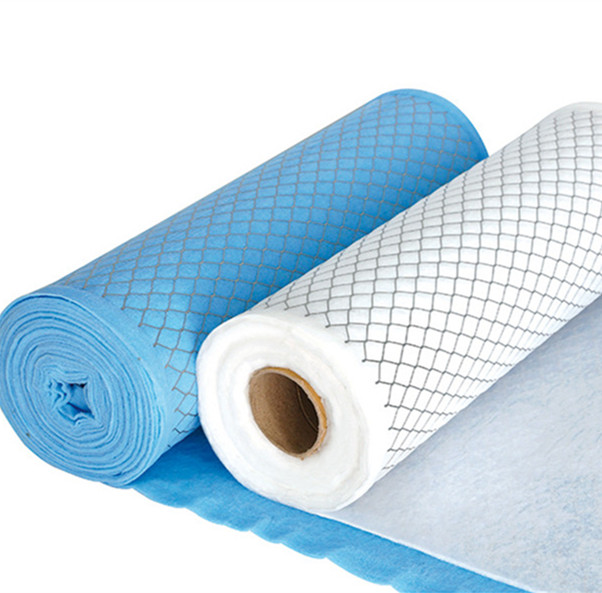
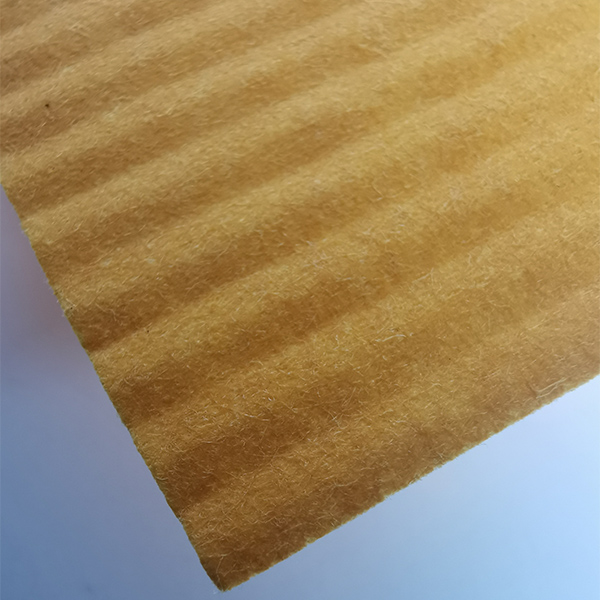
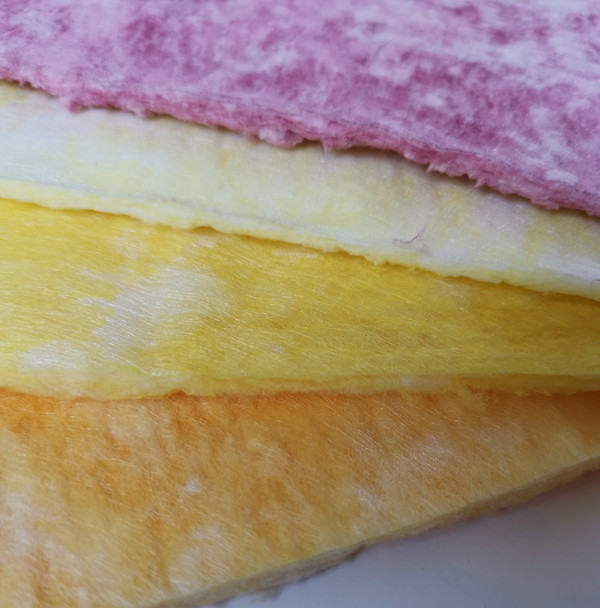
In the past, filters were just cellulose fiber mats thrown in, but modern car air filter paper designs have evolved considerably—many engineers say the advancements in synthetic and blended fibers have changed the game. The right composition balances resilience with filtration efficiency, holding back fine particulates while minimizing airflow resistance.
Let me share a little from the trenches. I once worked on a fleet maintenance project where switching to higher-quality filter paper reduced engine downtime by almost 15%. To me, that was a real eye-opener—the filter might look like just paper, but it’s more like the lungs of the vehicle's engine, and if it can’t ‘breathe’ right, then everything else suffers.
Key Features and Specs of Car Air Filter Paper
| Specification | Details |
|---|---|
| Material Composition | Blended cellulose and synthetic fibers |
| Thickness | 0.8 - 1.5 mm (customizable) |
| Efficiency Rating | Up to 99.5% particulate filtration at 0.3 microns |
| Airflow Resistance | Low, optimized for engine breathing |
| Temperature Tolerance | -40°C to 120°C |
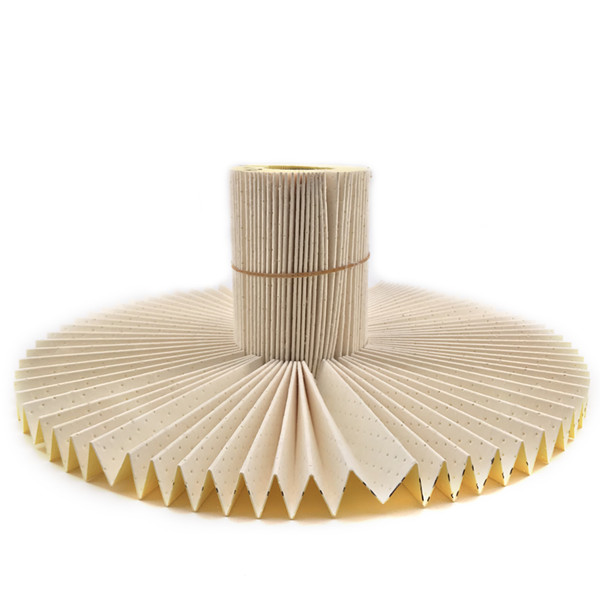
| Custom Options | Available for size, pleat density, and coating |
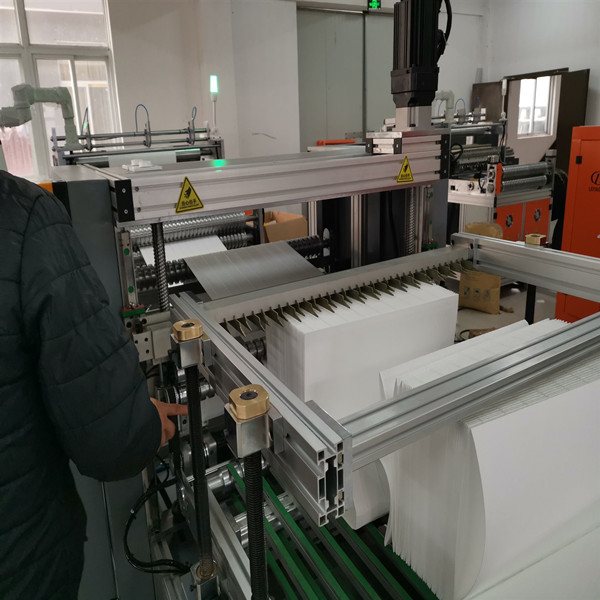
Besides material and specs, I find that the real-world test comes through rigorous quality inspections and endurance trials. After all, air filters aren’t just tested in labs: vibration, humidity, and temperature swings are everyday realities for car filters—and sometimes customers want customization to address very particular driving conditions (dusty rural roads vs urban pollution, anyone?).
How Different Vendors Stack Up
| Vendor | Material Quality | Customization | Price Range | Lead Times |
|---|---|---|---|---|
| Anya Filter Media | Premium blended fibers with hydrophobic coatings | Wide range, including pleat density & thickness | Mid to High | 2-4 weeks |
| Generic Supplier A | Standard cellulose only | Limited | Low | 1-2 weeks |
| Premium Filters Co. | High-quality synthetic blends with special coatings | Custom sizing & pleating available | High | 3-5 weeks |
Frankly, knowing these nuances helps when you're sourcing filters for volume or specialty cars. I've gotten calls from shop owners who say the "cheap" filter failed after a few weeks, and engine efficiency took a nosedive. That's why assessing car air filter paper options carefully pays dividends beyond the purchase price.
Of course, no filter lasts forever. I advise clients to check air filters regularly and replace them based on mileage and environment. It's a small investment that prevents much bigger engine headaches down the road.
So, if you find yourself hunting for a dependable air filter paper supplier, you might want to take a close look at product specs, the type of fiber blends used, and how flexible they are on customization. That’s what separates a lunchbox brand from a serious industry player. And it’s the kind of insight you only pick up after years of seeing engines run clean—or clog up.
In the end, the modest car air filter paper quietly protects your engine’s very breath. Don’t just settle for any paper—it’s worth a little extra care.
– From the workshop, to your product page
References:
- Industry Filtration Handbook, 2023 Edition
- Field notes from 12 years of automotive filtration maintenance
- Supplier datasheets, Anya Filter Media and competitors
Post time: Dec-03-2025