Understanding Metal Mesh AC Filters: A Global Perspective
Air quality has become a pressing issue worldwide, with the World Health Organization estimating that around 7 million deaths annually are linked to air pollution. Against this backdrop, metal mesh AC filters are quietly playing a crucial role in improving indoor air environments — a niche yet essential technology that often goes unnoticed beyond engineering circles. But why should you care? Understanding how these filters work not only helps industries boost air quality but also supports humanitarian efforts, facility management, and sustainability goals globally.
In this article, we'll explore what metal mesh AC filters are, why they matter today more than ever, and how their key features translate into real-world benefits. If you've ever wondered about the silent workhorses behind efficient HVAC systems, you’re in the right place.
Metal Mesh AC Filters In The Global Context
Air conditioning systems impact nearly every building in the world, from sprawling factories in Asia’s industrial zones to hospitals in Europe and schools in North America. According to ISO, the demand for effective filtration in HVAC systems has surged with growing urbanization and concerns over airborne pathogens—especially since the COVID-19 pandemic.
Here’s the kicker: traditional fibrous filters often degrade quickly or fail under harsh conditions — think dusty construction sites or corrosive factory environments. This is where metal mesh AC filters come in, offering durability and reusability that these fibers simply lack. I suppose you could say they’ve quietly become a backbone in settings where clean air is not just comfort, but a lifeline.
And if you're curious, organizations like the United Nations Environment Programme emphasize sustainable industrial products, which these metal mesh filters fit right into because they’re recyclable and long-lasting.
What Exactly Are Metal Mesh AC Filters?
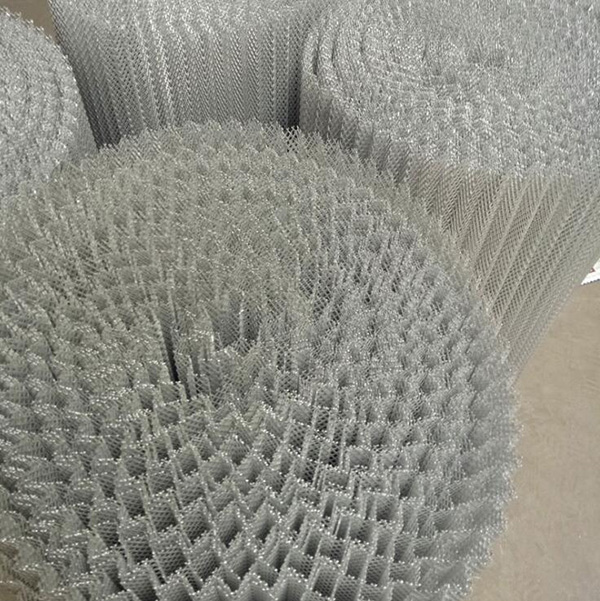
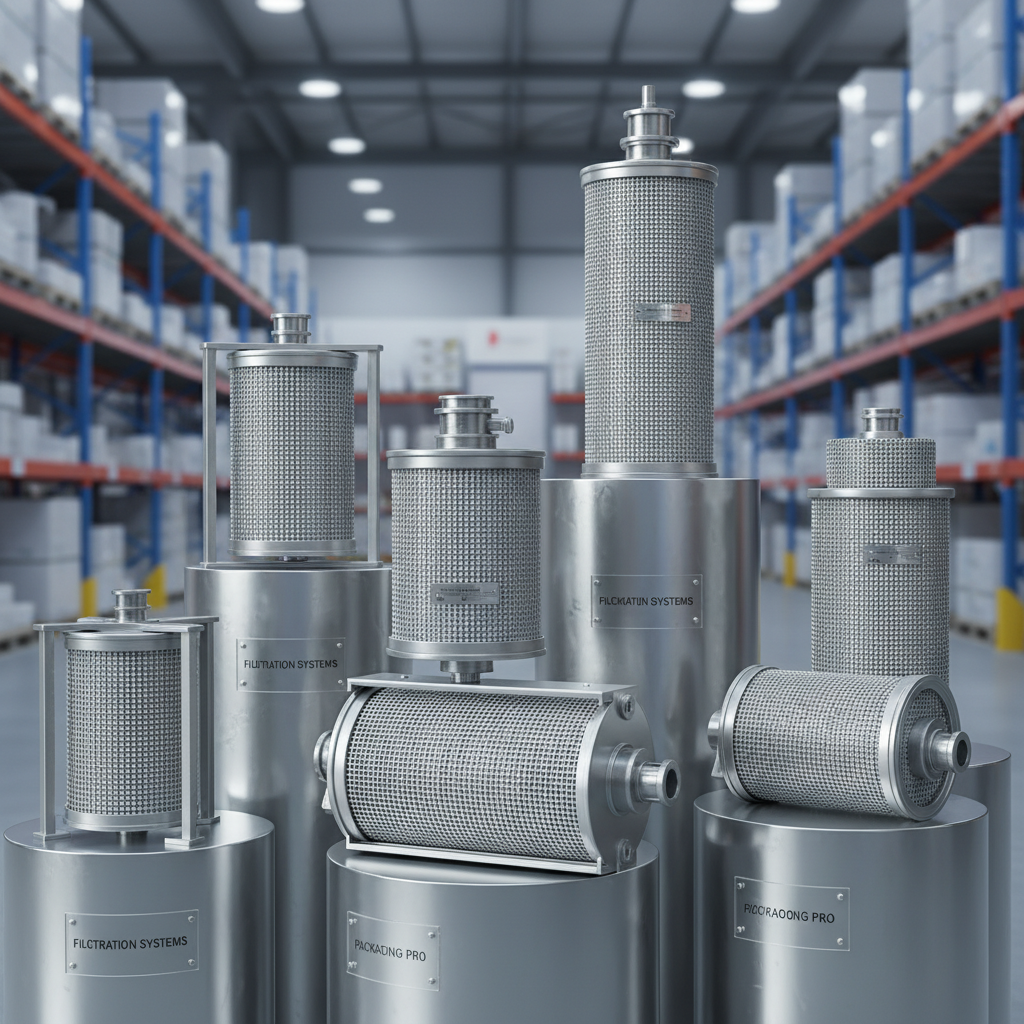
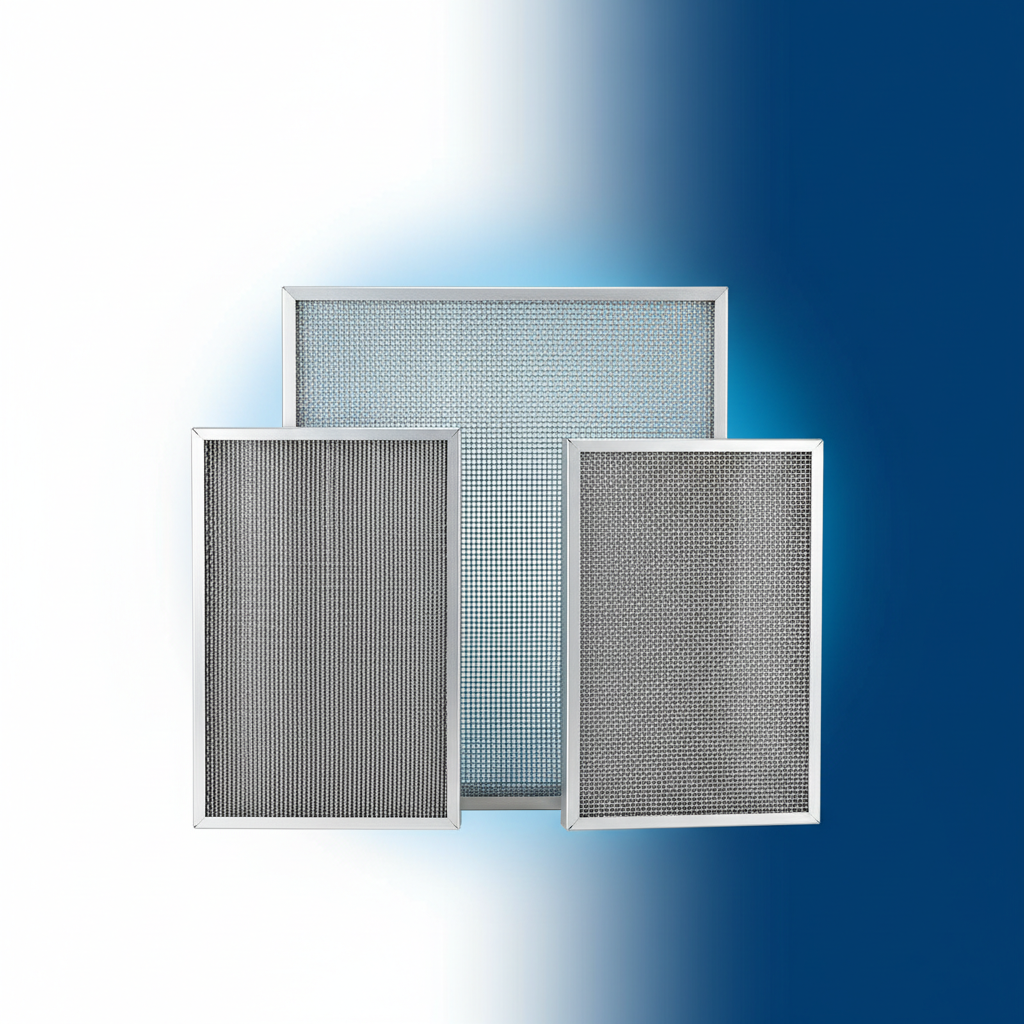
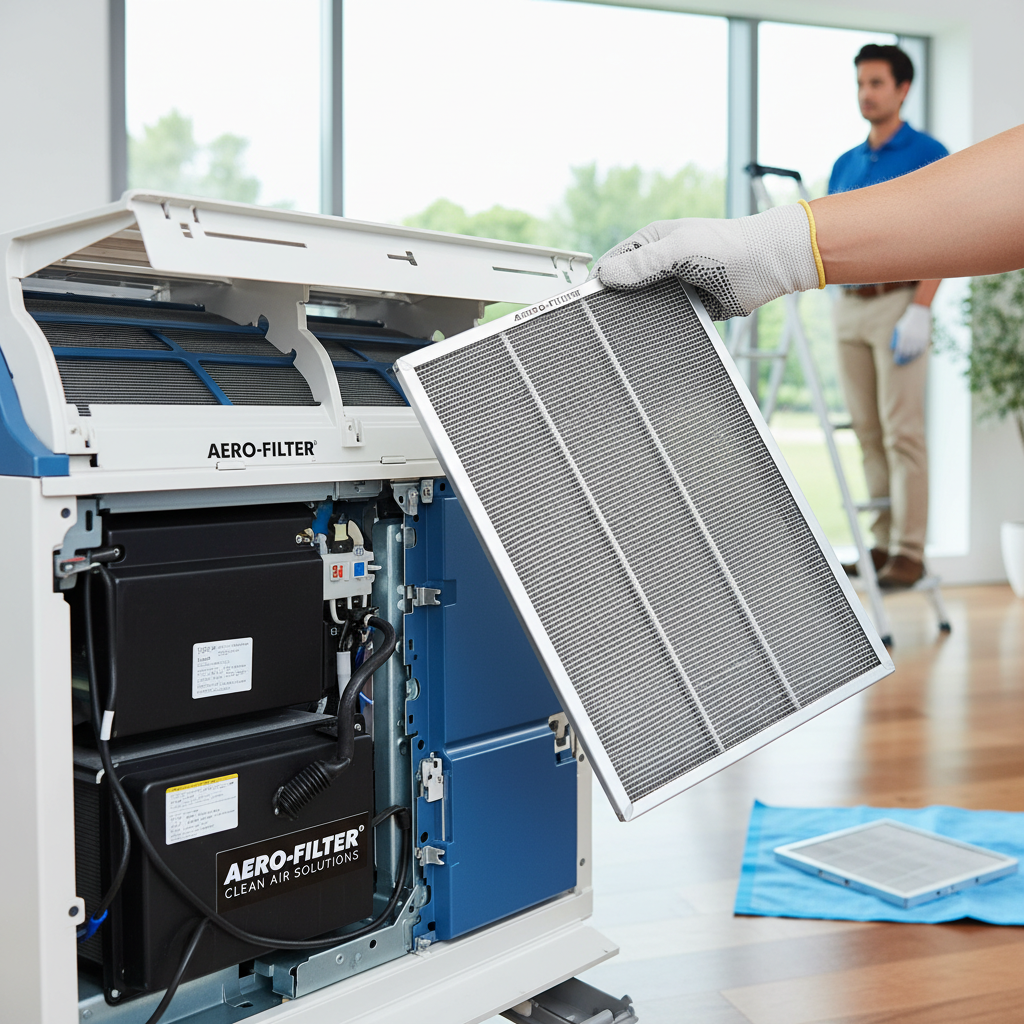
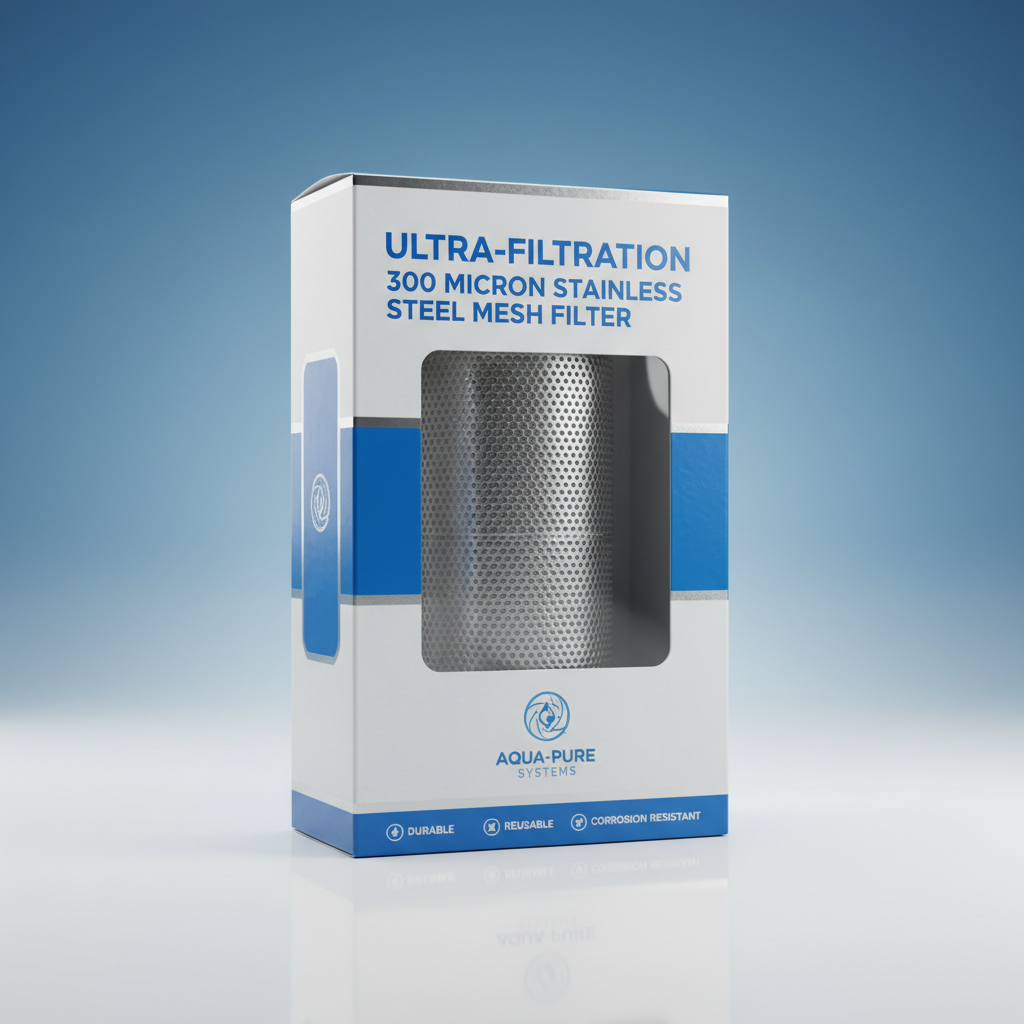
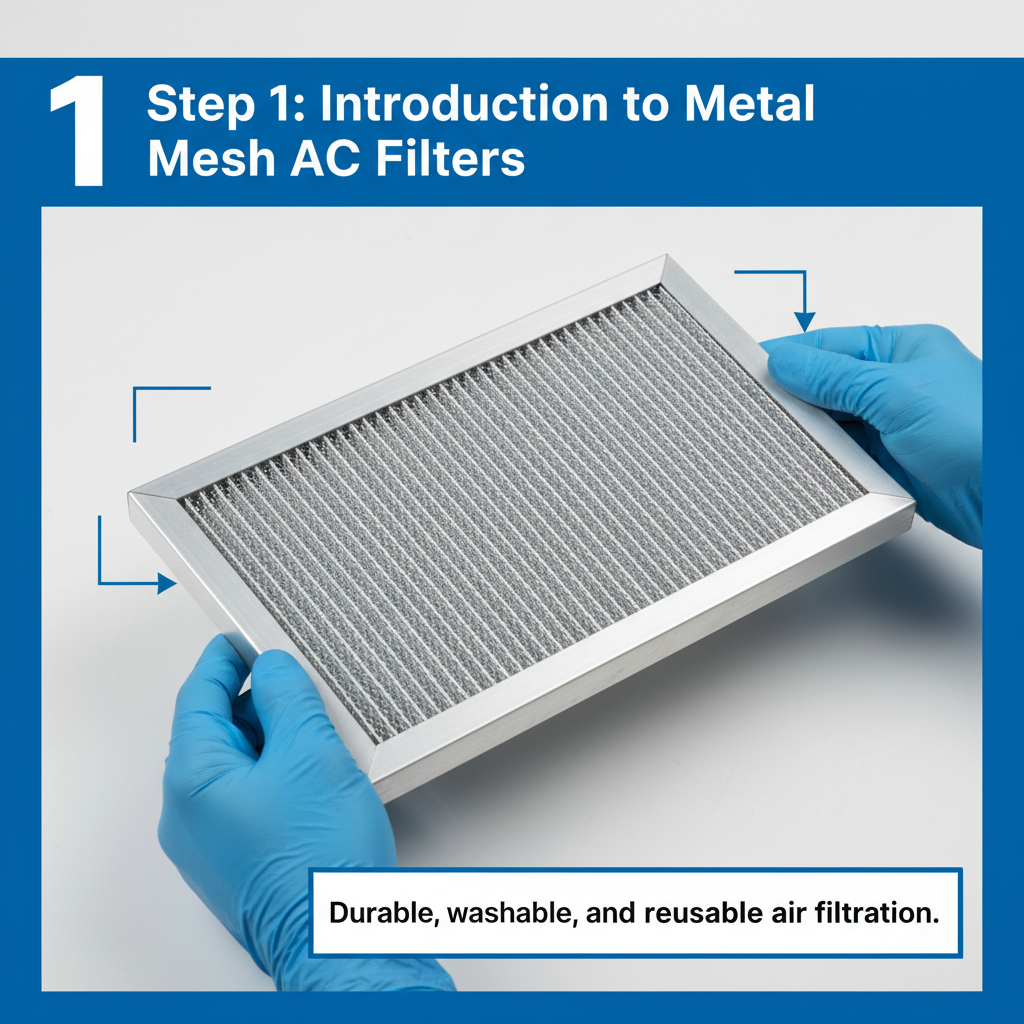
At their core, metal mesh AC filters are air filters made primarily from woven or bonded metal strands — often aluminum or stainless steel — designed to trap large particles, dust, and sometimes even grease in HVAC systems. Unlike disposable paper or synthetic filters, these are built to be cleaned and reused multiple times, making them cost-effective and eco-friendly.
In modern industry, they're not just a filter — they’re a durable component that supports everything from clean room conditions to smoke extraction in heavy manufacturing plants. Oddly enough, their seeming simplicity masks a complex balance of durability, airflow management, and even noise reduction.
Core Components and Key Factors in Metal Mesh AC Filters
Durability
One of the standout features is their resistance to corrosion, temperature swings, and physical stress. In real terms, that means fewer replacements — and if you think about equipment running 24/7 in remote industrial zones, that's huge.
High Airflow Efficiency
Because metal mesh filters have thinner strands spaced precisely, they offer less airflow resistance compared to thicker fibrous filters. This leads to better energy efficiency, lower fan power consumption, and less noise.
Cleanability & Reusability
Years ago I observed a factory that reused their metal mesh filters for a full decade — simple rinsing and mild detergents restored their functionality completely. This longevity translates to real cost savings.
Customization & Scalability
Manufacturers can tailor weave tightness, metal type, and frame design to fit custom HVAC units or unusual operating environments — think chemical plants or desert mines.
Cost Efficiency Over Time
While initial costs may be higher due to metal fabrication, the lifespan and reduced maintenance often offset upfront expenses. It’s the classic “pay once, benefit many” scenario.
Mini Takeaway:
Metal mesh AC filters combine robust materials and smart design to deliver reusable, efficient, and customizable filtration — crucial qualities in today’s diverse industrial environments.
Where Are Metal Mesh AC Filters Making A Real Difference?
Industries worldwide rely on these filters. In Southeast Asia’s heavy manufacturing hubs, their resistance to greasy emissions keeps ventilation systems effective. Hospitals in Europe utilize them because they can withstand chemical disinfectants — a must for safe environments.
Humanitarian efforts also benefit. After natural disasters, temporary shelters often depend on air filtration to prevent respiratory complications. Metal mesh filters, because they require minimal replacement, prove ideal where resources are scarce.
Even in remote mining operations in Australia and Canada, these filters handle dust challenges better than traditional media — meaning healthier air for workers and longer equipment life.
Advantages and Long-Term Value
- Sustainability: Reusable metal filters reduce waste significantly compared to disposable fibrous options.
- Reliability: Withstand harsh conditions without performance drops.
- Cost Savings: Fewer replacements and lower system power consumption mean better budgets.
- Health & Safety: Capturing larger particulates keeps indoor air cleaner and occupants safer.
- Trust & Innovation: Many engineers and facility managers prefer the predictability these filters provide.
Product Specification Table
| Specification | Details |
|---|---|
| Material | Stainless Steel / Aluminum Alloy |
| Mesh Size | 10 - 100 microns (customizable) |
| Operating Temperature | -40°C to 400°C |
| Airflow Resistance | Low (pressure drop |
| Cleaning Method | Water rinsing / Mild detergent |
| Typical Lifespan | 5 - 10 years+ |
Vendor Comparison at a Glance
| Vendor | Materials | Customization | Price Range | Lead Time |
|---|---|---|---|---|
| MetalAir Tech | Stainless Steel, Aluminum | High (woven & welded) | $$$ | 4-6 weeks |
| AeroFilter Solutions | Aluminum only | Moderate (woven only) | $$ | 2-3 weeks |
| EnviroMesh Corp. | Stainless Steel | High (custom alloys available) | $$$$ | 6-8 weeks |
Looking Ahead: Innovations and Future Trends
As industries adopt greener processes, metal mesh AC filters are evolving too. Imagine filters embedded with smart sensors that monitor clogging or air quality in real time — some vendors are piloting this now. Integration with IoT means facility managers can schedule maintenance precisely when needed, saving time and costs.
Material science is also pushing boundaries with ultra-lightweight alloys and corrosion-resistant coatings, making filters appropriate even for extreme environments like offshore rigs or space habitats someday — who knows?
Plus, with mounting legislation encouraging sustainable industrial solutions, we’ll see metal mesh AC filters becoming more standardized and widespread, moving from niche to norm.
Common Challenges and Practical Solutions
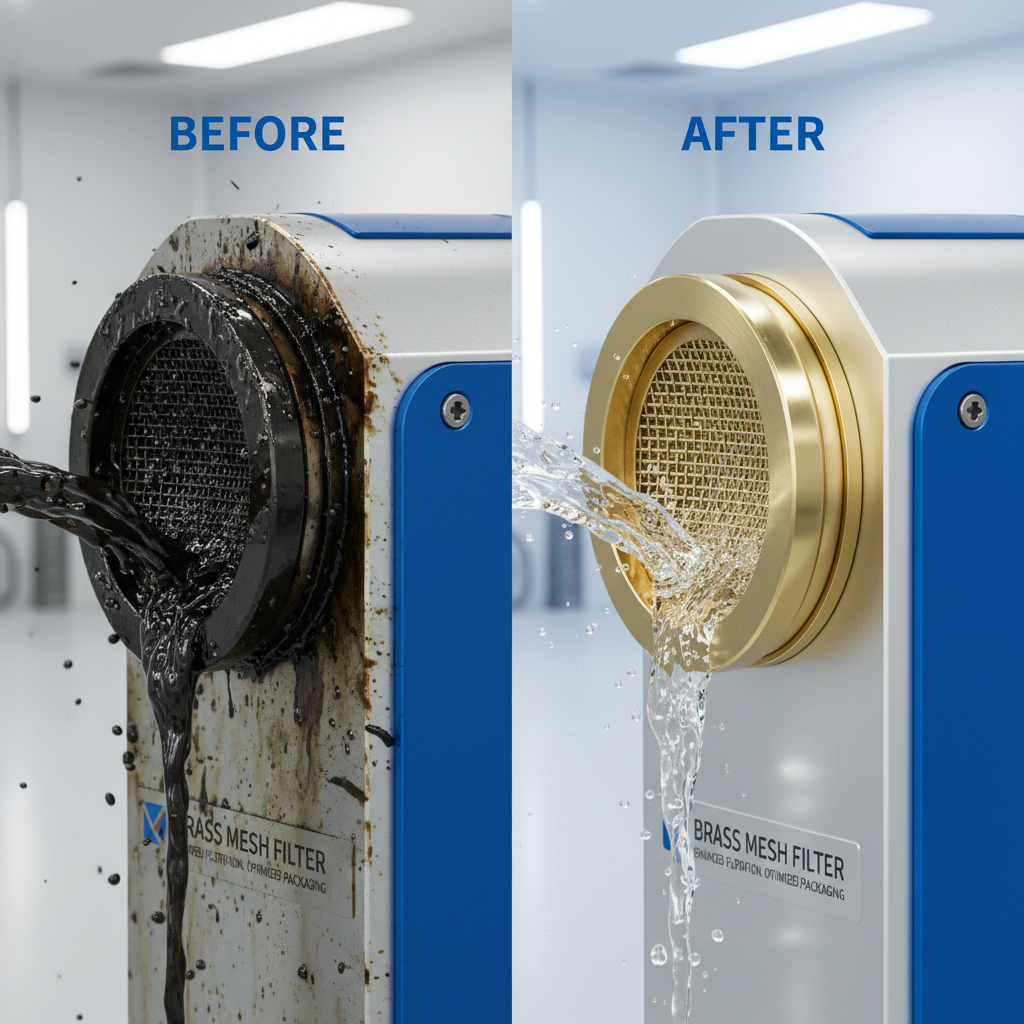
These filters aren’t without quirks. Some users report build-up of oily residues that require careful cleaning protocols. This can hurt airflow over time if ignored — but tailored cleaning schedules and chemical-resistant coatings help a lot. Another challenge is the occasional upfront cost sticker shock; however, it’s important to look at the whole life cycle cost rather than just purchase price.
Many engineers say initial skepticism fades once they see fewer filter replacements, less downtime, and lower energy bills. It’s a slow shift, but in my experience, the durability wins hearts and budgets alike.
FAQ: Frequently Asked Questions About Metal Mesh AC Filters
Q1: How often should metal mesh AC filters be cleaned for optimal performance?
A: Typically, cleaning frequency depends on the environment but ranges from once every 3 to 6 months. High-dust or oily environments may require monthly cleaning. Regular inspection is key.
Q2: Can metal mesh filters capture fine particles like pollen or smoke?
A: Metal mesh filters excel at catching larger particulates such as dust and debris. However, for fine particles, they are often paired with finer secondary filters for comprehensive air quality.
Q3: Are these filters compatible with all HVAC systems?
A: Most systems can accommodate metal mesh filters, but it’s advisable to check with the HVAC manufacturer or the filter vendor to ensure sizing and airflow parameters match.
Q4: Do metal mesh filters help reduce energy consumption?
A: Yes, because they offer lower resistance to airflow compared to dense fibrous filters, HVAC fans work more efficiently, lowering electricity use.
Q5: Can I purchase metal mesh AC filters internationally for remote projects?
A: Absolutely. Many vendors offer international shipping, and some specialize in OEM or custom options suited for remote or emergency deployments.
Conclusion: Why Metal Mesh AC Filters Are Here to Stay
In a world increasingly conscious of air quality, sustainability, and cost-efficiency, metal mesh AC filters strike a compelling balance: robust performance, low environmental footprint, and adaptability across sectors and geographies. For anyone managing HVAC systems in industrial, commercial, or relief contexts, these filters are often the unsung heroes keeping the air safe and costs down.
Feel like diving deeper? Check out our curated resources or explore the latest products by visiting metal mesh ac filters — your gateway to smarter air filtration solutions.
Mini takeaway:
Metal mesh AC filters aren’t just metal screens; they’re strategic, sustainable solutions for cleaner air worldwide.
References:
Post time: Nov-27-2025