Why 300 Micron Stainless Steel Mesh Filters Matter in Today’s World
When you hear “300 micron stainless steel mesh filter,” you might picture a tiny sieve—but it’s far more than that. Globally, these filters solve critical problems in water purification, industrial processing, and even disaster relief. Their fine mesh helps remove particles around 0.3 millimeters, ensuring cleaner air, liquids, or gas flows. With rising environmental concerns and industrial regulation tightening worldwide, understanding these filters isn’t just for engineers or scientists—it’s for anyone invested in smarter, safer infrastructure.
Think about it: nearly 300 micron stainless steel mesh filter technology supports clean water projects from remote villages in Africa to sophisticated factories in Europe. This means better health, less waste, and more reliable machinery. So why should you care? Because at the intersection of tech and sustainability, these mesh filters quietly hold a huge role.
The Global Context: Challenges and Demand for Reliable Filtration
Water scarcity and industrial contamination top international agendas. According to the UN water report (2023), over 2 billion people live in water-stressed regions, where infrastructure to filter and purify is desperately needed. Stainless steel mesh filters rated at 300 microns sit in a sweet spot—fine enough to block harmful debris yet robust for harsh environments. Worldwide industries like food processing, chemical manufacturing, and mining report increased demand for durable, reusable filtration media.
But there's always a catch: plastic filters clog, paper ones wear out fast, so mesh filters that bridge filtration efficiency and longevity become a kind of silent hero. Oddly enough, many engineers say their reliability in remote or disaster-stricken areas makes all the difference where logistics are tough.
What Is a 300 Micron Stainless Steel Mesh Filter?
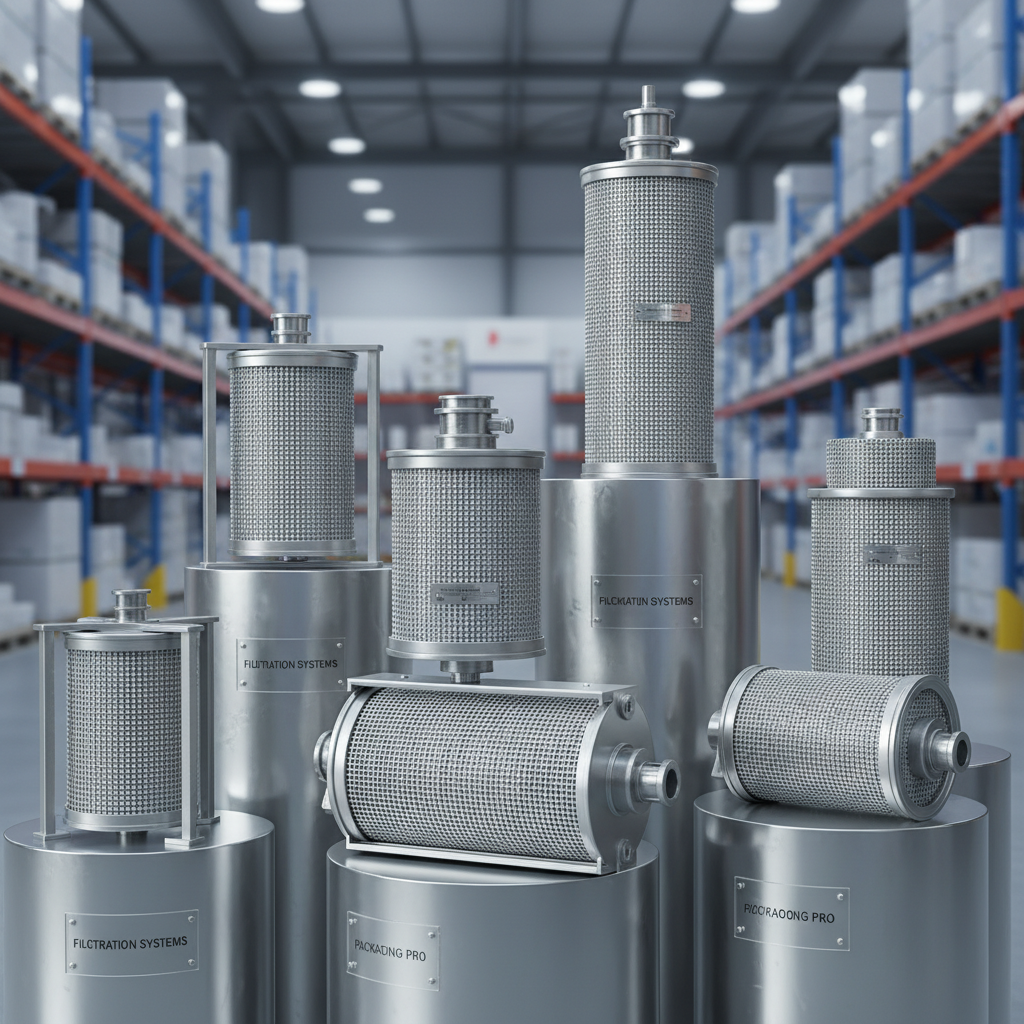
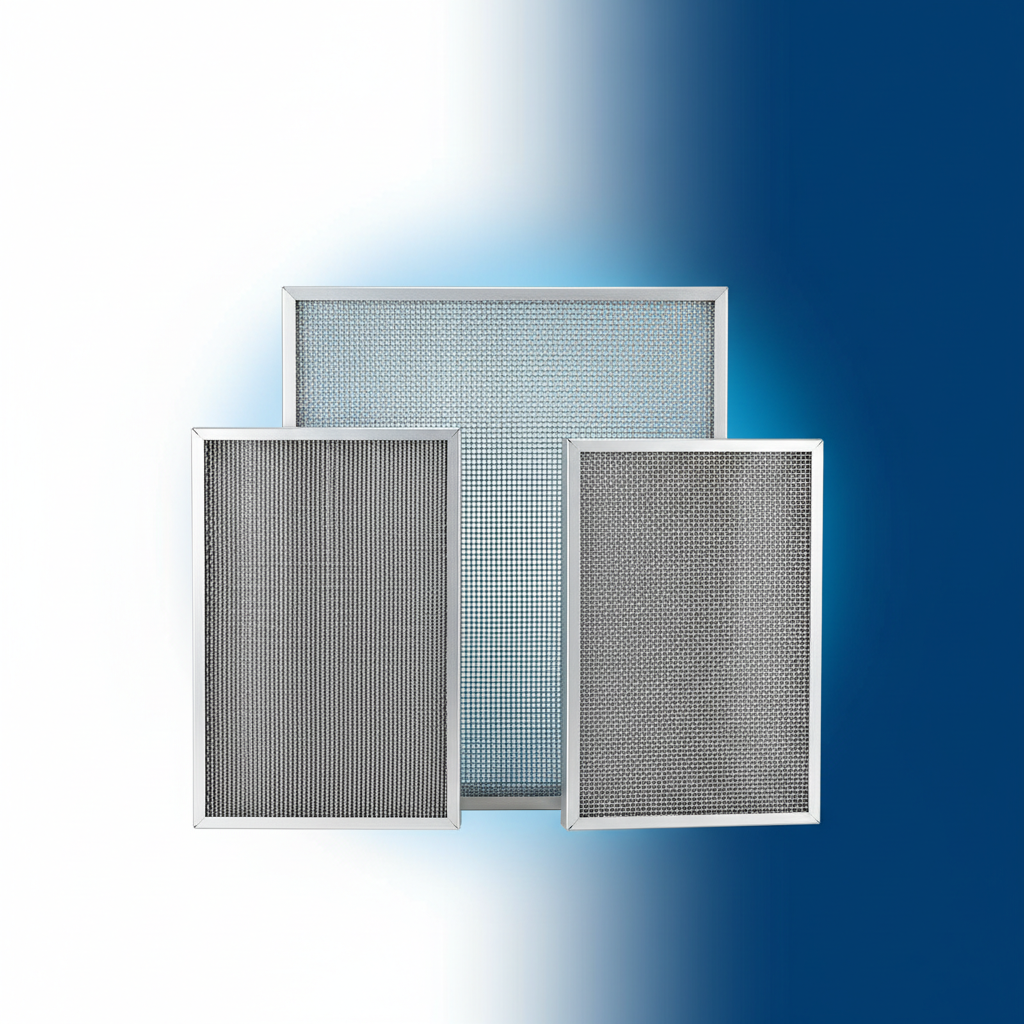
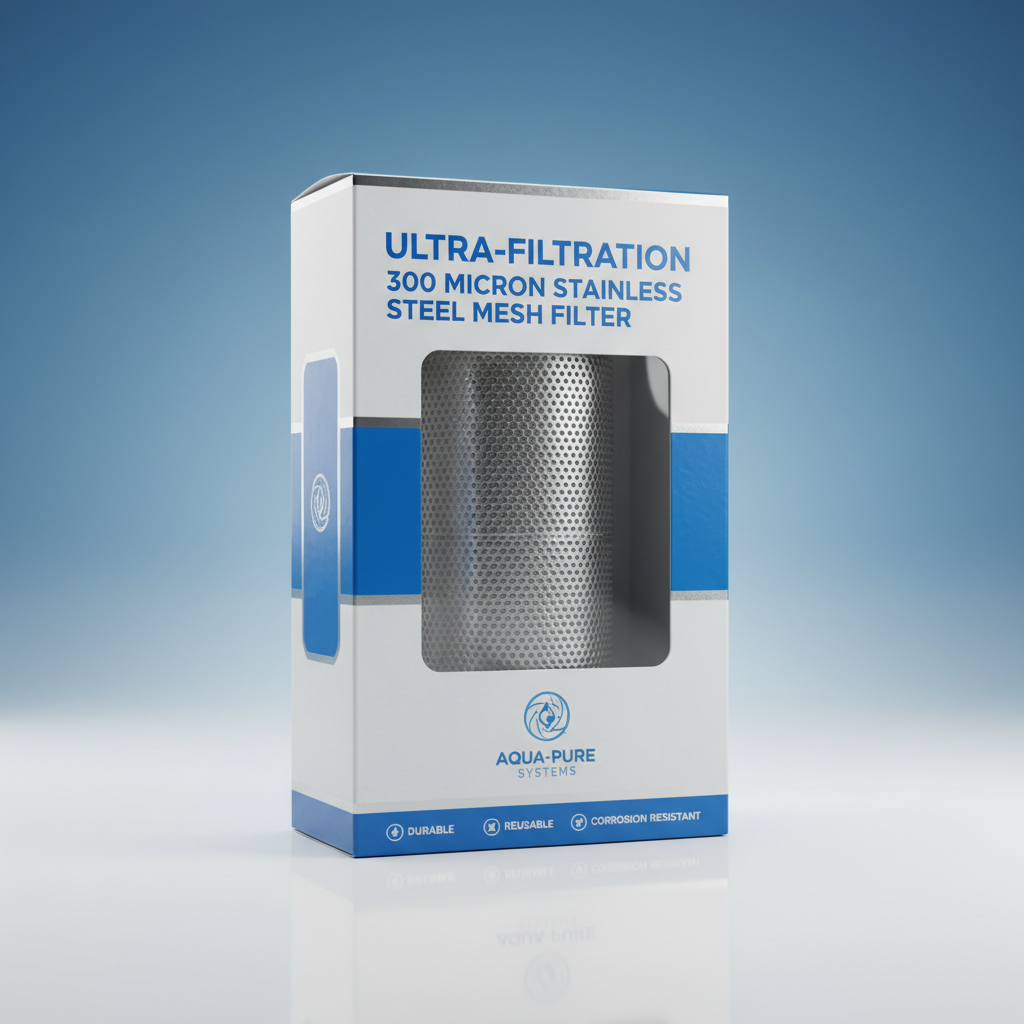
Simply put, it's a metal sheet woven into a fine grid with openings measuring roughly 300 microns (0.3 mm). You can think of it as a sieve that’s extremely sturdy, corrosion-resistant, and capable of filtering particles down to that size across liquids or gases. It’s not just a fancy screen—it’s a backbone component of modern filtration systems.
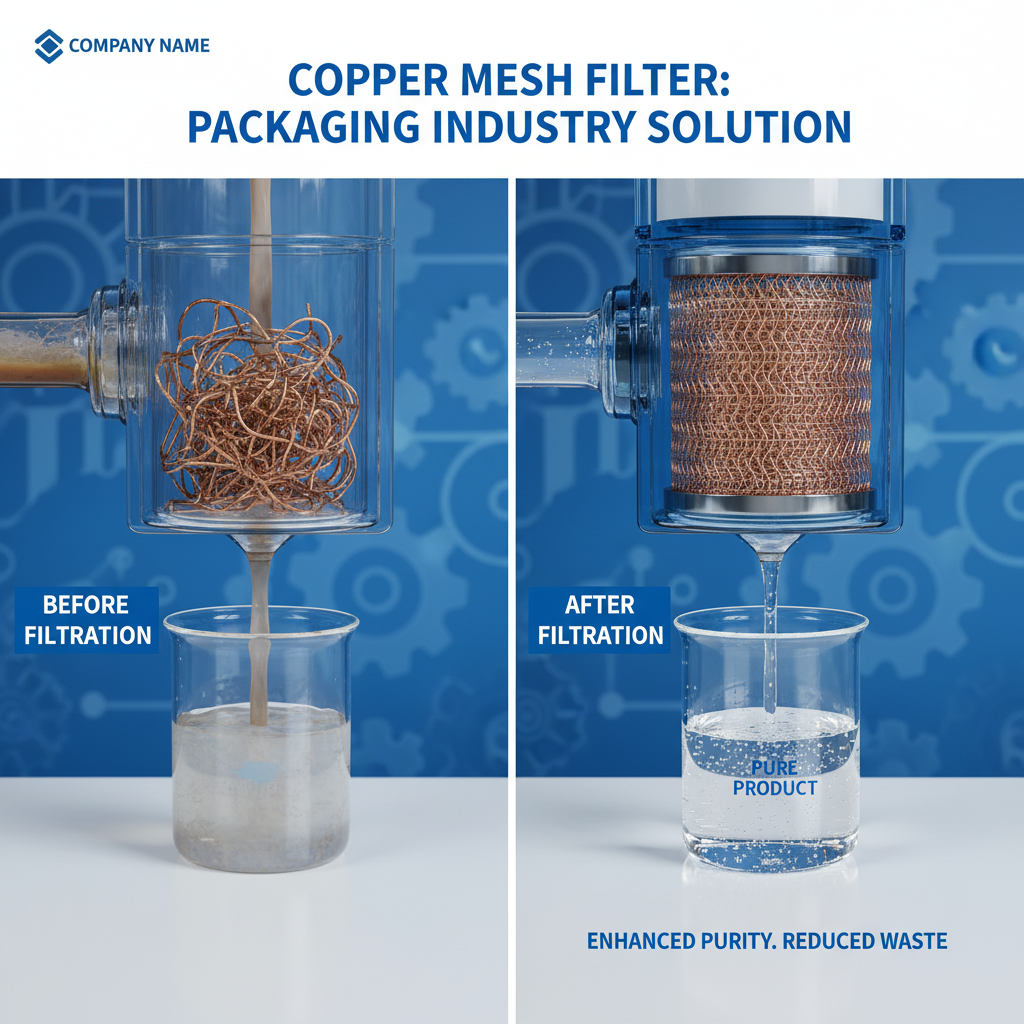
In humanitarian work, these filters play a crucial role in removing sediment and bacteria from drinking water. In industries like pharmaceuticals, they ensure purity standards by blocking contaminants without the fragility of traditional paper filters. So while “mesh” and “micron” might sound technical, their relevance cascades through sectors that touch everyday life.
Key Factors that Make This Filter a Go-To Solution
Durability and Corrosion Resistance
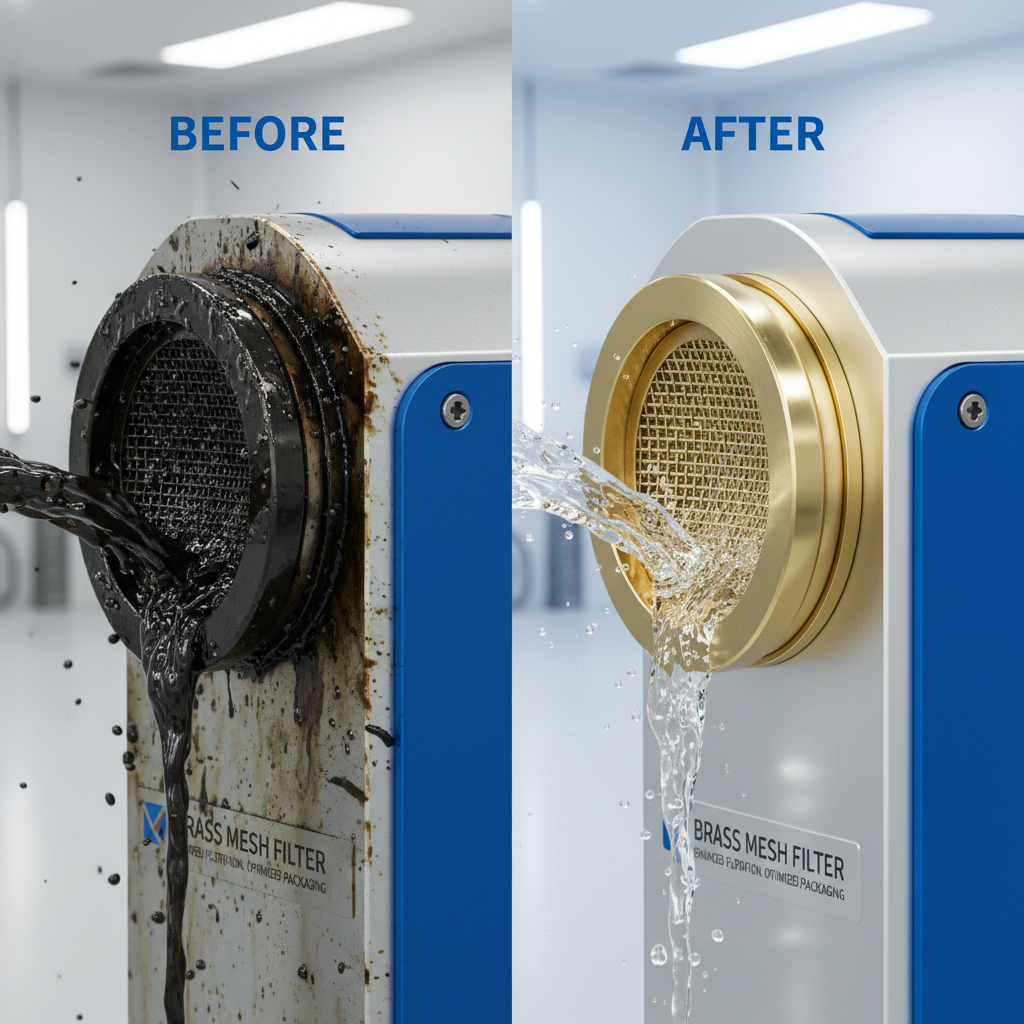
Because they’re made of stainless steel, these meshes resist rust and wear like champions. Unlike plastic filters, which degrade in UV light or chemicals, stainless steel meshes stay functional much longer, even under extreme temperatures.
Consistent Particle Size Capture
The 300-micron specification guarantees a consistent filtration size, essential for quality control. You always know what’s getting blocked and what passes through.
Customizability and Scalability
Whether it’s a small household filter or a massive industrial machine, the mesh can be customized to shape, thickness, and even weave type—plain, twill, or dutch weave—depending on application.
Cost Efficiency Over Time
Though the upfront costs might be higher than disposable filters, their reusability and longevity tip the scales in industrial accounts. Many companies report reduced total cost of ownership after switching to stainless steel mesh.
Mini Takeaway:
The interplay of toughness, precision, and economics makes the 300 micron stainless steel mesh filter uniquely suited for a wide variety of filtration tasks. It’s the kind of product that quietly pays for itself by lasting longer and performing better.
Global Applications and Real-World Use Cases
From clean water projects in Southeast Asia to chemical plants in Germany, these filters are everywhere. Here’s a quick dive:
- Humanitarian Aid: In post-disaster relief, reliable filtration means hospitals and water stations can operate safely even when infrastructure collapses.
- Heavy Industry: Mining operations rely on mesh filters to protect machinery from abrasive particles in fluids.
- Food & Beverage: Stainless steel mesh filters remove impurities during production, ensuring safety and taste.
- Pharmaceuticals: Regulators require precise filtration to avoid contamination in drug manufacturing.
Oddly enough, despite being a decidedly “industrial” product, these filters play a surprisingly big role in remote and less-technologically advanced regions. Their durability means less worry about replacements or failures in hard-to-reach areas.
Advantages and Long-Term Value of Using 300 Micron Stainless Steel Mesh Filters
When you install these filters, you’re not just buying hardware but investing in reliability and sustainability. I noticed one engineer saying, “They’re the unsung heroes because they keep our systems running and protect public health when no one is looking.”
- Cost Savings: Less frequent replacements and reduced downtime.
- Sustainability: Reusable filters mean less waste compared to disposable alternatives.
- Safety & Trust: Cleaner products and processes foster confidence for end-users.
- Innovative Potential: Their compatibility with automation and smart sensors opens doors to next-gen filtration.
Product Specification Table
| Specification | Details |
|---|---|
| Material | Stainless Steel 304/316 |
| Mesh Opening Size | 300 microns (0.3 mm) |
| Weave Type | Plain or Twill |
| Thickness | 0.15 - 0.30 mm (varies) |
| Tensile Strength | 420 MPa (typical 304 grade) |
| Operating Temperature | -196°C to +870°C |
Comparing Top Vendors: What to Look For
| Vendor | Material Grades | Customization | Lead Times | Pricing Tier |
|---|---|---|---|---|
| MeshPro Filters | 304, 316L | Custom shapes & thickness | 1-2 weeks | Mid to High |
| SteelWeave Solutions | 304 only | Standard sizes, limited customization | 3-4 weeks | Budget |
| Inox Filtration Corp | 304, 316, 317L | Wide customization & OEM partnerships | 2-3 weeks | High |
Emerging Trends & Future Innovations
The filtration landscape is shifting with the rise of digital tech—smart filters that can self-clean, sensors embedded in mesh, and eco-conscious materials. Research into green stainless steel production and nanocoatings aims to make filters even more effective with less environmental impact. Automation and AI integration allow predictive maintenance, so systems warn operators before clogging or failure, reducing costly downtime.
Innovators also explore hybrid mesh combining metal and polymer fibers for a balance of flexibility and strength, which could be a game-changer for sectors like aerospace or biomedical filtering.
Challenges and How We Overcome Them
Nothing’s perfect. Stainless steel meshes sometimes struggle with particle buildup in viscous fluids, and cleaning can be labor-intensive without automation. Pricing can be a deterrent for smaller operators. Still, coatings, ultrasonic cleaning, and modular filter designs are making those problems manageable.
Plus, many vendors now offer rapid prototyping and small batch runs to meet niche demands, leveling the playing field for startups and NGOs.
FAQ: Practical Questions About 300 Micron Stainless Steel Mesh Filters
Q1: How does a 300 micron stainless steel mesh filter differ from finer mesh filters?
A: It balances filtration precision and flow rate—captures particles around 0.3 mm while allowing good throughput. Finer meshes can clog easily and resist flow, whereas coarser ones miss smaller contaminants.
Q2: Can these filters be cleaned and reused?
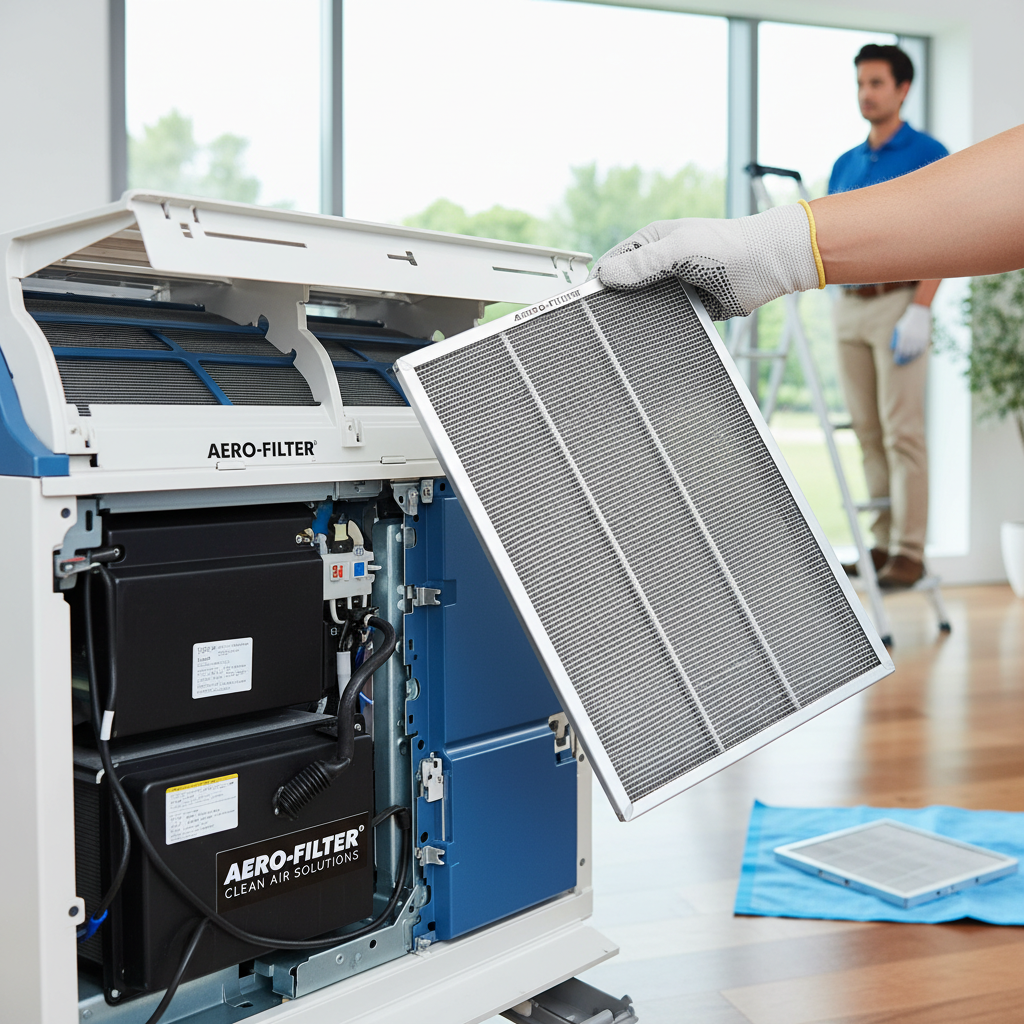
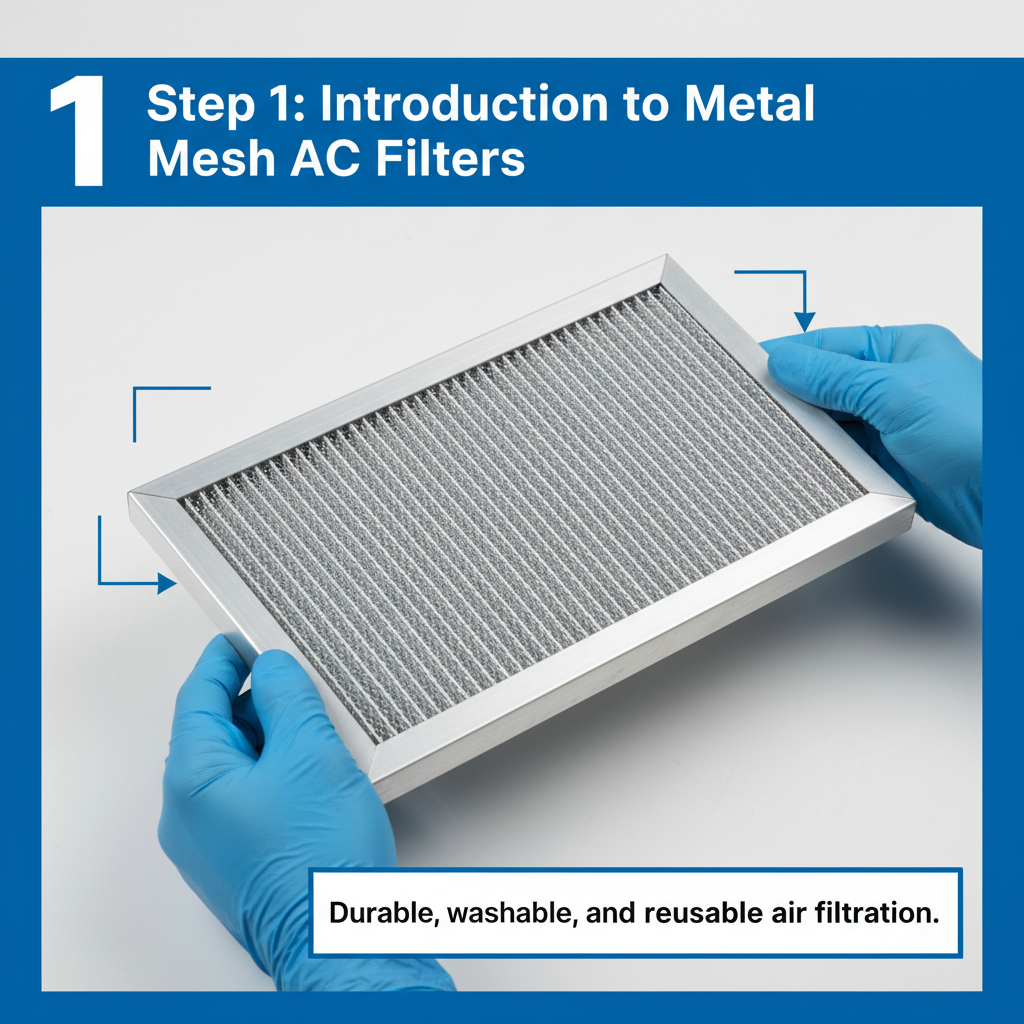
A: Absolutely. One of their biggest perks is durability. They can be cleaned via backflushing, ultrasonic baths, or manual scrubbing without losing performance.
Q3: Are stainless steel mesh filters suitable for food-grade applications?
A: Yes. Stainless steel is food-safe, corrosion-resistant, and non-toxic, making it ideal in food and beverage processing for compliance with hygiene standards.
Q4: How do you select the right vendor for your filtration needs?
A: Consider material grades, customization options, lead times, and pricing. It’s wise to discuss your specific application with technical reps to ensure correct mesh weave and specifications.
Q5: What industries benefit most from 300 micron stainless steel mesh filters?
A: Mining, pharmaceuticals, water treatment, food & beverage, and chemical processing all rely on these filters to protect equipment and ensure product purity.
Conclusion: Why Investing in Quality Filtration Pays Off
So, why should the “300 micron stainless steel mesh filter” become a staple in your toolkit? It offers that blend of precision, strength, and cost-efficiency for industries and communities worldwide. Whether it’s keeping clean water flowing in a remote village or protecting high-tech factory machinery, this modest filter quietly enhances safety, sustainability, and trust.
Interested? You can explore our latest range and technical advice by visiting https://www.anyafiltermedia.com — because better filtration isn’t just business, it’s a global need.
References & Mini Takeaway:
At the end of the day, these mesh filters remind me that sometimes, the smallest gaps — the tiny 300 micron holes — carry the biggest impact. They’re humble, silent, and yet essential.
Post time: Nov-27-2025