The Subtle Power of the Knitted Wire Mesh Filter: Why It Matters Globally
Knitted wire mesh filters might sound like specialist jargon reserved for engineers, but their impact quietly stretches across industries and humanitarian efforts worldwide. These intricate yet robust filters serve as guardians of clean air, pure liquids, and reliable industrial processes. Understanding their role not only shows respect for craftsmanship but reveals how such tools contribute to everything from water purification in remote villages to cutting-edge manufacturing lines in bustling cities.
As populations grow and industrial demands surge, pollution and contamination control become critical. That’s where the knitted wire mesh filter – basically a small hero – shines. Think of it as a tiny fortress, finely woven and ready to catch stray particles that could cause headaches, or worse, health and environmental disasters.
Mini takeaway: Knitted wire mesh filters play a discrete yet vital part in ensuring quality and safety across global systems, offering a blend of durability and precision.
The Global Context: Why Knitted Wire Mesh Filters Are a Growing Priority
Globally, industries are waking up to strict environmental standards. According to ISO standards, air and water filtration are non-negotiable in reducing emissions and ensuring sustainable operations. The United Nations Environment Programme reports that water contamination directly affects over two billion people worldwide—a sobering fact pushing governments and NGOs to seek reliable filtration solutions.
Knitted wire mesh filters address these challenges head-on by being versatile enough to fit demanding industrial needs, yet resilient for the rugged conditions of humanitarian projects, like disaster relief water filtration or mobile fuel filtering systems in remote areas. They reduce downtime, minimize waste, and promote efficiency — which, frankly, every modern operation craves.
Mini takeaway: In a world eager to balance industrial progress with environmental stewardship, knitted wire mesh filters offer a practical, scalable solution recognized by top global authorities.
What Exactly Is a Knitted Wire Mesh Filter?
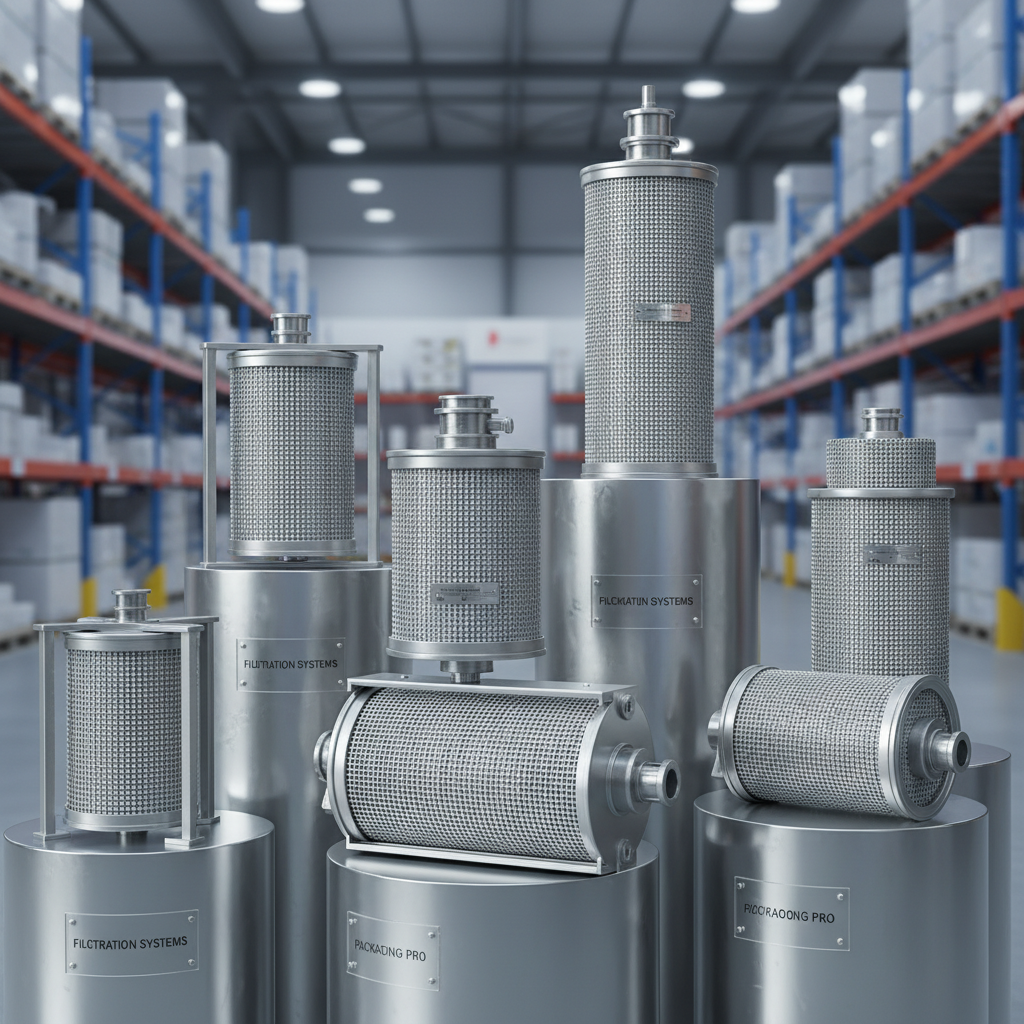
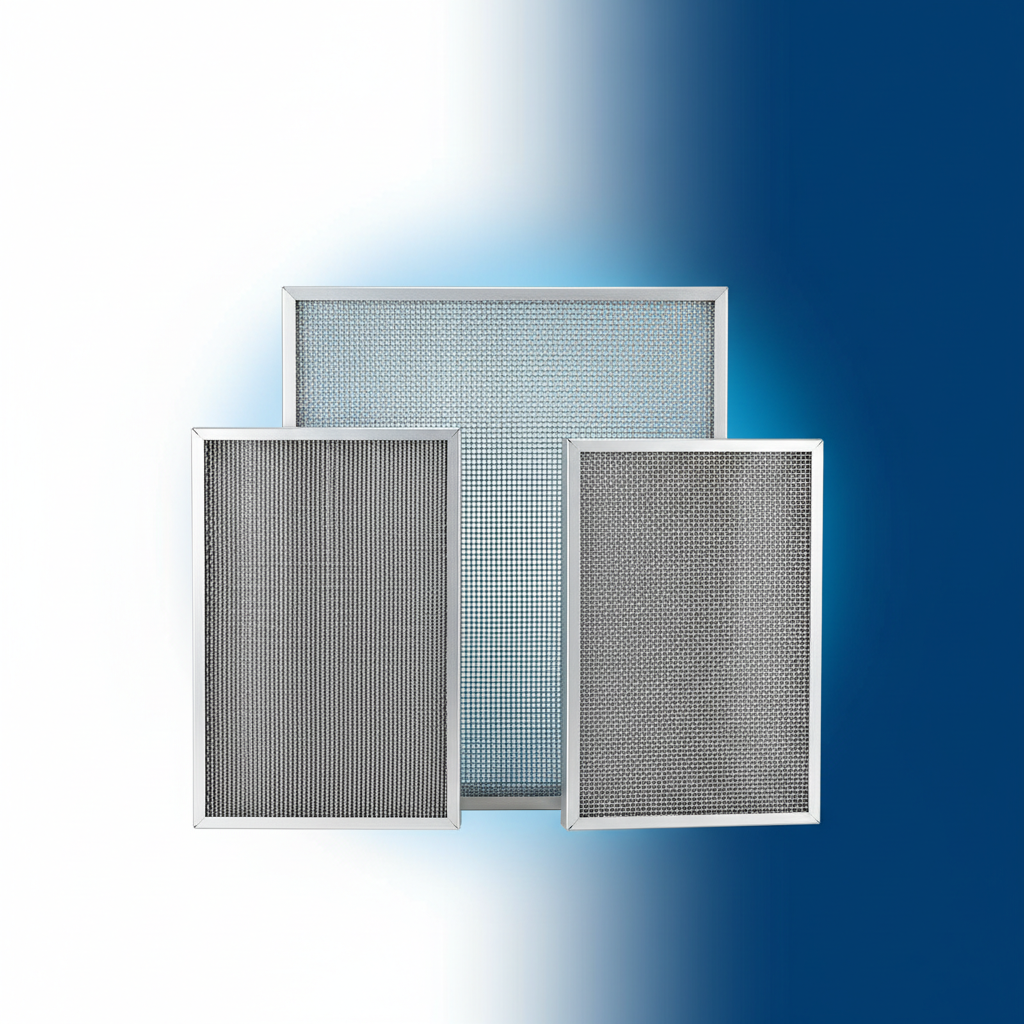
In basic terms, a knitted wire mesh filter is a metal mesh formed by interlocking metal wires in a knitted pattern, much like a delicate fabric but made of stainless steel or other durable alloys. This knitting method differs from woven mesh by creating three-dimensional structures with higher porosity and flexibility.
Rather than just blocking debris like a flat net, these filters provide excellent filtration combined with compressibility and self-cleaning ability under certain flow conditions. It’s no surprise they’ve found a foothold in fields ranging from automotive and aerospace to chemical processing and water purification.
Put simply, it’s the go-to solution when durability meets precision and adaptability. Industries needing reliable filtration that can handle pressure, temperature swings, and corrosive environments turn to knitted wire mesh filters as a dependable choice.
Core Components and Key Factors Behind Their Effectiveness
1. Durability and Corrosion Resistance
Most knitted wire mesh filters use stainless steel grades like 304 or 316, essential for resisting rust and chemicals. This means they last longer, especially when facing aggressive fluids or outdoor conditions — a kind of “built to endure” philosophy.
2. Precision Filtration
Thanks to the knitted construction, these filters catch particulates from a broad size range. You can fine-tune pore sizes to trap anything from macro debris down to micron levels with less clogging risk, making them ideal in fluid or gas applications.
3. Flexibility and Shape Retention
Unlike woven meshes, knitted ones can compress without losing integrity, useful when packing them into cartridges or unusual shapes. That versatility meets practical needs — from round housing filters to custom designs.
4. Ease of Cleaning and Reusability
Many knitted wire mesh filters can be cleaned by backflushing or ultrasonic methods, extending lifespan and lowering replacement costs — a vital eco-conscious advantage.
5. Cost Efficiency Over Time
While upfront costs might be higher than cheaper alternatives, their longevity and performance reduce total cost of ownership. Many engineers note they save both downtime and expenses related to frequent replacements.
Real World Uses: How Knitted Wire Mesh Filters Shape Industries and Lives
Industries across the globe rely heavily on knitted wire mesh filters. For instance, in the oil and gas sector of the Middle East, these filters prevent solid contaminants from damaging expensive pumps. In Europe’s pharmaceutical plants, they guarantee sterile filtration during drug manufacturing. Meanwhile, NGOs in Southeast Asia leverage portable filtration units containing knitted wire mesh filters to ensure clean drinking water for flood-affected communities.
Even automotive companies shape air intake and exhaust preprocessing with these filters to comply with emissions regulations, proving their tech-friendly edge. Oddly enough, such a humble product quietly supports megaprojects and small-scale humanitarian work alike, where reliability is key.
Mini takeaway: From remote disaster zones to high-tech factories, knitted wire mesh filters prove themselves adaptable and essential.
Advantages and the Long-Term Value of Investing in Quality Filters
- Reliability: Reduced risk of equipment failure means smoother operations.
- Sustainability: Fewer replacements mean less waste — a win for planet-conscious companies.
- Safety and Health: Enhanced filtration protects workers and communities from hazardous particles.
- Cost Savings: Durability leads to fewer maintenance headaches and budget surprises.
- Innovation Friendly: Easily customized filters support evolving tech demands.
There's something reassuring about knowing your filtering system can take a hit and bounce back—especially when lives or expensive machines depend on it.
Product Specification Table
| Specification | Details |
|---|---|
| Material | Stainless Steel 304/316 |
| Pore Size | 10 - 500 Microns |
| Wire Diameter | 0.05 - 0.5 mm |
| Max Temperature | 550 °C (1042 °F) |
| Max Pressure | 16 bar (230 psi) |
| Cleaning Method | Backflushing, Ultrasonic, Chemical |
A Quick Comparison: Leading Suppliers of Knitted Wire Mesh Filters
| Vendor | Filter Types | Customization | Lead Time | Price Range |
|---|---|---|---|---|
| AnyAFIlter Media | Knitted, Woven, Sintered | High | 2-4 weeks | $$$ |
| MeshTech Solutions | Knitted Only | Medium | 3-5 weeks | $$ |
| Global Filters Inc. | Knitted, Woven | Low | 1-3 weeks | $$$ |
Future Trends: What’s Next for Knitted Wire Mesh Filters?
The filtration space is not standing still, not by a long shot. Many companies are integrating digital sensors with knitted wire mesh filters to monitor clogging in real-time — a sort of “smart filter” that warns engineers before problems spiral. On the materials front, advances in lightweight alloys and hybrid composites hint at filters that could be stronger yet more flexible.
Eco-conscious manufacturing is also steering designers towards recyclable and lower energy production methods. Governments’ tightening regulations on emissions and waste push innovation to keep pace, ushering in filters capable of supporting renewable energy technologies, like biofuel refinement and hydrogen processing.
Common Challenges and How They’re Being Tackled
Despite their advantages, knitted wire mesh filters sometimes struggle with clogging under highly viscous fluids or extremely fine particulate loads. Regular cleaning is mandatory, but in remote locations, this can be tricky. Engineers now explore self-cleaning coatings and modular designs for quicker part swaps.
Another challenge is cost, especially when projects are budget-sensitive. Solutions include designing filters for multiple uses or offering leasing/rental schemes for disaster relief agencies, which balance performance with affordability.
FAQ: Your Frequently Asked Questions About Knitted Wire Mesh Filters
- What industries benefit the most from knitted wire mesh filters?
- From oil & gas to pharmaceuticals, automotive to environmental services, these filters provide reliable contamination control and protect equipment, making them valuable across diverse sectors.
- How often should knitted wire mesh filters be cleaned or replaced?
- Cleaning frequency depends on application and contaminant load, but many filters can be cleaned multiple times through backflushing or ultrasonic methods. Replacement usually happens after several years, depending on use conditions.
- Are knitted wire mesh filters environmentally friendly?
- Yes. Their reusability and durability reduce waste compared to disposable filters, and many manufacturers aim for sustainable materials and production processes.
- Can knitted wire mesh filters be customized for specific applications?
- Absolutely. Vendors like knitted wire mesh filter specialists offer tailored pore sizes, materials, and shapes to fit unique customer needs.
- What is the typical lead time to get a custom knitted wire mesh filter?
- Usually between 2-5 weeks depending on the complexity and order size, but expedited services may be available for critical projects.
Wrapping It Up
In the big picture, knitted wire mesh filters quietly underscore the intersection of precision engineering and global responsibility. Whether filtering pollutants from industrial emissions or safeguarding clean drinking water in disaster zones, they are a testament to the power of thoughtful design and durable materials. If you’re intrigued by how these filters could fit into your projects or operations, I’d recommend checking out more at AnyAFIlter Media — they really seem to get it.
There’s a subtle joy in discovering how something as technical as knitted wire mesh filters can feel... almost human. A little flexible, strong when it counts, and always ready for the next challenge.
References
Post time: Nov-26-2025