Understanding Galvanised Mesh Filters: Why They Matter More Than Ever
At first glance, galvanised mesh filters might not seem like a household term — yet their role is quietly profound. These filters are not just components but pivotal elements in sectors ranging from clean water supply to industrial safety. Globally, with rising environmental concerns and industrial demands, understanding galvanised mesh filters offers insight into how we keep contaminants at bay while balancing cost and durability. Simply put: these filters matter because they protect systems, lives, and the environment.
The Global Context: Why Galvanised Mesh Filters Are in High Demand
The need for effective filtration has never been more pressing. According to the United Nations’ water statistics, nearly 2.2 billion people worldwide lack access to safely managed drinking water. Industrial sectors too, from oil refining to manufacturing, struggle to maintain clean processes without reliable filters. Here’s the snag: contaminants cause system inefficiencies, equipment damage, and even health risks. Enter galvanised mesh filters — a tough, affordable solution addressing these challenges globally.
By using corrosion-resistant materials, these filters have wide adoption in harsh environments, especially where water or chemicals erode lesser materials quickly. The galvanisation process also ensures longer product life, reducing replacement frequency and, therefore, waste and cost.
What Exactly Are Galvanised Mesh Filters?
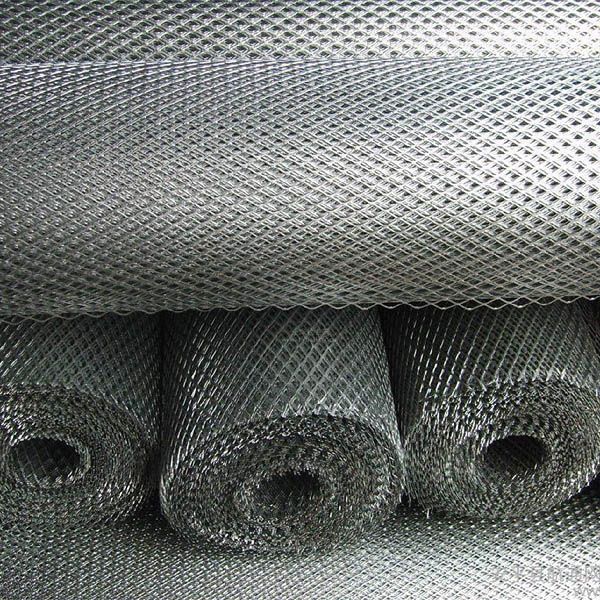
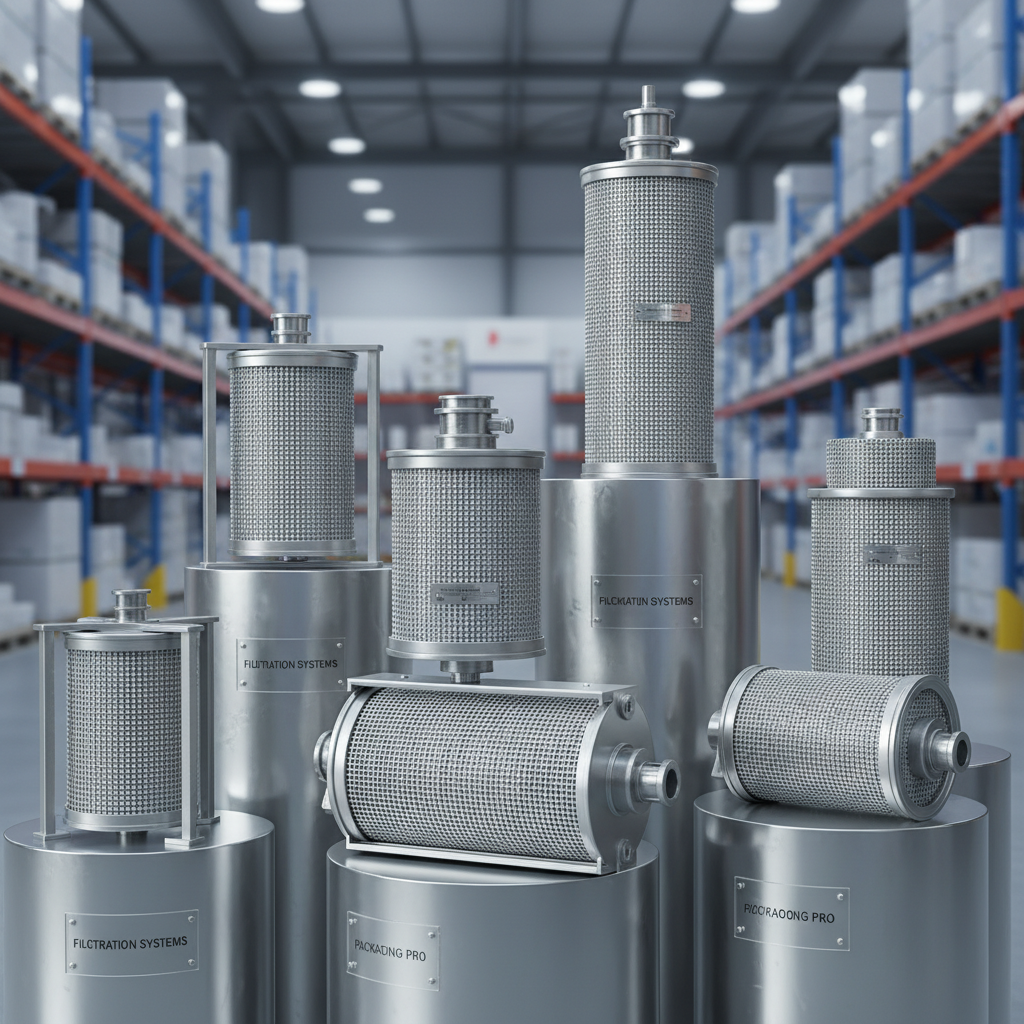
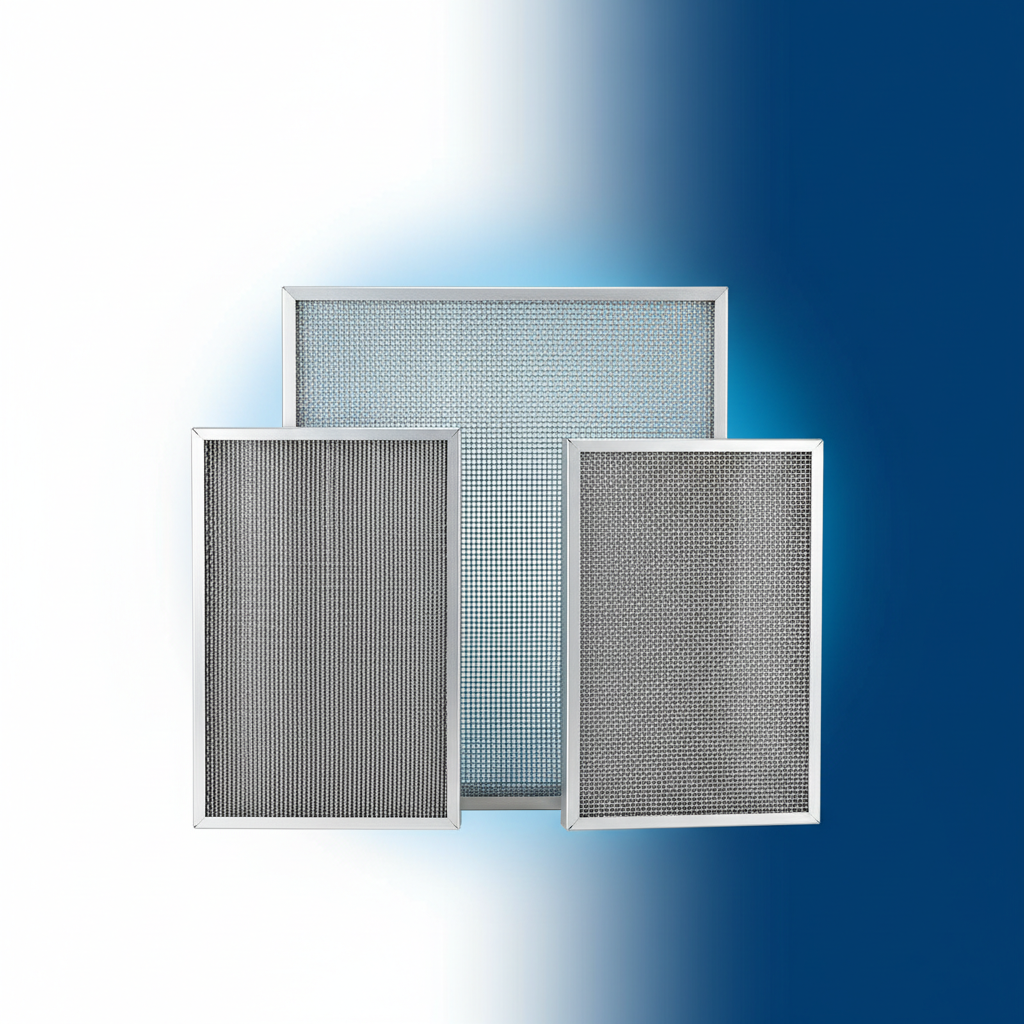
Simply put, these filters are made from metal mesh that’s coated with a layer of zinc — the “galvanised” part — to prevent rust. The mesh acts as a physical barrier, trapping particles and impurities of various sizes depending on the mesh weave. Think of it as a sieve that’s tough enough for industrial tanks or delicate enough for drinking water systems.
In industries and humanitarian projects alike, this combination of durability and filtration efficiency makes galvanised mesh filters invaluable — from filtering sediments in water treatment plants to screening dust and debris in manufacturing processes.
Key Features That Make Galvanised Mesh Filters Practical
Durability & Corrosion Resistance
The zinc coating protects metal from oxidation and corrosion, extending filter lifespan dramatically. This means fewer replacements and less downtime — especially critical in heavy industries or remote locations.
Adaptable Mesh Sizes
Available in a range of weave sizes, they can filter anything from small particulates to larger debris, allowing customization for specific applications.
Cost Efficiency
Compared to stainless steel or plastic alternatives, galvanised mesh strikes an excellent balance between upfront cost and durability; it’s often the go-to for budget-conscious projects needing reliability.
Easy Maintenance
These filters are straightforward to clean and replace, a big plus for industries operating 24/7 or in areas where quick fixes are necessary.
Eco-Friendly Aspects
The extended lifecycle and recyclability of the zinc-metal mesh contribute to less waste — an increasingly important factor as industries pursue sustainable practices.
Mini Takeaway: Galvanised mesh filters offer a blend of toughness, flexibility, and economy that simply can’t be ignored by industries facing filtration challenges.
Real-World Applications Across Continents
While you might associate mesh filters with factory floors or water treatment plants, they pop up in places you’d hardly expect.
- Africa: In regions grappling with water scarcity and contamination, galvanised mesh filters help NGOs and governments deliver safer drinking water in post-disaster zones.
- Asia: Heavy manufacturing hubs use these filters in machinery systems to keep processes efficient and minimize breakdowns caused by particulate build-up.
- Europe & North America: Environmental agencies employ galvanised mesh in air filtration and wastewater treatment plants — critical in meeting stringent ISO and EPA standards.
- Remote Industrial Sites: From mining camps to offshore platforms, their durability ensures reliable operation where replacement parts are hard to come by.
Take, for example, a recent case in Southeast Asia where a leading NGO partnered with a galvanised mesh filter manufacturer to implement water purification systems post-flood. The filters withstood not only harsh conditions but also needed minimal maintenance — a lifesaver in communities where technical help is scarce.
Advantages That Add Up to Long-Term Value
When looking beyond the initial purchase price, the benefits stack up nicely:
- Cost Savings — Fewer replacements and reduced downtime mean ongoing financial benefits.
- Reliability — Consistent filtration quality protects sensitive equipment and ensures compliance with regulations.
- Safety & Dignity — For people relying on clean water, these filters literally mean better health and quality of life.
- Environmental Impact — Extended product life and recyclability reduce waste streams.
It’s often said that in filtration, the best product is the one you barely notice — just quietly doing its job. The emotional aspect of trusting a filter not to fail in a crisis or a heavy industrial run is hard to undervalue.
Looking Ahead: Innovations and Trends in Filtration
The sector isn’t standing still. New coatings, nanotechnology-enhanced meshes, and smart monitoring systems (digital sensors that alert for cleaning or replacement) are shaping the future.
Eco-conscious trends push manufacturers to develop filters with even lower environmental footprints — for instance, bio-inspired filtration patterns or greener galvanisation processes with less harmful chemicals.
Challenges and How Experts Are Tackling Them
No tech is perfect. A few common issues arise with galvanised mesh filters:
- Mesh Clogging: In highly polluted environments, filters clog faster and require frequent cleaning.
- Mechanical Damage: Excessive abrasion or impacts can reduce filter lifespan.
- Environmental Restrictions: Galvanisation involves zinc, which needs careful disposal; improper handling could affect ecosystems.
Innovations like self-cleaning mesh designs, hybrid filters combining materials, and better recycling standards are mitigating these challenges. Industry collaborations and ISO certifications are ensuring quality and sustainability walk hand-in-hand.
Specifications: A Typical Galvanised Mesh Filter
| Feature | Specification | Remarks |
|---|---|---|
| Mesh Material | Steel Wire, Hot-dip Galvanised | Zinc coating thickness ~45 microns |
| Mesh Size Range | 10 to 200 mesh (58 microns to 2 mm) | Custom sizing available |
| Typical Thickness | 0.2 to 1.2 mm wire diameters | Suitability varies by flow rate |
| Operating Temperature | -20°C to 250°C | Suitable for most industrial settings |
| Corrosion Resistance | High, via zinc galvanisation | Depends on environment |
Comparing Leading Vendors of Galvanised Mesh Filters
| Vendor | Range of Mesh Sizes | Customization Options | Sustainability Practices | Typical Lead Time |
|---|---|---|---|---|
| SteelTech Solutions | 10-150 mesh | Custom wire diameters & coating thickness | ISO 14001 certified | 3–4 weeks |
| FilterWorks Inc. | 20-200 mesh | Special anti-clog coatings available | Uses recycled steel | 2–3 weeks |
| EcoMesh Global | 15-180 mesh | Biodegradable packaging, limited custom orders | Focus on green galvanisation methods | 4–5 weeks |
Frequently Asked Questions About Galvanised Mesh Filters
- What is the typical lifespan of galvanised mesh filters in industrial environments?
- Most galvanised mesh filters last between 3 to 7 years, depending on environmental conditions like exposure to corrosive chemicals or mechanical abrasion. Regular maintenance and cleaning can extend their service life significantly.
- Can galvanised mesh filters be used in drinking water systems?
- Absolutely. Due to their corrosion resistance and effective particle filtration, they are frequently utilized in water treatment plants to remove sediments and debris, ensuring safer water supplies.
- How do galvanised mesh filters compare with stainless steel options in terms of cost and durability?
- Galvanised mesh filters tend to be more affordable upfront but may have a shorter lifespan than stainless steel. However, zinc galvanisation effectively prevents rust for most applications, making them a cost-effective choice where ultra-high corrosion resistance is not critical.
- Are these filters recyclable or environmentally friendly?
- Yes, galvanised mesh can be recycled as steel, and the galvanisation process has become greener over time. Their longevity also reduces waste compared to disposable filters.
- How customizable are galvanised mesh filters for special industrial needs?
- Manufacturers often offer a range of mesh sizes, wire thicknesses, and coating thicknesses. Some even add special surface treatments to reduce clogging or improve chemical resistance.
Wrapping Up: Why Galvanised Mesh Filters Are a Smart Long-Term Choice
It’s clear that galvanised mesh filters blend technical savvy with practical benefits. From industrial settings to humanitarian efforts, they represent a balance of durability, cost-efficiency, and ecological mindfulness. If you’re exploring filtration options — be it for an oil refinery or a safe water project — these filters deserve serious consideration.
Looking to delve deeper or source reliable galvanised mesh filters? Visit our website for a closer look and expert guidance tailored to your industry’s needs.
References:
Post time: Nov-26-2025