Understanding the Fuel Filter Paper Element: A Vital Component in Industrial Equipment
Having spent a fair few years knee-deep in the industrial equipment world, I’ve come to appreciate just how much seemingly small components like the fuel filter paper element matter. Fuel filters might not be the flashiest part of a machine — heck, most folks overlook them entirely — but they quietly do the heavy lifting in protecting engines. Without good filtration, you risk costly downtime or worse.
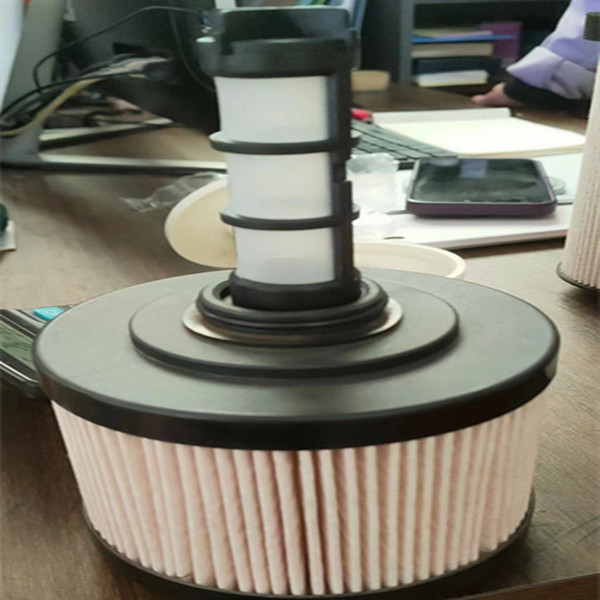
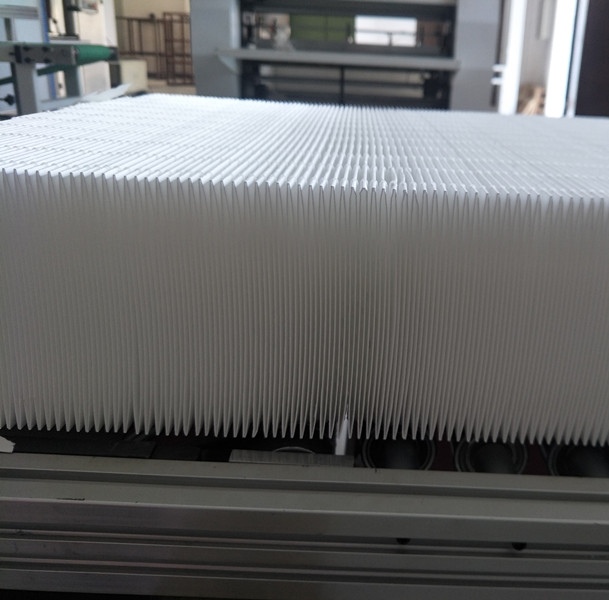
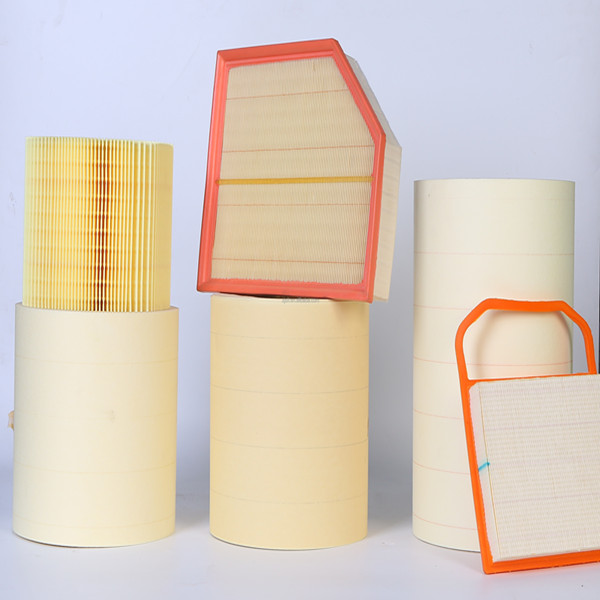
So, what makes the fuel filter paper element such a trusted player in the filtration game? Well, let’s start with the basics. These filter elements are typically made from cellulose or synthetic fibers, engineered to trap contaminants like dirt, rust particles, and other debris lurking in fuel. Oddly enough, even trace amounts of contamination can cause injector nozzles to clog or lead to premature engine wear, which is why the paper element’s quality is critical.
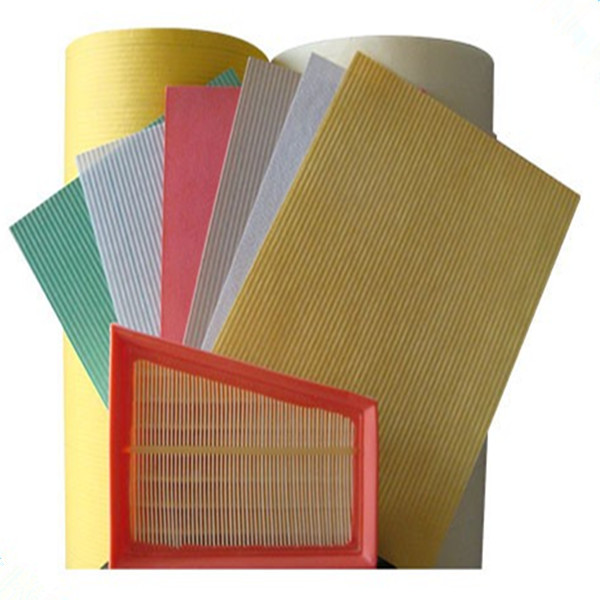
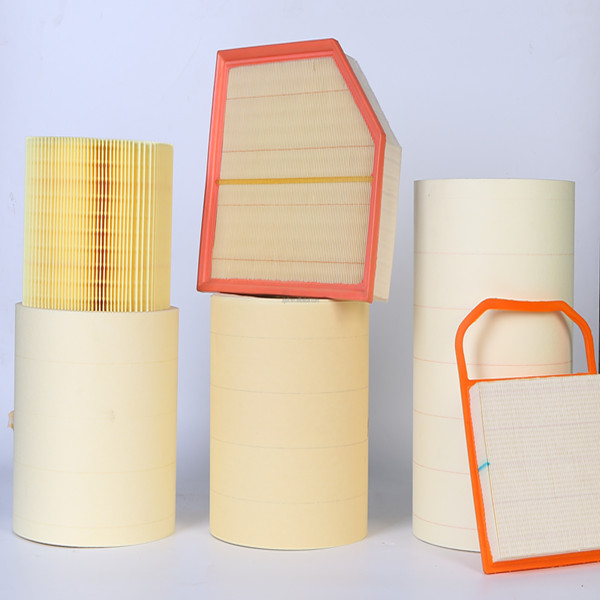
Speaking from experience — yeah, I’ve seen my share of busted injectors caused by subpar filters — choosing the right filter paper makes a tangible difference. High-grade cellulose blends, sometimes reinforced with synthetic fibers, achieve a nice balance of filtration efficiency and durability without compromising flow rate. It’s this balance that many operators often overlook until it’s too late.
Key Product Specifications of Fuel Filter Paper Elements
| Specification | Typical Range | Notes |
|---|---|---|
| Material | Cellulose with synthetic fiber blends | Balance of filtration and flow |
| Micron Rating | 2–10 microns | Depends on engine requirements |
| Durability | High tensile strength; moisture resistant | Ensures lifespan in fuel exposure |
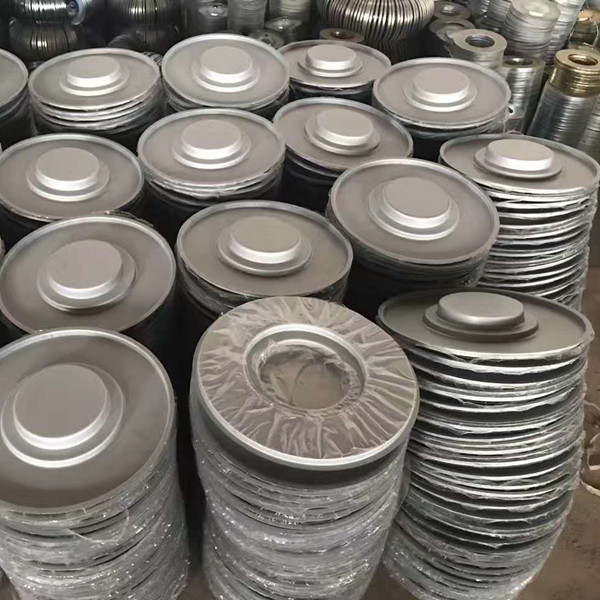
| Dimensions | Varies (typically 2” to 6” diameter) | Custom sizes available |
| Compatibility | Petroleum and bio-fuel blends | Important for evolving fuels |
Naturally, testing and certification from recognised bodies (say ISO or SAE standards) add confidence. I’ve noticed that companies which invest in rigorous testing often stand out because their filters hold up better under challenging conditions — longer filter life and consistent flow, for example.
Vendor Comparison: What to Look for When Choosing a Supplier
| Vendor | Material Options | Customization | Lead Time | Additional Services |
|---|---|---|---|---|
| Anya Filter Media | Cellulose & Synthetic blends | Fully customizable sizes & ratings | 2–3 weeks | Technical support & testing data |
| Generic Filters Co. | Standard cellulose | Limited | 1 week | None |
| Premium Filter Tech | High-end synthetic fibers | Custom micron ratings | 3–4 weeks | Consultation & prototype services |
I once worked with a mid-sized fleet operator who switched from generic filters to ones with a better paper element from a trusted supplier. The result? Downtime was slashed dramatically, and fuel system maintenance costs dropped by nearly 30% in just over six months. That stuck with me, frankly, because it’s a vivid reminder: the right filter isn’t just a part — it’s an investment.
Speaking honestly, the fuel market isn’t standing still. Biofuels, harsher additives, and tighter emissions targets mean the filtration needs keep evolving. A great fuel filter paper element provider will stay ahead of these changes with innovative materials and testing protocols — which is why I often nudge people toward Anya Filter Media — they get it.
If you’re selecting a fuel filter paper element, here’s a quick takeaway: don’t underestimate the value of quality materials and expert craftsmanship. It pays off in engine longevity and peace of mind. And really, isn’t that what we all want from our industrial machines?
References:
1. SAE International – Fuel Filter Standards and Testing Procedures
2. ISO 4548-12: Testing Methods for Fuel Filter Elements
3. Industrial Filtration Journal, 2023 – Trends in Fuel Filter Media
Post time: Dec-03-2025