You know, I’ve been running around construction sites for fifteen years, and let me tell you, things are changing fast. It used to be, ‘give me something strong, give me something cheap,’ but now everyone’s talking about sustainability, about VOC emissions, about… well, honestly, a lot of jargon. But the core remains the same – it has to work on site. It has to survive being dropped, rained on, and generally abused. That’s where good cellulose filter paper suppliers come into play. They aren’t glamorous, but they’re essential.
Have you noticed how everyone's obsessed with filtration now? It's not just about clean air anymore, it's water, oil, even dust control during concrete pouring. Seems like every project needs a customized filtration solution. I've spent countless hours with engineers debating pore sizes, flow rates, and burst strengths. It's more complicated than it looks.
And forget what the lab tests tell you. Real-world performance is what matters. I once saw a filter paper supplier bragging about a 99.9% efficiency rating, but on a particularly muddy job site in Shanghai, it clogged up after an hour. Absolutely useless.
The Evolving Landscape of Cellulose Filter Paper
To be honest, cellulose filter paper isn't exactly a sexy topic. But it's a huge market, driven by everything from HVAC systems to industrial manufacturing. The demand for higher efficiency, particularly for fine particulate matter, is constantly increasing. And it’s not just about the paper itself; it's the entire supply chain, the quality control, and the ability of these cellulose filter paper suppliers to consistently deliver.
Strangely, we’re seeing a push for more bio-based materials. Clients want ‘green’ solutions, which is good, but it can't come at the expense of performance. Finding suppliers who can balance sustainability with functionality is a constant challenge.
Design Pitfalls and Common Mistakes
I encountered this at a factory in Dongguan last time. People often underestimate the importance of pre-filtration. They jump straight to the high-efficiency filters, ignoring the fact that larger particles will quickly clog them up. It’s like trying to run a marathon without stretching – you’re going to get injured. Layered filtration systems are key, and cellulose filter paper suppliers who understand that are worth their weight in gold.
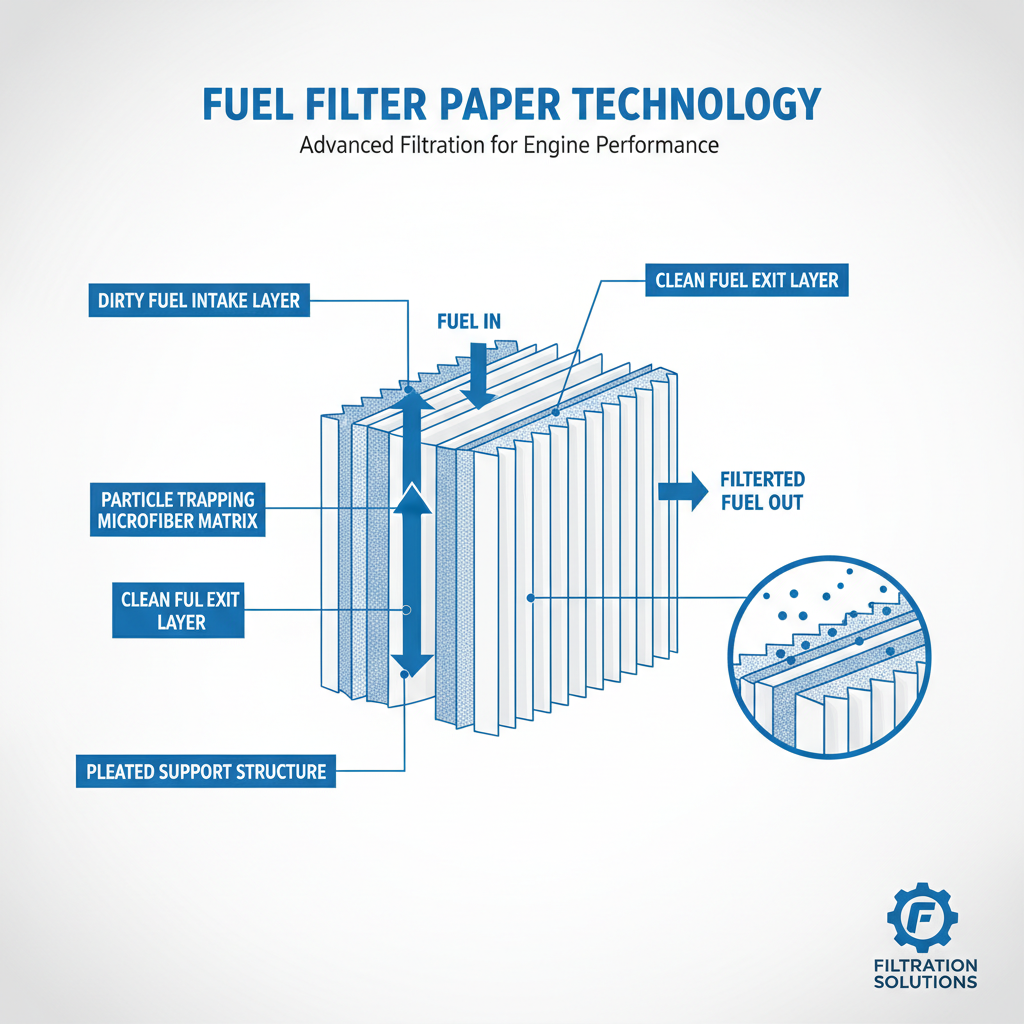
Another thing: compression. Too much compression reduces airflow, while too little allows bypass. Finding the sweet spot requires careful testing and a good understanding of the paper's properties. And don’t even get me started on the pleat design. The spacing, the depth, it all affects efficiency and longevity.
Honestly, a lot of designers treat filter media as an afterthought. They focus on the housing, the fan, the controls, and then just slap in whatever filter seems cheapest. Big mistake.
Materials and Handling: A Practical Perspective
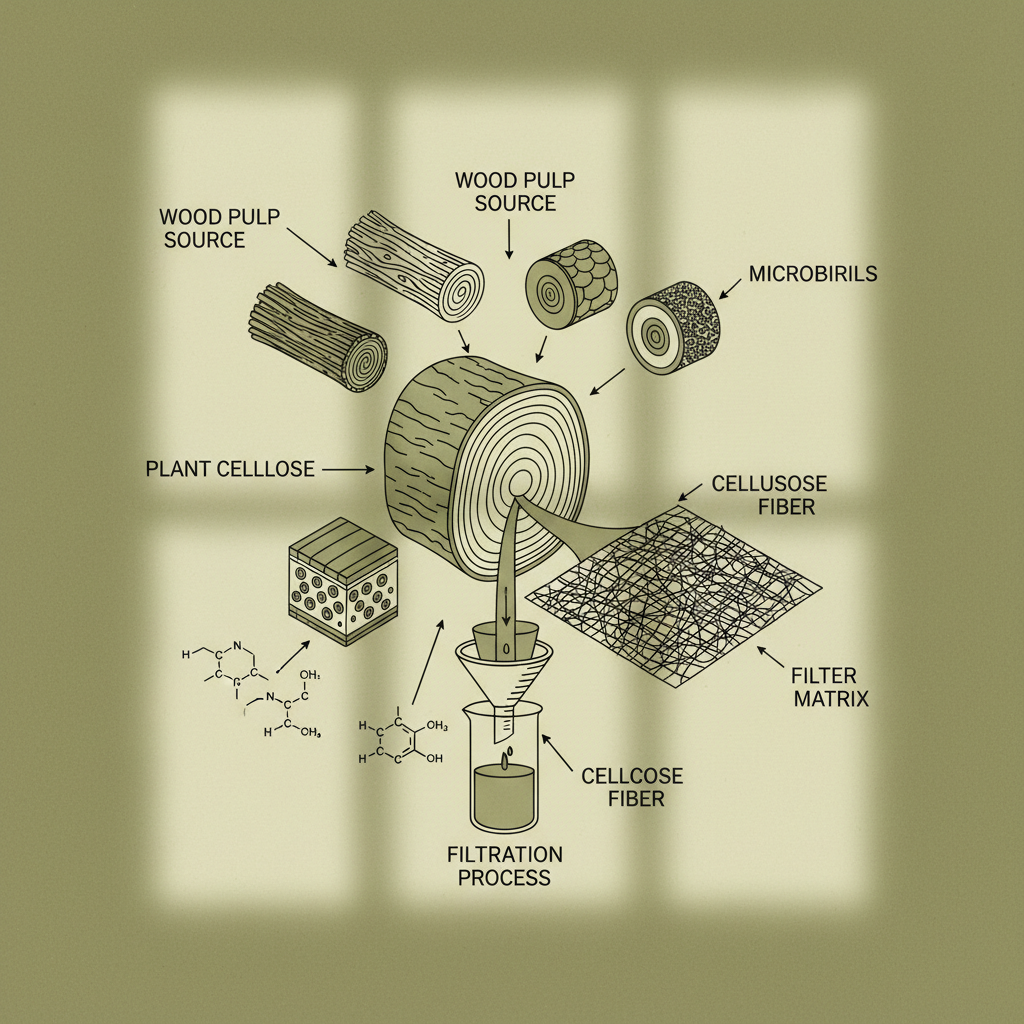
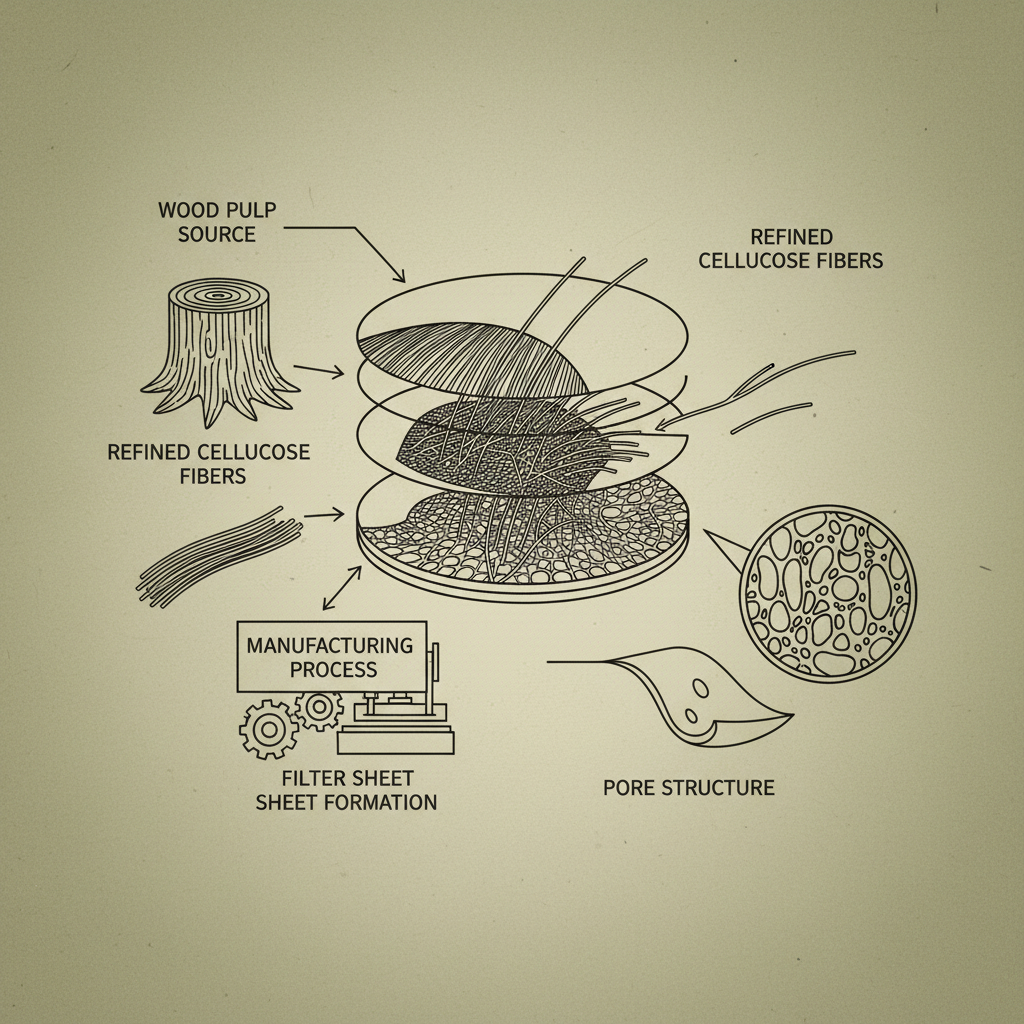
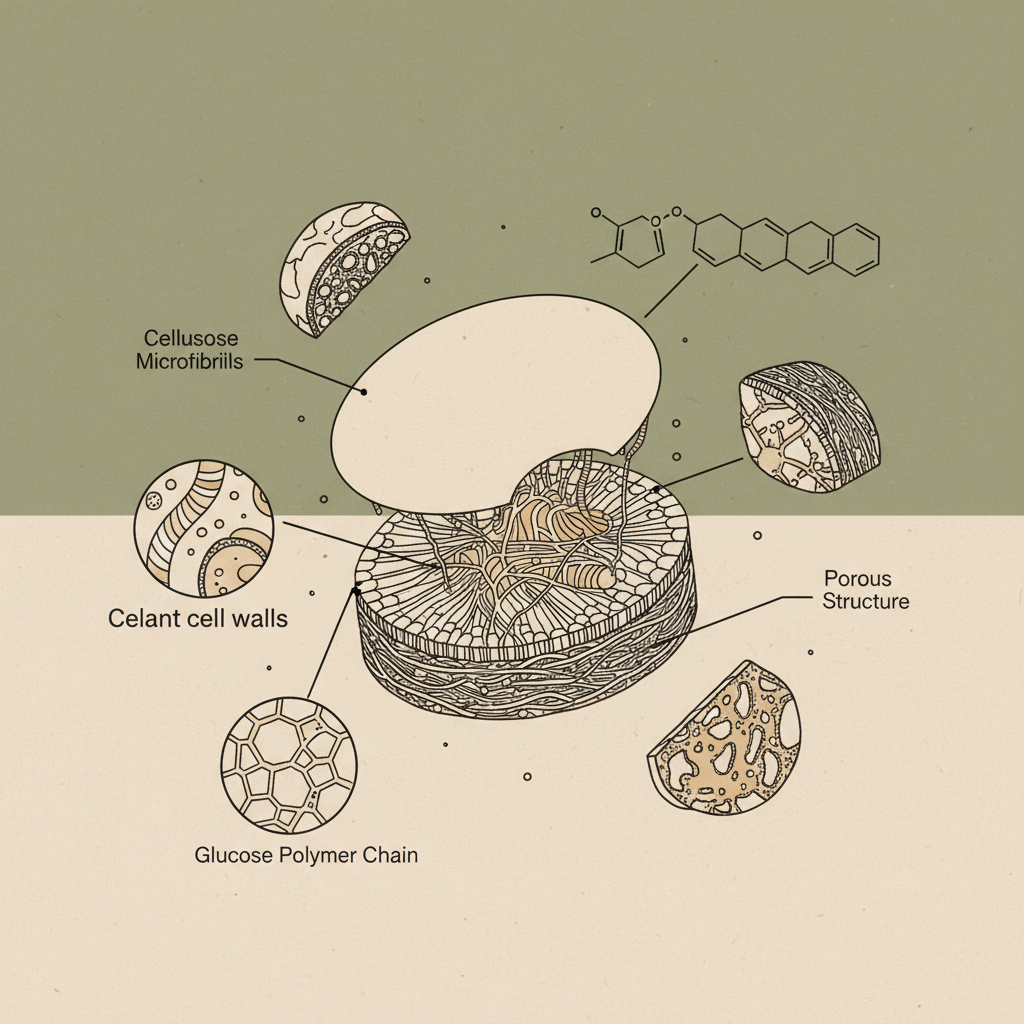
The cellulose itself is important, obviously. Longer fibers generally mean stronger paper. But the additives are crucial. Resins for wet strength, fillers for pore size control, and sometimes even antimicrobial agents. I’ve seen suppliers using all sorts of things. You can tell a good quality paper just by the smell – a clean, slightly woody scent. If it smells chemical-laden, walk away.
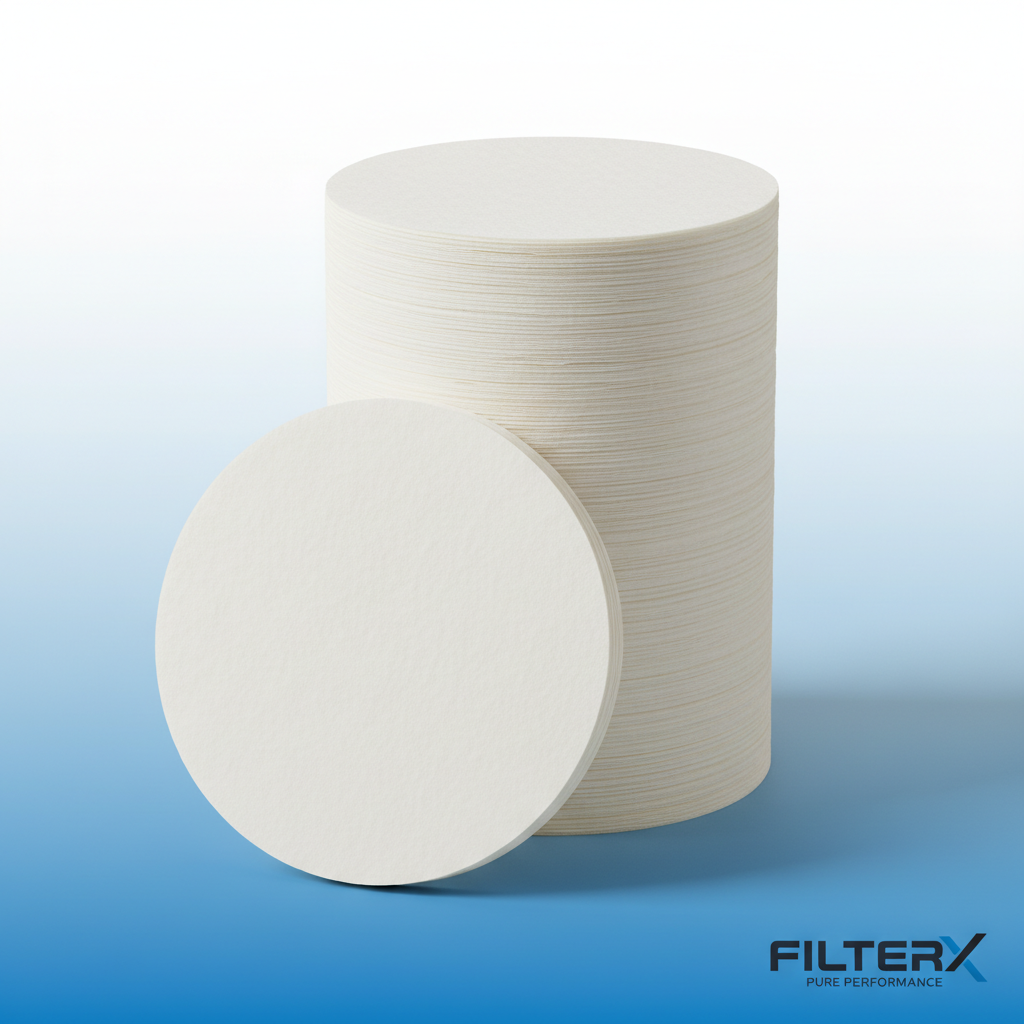
And handling… that’s huge. Cellulose filter paper is delicate. It tears easily, especially when wet. Workers need to be trained to handle it carefully, to avoid damaging the media during installation. I’ve seen guys just wad it up and shove it into the frame. Unbelievable. It feels like a thick, slightly rough cloth, almost like parchment paper, depending on the grade.
You need to be careful about static electricity, too. It can attract dust and reduce efficiency. That’s why a lot of suppliers ship their products in anti-static bags. It's a small detail, but it makes a difference.
Real-World Testing and Performance
Forget the ISO standards for a minute. Those are good for baseline comparisons, sure, but they don’t tell the whole story. Real testing happens on the job site, under actual operating conditions. We’ll take filters, install them in a real system, and monitor pressure drop, airflow, and particulate matter levels over time.
We also do destructive testing. We’ll intentionally overload the filters, expose them to extreme temperatures, and even subject them to physical abuse. I’ve ripped filters apart with my bare hands to see how they hold up. It's not pretty, but it's necessary. We’re looking for things like delamination, tearing, and media migration.
Cellulose Filter Paper Performance Metrics
How Users Actually Employ Cellulose Filters
You know, what engineers think happens and what actually happens are often two different things. I've seen guys use filter paper as makeshift gaskets, as dust cloths, even as packing material. It’s resourceful, sure, but not exactly what the supplier intended.
And maintenance is a huge issue. Filters get forgotten. They get ignored. They get left in place for months, even years, long after they've reached their capacity. That’s why we always emphasize regular filter changes and proper disposal procedures.
Advantages, Disadvantages, and Customization Options
The biggest advantage of cellulose filter paper is its cost-effectiveness. It’s relatively cheap to produce, which makes it accessible to a wide range of applications. It also has good absorption properties and is relatively easy to dispose of (although we’re always pushing for recycling).
The disadvantages? It’s not as durable as some other materials, like synthetic fibers. It’s susceptible to moisture damage and can degrade over time. It's also not ideal for high-temperature applications.
But the beauty of working with good cellulose filter paper suppliers is that you can customize almost everything. Last year, a client needed a filter paper with a specific pore size gradient – finer on one side than the other – to capture a particular type of contaminant. It was a challenge, but we made it happen.
A Customer Story: The Debacle
Last month, that small boss in Shenzhen who makes smart home devices – Mr. Li – insisted on changing the interface to for the dust filter access panel. Said it was more ‘modern’. I tried to explain that it would complicate the manufacturing process, increase costs, and potentially compromise the seal, but he wouldn’t listen.
He wanted it to look sleek, you see. Anyway, he went ahead with it, and the result was a leaky filter housing that couldn’t maintain negative pressure. The entire production line had to be reworked. Cost him a fortune and delayed the launch by three weeks. It’s a classic case of form over function.
He called me afterward, sheepishly admitting he should have listened. I just told him, "Sometimes, the simplest solution is the best."
Key Performance Indicators for Cellulose Filter Paper Suppliers
| Supplier Responsiveness (Days) |
Production Lead Time (Weeks) |
Price Competitiveness (Scale 1-10) |
Quality Control Consistency (Score 1-10) |
| 2 |
4 |
8 |
9 |
| 1 |
6 |
7 |
8 |
| 3 |
3 |
6 |
7 |
| 2 |
5 |
9 |
9 |
| 4 |
7 |
5 |
6 |
| 1 |
4 |
8 |
8 |
FAQS
Lead times really depend on the complexity of the customization and our current workload. For simple size or weight adjustments, we're usually looking at 2-3 weeks. But for more significant modifications, like custom pore size gradients or special coatings, it can take 6-8 weeks. It’s always best to get a quote and a firm timeline upfront. We try to be realistic, because delays on this end can completely mess up your project schedule.
Consistency is everything. We have a rigorous quality control process in place, starting with raw material inspection and continuing through every stage of production. We use statistical process control to monitor key parameters and identify any deviations from the norm. We also conduct regular random sampling and testing to ensure that the final product meets our stringent specifications. Honestly, it's a pain, but it's worth it to avoid problems down the line.
We hold ISO 9001 certification for our quality management system. Many of our products also meet specific industry standards, like those for food contact or pharmaceutical applications. We can provide detailed certificates of analysis and compliance with any relevant regulations. Just let us know your specific requirements, and we’ll make sure everything is up to par. It's all about documentation, unfortunately.
That's a tricky one. Standard cellulose filter paper isn't ideal for high-temperature applications, as it can start to degrade at around 80-100°C. However, we offer some treated cellulose papers with improved thermal stability. These are typically coated with a heat-resistant polymer. The maximum operating temperature will depend on the specific coating, but we can generally get it up to around 150°C. It's best to discuss your specific temperature requirements with our technical team.
The MOQ varies depending on the complexity of the customization. For standard sizes and weights, the MOQ is relatively low – around 500 sheets. But for highly customized products, the MOQ can be higher, typically 1000-2000 sheets, to justify the setup costs. We’re always willing to discuss your specific needs and try to find a solution that works for both of us. Sometimes, we can combine your order with other similar projects to lower the MOQ.
Proper storage is key. Keep it in a cool, dry place, away from direct sunlight and humidity. Moisture can cause the paper to swell and lose its integrity. Also, avoid storing it near strong chemicals or odors, as it can absorb those contaminants. Ideally, keep it in its original packaging until you’re ready to use it. Simple stuff, but people often overlook it.
Conclusion
Ultimately, cellulose filter paper might not be the most glamorous component in your project, but it’s a critical one. From ensuring clean air and water to protecting sensitive equipment, it plays a vital role in countless applications. The key is finding a reliable cellulose filter paper suppliers who understands your specific needs and can consistently deliver high-quality products.
And let’s be real: all the specifications and certifications in the world don’t matter if the filter doesn’t perform when it’s put to the test. Ultimately, whether this thing works or not, the worker will know the moment he tightens the screw.