Understanding Woven Wire Mesh Filter: A Global Perspective
Woven wire mesh filters might not be a headline grabbing technology, but they quietly hold a pivotal role across industries worldwide. From safeguarding water supplies to refining chemicals, these precise, durable filters help keep countless processes running smoothly. With water scarcity and industrial pollution rising, knowing about woven wire mesh filter solutions is more than just a technical curiosity—it’s a crucial piece in global sustainability puzzles.
Why It Matters on a Global Scale
According to UN Water Reports, over 2 billion people live with water scarcity, while industries worldwide face rising waste filtration demands. Woven wire mesh filters, known for their fine mesh sizes and reliable durability, address the challenge of separating harmful particulates from fluids and gases effectively. Their adaptability means they can be used everywhere, from advanced manufacturing plants in Germany to rural water purification systems in sub-Saharan Africa.
Mini takeaway: Understanding these filters unlocks insights into how industries can balance efficiency with environmental responsibility.
What Exactly Is a Woven Wire Mesh Filter?
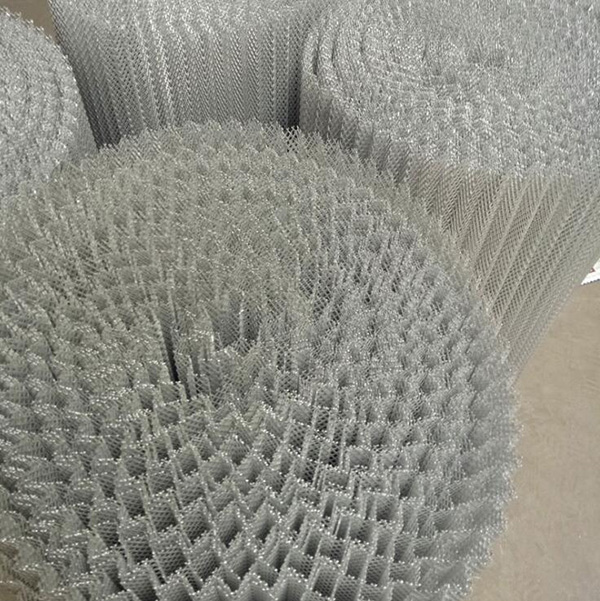
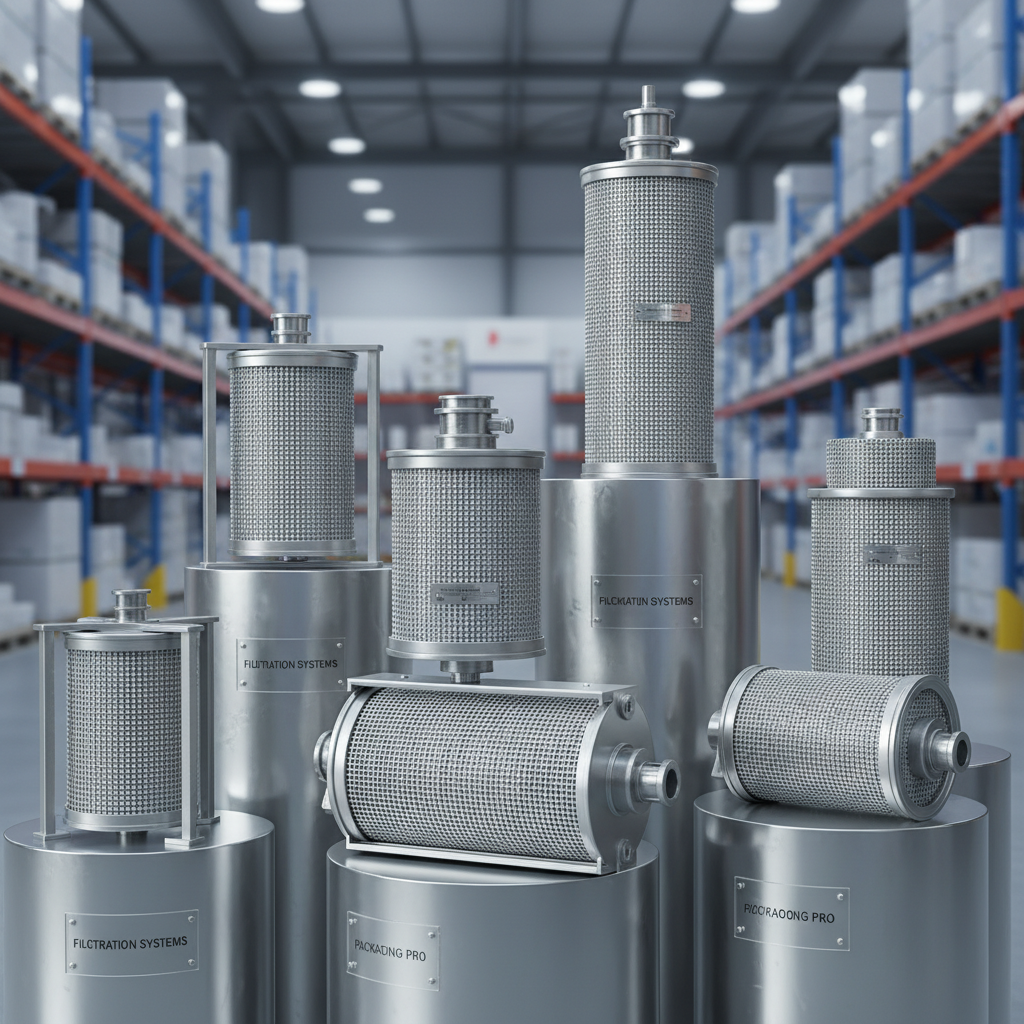
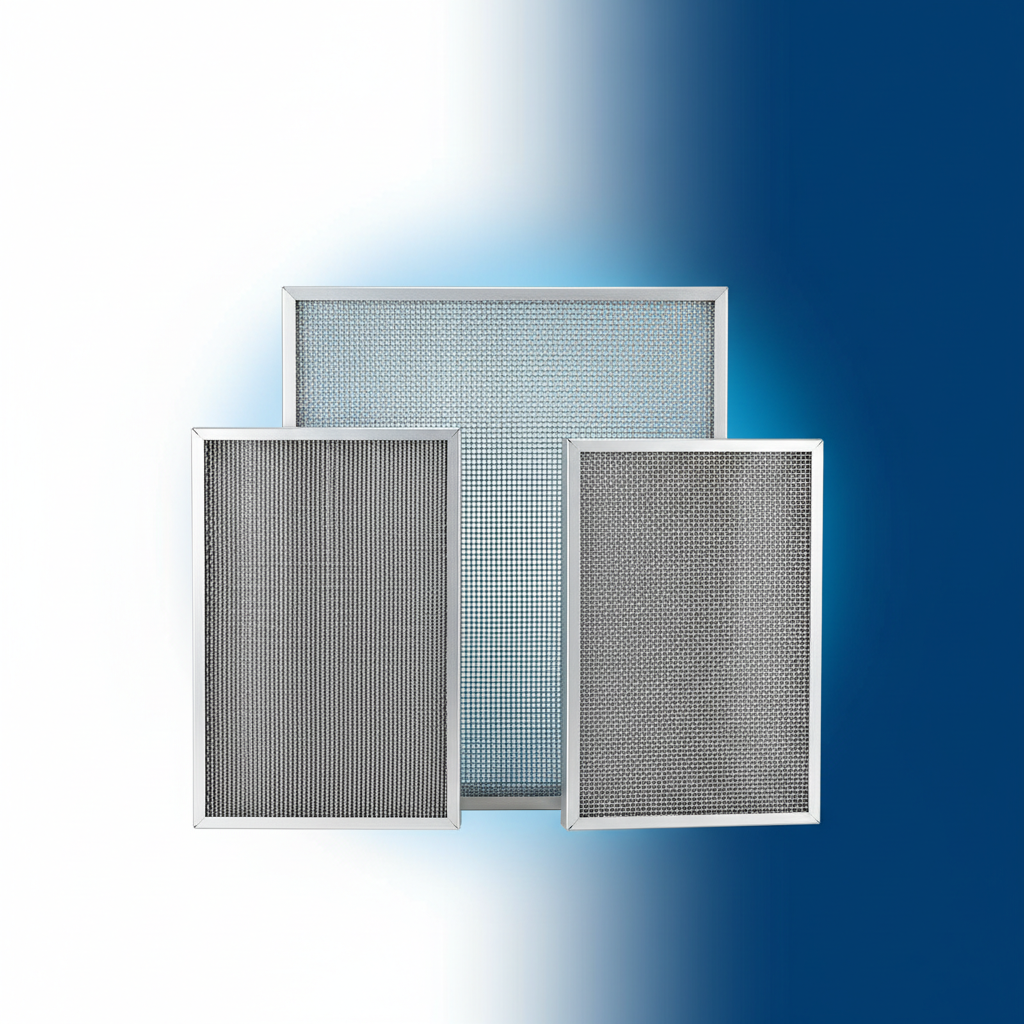
In simple terms, a woven wire mesh filter is a fabric made by interlacing metal wires tightly to create a grid or mesh. This mesh acts as a physical barrier to trap particles while allowing fluids or gases to pass through. Picture a super-strong wire screen or sieve—but one engineered to meet exacting industrial standards. The “woven” term comes from the weaving process, similar to textiles, but made from stainless steel, bronze, or other metals depending on the job.
This isn’t just about filtering dirt out of water—in sectors like petrochemicals, pharmaceuticals, or food processing, these filters ensure safety, purity, and compliance with strict regulations. Oddly enough, despite their simplicity, they’re the unsung heroes keeping some of the world’s most critical processes clean and efficient.
Key Factors That Make Woven Wire Mesh Filters So Effective
Durability
Since they’re made of metal, woven wire mesh filters withstand high temperatures, corrosive chemicals, and mechanical wear much better than plastic or fabric alternatives. Many engineers say the longevity of these filters translates into fewer replacements and less downtime.
Precision and Scalability
You can customize mesh aperture sizes down to microns, which means you decide exactly what passes and what gets filtered out. From micron-sized contaminants to bulk particles, woven wire meshes have the scalability to adapt to any need.
Cost Efficiency
Though initially pricier than cheaper disposable filters, their reusable nature and robustness result in cost savings over time—especially in demanding industrial environments.
Ease of Cleaning
Most woven wire mesh filters can be backflushed or chemically cleaned without damage, making maintenance straightforward and extending service life.
Environmental Impact
The recyclability of metal meshes and reduced waste from disposable filters give woven wire mesh filters a sustainability edge.
Mini takeaway: These core qualities combine to make woven wire mesh filters a remarkably practical and eco-conscious choice.
Global Applications and Real-World Use Cases
Woven wire mesh filters are everywhere, though many folks outside industrial circles might not notice. For instance:
- Water Treatment: In India and parts of Latin America, these filters form central parts of rural water purification kits improving health outcomes.
- Petrochemical Industry: Gulf countries rely on them to filter liquids and gases under extreme conditions.
- Food and Beverage: European breweries and dairy producers trust these filters for contaminant removal without affecting taste or quality.
- Remote Mining Sites: In harsh climates, the durability of woven wire mesh filters keeps water and oil processing reliable without massive energy inputs.
- Post-Disaster Relief: NGOs incorporate these filters in portable water purification units to deliver safe water quickly.
You can see it’s a truly global phenomenon—with woven wire mesh filters quietly supporting livelihoods and industries alike.
Typical Product Specifications
| Specification | Details |
|---|---|
| Material | Stainless Steel (304, 316), Bronze, Monel |
| Mesh Size Range | 10 - 500 mesh (approx. 2 mm to 0.025 mm openings) |
| Wire Diameter | 0.01 mm to 1 mm |
| Temperature Resistance | Up to 800°C (varies with material) |
| Corrosion Resistance | High, especially stainless steels |
| Typical Thickness | 0.5 mm to 3 mm |
Vendor Comparison: Who’s Leading the Market?
| Vendor | Material Range | Customization Options | Global Reach | Average Lead Time |
|---|---|---|---|---|
| Anyafilter Media | Stainless steel, Bronze, Monel | Full mesh size & custom weave pattern | Worldwide, with localized warehouses | 2-4 weeks |
| SteelWeave Co. | Primarily stainless steel | Limited to standard mesh sizes | North America and Europe | 3-5 weeks |
| MeshMasters Ltd. | Wide range: Stainless steel, Nickel alloys, others | Highly customizable, specialized alloys | Europe, Asia | 4-6 weeks |
Advantages and the Long-Term Value of Woven Wire Mesh Filters
Beyond the raw technical specs, these filters bring a lot to the table:
- Cost Savings: Fewer replacements, lower downtime
- Sustainability: Metal recyclability and less landfill waste
- Safety Boost: Cleaner processes translate to safer workplaces
- Dignity & Innovation: In humanitarian projects, better water quality enables people to focus on rebuilding lives rather than fighting illness
- Reliability: Trusted results even in the toughest environments
Frankly, when you lean back and think about it, these mesh filters are part of a bigger story — the drive toward cleaner industries and healthier communities.
Emerging Trends & Innovations in Woven Wire Mesh Technology
Looking ahead, woven wire mesh filters are evolving in interesting ways. For example:
- Smart Mesh: Integrating sensors to detect clogging or wear in real time.
- Eco-Friendly Materials: Development of bio-metal composites that reduce environmental impact.
- Advanced Weaves: New patterns that enhance filtration without sacrificing flow rates.
- Digital Fabrication: Using AI and automation to customize filters quickly to exact specs, cutting lead times.
These innovations reflect a broader commitment to sustainability and efficiency — desperate calls from the climate and economic fronts alike.
Challenges and How to Overcome Them
Of course, no product is perfect. Common issues include:
- Initial Cost: Can be higher than cheaper filters, which might deter small businesses.
- Clogging: Fine mesh sizes can trap debris, requiring more frequent cleaning.
- Material Limitations: Some metals don’t tolerate certain chemicals well.
Solutions? Modular designs that allow easy mesh swaps, better predictive maintenance with IoT integration, and customizable alloys to fit unique needs. Consultancy from experienced vendors like woven wire mesh filter providers cuts down on guesswork, too.
Frequently Asked Questions About Woven Wire Mesh Filter
- Q: How do I choose the right mesh size for my application?
- A: It depends on the particle size you need to filter out. Typically, manufacturers can help you match mesh aperture to your process requirements. Start with knowing the largest particle you want blocked.
- Q: Can woven wire mesh filters handle high temperatures?
- A: Yes, materials like stainless steel withstand temperatures up to 800°C, suitable for many industrial uses involving heat.
- Q: Are woven wire mesh filters reusable?
- A: Absolutely — they can often be cleaned and reused multiple times, making them more cost-effective than disposable filters.
- Q: What industries typically rely on these filters?
- A: Petrochemicals, water treatment, food and beverage processing, pharmaceuticals, and mining are common sectors.
- Q: How do I maintain the filter to ensure longevity?
- A: Regular cleaning (backflushing or chemical) based on usage and consulting supplier guidelines are key to extending service life.
Conclusion: Why Woven Wire Mesh Filters Matter More Than Ever
Woven wire mesh filters stand at the crossroads of industry, sustainability, and global health. Their combination of strength, precision, and adaptability means they support vital processes—from clean water delivery to high-tech manufacturing. The long-term benefits—environmental, economic, and social—make them an indispensable part of our modern infrastructure.
If you want to explore top-quality, customizable woven wire mesh filter options, feel free to visit our website: https://www.anyafiltermedia.com. The future is woven strong.
References
Post time: Nov-27-2025