Stainless Mesh Filters: A Comprehensive Guide
When it comes to filtration solutions across various industries, stainless mesh filters stand out for their durability, versatility, and performance. These filters are crucial for separating solids from liquids or gases, ensuring product quality and protecting sensitive equipment. This article delves into the world of stainless mesh filters, covering their applications, types, materials, and key considerations for selecting the right filter for your needs. Choosing the right filtration media is essential for efficiency and long-term cost savings. We’ll explore why Anya Filter Media is a trusted provider of these essential components.
Understanding Stainless Steel Mesh Filters
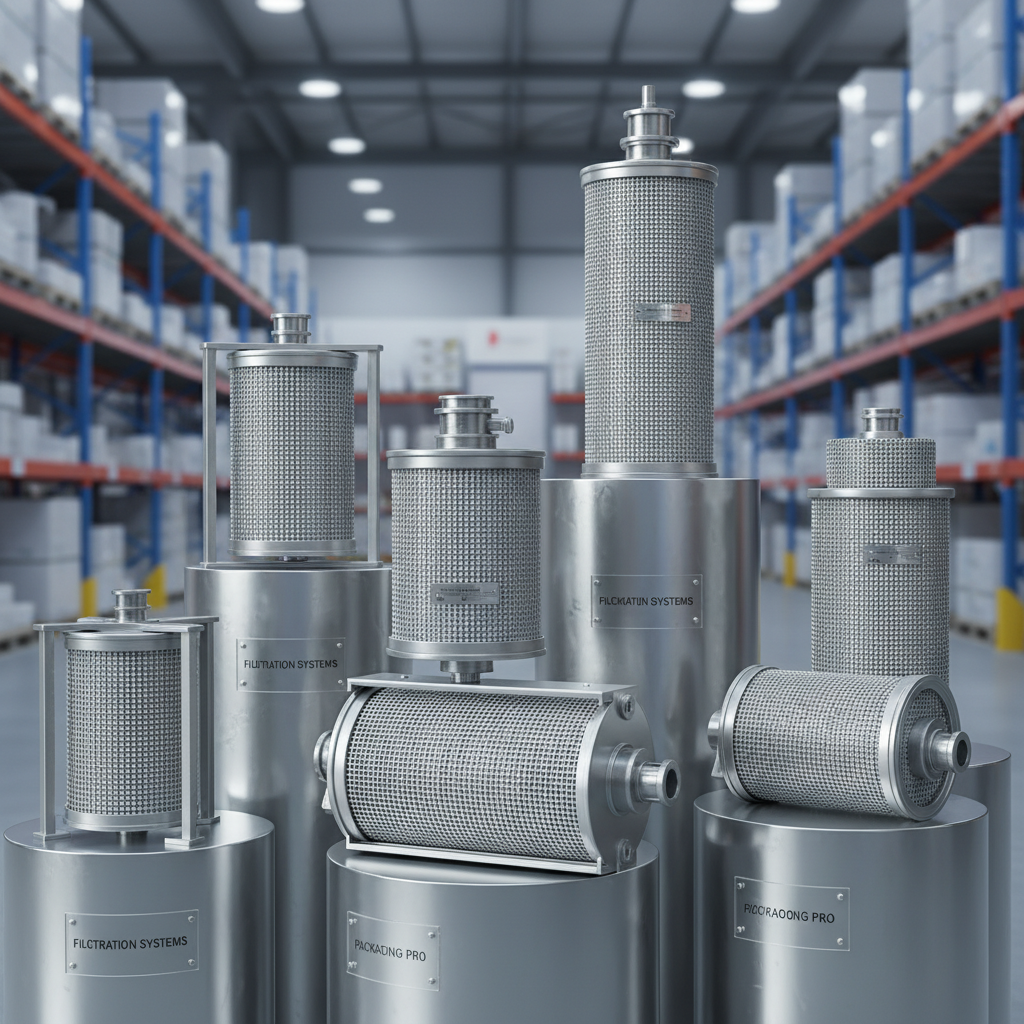
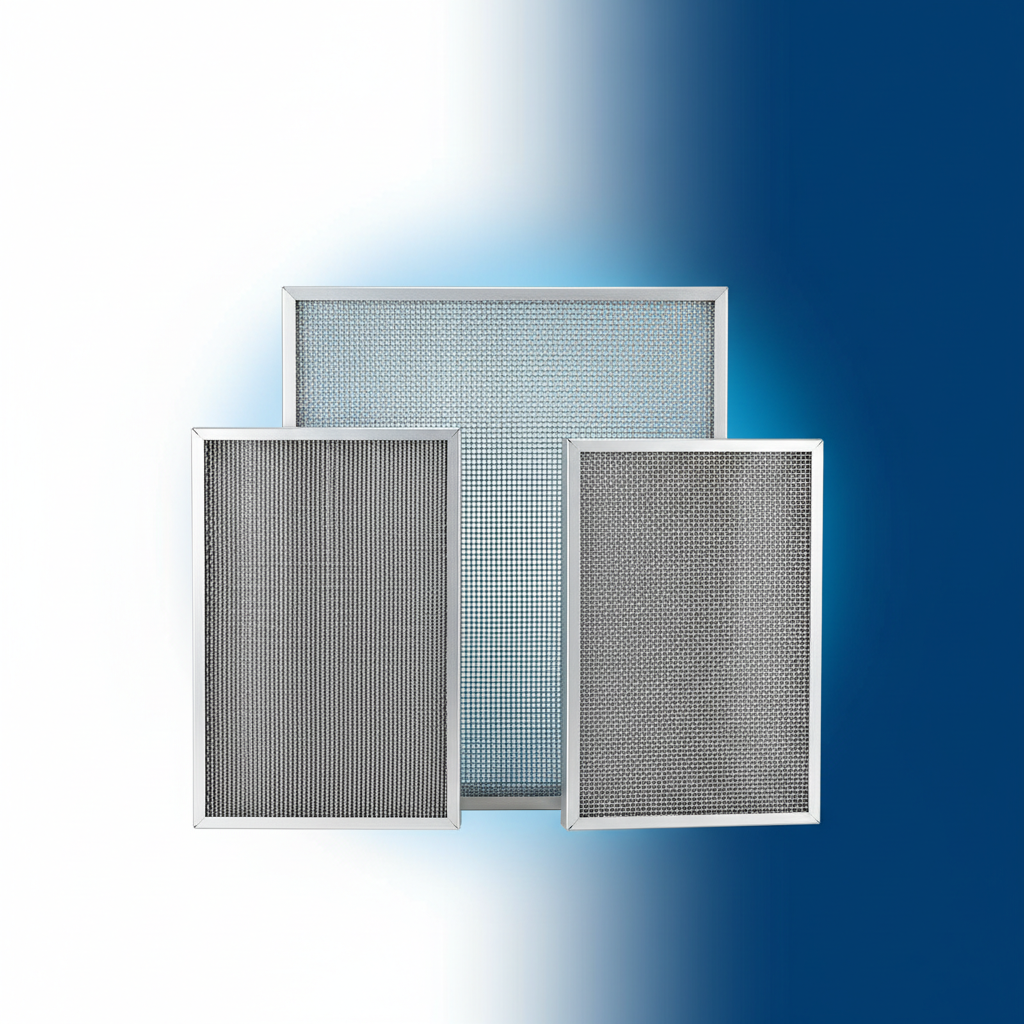
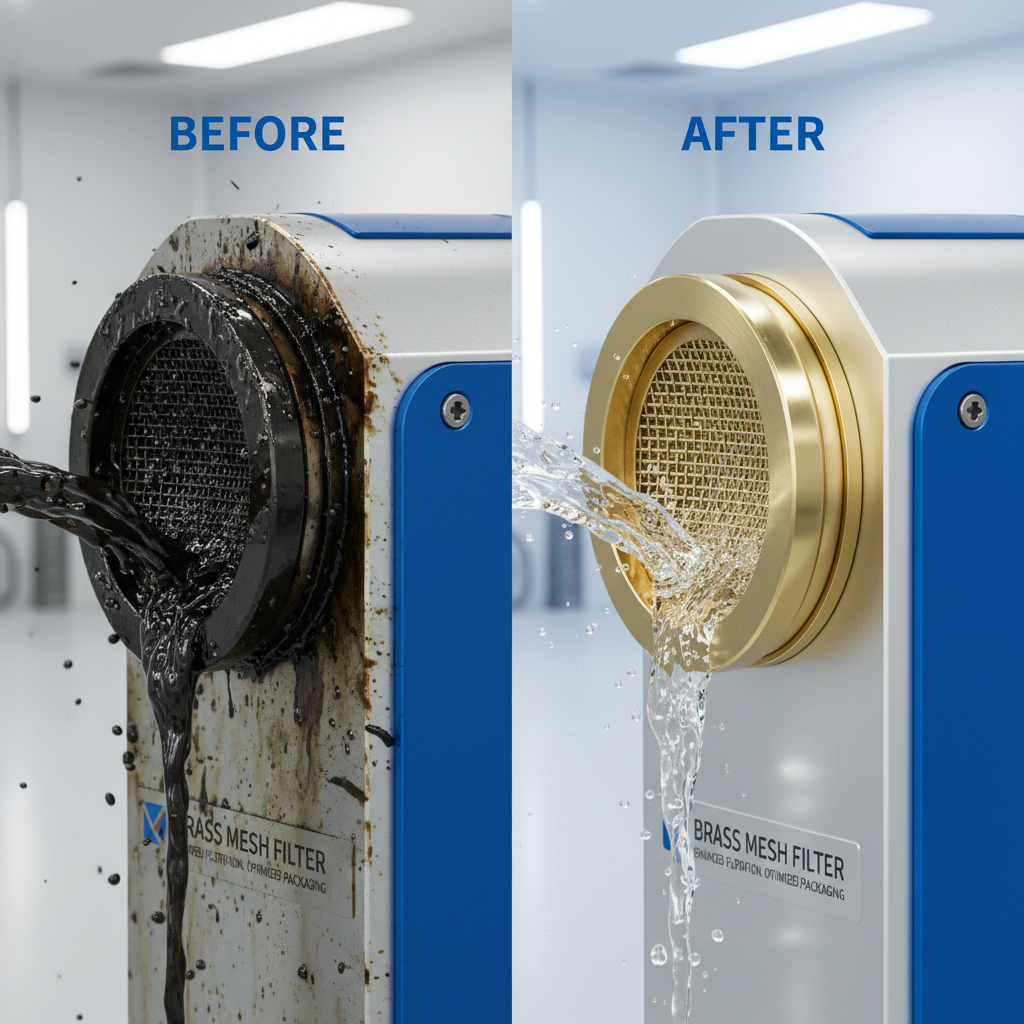
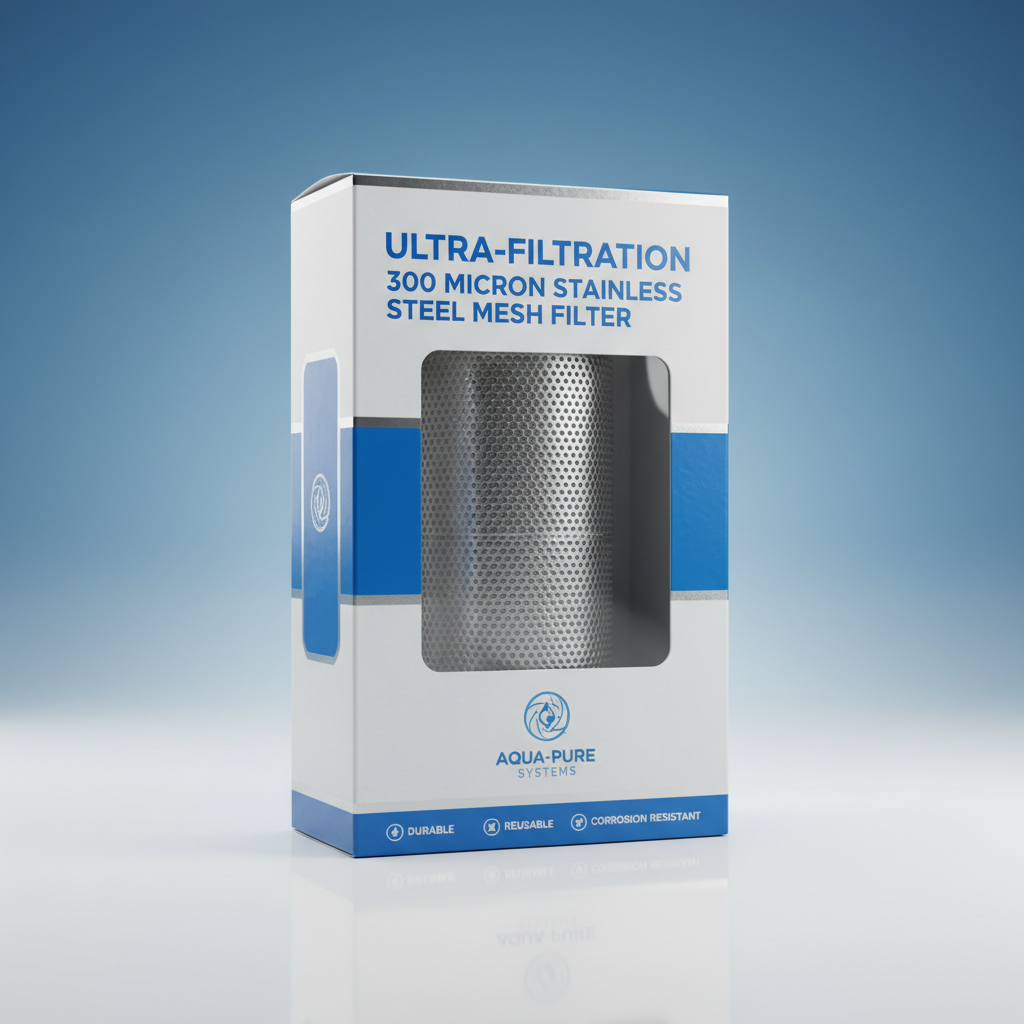
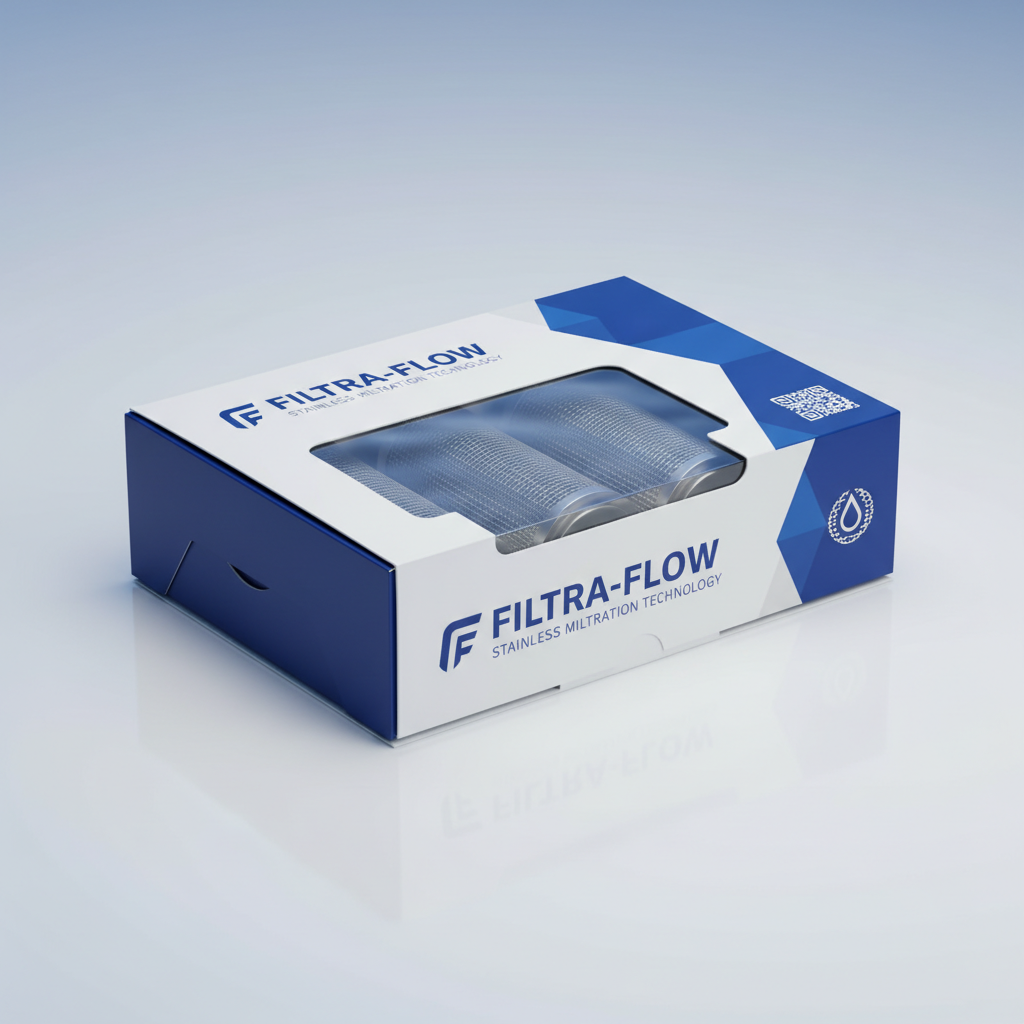
Stainless steel mesh filters are constructed from woven or welded stainless steel wire, creating a porous medium that effectively traps particles. Their resistance to corrosion, high temperatures, and pressure makes them ideal for a broad spectrum of applications, including chemical processing, food and beverage production, pharmaceuticals, water treatment, and more. The mesh count – the number of openings per inch – determines the filter's pore size and its ability to capture different sized particles. Anya Filter Media specializes in providing custom-engineered stainless steel mesh filters to meet precise client specifications.
Key Highlights: Resistant to corrosion, high temperatures, and pressure; Customizable mesh counts for precise filtration; Suitable for a wide range of industries and applications.
Types of Stainless Steel Mesh Filters
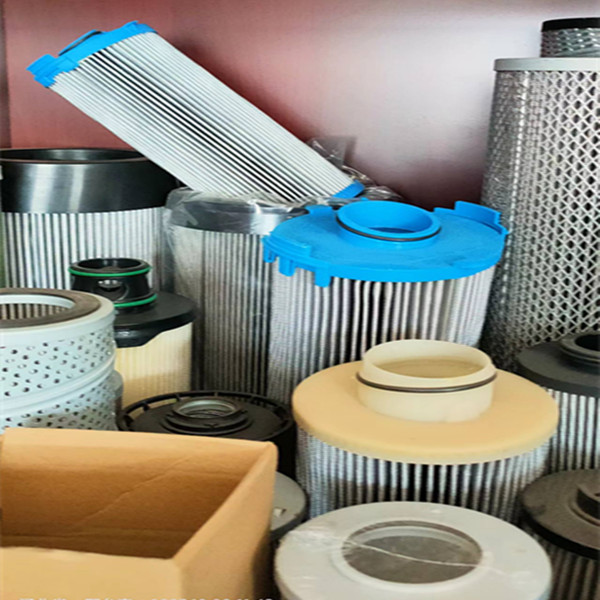
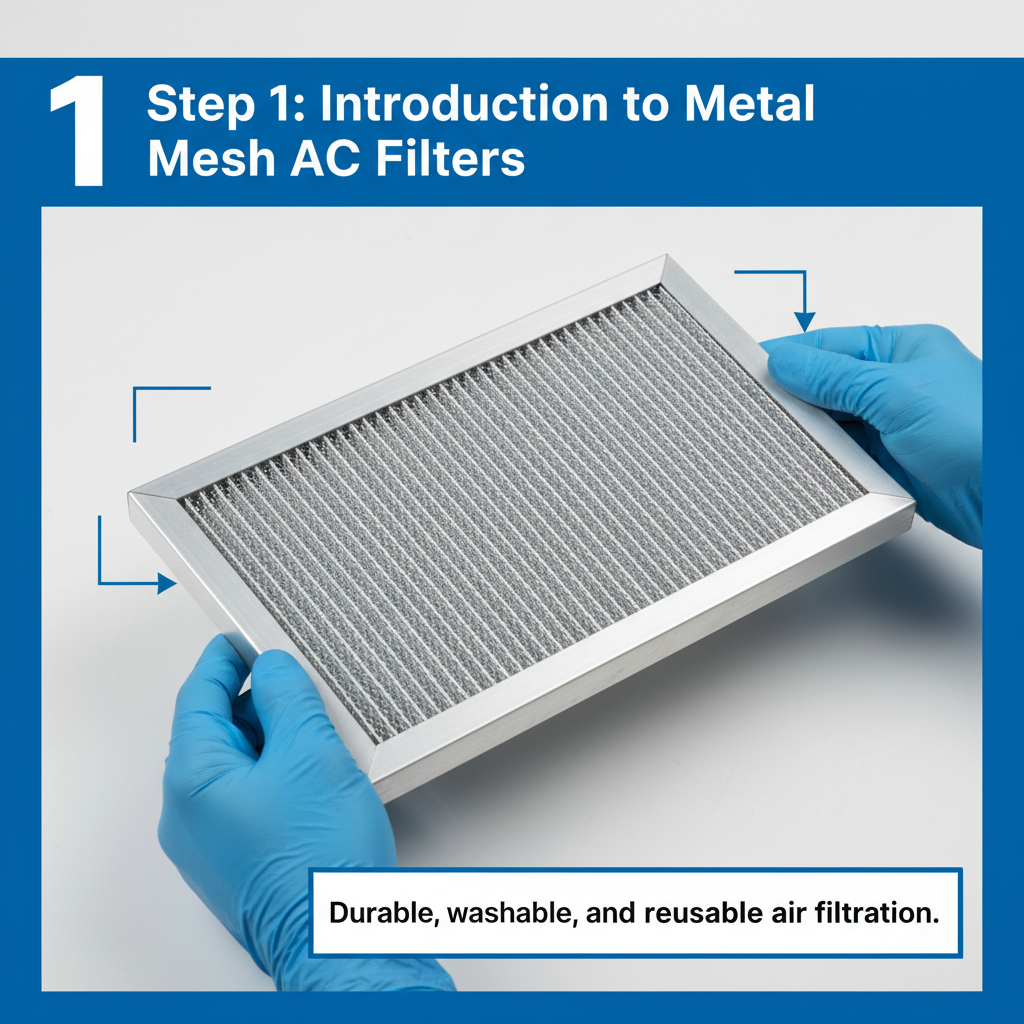
There are several types of stainless steel mesh filters, each suited to different applications. Woven mesh filters are created by interlacing wires, offering a consistent pore size and good flow rates. Welded mesh filters are made by joining wires at their intersections, providing higher strength and rigidity. Pleated filters increase the surface area, enhancing flow rates and extending filter life. And finally, layered filters provide multiple stages of filtration, removing progressively smaller particles. Understanding the nuances of each type is critical for optimal performance.
Stainless Steel Filter Types:
• Woven Mesh Filters: Consistent pore size, good flow rates.
• Welded Mesh Filters: Higher strength and rigidity.
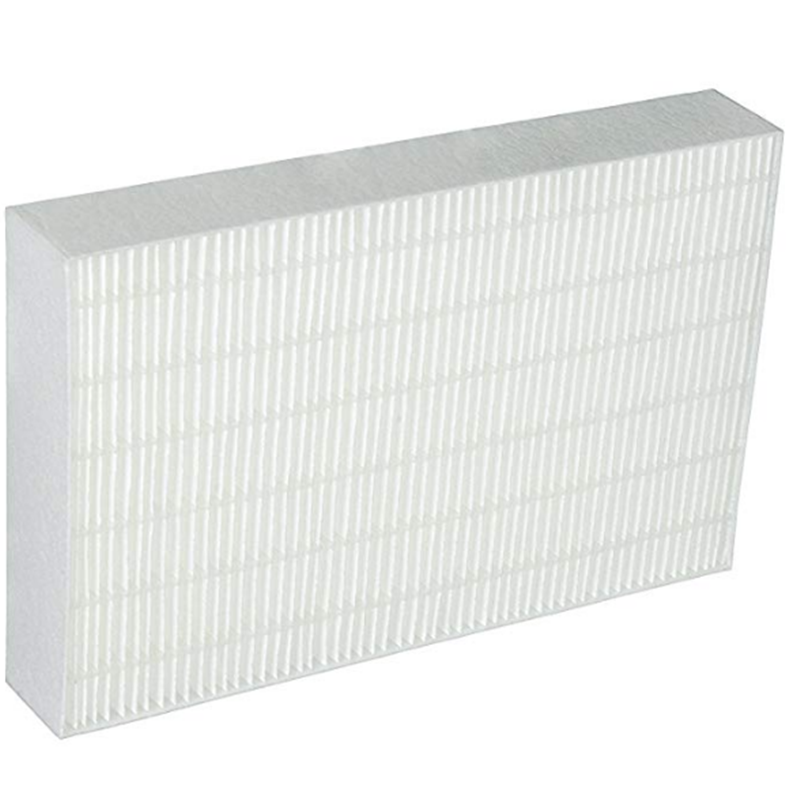
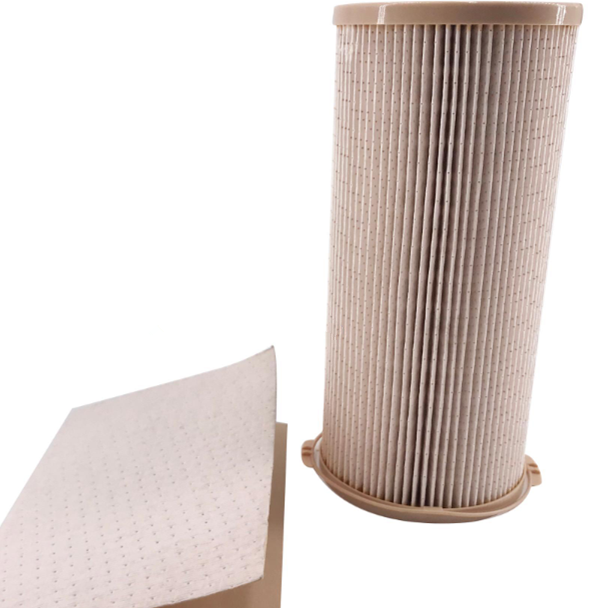
• Pleated Filters: Increased surface area, extended filter life.
• Layered Filters: Multi-stage filtration for precise separation.
Choosing the Right Stainless Steel Mesh Filter: Key Considerations
Selecting the appropriate stainless steel mesh filter requires careful consideration of several factors. The particle size you need to remove is paramount; this will dictate the required mesh count. The fluid or gas being filtered also matters – corrosive substances may require specific stainless steel alloys. Temperature and pressure conditions are crucial, as extreme environments demand robust materials. Flow rate requirements will influence filter size and design. And finally, regulatory compliance – particularly in the food and pharmaceutical industries – must be addressed. Anya Filter Media offers expert consultation to help you navigate these complexities.
Stainless Steel Grades and Their Applications
Different grades of stainless steel offer varying levels of corrosion resistance and strength. 304 stainless steel is a common choice for general-purpose applications, providing good resistance to many corrosive media. 316 stainless steel, with the addition of molybdenum, offers superior corrosion resistance, particularly in chloride-rich environments like seawater. Specialty alloys, such as duplex stainless steel, offer even higher strength and corrosion resistance for demanding applications. Anya Filter Media provides guidance on selecting the optimal stainless steel grade for your specific needs.
The Benefits of Choosing Stainless Steel Mesh Filters
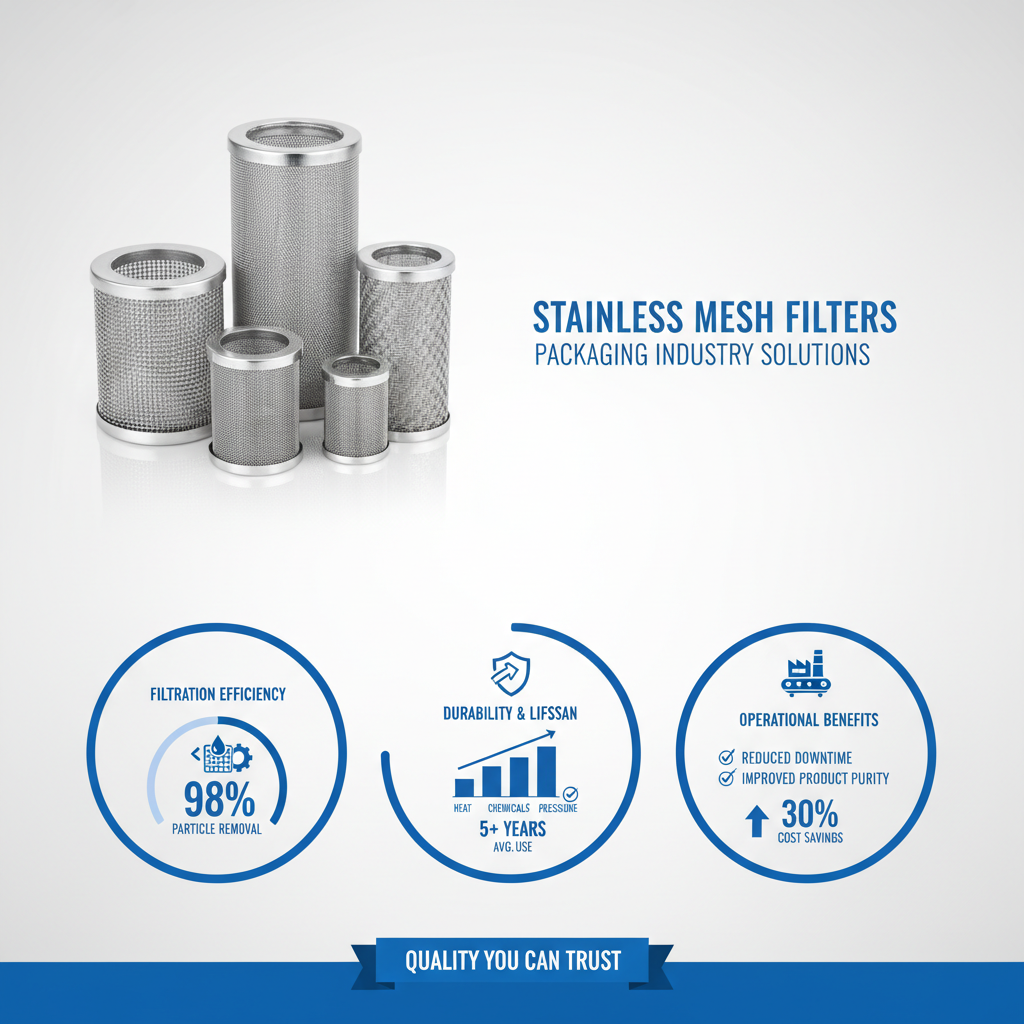
Investing in stainless steel mesh filters offers numerous advantages. Their exceptional durability translates to a longer lifespan and reduced replacement costs. Their resistance to corrosion ensures consistent performance and prevents contamination. They are easy to clean and maintain, minimizing downtime. And their versatility allows them to be used in a wide range of applications. Anya Filter Media is committed to providing high-quality, cost-effective filtration solutions.
Conclusion: Reliable Filtration with Anya Filter Media
Stainless steel mesh filters are a vital component in countless industrial processes. By understanding the different types, materials, and considerations involved in selecting the right filter, you can optimize your filtration system for efficiency, reliability, and cost-effectiveness. Anya Filter Media is your trusted partner for all your stainless steel mesh filter needs.
Frequently Asked Questions (FAQs)
What is the typical lifespan of a stainless steel mesh filter?
The lifespan of a stainless steel mesh filter depends on the application, the type of contaminants being filtered, and the frequency of cleaning and maintenance. With proper care, a well-maintained stainless steel mesh filter can last for several years. Regular inspection for clogging, damage, or corrosion is crucial. Factors like high temperatures, corrosive chemicals, and high pressures can shorten the lifespan. Anya Filter Media can provide guidance on preventative maintenance and filter replacement schedules.
How do I clean a stainless steel mesh filter?
Cleaning methods depend on the type of contaminants. For particulate matter, backflushing with a compatible solvent or compressed air is often effective. For oily or viscous contaminants, a mild detergent solution may be required. Avoid abrasive cleaning methods that could damage the mesh. In some cases, ultrasonic cleaning may be beneficial. Always refer to the manufacturer's recommendations for cleaning procedures. Anya Filter Media offers specific cleaning recommendations for its filters.
Can stainless steel mesh filters be customized?
Yes, stainless steel mesh filters can be highly customized to meet specific application requirements. Anya Filter Media specializes in custom designs, offering a range of options including mesh count, filter size, shape, and material grade. We can also provide custom fabrication services to create filters that fit unique housings or systems.
What industries commonly use stainless steel mesh filters?
Stainless steel mesh filters are used in a vast array of industries, including food and beverage processing, pharmaceuticals, chemicals, water treatment, oil and gas, aerospace, and automotive. They are essential for ensuring product purity, protecting equipment, and maintaining process efficiency in these diverse applications.
Post time: Mar-04-2026