Understanding Stainless Mesh Air Filters: A Comprehensive Guide
Stainless mesh air filters are a crucial component in maintaining air quality across a wide spectrum of applications, from industrial manufacturing to HVAC systems. Their durability, efficiency, and resistance to harsh environments make them a superior choice over traditional filter materials. This article provides an in-depth look at stainless mesh air filters, exploring their benefits, applications, types, and how to choose the right filter for your specific needs. We'll also highlight why choosing a reliable supplier like Anya Filter Media is essential for optimal performance.
What are Stainless Mesh Air Filters?
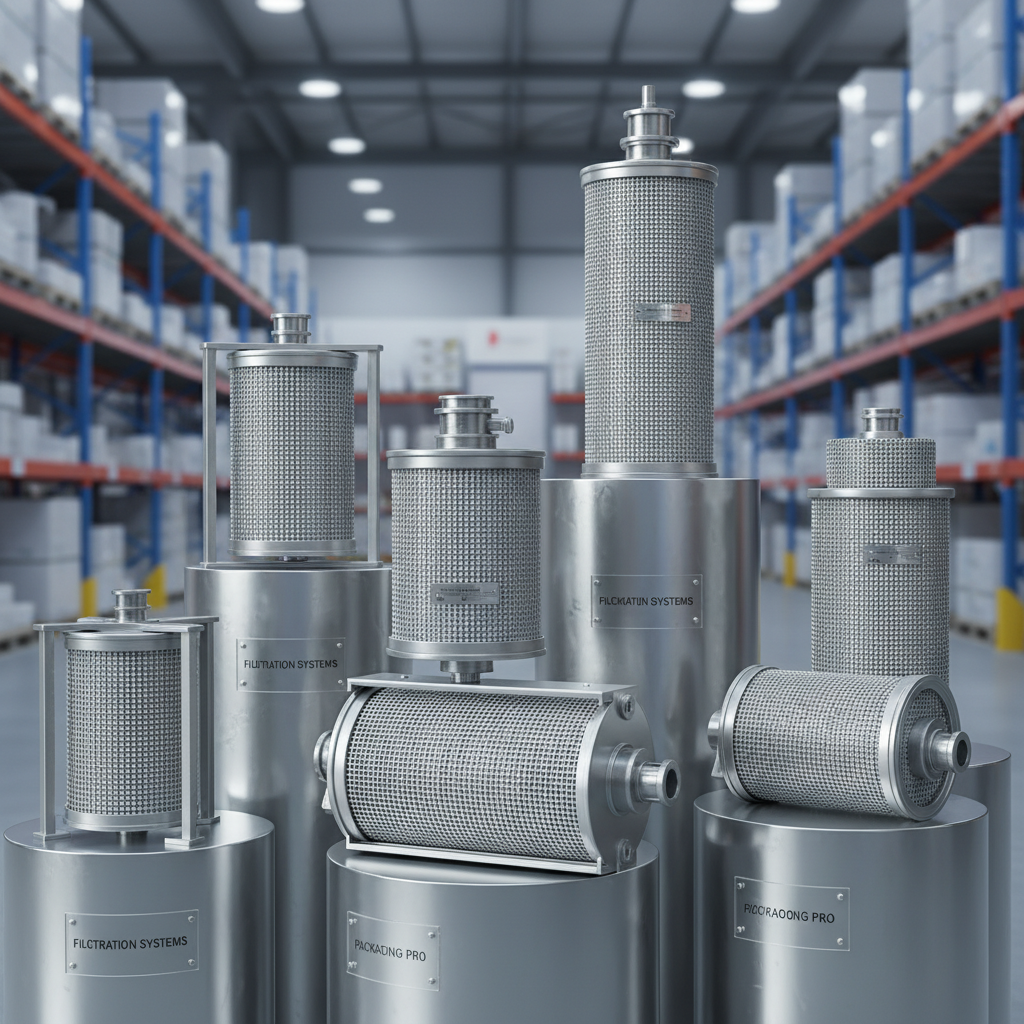
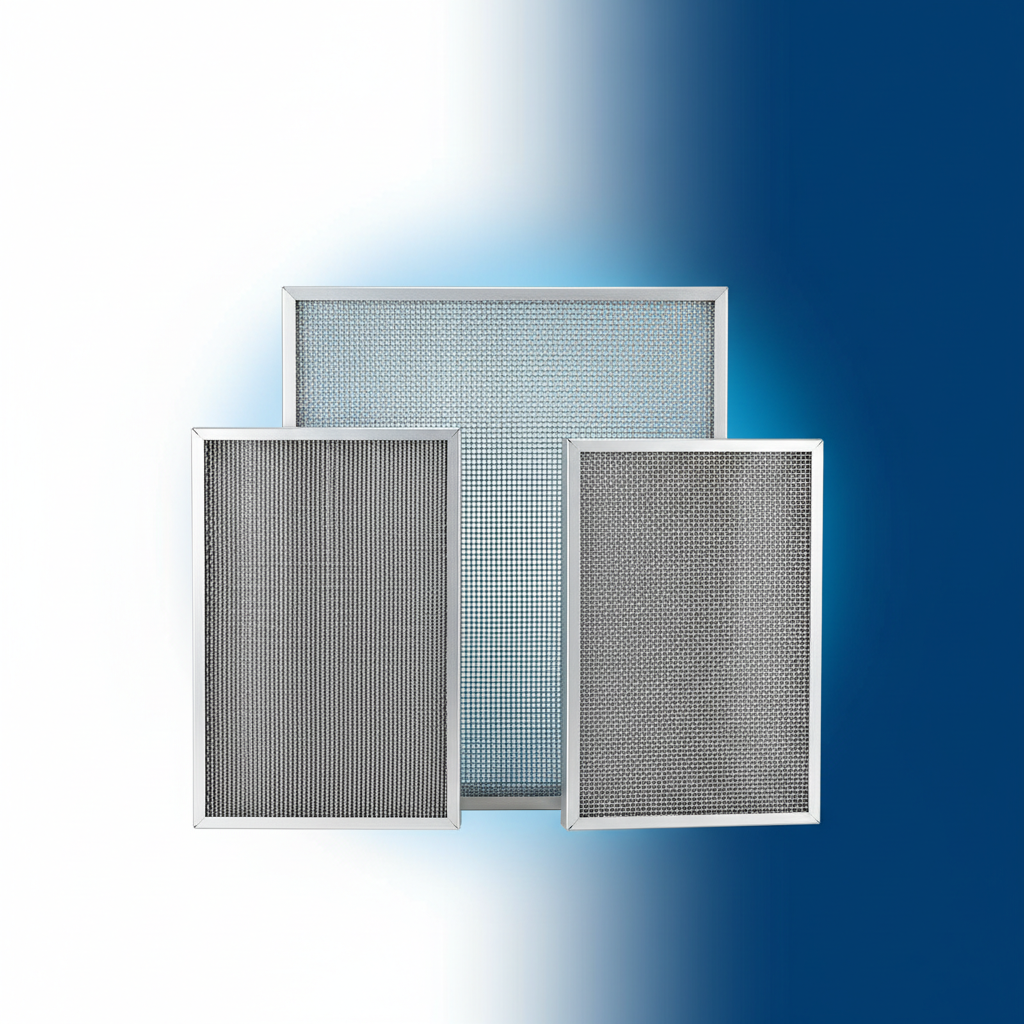
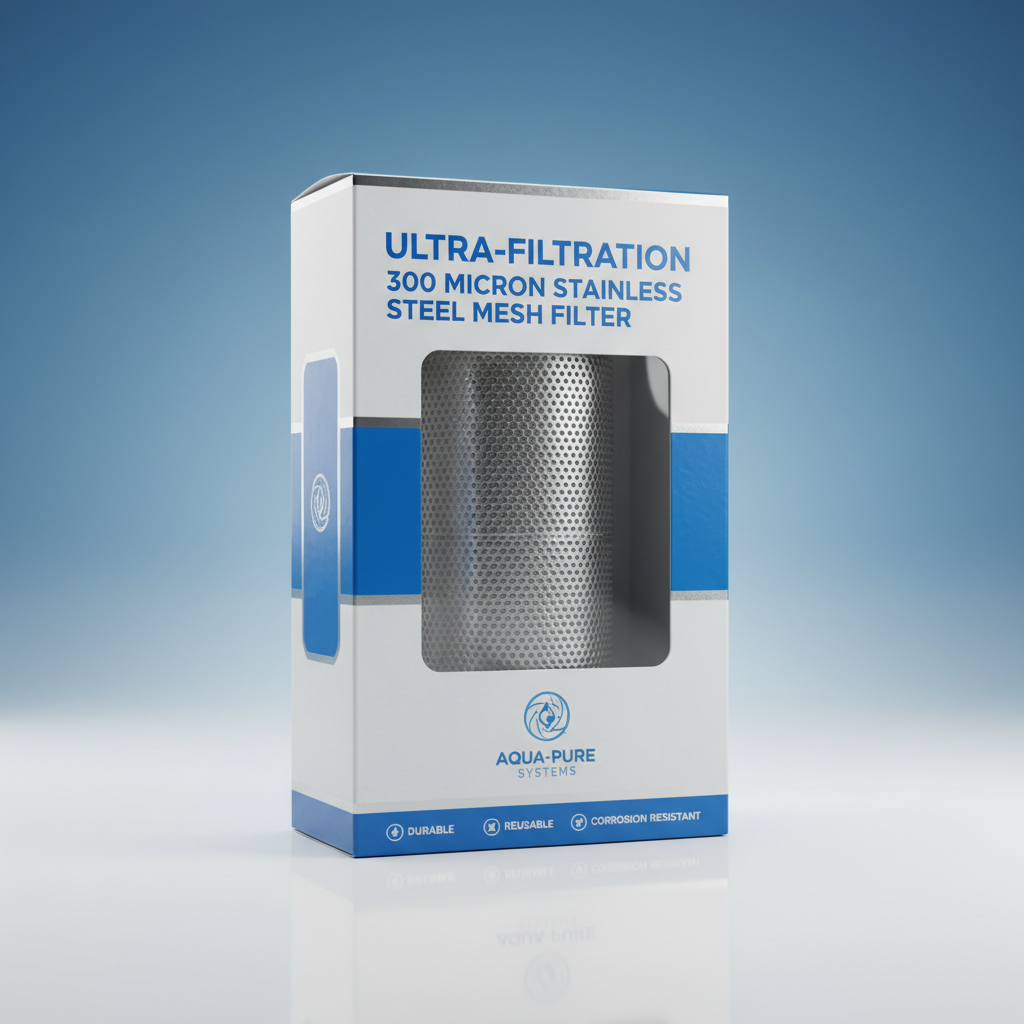
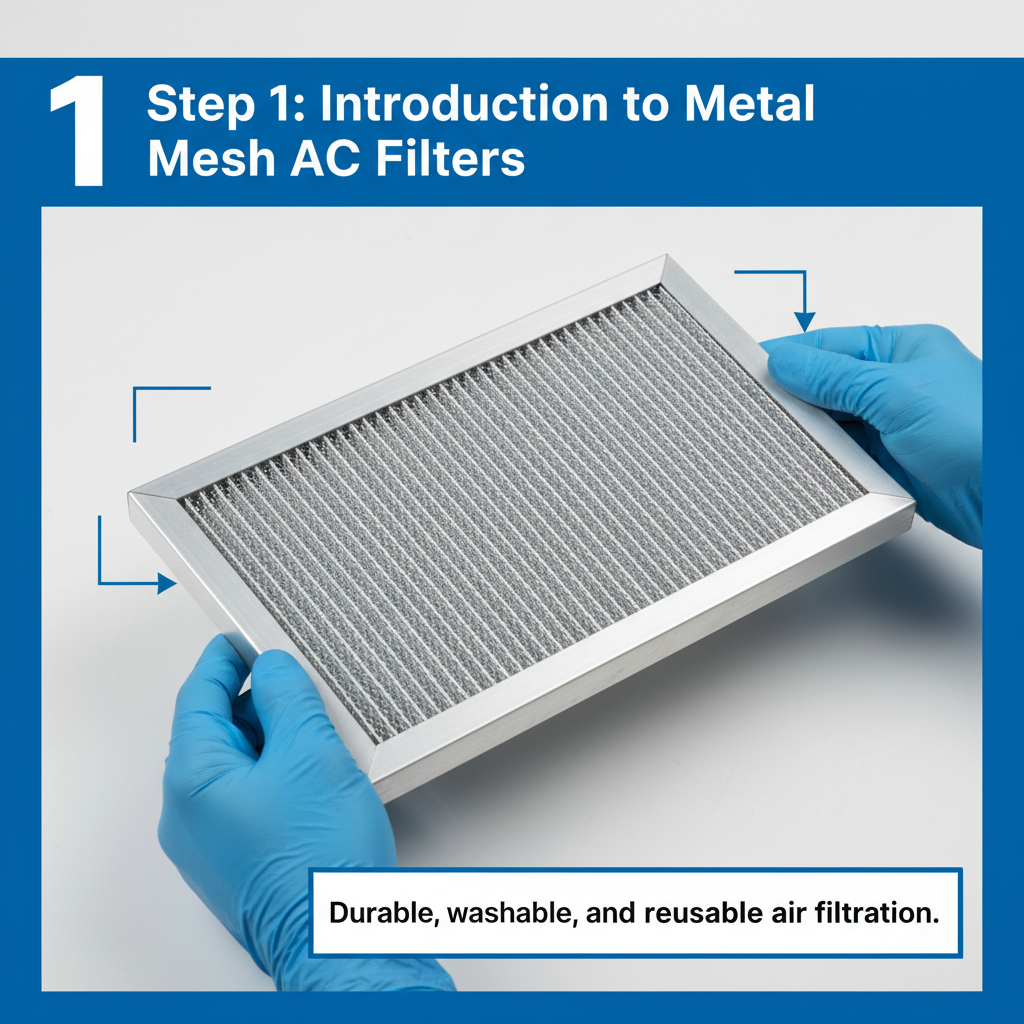
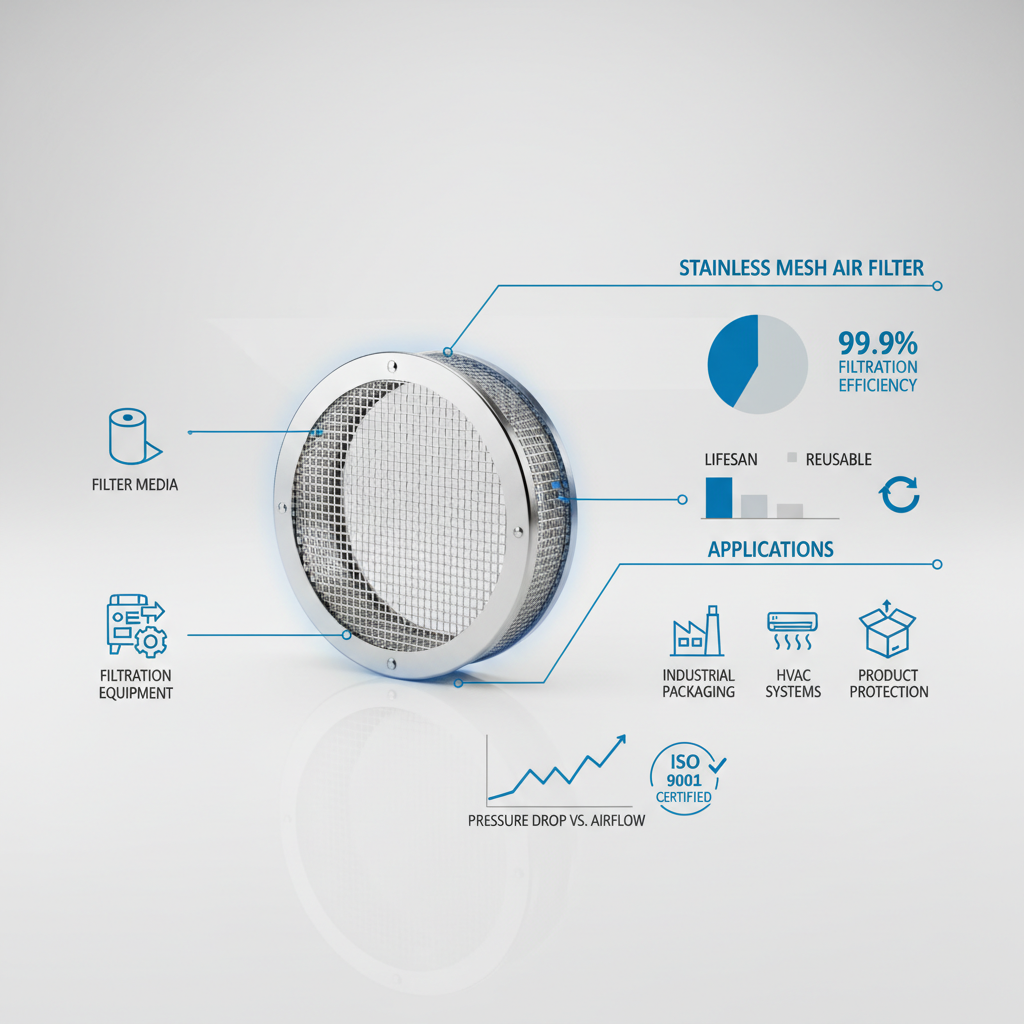
Stainless mesh air filters are constructed from woven stainless steel wire, creating a robust and highly effective filtration medium. Unlike paper or fiberglass filters, stainless steel mesh is incredibly durable and can withstand repeated cleaning and sterilization without losing its efficiency. The mesh size can be precisely controlled during manufacturing to capture particles of varying sizes, making them suitable for a diverse range of applications. These filters excel in environments requiring high temperatures, corrosive substances, or frequent washing.
Key Highlights: Stainless steel mesh filters offer exceptional durability, reusability, and resistance to harsh conditions, making them a cost-effective long-term solution.
The Benefits of Choosing Stainless Mesh Air Filters
The advantages of using stainless mesh air filters are numerous. Firstly, their reusability significantly reduces long-term costs compared to disposable filters. Secondly, stainless steel's inherent resistance to corrosion ensures a long service life, even in challenging environments. They also offer superior temperature resistance, making them ideal for high-heat applications. Furthermore, stainless mesh filters maintain their structural integrity even after repeated cleaning, unlike many disposable filter types which can become distorted or damaged.
Key Benefits:
• Reusable and cost-effective
• Excellent corrosion resistance
• High temperature resistance
• Maintain structural integrity after cleaning
Stainless Mesh Air Filter Applications
Stainless mesh air filters find applications in a vast range of industries. They are commonly used in the food and beverage industry for filtering liquids and gases, ensuring product purity and safety. In the pharmaceutical sector, they're vital for sterile filtration processes. HVAC systems benefit from their durability and ability to handle high airflow rates. They're also crucial in chemical processing, where resistance to corrosive substances is paramount. Finally, industrial manufacturing utilizes these filters for dust collection and particulate removal. Anya Filter Media offers tailored solutions for each of these sectors.
Comparing Stainless Mesh Filters to Other Filter Types
Choosing the right filter involves understanding the strengths and weaknesses of different materials. Compared to paper filters, stainless mesh offers far superior durability and reusability. While HEPA filters excel at capturing very fine particles, they are typically disposable and cannot withstand harsh conditions. Polypropylene filters are cost-effective but lack the temperature resistance and chemical compatibility of stainless steel. The following table provides a detailed comparison:
Choosing the Right Stainless Mesh Air Filter
Selecting the appropriate stainless mesh filter depends on your specific application. Consider the particle size you need to capture, the operating temperature, and the presence of corrosive substances. Mesh count (the number of openings per inch) determines the filter's ability to trap smaller particles. Higher mesh counts are ideal for fine filtration, while lower counts are suitable for larger particles. Contacting Anya Filter Media's expert team can provide tailored recommendations.
Conclusion: Invest in Quality with Stainless Mesh Air Filters
Stainless mesh air filters offer a compelling combination of durability, efficiency, and reusability. Choosing the right filter and a reliable supplier like Anya Filter Media is a smart investment for optimizing your air filtration system and ensuring long-term cost savings.
Frequently Asked Questions (FAQs)
How do I clean a stainless mesh air filter?
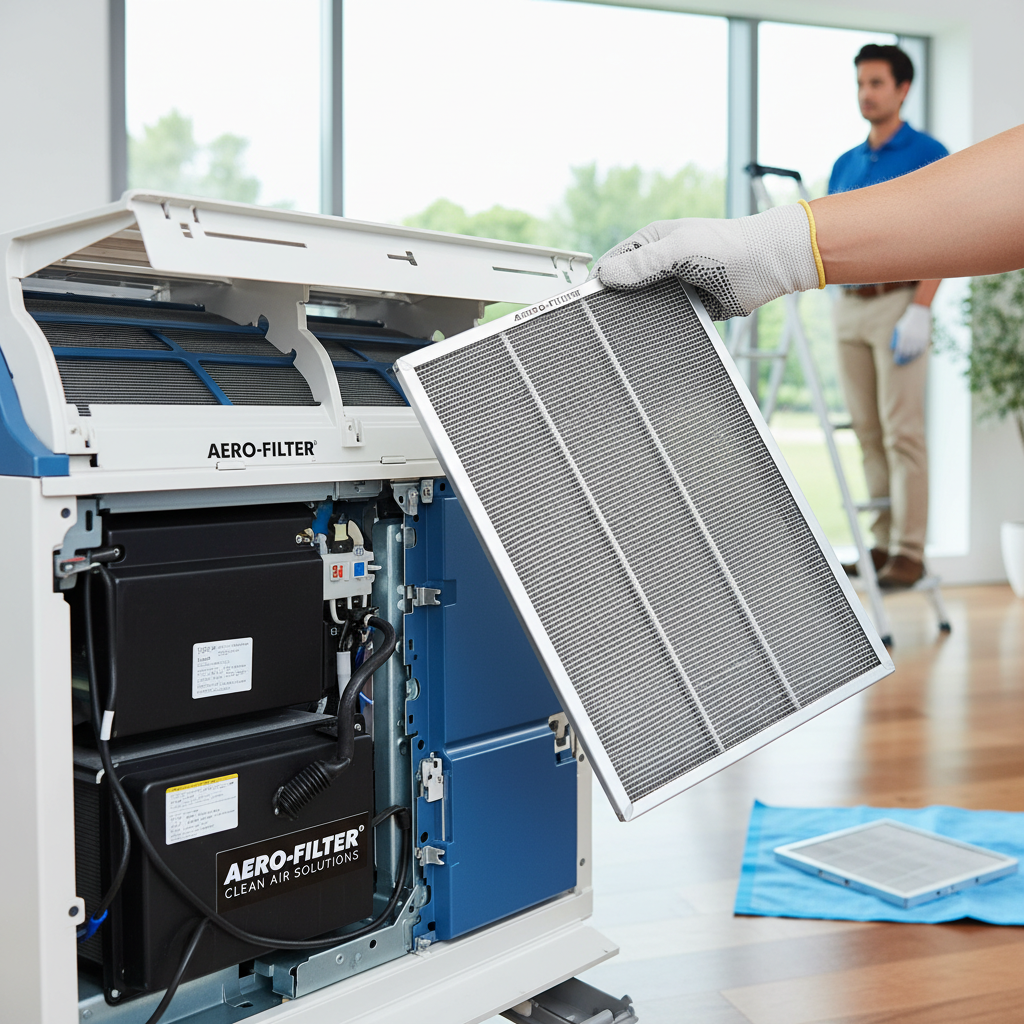
Cleaning depends on the type of contaminant. For dry dust, a gentle vacuuming or brushing is sufficient. For oily or sticky residues, a mild detergent and water solution can be used. Rinse thoroughly and allow to dry completely before reinstalling. Some filters can also be autoclaved for sterilization, but always check the manufacturer's specifications first. Avoid using harsh chemicals or abrasive cleaners, as these can damage the mesh.
What mesh count should I choose?
The ideal mesh count depends on the size of the particles you need to filter. Lower mesh counts (e.g., 8-20) are suitable for larger particles, while higher mesh counts (e.g., 60-100) are designed for fine particles. If you're unsure, consider the application. For general dust removal, a mid-range mesh count (e.g., 40-60) is often sufficient. For critical applications requiring high purity, consult with a filtration specialist to determine the optimal mesh size.
Are stainless mesh filters suitable for high-temperature applications?
Yes, one of the key advantages of stainless mesh filters is their excellent temperature resistance. They can withstand temperatures much higher than paper or plastic filters. However, the specific temperature limit depends on the grade of stainless steel used. 316 stainless steel, for example, offers superior corrosion resistance and can operate at higher temperatures than 304 stainless steel. Always check the manufacturer's specifications for the maximum operating temperature.
Post time: Mar-03-2026