Understanding f9 Glassfiber Air Filter Paper: Essential for Clean Air and Industrial Efficiency
When you think about air quality and industrial filtration, f9 glassfiber air filter paper might not immediately spring to mind, yet it plays a crucial role across various global industries. From manufacturing plants to cleanrooms and even humanitarian projects, understanding this material is more important than ever. It’s not just about trapping dust; it’s about protecting health, improving machine longevity, and often, meeting stringent environmental regulations. In an age where air pollution is a pressing global challenge (the World Health Organization estimates that 7 million premature deaths yearly are related to air pollution), the role of advanced filtration products such as f9 glassfiber air filter paper is indispensable.
But what exactly is this filter paper, why is it globally relevant, and why should industries and NGOs care? Let’s unpack that below.
Global Context: Why f9 Glassfiber Air Filter Paper Matters Today
Air filtration standards worldwide have been tightening. According to the ISO 16890 classification system, f9 filters capture about 95% of particles between 0.3–1 micron, which means pathogens, fine dust, and certain hazardous pollutants get trapped effectively. This matters a lot in places like Asia’s rapidly industrializing zones, European cleanrooms, and North America’s hospital environments.
Governed workspaces and manufacturing units have to reduce emissions for health and regulatory compliance. Also, disaster relief operations increasingly use filtration tech to provide safe air, especially after fires or chemical leaks. Oddly enough, this simple yet sophisticated fabric – f9 glassfiber air filter paper – bridges those diverse applications.
What is f9 Glassfiber Air Filter Paper?
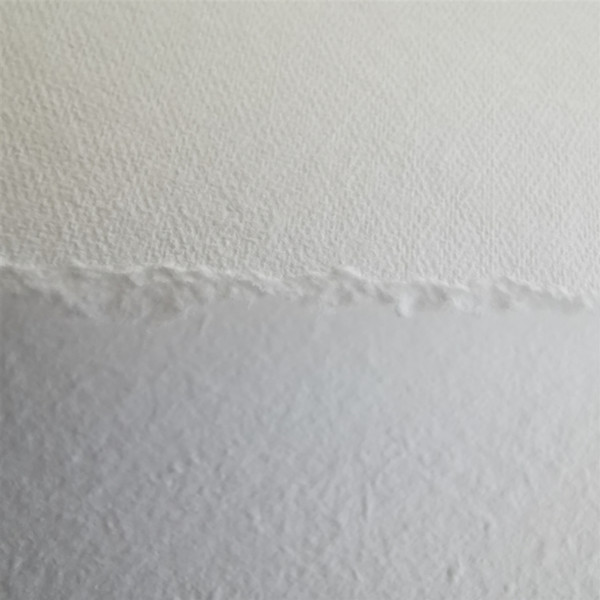
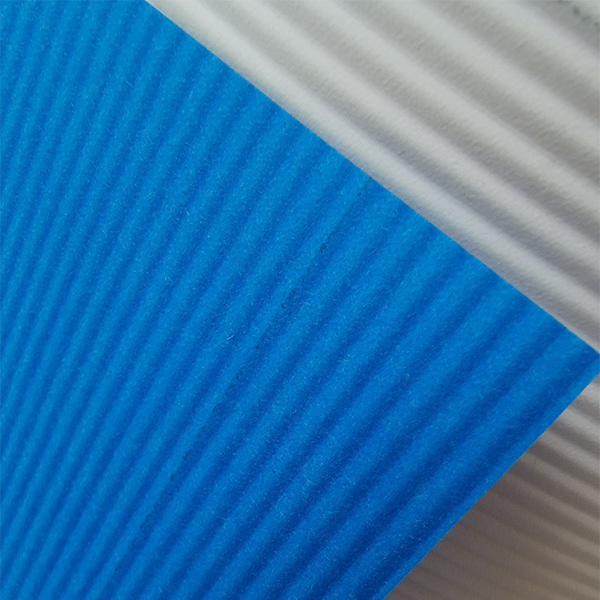
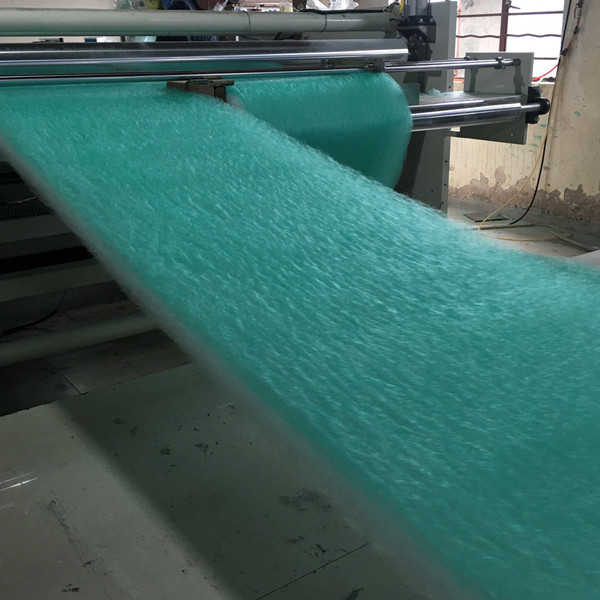
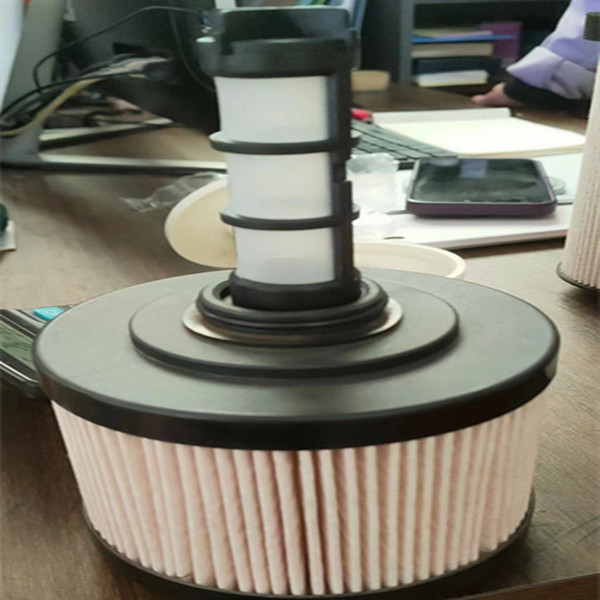
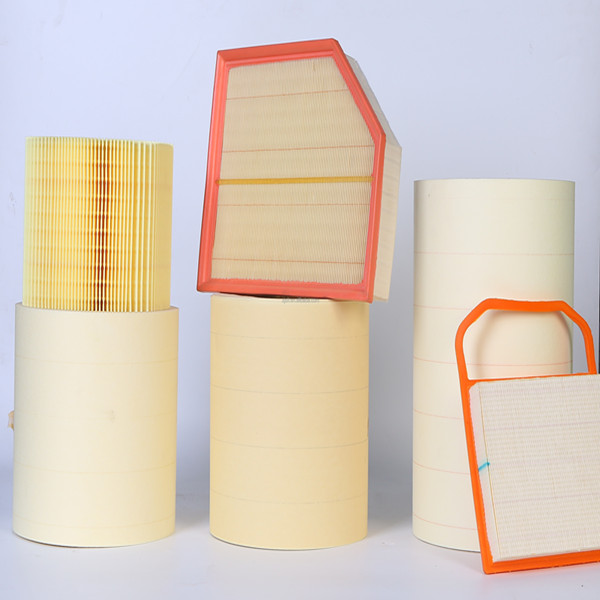
Plainly put, f9 glassfiber air filter paper is a fine, sturdy nonwoven material made primarily from glass fibers aligned and bonded to capture extremely fine airborne particles. The “f9” class is part of the EN779 and ISO classifications indicating a high-efficiency filter medium, ranked just below the absolute HEPA category but significantly outperforming lower-grade materials.
This paper is typically used in pre-filter stages or standalone filters within HVAC systems, industrial dust collectors, and cleanroom setups. Its glass fiber makeup means it can resist high temperatures, moisture, and corrosive environments better than many synthetic filters. That durability makes it very valuable for industry and humanitarian missions alike.
Key Factors of f9 Glassfiber Air Filter Paper
Durability
The glass fibers give the filter paper impressive mechanical strength and temperature stability, often withstanding up to 280°C. This robustness means fewer filter replacements and less downtime, which is a boon in industries like pharmaceuticals and metalworking.
Efficiency & Particle Retention
The f9 grade captures particulate matter of 0.3 microns and larger very efficiently — roughly 95% or better. This removes contaminants, allergens, mold spores, and fine dust that would otherwise pass through lesser filters.
Cost Efficiency
While glassfiber filters typically come at a higher upfront cost compared to synthetic filters, their longevity and performance often lead to lower total cost of ownership. You get less frequent changes and better protection of downstream equipment.
Moisture Resistance
Glass fibers resist moisture absorption more than cellulose or synthetic alternatives, making f9 glassfiber air filter paper suitable for humid or even mildly corrosive environments.
Scalability & Customization
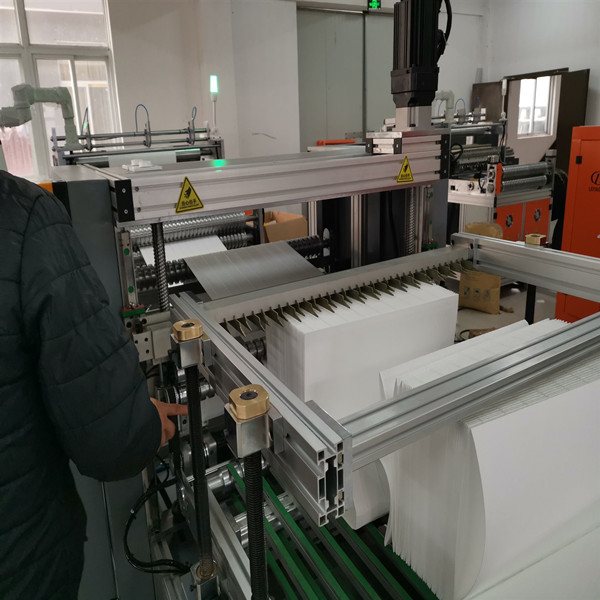
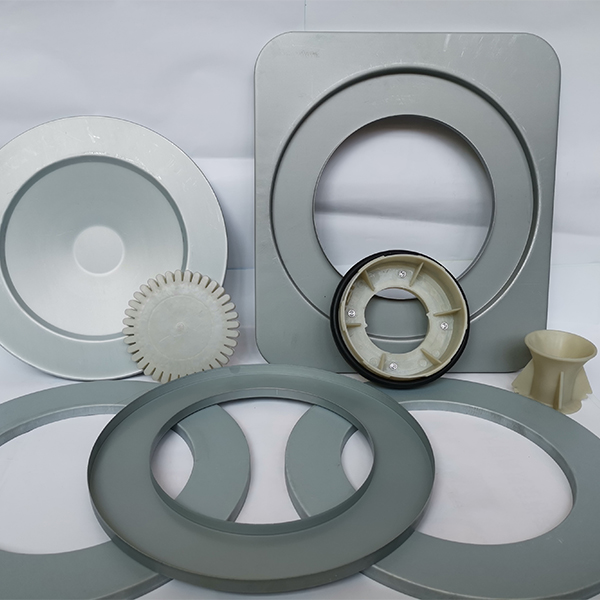
Vendors can manufacture this filter paper in a variety of thicknesses, densities, and sheet sizes to accommodate different airflow volumes or filter frames, matching the diverse needs of clients from different sectors.
Product Specification Table
| Specification | Details |
|---|---|
| Material Composition | 100% Glass Fibers, Binder Resin |
| Filter Efficiency (EN779) | ≥95% at 0.3 microns (F9 class) |
| Thickness | 0.8mm - 2mm (varies by type) |
| Temperature Resistance | Up to 280°C |
| Moisture Resistance | High |
| Typical Applications | HVAC, Cleanrooms, Industrial Dust Collection |
Global Use Cases & Applications
You might guess the typical uses — yes, HVAC systems and air purification in factories — but f9 glassfiber air filter paper has surprisingly wide reach:
- Industrial manufacturing: Protects machinery and workers in factories producing chemicals, metals, or electronics.
- Healthcare facilities: Enhances air quality in operating rooms and isolation wards.
- Post-disaster relief: Portable air filtration units equipped with f9 filters provide clean air after forest fires or chemical spills in Southeast Asia and Australia.
- Food and beverage: Used in cleanrooms to ensure hygiene during production.
- Pharmaceuticals & biotech: Prevents contamination in critical production phases.
In emerging economies where pollution control infrastructure may lag, these filters provide a practical, cost-conscious solution for improving indoor air quality in offices and schools.
Vendor Comparison Table: Leading Manufacturers of f9 Glassfiber Air Filter Paper
| Vendor | Price per Unit | Customization Options | Lead Time | Special Features |
|---|---|---|---|---|
| Anyafilter Media | Competitive | Thickness, Sheet Size, Binder Strength | 2-3 weeks | Eco-friendly resin options, Moisture resistant |
| GlassFibreTech | Higher | Standard sizes, Limited customization | 4 weeks | High-temp tolerance up to 300°C |
| CleanAir Solutions | Mid-range | Wide range of micron ratings, Custom sheets | 3 weeks | Pre-certified EN779 & ISO16890 compliance |
Advantages & Long-Term Value
Investors and facility managers alike value f9 glassfiber air filter paper for more than just performance. There’s a real emotional comfort in trusting a tried-and-tested technology that safeguards workers’ health and protects sensitive equipment from particulate damage.
Its sustainability angle — resists degradation, reduces waste by lasting longer — also aligns well with increasing green policies worldwide. Frankly, it feels like buying less but getting more: fewer replacements, less environmental impact, and better outcomes all around.
Future Trends & Innovations
As industries push for cleaner, smarter factories, the f9 filter’s evolution continues with nano-coated glass fibers to enhance particle attraction and antimicrobial treatments to reduce bio-fouling. Automation in filter monitoring is advancing, too, with IoT sensors now able to signal when the filter needs replacement — cutting unnecessary waste.
Sustainability remains front and center; manufacturers are exploring bio-based binders and recyclable composites to make these filters even greener, addressing growing regulations around waste and resource use.
Challenges & Solutions
Of course, there are challenges. Glass fiber filters are more delicate in handling than synthetic media and can sometimes be brittle after extended use. Plus, initial costs might be higher for small operators.
Industry experts recommend investing in proper installation training and considering hybrid solutions—combining f9 glassfiber air filter paper with pre-filters or secondary synthetic layers—for balancing cost and performance.
FAQ: Frequently Asked Questions About f9 Glassfiber Air Filter Paper
- Q: How long does f9 glassfiber air filter paper typically last in industrial use?
A: Lifespan varies by environment but usually ranges from 6 to 12 months under normal operational conditions. High pollution or dusty environments may require more frequent replacement. - Q: Can f9 glassfiber air filter paper handle moisture-rich environments?
A: Yes, it has good moisture resistance compared to cellulose filters, making it suitable for humid or mildly corrosive atmospheres without degrading quickly. - Q: Is this filter paper recyclable?
A: Some variants with eco-friendly binders are recyclable, but standard glassfiber filters typically require special waste handling. Check vendor specifics for exact options. - Q: How does f9 class compare to HEPA filters?
A: F9 filters capture about 95% of 0.3-micron particles, while HEPA filters exceed 99.97%. They serve different purposes; f9 is often used as a pre-filter before HEPA to extend its life. - Q: Can I source f9 glassfiber air filter paper internationally?
A: Yes, leading vendors like Anyafilter Media offer international shipping and custom specifications to meet diverse needs.
Conclusion and Call to Action
At the end of the day, f9 glassfiber air filter paper stands as a crucial material in the fight for cleaner air, efficient industrial operation, and healthier environments worldwide. Whether you’re managing a factory in Southeast Asia, a hospital in Europe, or deploying emergency relief systems, this filter media’s balance of durability, efficiency, and cost-effectiveness is proven and growing.
Considering upgrading your filtration systems or exploring reliable suppliers? Visit Anyafilter Media for comprehensive options and expert assistance.
Mini takeaway: Choosing the right filter media, like f9 glassfiber air filter paper, isn’t just technical — it’s about protecting people and machines sustainably for the long haul.
References:
Post time: Dec-02-2025