Understanding Cellulose HEPA Filter Paper 0.3 Micron HEPA Air: Why It Matters
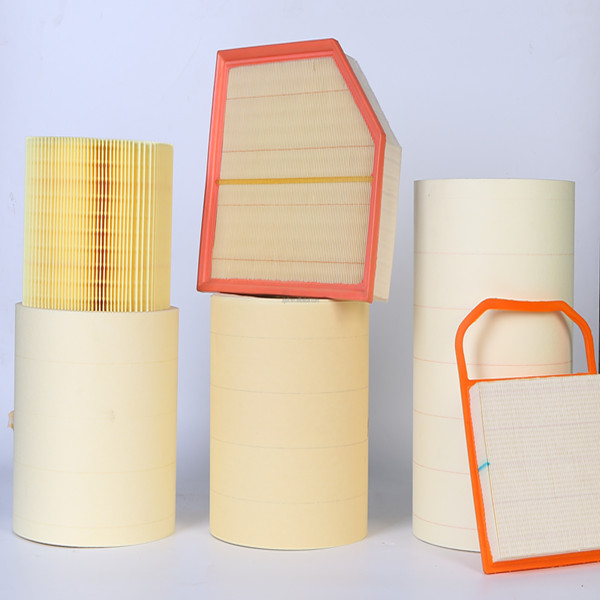
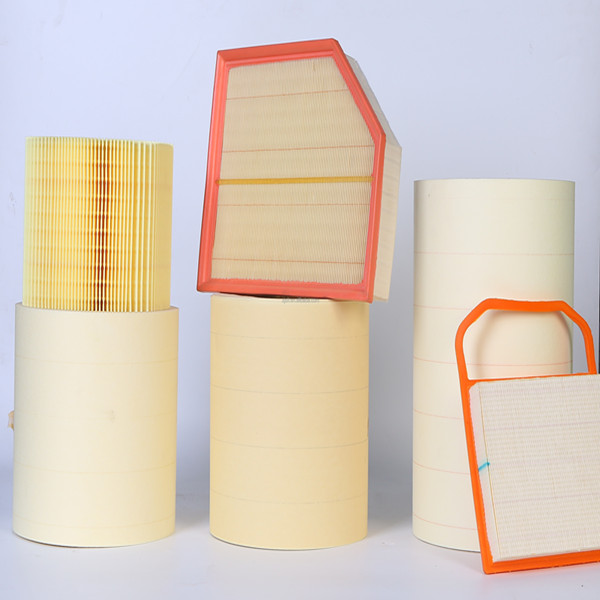
Simply put, cellulose HEPA filter paper 0.3 micron HEPA air is a highly specialized material designed to trap airborne particles as small as 0.3 microns. It’s a crucial player in air purification technologies worldwide, from hospital clean rooms to industrial ventilation systems. The benefits? Cleaner air with minimal environmental footprint, improved health outcomes, and sustainable industrial practices. I suppose, given the global rise in air pollution and airborne pathogens, understanding this filter paper’s role is more critical than ever.
Introduction: The Global Context of HEPA Filtration
Worldwide, air quality issues affect billions. According to the World Health Organization (WHO), 99% of the global population breathes air that fails to meet WHO guidelines for pollutants. Indoor air, where people spend up to 90% of their time, often harbors particulates that can penetrate deep into the lungs. This is where cellulose HEPA filter paper tailored to capture particles at the 0.3 micron level shines. Oddly enough, despite decades of research, many industries and public health entities still grapple with how to efficiently deploy precise filtration at scale.
This filter paper fills that gap by enabling affordable, scalable high-efficiency filtration that meets rigorous ISO standards (ISO 29463, for instance). It’s a major step forward for healthcare, industrial safety, and even disaster relief air quality management.
What Exactly Is Cellulose HEPA Filter Paper 0.3 Micron HEPA Air?
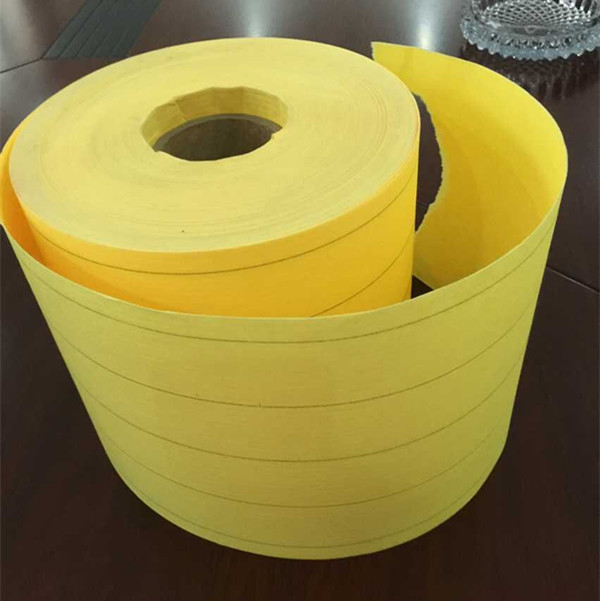
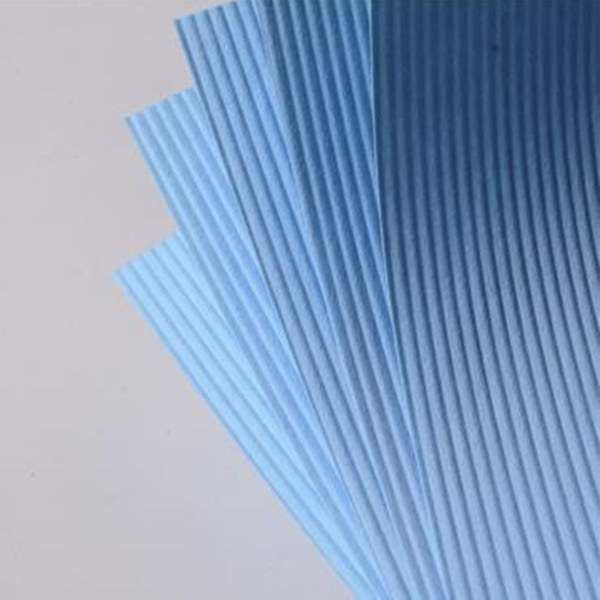
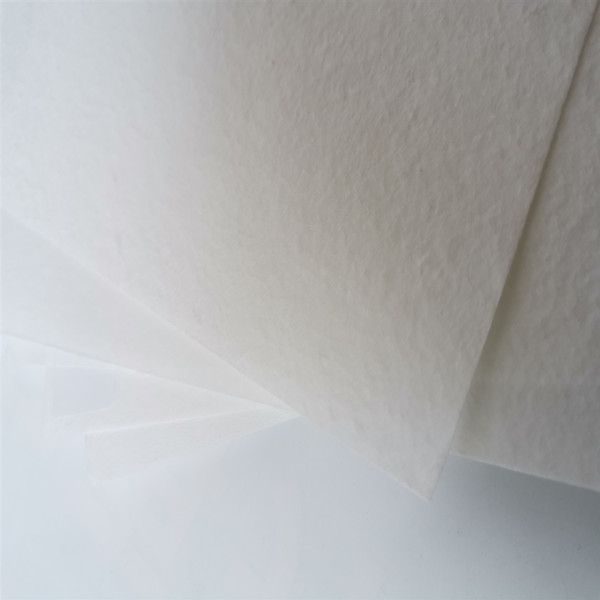
In simplest terms, this is a specialized filter media made primarily from cellulose fibers designed to trap particles down to 0.3 microns in diameter—a size regarded as the most challenging to filter. Think: microscopic pollutants, smoke particulates, bacteria, and some viruses.
The “HEPA” designation means High-Efficiency Particulate Air filter, a standard that requires removing at least 99.97% of particles of that critical 0.3-micron size. Combining cellulose’s natural fiber strength and compatibility with synthetic fibers, manufacturers create filter paper that balances filtration efficiency, air flow, and durability.
This technology supports modern needs ranging from hospital ventilation to lab clean rooms, where maintaining sterile, particle-free air is paramount.
Key Components and Features
1. Filtration Efficiency
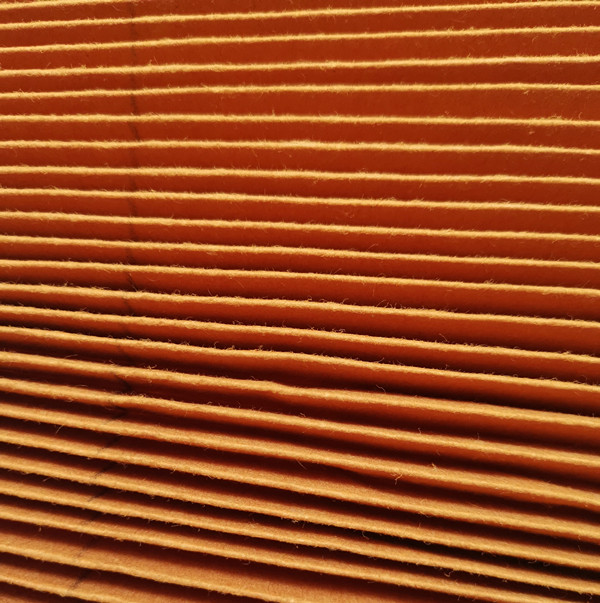
This paper is crafted using tightly woven cellulose fibers arranged with a fine synthetic microstructure—capturing particles through diffusion, interception, and impaction mechanisms.
2. Airflow Resistance
It’s crucial for practical deployment that filters don’t overly restrict airflow. Cellulose HEPA filter paper offers an optimized balance so HVAC or device fans aren’t strained.
3. Durability and Moisture Resistance
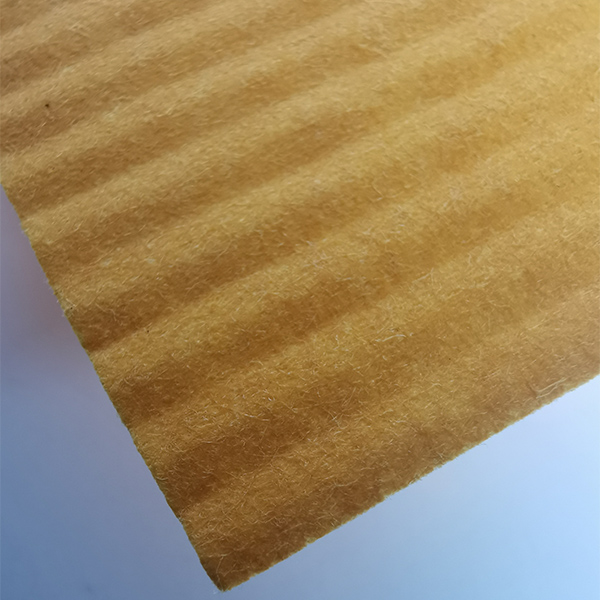
Cellulose’s natural susceptibility to moisture is mitigated via coatings and treatment, allowing reliable use in diverse climates including humid or industrial settings.
4. Cost Efficiency
Compared to wholly synthetic filters, this blend provides a lower-cost alternative without compromising on ISO-level performance—a big deal for widespread industrial or humanitarian use.
5. Environmental Impact
Cellulose being bio-based means the filters are more sustainable and partially biodegradable, which aligns well with green policies pursued by many governments and manufacturers.
Product Specifications of Typical Cellulose HEPA Filter Paper
| Property | Specification |
|---|---|
| Filter Efficiency | 99.97% @ 0.3 micron |
| Basis Weight | 80-120 g/m² |
| Airflow Resistance | ≤ 245 Pa @ 5.33 cm/s |
| Moisture Absorption | |
| Max Operating Temp. | 85°C (185°F) |
Applications and Real-World Use Cases
Globally, this filter paper finds itself woven into a vast range of products and systems:
- Healthcare settings: Hospital HVAC systems deploying these filters help maintain sterile environments, protecting patients against airborne infections.
- Clean room manufacturing: Electronics and pharmaceutical plants rely on such filters to prevent any particle contamination, ensuring product integrity.
- Industrial air purification: Factories use these filters to reduce workers’ exposure to dust and fumes, complying with safety regulations.
- Emergency and disaster relief: Portable air purifiers using cellulose HEPA filter paper help maintain breathable air in disaster zones, another area where you might not expect advanced filtration.
For example, in Southeast Asia’s urban areas, where air pollution regularly spikes beyond safe limits, deploying air purifiers with this type of filter paper has become standard in schools and public buildings. In North America, industrial plants often switch to cellulose-based HEPA media for its cost and sustainability advantages.
Vendor Comparison: Leading Cellulose HEPA Filter Paper Suppliers
| Supplier | Price (per sq. meter) | Filtration Efficiency | Sustainability Features | Global Reach |
|---|---|---|---|---|
| Anya Filter Media | $15 | 99.98% @ 0.3μm | Certified biodegradable fibers | Asia, Europe, Americas |
| Global Clean Filters | $18 | 99.97% @ 0.3μm | Recycled fiber base | North America, Europe |
| EcoFiber Filters | $14 | 99.95% @ 0.3μm | Compostable, FSC certified | Europe, Australia |
Advantages & Long-Term Value
The obvious upside is better air quality, but there are several layered benefits:
- Cost Efficiency: Combining natural fibers with synthetics lowers overall production cost versus 100% synthetic HEPA media.
- Environmental Benefits: Partial biodegradability helps reduce landfill waste—a small but crucial step toward circular economy goals.
- Improved Health Outcomes: Efficient filtration reduces incidence of respiratory issues, supporting worker safety and community health.
- Enhanced Device Longevity: Lower airflow resistance can extend the lifespan of fans and purifiers, cutting maintenance costs.
Honestly, it feels a bit like this filter paper is quietly revolutionizing how industries think about sustainable clean air—offering innovation without requiring radical overhaul.
Future Trends & Innovations
Looking ahead, cellulose HEPA filter paper is primed to integrate with digital airflow monitoring systems and smart HVAC automation. Advancements in nanocellulose materials promise even higher filter efficiencies and improved strength at lower weights.
Green energy initiatives mean manufacturers are sourcing pulp from sustainably managed forests and exploring biodegradable coatings that maintain moisture resistance. Oddly enough, some researchers are even experimenting with embedding antimicrobial compounds directly into the paper to fight pathogens.
Challenges & Practical Solutions
One common challenge is moisture sensitivity. While coatings help, exposure to extremely humid environments can degrade filter efficiency over time. Engineers tackle this by combining cellulose with synthetic fibers or applying hydrophobic treatments.
Cost fluctuations in raw materials (wood pulp, specialized polymers) also impact pricing stability. Smart procurement and diversified supply chains can ease these pressures.
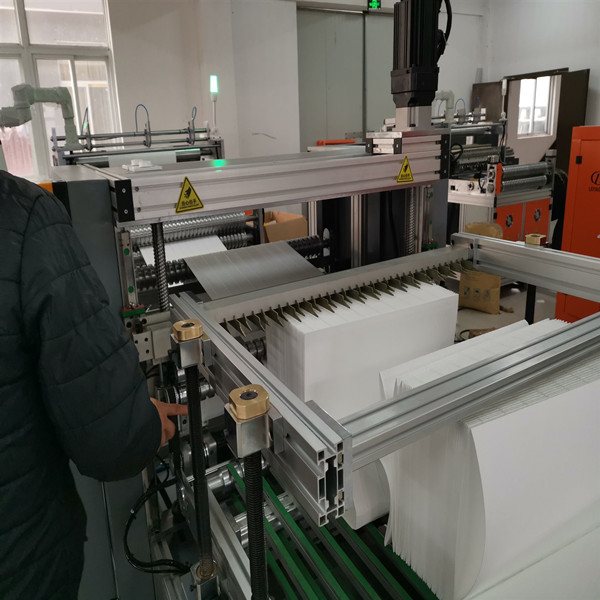
Finally, ensuring uniform quality at scale requires rigorous ISO-compliant testing—something leading suppliers emphasize heavily for reliability.
FAQ: Common Questions About Cellulose HEPA Filter Paper 0.3 Micron HEPA Air
- Q: How does cellulose HEPA filter paper compare to fully synthetic HEPA filters?
- A: Cellulose-based HEPA filter paper generally offers similar filtration efficiency but at lower cost and improved environmental profile due to biodegradability. Synthetic filters may provide higher moisture resistance but can be less sustainable.
- Q: Can cellulose HEPA filter paper be reused or cleaned?
- A: Typically, HEPA filters, including cellulose-paper variants, are not washable or reusable because wetting or cleaning can damage the fiber matrix and reduce efficiency. Replacement is recommended for health and safety.
- Q: Is this filter paper suitable for extreme industrial environments?
- A: Yes, especially with moisture-resistant coatings and hybrid fiber blends. However, for harsh chemical exposure, specialized synthetic media may be preferred.
- Q: How can organizations source high-quality cellulose HEPA filter paper internationally?
- A: Working with reputable manufacturers and suppliers that comply with ISO 29463 standards ensures quality. Many vendors offer global logistics and certifications to ease import/export compliance.
Conclusion: Why Cellulose HEPA Filter Paper Matters
At the end of the day, cellulose HEPA filter paper 0.3 micron HEPA air represents a blend of natural innovation and practical necessity—providing clean air solutions that are efficient, cost-conscious, and environmentally responsible. If you haven’t considered the advantages this filter paper brings, perhaps now is the time to explore how it can elevate your air quality systems.
Visit our website at Anya Filter Media to learn more about our cutting-edge cellulose HEPA filter papers and global supply options.
Mini takeaway: Sustainable, efficient, and increasingly sophisticated, cellulose HEPA filter paper is quietly indispensable in global clean air strategies.
References:
1. World Health Organization - Air Quality Guidelines (https://www.who.int)
2. ISO Standard 29463: High efficiency particulate air filters (https://www.iso.org)
3. Environmental Protection Agency - Indoor Air Quality (https://www.epa.gov)
Post time: Dec-02-2025