Understanding Cabin Filter Paper: Why It Matters in Today’s World
So, what exactly is cabin filter paper, and why should it catch your attention beyond just being a sheet of fiber? In simple terms, this material plays a crucial role in ensuring the air quality inside vehicle cabins remains fresh and safe — a detail often overlooked despite its global importance. Think of it this way: as urban air pollution continues to rise (with WHO estimating 91% of the world’s population breathing polluted air), the demand for efficient filtration solutions like cabin filter paper has never been more urgent.
From allergy sufferers shielding themselves from allergens, to everyday commuters worried about toxins creeping into their cars, understanding cabin filter paper means appreciating how a seemingly simple product can improve health, comfort, and environmental sustainability all at once.
Mini takeaway: Cabin filter paper is more than just a vehicle component; it’s a frontline defense in air quality management that affects millions globally.
Global Context: The Expanding Need for Cabin Filter Paper
Why the global fuss? According to data from the United Nations and ISO environmental reports, air pollution levels have steadily degraded urban living conditions worldwide. Vehicle emissions, industrial smog, and seasonal allergens pollute the air we breathe both on the streets and inside our cars. Cabin filter paper acts as a barrier, capturing particulate matter (PM2.5, PM10), pollen, dust, and even some gaseous pollutants, making it indispensable across diverse geographies.
Interestingly, markets in North America, Europe, and Asia-Pacific are leading in adopting advanced cabin filtration technologies, fueled by environmental regulations and growing consumer awareness. But challenges remain — such as filter durability under increasing pollutant loads and balancing cost-effective manufacturing with eco-friendly designs. These hurdles highlight the ongoing innovation in cabin filter materials and production processes.
Mini takeaway: The rise in global pollution and vehicle use is driving cabin filter paper’s evolution — making it a global industry priority, not just a niche product.
What Is Cabin Filter Paper? Breaking It Down
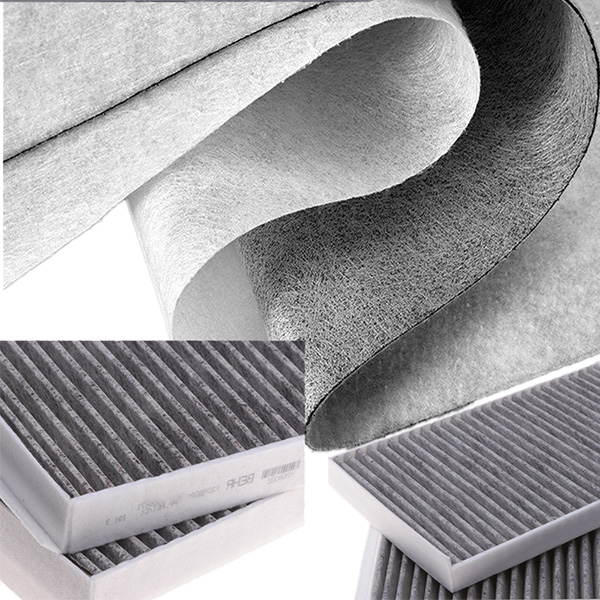
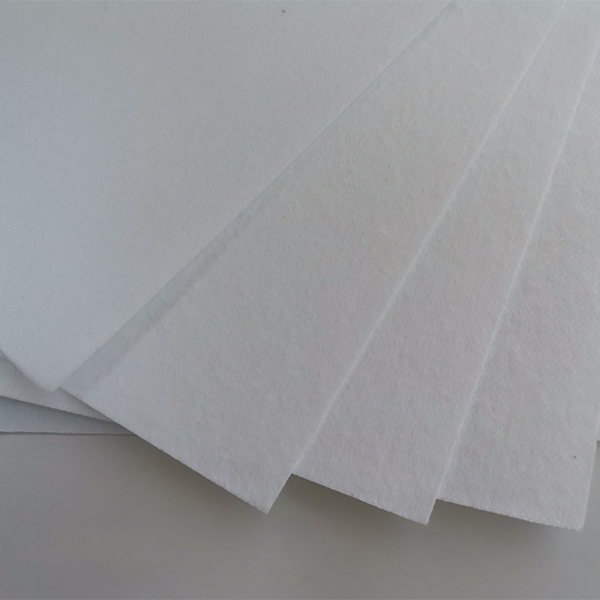
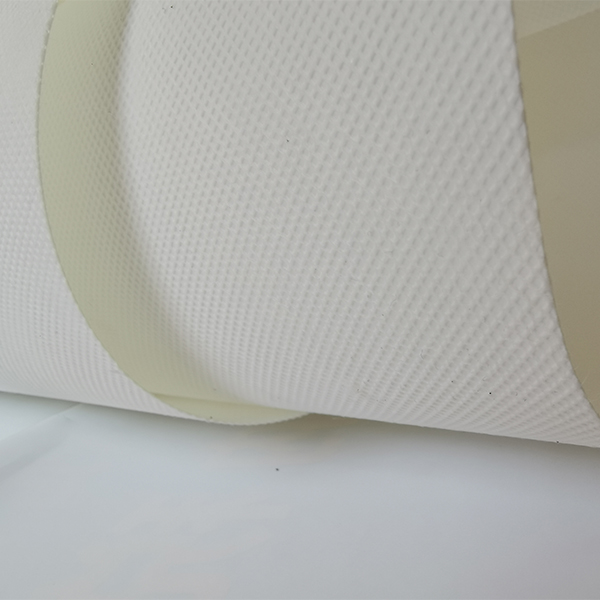
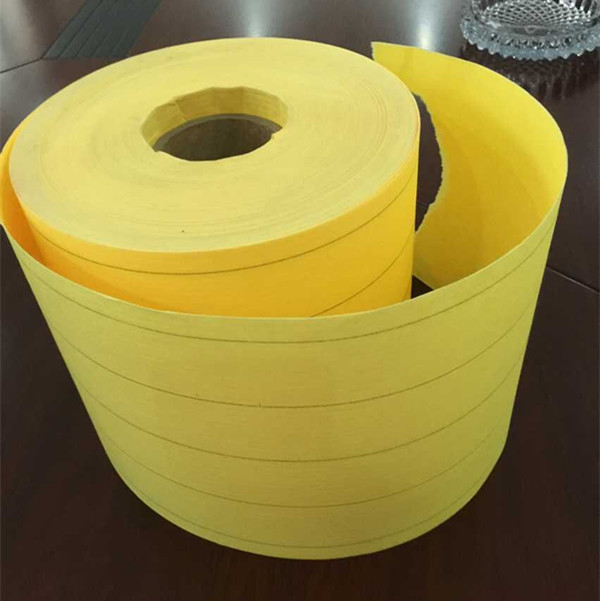
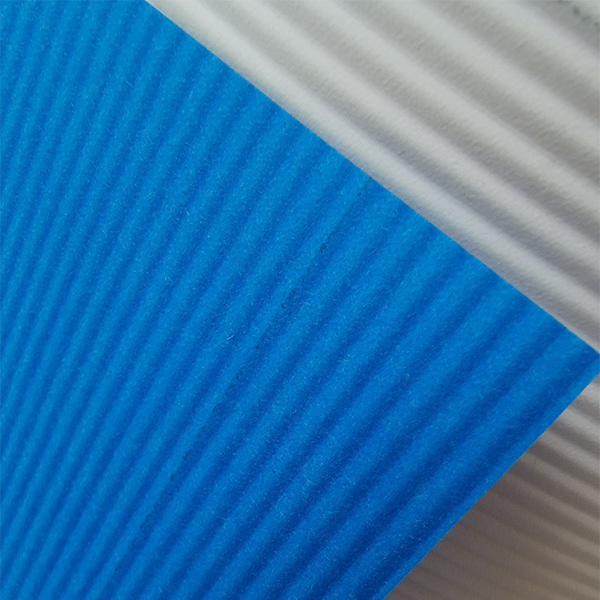
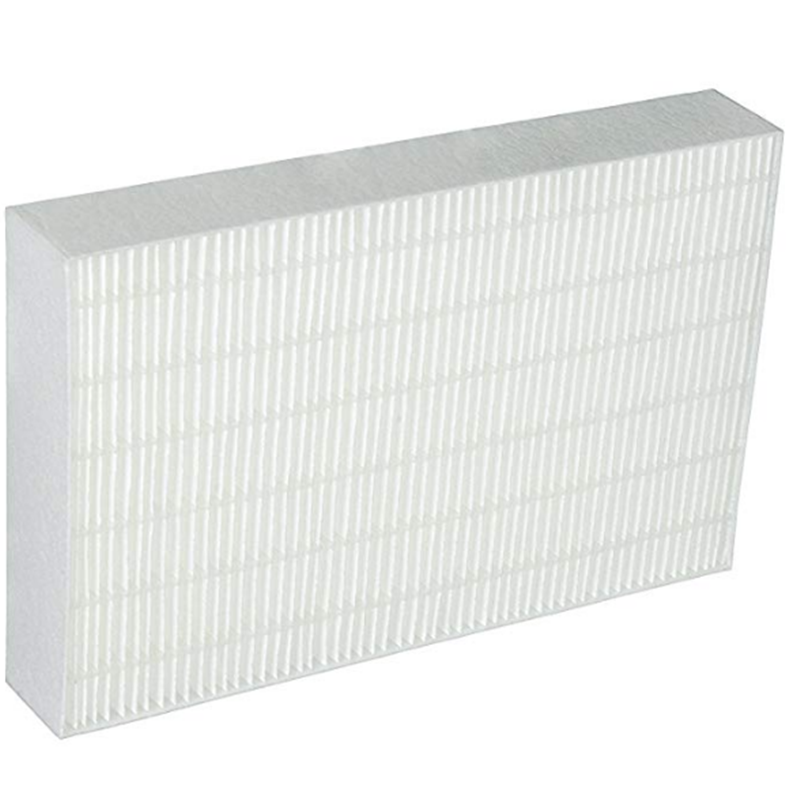
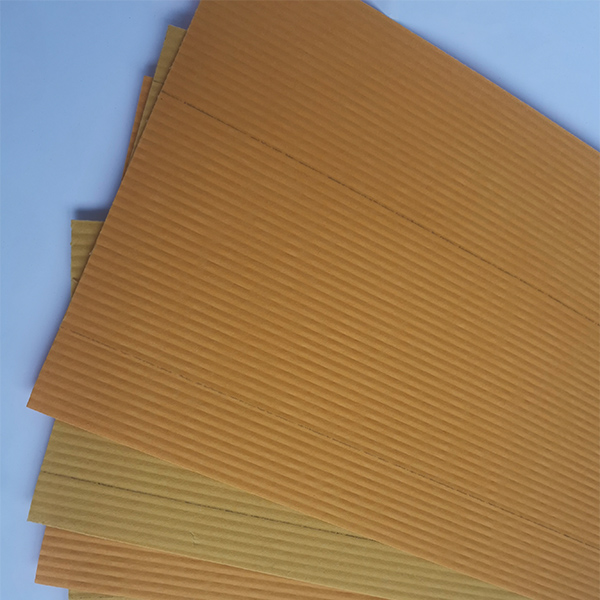
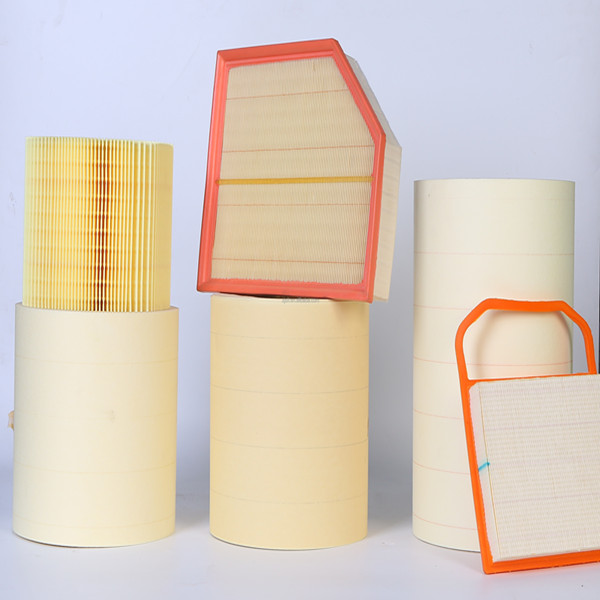
At its core, cabin filter paper is a specialized nonwoven fabric designed to trap airborne contaminants before they enter a vehicle’s interior. Typically, it’s made from blends of synthetic fibers like polypropylene or polyester, sometimes combined with activated carbon layers for odor control.
This paper is tailored to fit the cabin air filter housing of cars, trucks, buses, or even trains and aircraft, ensuring efficient particle retention without significantly restricting airflow. While that sounds straightforward, the production involves precise engineering — fiber diameter, layering, density, and treatments all influence effectiveness and lifespan. Moreover, in humanitarian contexts like disaster relief vehicles or mobile medical units, cabin filter paper ensures clean air access, showing its societal relevance beyond everyday commuting.
cabin filter paper manufacturers often work closely with automotive designers to optimize filter shapes and performance according to vehicle specs and environmental needs.
Mini takeaway: Cabin filter paper isn’t just “paper” — it’s a carefully engineered textile critical for safe, breathable air inside vehicles worldwide.
Key Qualities of Cabin Filter Paper and Why They Matter
Durability and Longevity
Most drivers expect their cabin filters to last at least 12,000 to 15,000 miles, sometimes longer if environmental conditions are mild. Filters with enhanced durability reduce replacements — a win for consumers and manufacturers alike. That durability often comes from layering techniques and fiber bonding methods resistant to moisture and mechanical stress.
Filtration Efficiency
The heart of it all: how well does cabin filter paper capture pollutants? Efficiency is measured by PM capture rates and the ability to filter ultrafine particles. Many modern papers exceed 98% efficiency for particles larger than 0.3 microns — critical for urban pollution and allergen mitigation.
Airflow Resistance
Oddly enough, clogging the airways is a risk with over-engineered filters. Thus, air permeability must strike a balance: high enough to reduce inhalation resistance and maintain HVAC system efficiency, yet tight enough to trap harmful matter.
Eco-Friendliness
With sustainability gaining traction, biodegradable or recyclable cabin filter paper options are emerging. These raw materials reduce landfill burdens and carbon footprints, appealing to green-conscious consumers and OEMs.
Cost Efficiency
No surprise here — manufacturers continuously seek to optimize costs without sacrificing quality. Efficient production workflows, recyclable waste use, and multi-layer composites help keep costs competitive.
| Specification | Typical Value | Remarks |
|---|---|---|
| Fiber Type | Polypropylene / Polyester blend | Optimizes filtration and durability |
| Particle Filtration Efficiency | ≥ 98% for PM ≥ 0.3μm | Meets urban pollution standards |
| Thickness | 4–8 mm | Customizable depending on vehicle type |
| Airflow Resistance | ≤ 20 Pa at 30 L/s | Keeps HVAC efficiency high |
| Recyclability | Up to 90% | Biodegradable variants available |
Where Cabin Filter Paper Is Making a Difference Globally
Real-world applications of cabin filter paper span industries and continents. In Europe, stringent vehicle emission laws demand high-performance filters to complement low-emission engines. Asian megacities, burdened with particulate matter from factories and traffic, rely on cabin filters designed to trap harmful PM2.5 particles—critical for millions of daily commuters.
In North America, trucking fleets use durable cabin filter media to protect drivers during long-haul journeys, especially across industrial zones. Meanwhile, NGOs deploying mobile clinics in post-natural disaster areas also utilize cabin air filters to create safe breathing environments—for both patients and medical staff.
Simply put, this filter paper becomes an unsung hero wherever vehicle cabin air quality is non-negotiable. It’s odd how we only notice it when we don’t have it…
Mini takeaway: From city buses in Tokyo to ambulances in flood zones, cabin filter paper is quietly shaping healthier rides globally.
The Benefits That Keep Cabin Filter Paper in Demand
- Improved Air Quality: Removes allergens, pollutants, and odors—critical for respiratory health.
- Cost Savings: Extends HVAC system life and reduces maintenance costs.
- Sustainability: Advances in recyclable materials reduce environmental impact.
- Comfort: Clear air makes for a more pleasant journey – essential for professional drivers.
- Reliability: Consistent performance under various weather and pollution conditions.
Emotionally, it’s about peace of mind: knowing your air is cleaner. Logically, it supports compliance with emissions and health regulations, vital for manufacturers and fleet owners alike.
Looking Forward: What Next for Cabin Filter Paper?
The next wave of innovation involves nanofiber technologies and smart filters embedded with sensors to monitor pollution levels in real-time. Plus, shifts toward greener production methods mean bio-based fibers might soon replace petrochemical-derived ones.
Digital transformation also plays a part—imagine filters that signal when they’re clogged or need replacement via smartphone apps. Automation in manufacturing enhances precision and reduces waste, while regulatory pressures push the envelope for sustainability and safety.
Overcoming Challenges: How the Industry Keeps Improving
A persistent challenge is balancing filtration efficiency with airflow to avoid strain on vehicle systems. Similarly, extreme weather and pollutants can degrade filter paper faster than expected. Companies tackle this with smart layering, hybrid materials combining mechanical and electrostatic filtration, and ongoing research to enhance moisture resistance.
Customizable products tailored to vehicle type and climate are another solution, helping end-users get optimized protection without overspending.
Vendor Comparison: What To Look For
| Vendor | Product Range | Sustainability Focus | Customization Options | Global Reach |
|---|---|---|---|---|
| AeroFibers Inc. | Wide — standard & advanced filters | High (bio-based materials) | Yes, vehicle-specific | North America, Europe |
| FilterPro Solutions | Specialized for heavy-duty trucks | Medium (recyclable fibers) | Limited | Asia-Pacific, USA |
| GreenLayer Media | Eco-friendly cabin filter papers | Very high (compostable products) | Yes, with modular design | Europe, Latin America |
FAQ: Frequently Asked Questions About Cabin Filter Paper
Q1: How often should I replace my cabin filter paper?
A: Typically, cabin filter papers are replaced every 12,000 to 15,000 miles or annually, depending on driving conditions. In heavily polluted environments, more frequent replacement might be necessary to maintain air quality and performance.
Q2: Can cabin filter paper help with allergies?
A: Absolutely. High-efficiency cabin filter papers trap pollen, mold spores, and other allergens, reducing exposure inside the vehicle and making commutes more comfortable for allergy sufferers.
Q3: Is there a difference between standard filters and activated carbon cabin filter paper?
A: Yes, activated carbon layers absorb odors and certain gaseous pollutants in addition to particulate matter. This offers better interior air freshness, especially in urban or industrial areas.
Q4: Are eco-friendly cabin filter papers as effective as traditional ones?
A: Many eco-friendly filters now match or exceed traditional performance, with the added benefit of reduced environmental impact at end-of-life. It’s advisable to check certifications and vendor specs.
Q5: How can I ensure my cabin filter paper fits my vehicle?
A: Most cabin filter papers come tailored for specific vehicle makes and models. Check manufacturer compatibility guides or consult with a trusted vendor to avoid fitment issues.
Wrapping Up: The Quiet Hero of Clean Travel
Cabin filter paper might not make headlines, but its role in safeguarding health, comfort, and sustainability across the globe is undeniable. Especially as urban air quality issues grow, investing in and understanding quality cabin air filters makes practical and ethical sense. You owe it to yourself (and your passengers) to breathe easier.
If you're curious about the latest in cabin filter paper technology, don’t hesitate to visit our website: https://www.anyafiltermedia.com for more insights and product options.
References:
Post time: Nov-29-2025