What is Cabin Filter Media and Why Should You Care?
Let’s kick off with a quick rundown: cabin filter media refers to the materials used inside vehicle cabin air filters—those unglamorous yet critical components that ensure the air you breathe inside your car isn’t a cocktail of dust, pollen, and nasty pollutants. Why does this matter on a global scale? Well, in 2020, the World Health Organization estimated that air pollution causes about 7 million premature deaths annually. Inside vehicles, the air quality can be dramatically worse than outside, and cabin filter media forms the frontline defense for cleaner, safer in-cabin air.
Understanding the nuances of cabin filter media means better air filtration technologies, smarter material choices, and ultimately healthier passengers across busy megacities, remote industrial zones, and disaster-stricken areas. So, while it might sound niche, getting savvy about cabin filter media delivers both immediate comfort and long-term health benefits worldwide.
The Bigger Picture: Cabin Filter Media’s Global Relevance
Globally, urbanization and vehicle growth rates are soaring—projected to hit nearly 2 billion cars worldwide by 2040 according to the International Energy Agency (IEA). Increased vehicles mean more people are exposed to traffic-related air pollutants inside their cabins. This becomes a health challenge amplified in megacities from Delhi to Los Angeles.
Moreover, ISO standards like ISO 11155 define test methods for cabin filter media efficiency, underscoring a serious commitment across the automotive and air quality industries. Still, a challenge remains: How do manufacturers consistently develop cabin filter media that strikes a balance between filtration efficiency, airflow resistance, and cost-effectiveness? With millions impacted daily, the urgency to solve this is real.
Defining Cabin Filter Media in Plain Terms
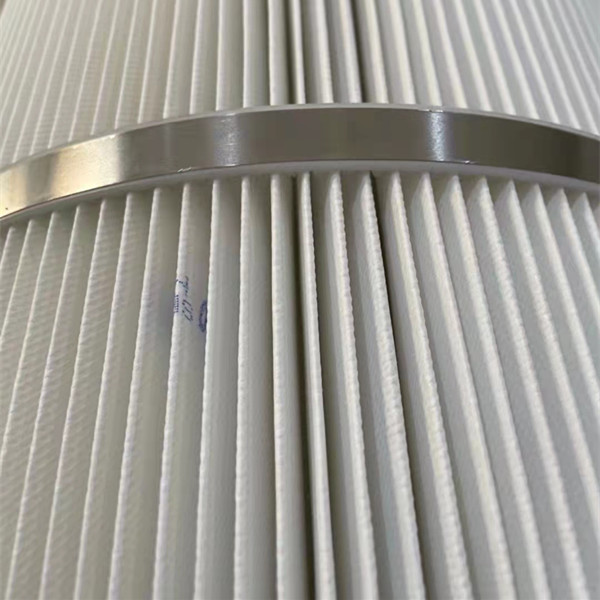
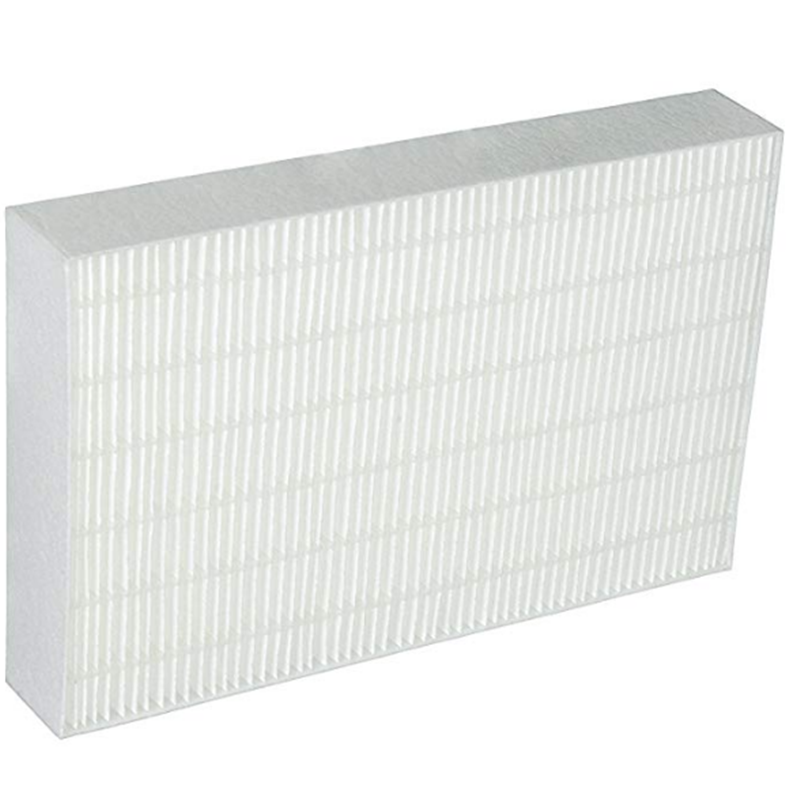
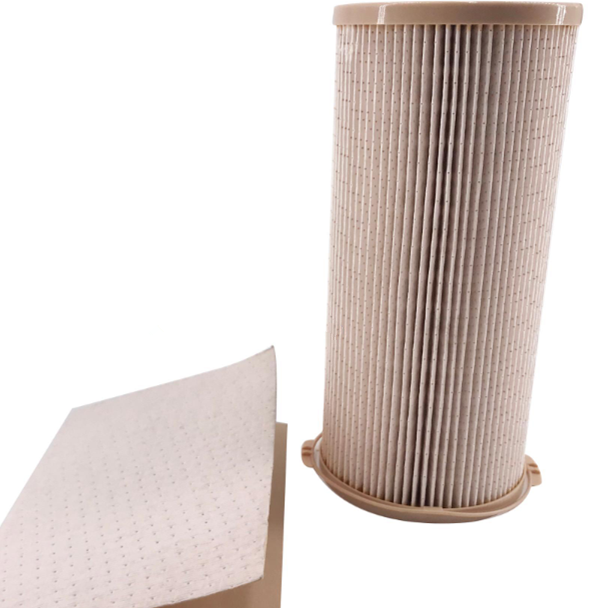
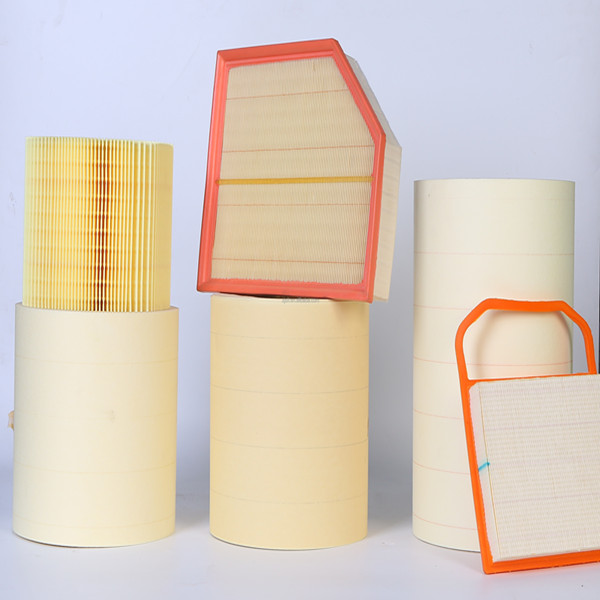
Simply put, cabin filter media is the specialized layer inside your vehicle’s air filter designed to trap tiny airborne particles while letting clean air flow through. It’s usually made of fibrous materials—sometimes synthetic, sometimes natural—designed at microscopic scales to catch contaminants like dust, mold spores, vehicle emissions, and pollen.
The connection with modern industry? These media are crucial components in numerous vehicles, public transport, and even specialized equipment where maintaining internal air quality is a health and safety priority. Humanitarian operations have shown interest too, as clean air inside transport vehicles during disasters or pandemics can be life-saving.
Key Factors Driving Effective Cabin Filter Media
1. Filtration Efficiency
This one’s the headline factor. The media must remove harmful particulate matter (PM2.5 and smaller), allergens, and odors without compromising airflow—that balance is a delicate art. Many manufacturers use electrostatically charged fibers to attract particles that would otherwise slip through.
2. Durability
Think of that frustrating moment when your cabin air filter clogs early and needs replacement — costly and wasteful. Durable media resist collapse and maintain high filtration over a minimum service life, typically between 12,000 to 15,000 miles for passenger vehicles.
3. Cost-Effectiveness
Cost is always in the driver’s seat. Production materials, manufacturing complexity, and longevity all feed directly into final pricing. The best media deliver maximum protection at a price point that makes sense both for big OEMs and aftermarket brands.
4. Environmental Impact
Eco-conscious players insist on media that’s recyclable or made from sustainable inputs — for example, cabin filter media derived partially from biodegradable fibers or recyclable polypropylene blends. The industry is slowly turning greener.
5. Scalability & Customization
Different markets and segments demand slightly different performance specs. Scalable manufacturing processes allow quick customization of medias’ thickness, fiber composition, and electrostatic charges to meet varying regulatory or usage needs.
Mini Takeaway:
- Cabin filter media is a complex balance of efficiency, durability, cost, and sustainability.
- Its design has major ripple effects on air quality and health inside vehicles worldwide.
Real-World Applications Across the Globe
Cabin filter media finds itself deployed far beyond everyday cars. Public transit networks in Europe rigorously use high-grade media to safeguard commuters from industrial pollution. In rapidly expanding megacities like Bangkok or Lagos, efficient filters reduce respiratory ailments by limiting exposure during long daily commutes.
In humanitarian relief scenarios, like post-disaster zones in Southeast Asia, aid trucks equipped with advanced cabin filters help medical teams breathe safely amid dust and debris, which is crucial for prolonged operations. Even mining operations in Australia rely on high-efficiency media in their machinery cabins to protect workers from airborne contaminants.
Advantages and the Long-Term Value You Might Not Expect
Tangibly, good cabin filter media translates to fewer health issues, less downtime for vehicle maintenance, and reduced environmental waste. Emotionally, users often report a noticeable freshness inside their vehicles and peace of mind, especially allergy sufferers or urban commuters. The sense of trust evokes a loyal customer base for manufacturers and aftermarket suppliers.
When you really think about it, it’s about safety, dignity, and innovation — the silent enablers of comfortable and healthy travel, embedded inside a tiny strip of fibrous media.
Future Trends Shaping Cabin Filter Media
Emerging advances include antimicrobial coatings, activated carbon additives for odor control, and nanofiber layering to enhance filtration at near-zero airflow resistance. Looking ahead, smart sensors integrated within cabin filter media could signal clogging or air quality issues directly to drivers via dashboard alerts.
In alignment with green initiatives, bio-based fibers and recyclable composite blends are gaining momentum. Automation in production lines allows faster iterations and higher volume output, enabling quicker market adaptation.
Challenges the Industry Faces and How Experts Are Tackling Them
Despite progress, some persistent challenges remain: balancing filtration efficiency with airflow can often mean trade-offs. Electrostatic charges on fibers degrade over time, reducing effectiveness, so researchers are exploring more stable additives.
Furthermore, inconsistent international standards can complicate exporting or importing cabin filters, especially for NGOs or smaller manufacturers. Collaborations through ISO working groups and alliances between OEMs and material producers are promising solutions.
Frequently Asked Questions About Cabin Filter Media
Q1: How often should cabin air filters be replaced?
A: Standard recommendation is every 12,000 to 15,000 miles or annually, whichever comes first. However, heavy pollution or dusty environments may require more frequent replacements to maintain air quality.
Q2: What materials are typically used in cabin filter media?
A: Most media employ synthetic fibers like nonwoven polypropylene, sometimes combined with activated carbon for odor absorption. Newer media might incorporate bio-based fibers or nanofibers for improved filtration.
Q3: Can cabin filter media reduce virus or bacteria spread inside vehicles?
A: While standard cabin filters primarily target particulates and pollen, some advanced media feature antimicrobial or antiviral treatments designed to reduce pathogens, though they are supplementary and not a replacement for ventilation and hygiene.
Q4: Are aftermarket cabin filters as reliable as OEM filters?
A: Quality varies widely among aftermarket brands. It’s best to choose filters that comply with recognized testing standards (such as ISO 11155) and reputable vendors known for thorough quality control.
Q5: Is it possible to recycle used cabin filter media?
A: Recycling programs are limited because filters often contain mixed materials and trapped contaminants, but some manufacturers are developing recyclable or biodegradable options to address this challenge.
Conclusion: Cleaner Air, One Filter at a Time
Cabin filter media might not be a buzzword you throw around at parties, but it quietly shapes our daily experience, health, and environment. The ongoing evolution from basic fibrous mats to sophisticated, sustainable composites marks a smart future for healthier travels worldwide.
If you’re curious or ready to explore top-tier cabin filter media options, visit our website for cutting-edge innovations, product specs, and expert insights.
Product Specification Table
| Specification | Typical Range | Remarks |
|---|---|---|
| Fiber Composition | Polypropylene / Cellulose / Electrostatic Fibers | Tailored for climate & application |
| Filtration Efficiency (PM2.5) | 85% - 99% | Depends on media thickness & treatment |
| Airflow Resistance | ≤ 30 Pa @ 60 L/s | Lower values improve engine & cabin ventilation |
| Service Life | 12,000 - 15,000 miles (16,000 - 24,000 km) | Varies by environmental conditions |
| Environmental Profile | Partial biodegradable or recyclable types | Growing focus on sustainability |
Vendor Comparison Table
| Vendor | Media Type | Maximum Filtration Efficiency | Price Range | Sustainability Focus |
|---|---|---|---|---|
| FilterTech Corp. | Electrostatic Nonwoven | 98% | $$$ | Yes, recycled content |
| CleanAir Solutions | Activated Carbon Blend | 95% | $$ | Developing biodegradable options |
| EcoFilter Dynamics | Bio-based Polyfiber | 90% | $$$ | Strong emphasis on sustainability |
| RapidFlow Filters | Nanofiber Layers | 99% | $$$$ | Limited (focus on performance) |
Summary & Reflection
Cabin filter media’s technical details might seem dry, but the ripple effects on public health and comfort are profound and growing in importance. The interplay between innovative materials, evolving standards, and environmental sustainability is gradually rewriting the playbook for cleaner cabin air everywhere.
For anyone invested in automotive health tech or air quality improvements, keeping an eye on these media developments is a bit like watching a quiet revolution take shape.
References
Post time: Nov-29-2025