Why Brass Mesh Filters Matter in Today’s Industry
If you’ve ever thought filters were just about catching dirt and debris, well, there’s a lot more going on with
brass mesh filters. These unassuming little heroes have quietly powered everything from industrial pumps to humanitarian water purification efforts worldwide. Their robust yet precise design makes them a go-to solution in industries hungry for durability and efficiency.
On a global scale, filters—especially ones crafted from materials like brass—play a huge role in maintaining essential clean air and water quality. Consider this: according to the United Nations, about 2.2 billion people worldwide lack access to safely managed drinking water (1). Brass mesh filters, with their corrosion resistance and fine filtration capabilities, often feature in water purification systems that mitigate this problem especially in harsher environments where plastic or steel mesh just won’t last.
Understanding brass mesh filters is not only about appreciating their physical makeup but also grasping why their use matters both in factories humming with automated machines and in remote communities where access to clean water is a daily struggle. It’s about safety, durability, and smart design all rolled into one.
The Global Landscape of Brass Mesh Filters
The global filtration market is expected to hit upwards of $91 billion by 2030, per ISO and industry reports (2)—and brass mesh filters have a solid share in this growth. This is no surprise when you consider their adaptability. Unlike single-use plastic filters or rust-prone steel, brass mesh stands strong through temperature fluctuations and chemical exposure.
Industries from petrochemical processing in the Middle East to food and beverage in Europe rely on brass mesh filters. Also, NGOs working on disaster response often turn to brass mesh because it can be cleaned and reused multiple times, making it invaluable when supply chains are disrupted.
However, the challenge remains: many filtration systems worldwide still use outdated mesh technologies prone to failure or contamination. Brass mesh’s enhanced longevity and precision offer a clear answer to these challenges, but only if industries switch to smarter solutions.
Summary Takeaway:
- Brass mesh filters are vital in global clean water and industry processes.
- Their durability solves filtration challenges where other materials fall short.
- Growth in filtration tech means more opportunities for brass mesh innovation.
What Exactly Is a Brass Mesh Filter?
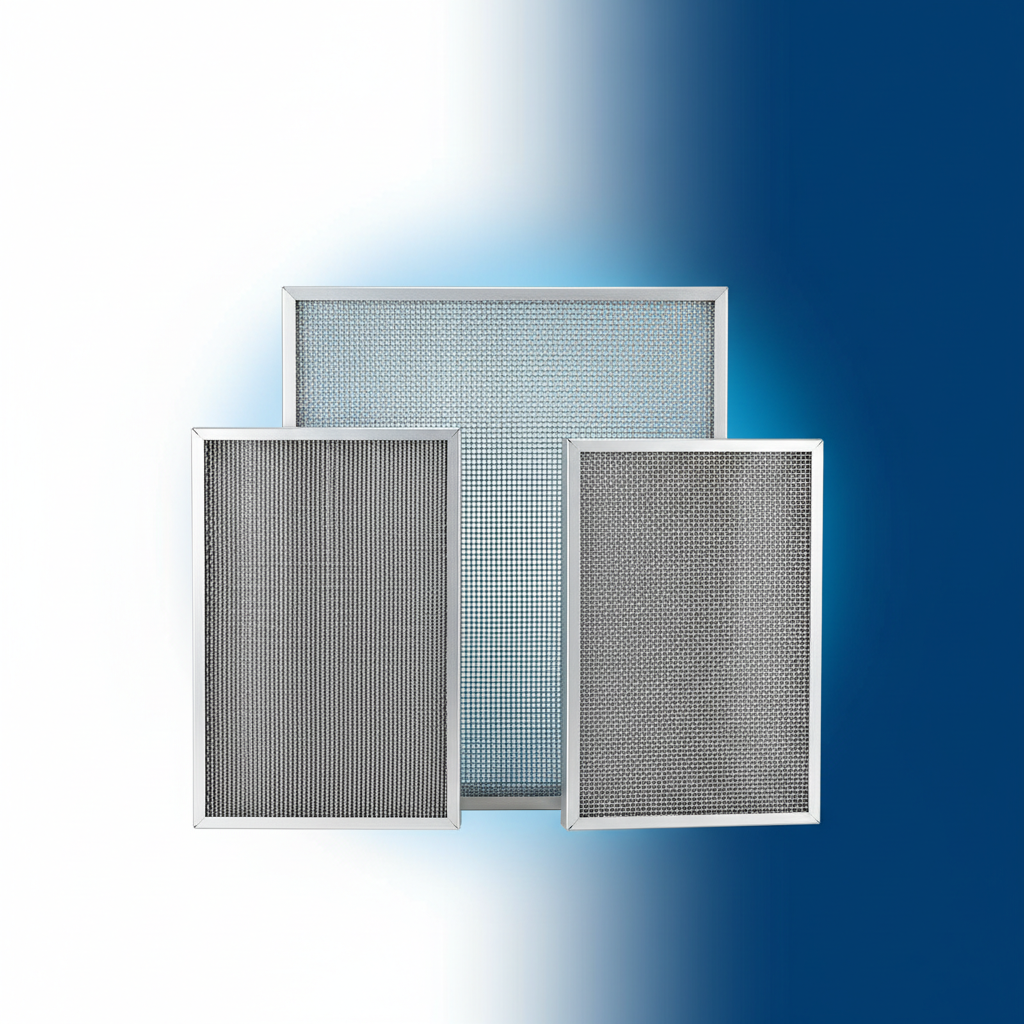
In plain terms, a brass mesh filter is a screen made by weaving fine wires of brass into a mesh that traps particles while letting fluids or gases pass. Brass, an alloy of copper and zinc, offers excellent corrosion resistance plus good mechanical strength. This combination means the mesh keeps its shape and filtration quality even under heavy duty use or chemical exposure.
The mesh size—measured in microns—determines what particle sizes get filtered out. For example, a 100-micron brass mesh filters out particles larger than 100 micrometers, making it ideal for filtering sand or rust particles in water systems. Smaller mesh sizes are used in air filtration, lubricants, or even medical-grade applications.
This simple yet elegant design bridges industrial needs with humanitarian efforts: its reusability and reliability make it perfect for both factory floors and emergency water treatment kits.
Summary Takeaway:
- Brass mesh filters are woven screens of brass wires filtering particles from fluids.
- Mesh size directly affects filtration precision.
- Ideal for applications demanding durability and resistance to corrosion.
Core Components & Key Factors Behind Brass Mesh Filters
1. Durability
Brass alloys resist rust, scaling, and physical wear better than many metals—great if you’re dealing with saltwater, oils, or industrial chemicals. Engineers often say it’s the longevity that makes brass mesh filters worthwhile investments.
2. Filtration Precision
Depending on your needs, meshes come in various micron sizes and weave types—plain, twill, or Dutch weave—that impact filtering accuracy and flow rates. A more intricate weave can trap smaller particles but may reduce flow, so there’s always a relevant trade-off.
3. Scalability
From tiny meshes used in fuel lines to large industrial screens in refinery pipelines, brass mesh filters are scalable to many sizes and shapes. This versatility is one reason manufacturers appreciate the material so much.
4. Cost Efficiency
While brass costs more than plastic or basic steel meshes, the longer lifespan and reusability often justify the upfront expense. In the long run, fewer replacements and less downtime spell substantial savings.
5. Environmental Friendliness
Brass is recyclable, and its durability limits waste. When paired with filtration systems designed for reuse, it supports sustainability goals increasingly crucial in industry and humanitarian sectors.
Summary Takeaway:
- Key brass mesh filter traits include durability, precision, scalability, and cost-efficiency.
- The choice of mesh weave and size directly impacts filtration quality.
- They align well with eco-friendly manufacturing and usage trends.
Brass Mesh Filters in Action Around the World
In practice, brass mesh filters show up everywhere. A few real-world use cases:
- Industrial Plants: Chemical manufacturing hubs in Asia use brass mesh filters extensively to keep contaminants out of sensitive pipelines.
- Water Purification: NGOs distributing portable water treatment kits in Sub-Saharan Africa often include reusable brass meshes to filter suspended solids.
- Food & Beverage: European breweries use brass filters to ensure spurious particles don’t spoil product taste or safety.
- Oil & Gas Sector: In Middle Eastern oil fields, brass mesh filters protect expensive machinery from tiny abrasive particles, reducing maintenance downtime.
- Remote Mining Camps: Filtration systems incorporating brass meshes help provide clean water in harsh environments where supply of replacement parts is difficult.
Summary Takeaway:
- Brass mesh filters are crucial in industries ranging from chemical to beverage production.
- They’re employed heavily where durability and reusability are needed under tough conditions.
Brass Mesh Filter Specifications
| Specification |
Detail |
| Material Composition |
Copper (60-70%), Zinc (30-40%) |
| Mesh Size Range |
20 to 400 microns |
| Weave Types |
Plain, Twill, Dutch weave |
| Operating Temperature |
-50°C to 250°C |
| Corrosion Resistance |
High in water, low acid, salt, and alkali environments |
| Reusability |
Can be cleaned and reused multiple times |
Comparing Top Suppliers of Brass Mesh Filters
| Vendor |
Product Range |
Pricing Level |
Customization |
Lead Time |
| Anya Filter Media |
20–400 micron brass mesh, various weave types |
Mid-range |
High (OEM and sample runs) |
2-3 weeks |
| Metalfab Solutions |
Standard meshes, limited custom options |
Budget |
Low |
1 week |
| Global Mesh Co. |
Broad range including brass, stainless steel meshes |
High |
Moderate |
3-4 weeks |
Why Brass Mesh Filters Continue to Win
When I chat with filtration experts, the recurring theme is reliability. Brass mesh filters balance longevity with an ability to perform consistently under stress. That means fewer breakdowns, safer operations, and ultimately, less waste. For humanitarian groups, it’s the peace of mind that clean water will keep flowing despite logistical nightmares.
Meanwhile, from a business perspective, the reduction in downtime and lower maintenance costs make investing in brass mesh filters feel less like spending and more like saving in the long haul.
Looking Ahead: Innovations and Next Steps
Brass mesh filter technology isn’t standing still. Manufacturers are exploring nano-coatings to further resist corrosion and biofouling, while advanced weaving techniques push micron precision even tighter without sacrificing flow.
Going green is also a priority: companies are developing eco-friendly brass alloys made with recycled metals. And digital sensor integration? Yep, smart filters that monitor clogging status in real-time could soon save technicians from guesswork.
So while brass mesh filters may feel classic, they’re quietly embracing a future where sustainability and automation reshape industry standards.
Facing the Challenges Head-On
No product’s perfect. Brass mesh filters can be heavier than plastic alternatives and typically cost more upfront. For very fine filtration below 20 microns, stainless steel or synthetic materials may outperform brass.
However, cleaning protocols and proper mesh selection mitigate most issues. Some firms employ ultrasonic cleaning to prolong mesh life, turning stubborn filter problems into manageable maintenance routines.
Summary Takeaway:
- Brass mesh filters provide a solid compromise between cost and durability.
- Emerging coatings and smart tech promise even better future performance.
- Cleaning and maintenance are crucial to overcoming current limitations.
FAQs About Brass Mesh Filters
- What industries benefit most from brass mesh filters?
- Chemical processing, water purification, food and beverage, oil and gas, and even pharmaceuticals rely heavily on brass mesh filters due to their durability and resistance to corrosion.
- How often should a brass mesh filter be replaced?
- With proper cleaning and maintenance, brass mesh filters can last several years. Replacement frequency depends on operating conditions but often far exceeds plastic alternatives.
- Can brass mesh filters be customized for specific applications?
- Yes, mesh size, weave pattern, and dimensions can be tailored. Many manufacturers, including Anya Filter Media, offer OEM services to meet unique client needs.
- Are brass mesh filters environmentally friendly?
- Brass is highly recyclable, and its longevity means fewer replacements and less waste. When paired with reusable filtration systems, it supports sustainability in industry and humanitarian projects.
- Do brass mesh filters work well in harsh chemical environments?
- Generally, brass provides excellent corrosion resistance in water and low-acid environments but may be less suitable in highly acidic or alkaline conditions. In such cases, specialized coatings or alternative materials may be preferable.
Wrapping Up: Why Brass Mesh Filters Are a Smart Choice
It’s clear—brass mesh filters offer a blend of reliability, precision, and environmental consideration few other filter types can match. Whether you’re an engineer searching for a lasting industrial solution or working in humanitarian water projects, these filters do more than separate particles—they protect investments, health, and the planet.
If you’d like to explore high-quality brass mesh filters with custom options, have a look at
Anya Filter Media and discover what makes their products stand out.
Thanks for staying with me on this little exploration, and hey—next time you turn on a tap or watch a machine hum along smoothly, think of the tiny brass wires quietly making it all possible.
References
- United Nations Water Statistics: https://www.unwater.org/water-facts/scarcity/
- ISO Market Reports on Filtration, 2023 Edition
- World Bank Water Industry Data, 2022