What Is a filter media and Why Does it Matter?
If you’ve ever worked around industrial equipment, you know that the tiniest specs can make the difference between “just okay” and “rock-solid reliable.” In the world of filtration, that crucial piece is the filter media. It’s what actually traps dust, dirt, or whatever nasty particles are lurking in the air or liquids. But beyond just being a barrier, it’s where science, engineering, and a bit of art come together.
Frankly, when I first started out, I thought filters were pretty straightforward—just some fabric or paper you slap inside a frame. But it turns out, the type of media, its weave, its thickness, and even how it’s treated chemically can completely change how well it performs. The stakes are high: a poor choice here could mean machinery downtime or worse, compromised product quality. I’ve seen lines go down just because the wrong media was chosen for a dusty environment with high humidity.
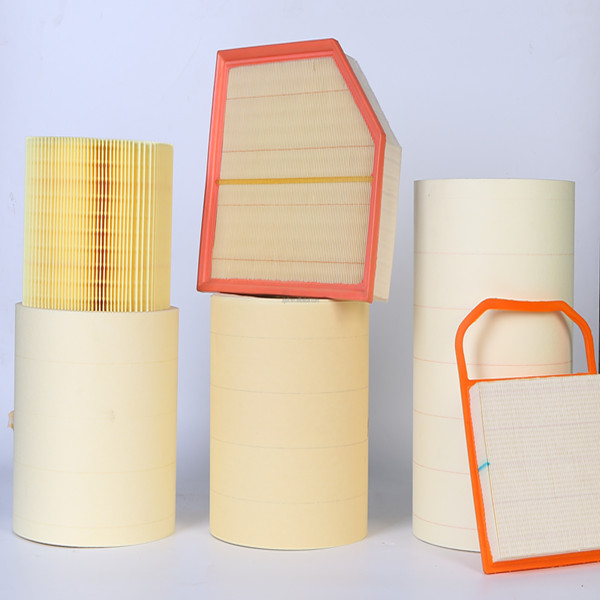
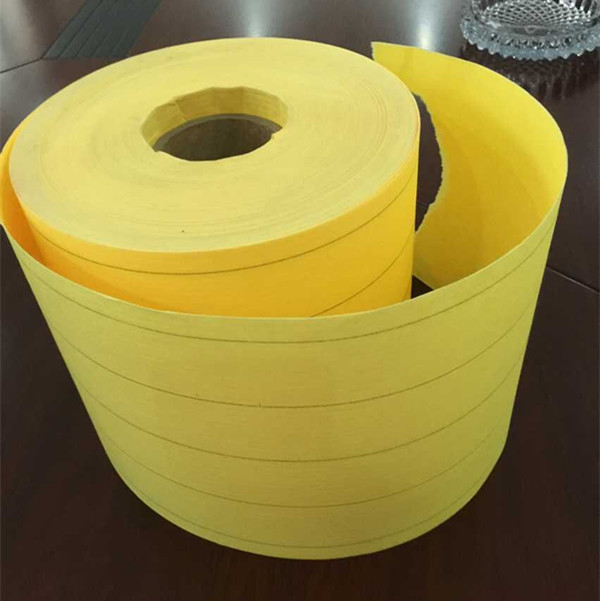
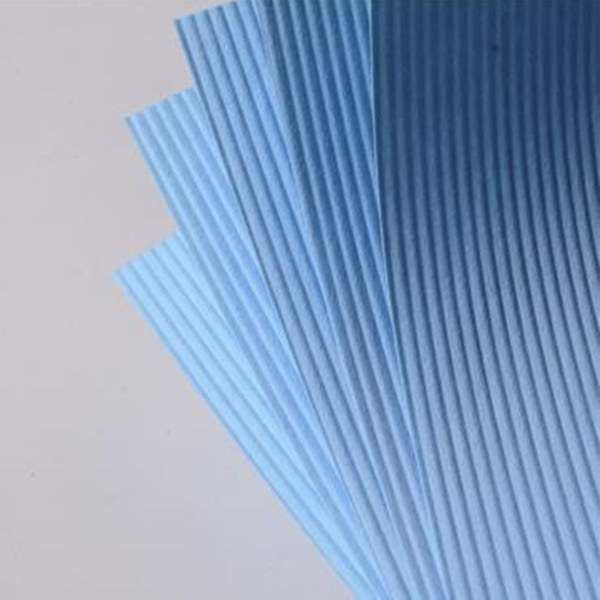
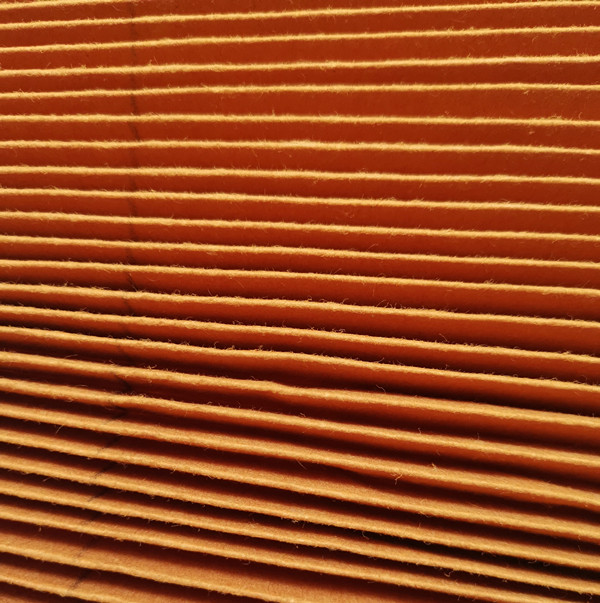
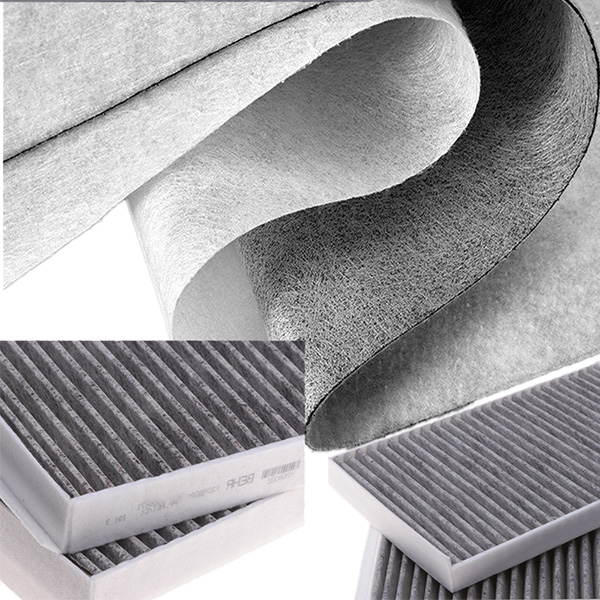
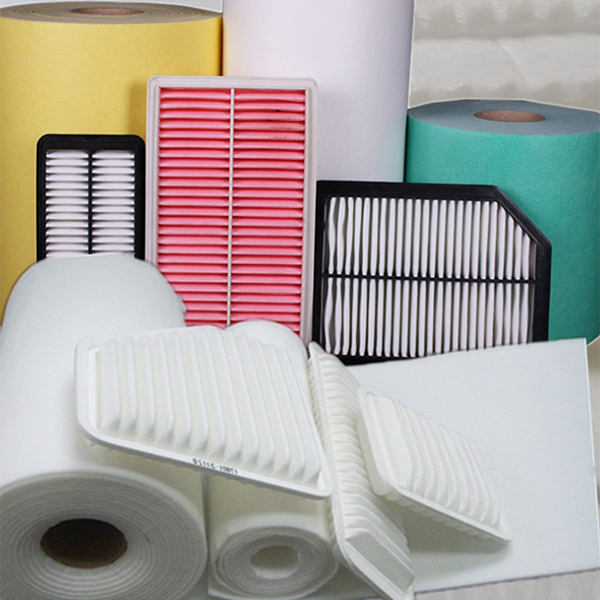
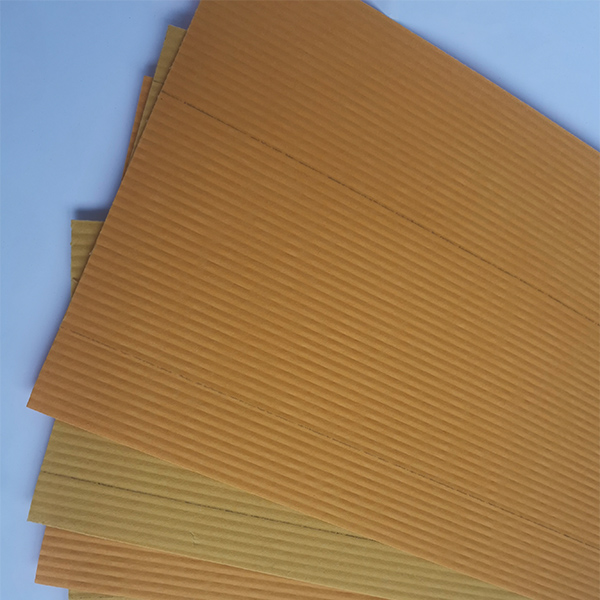
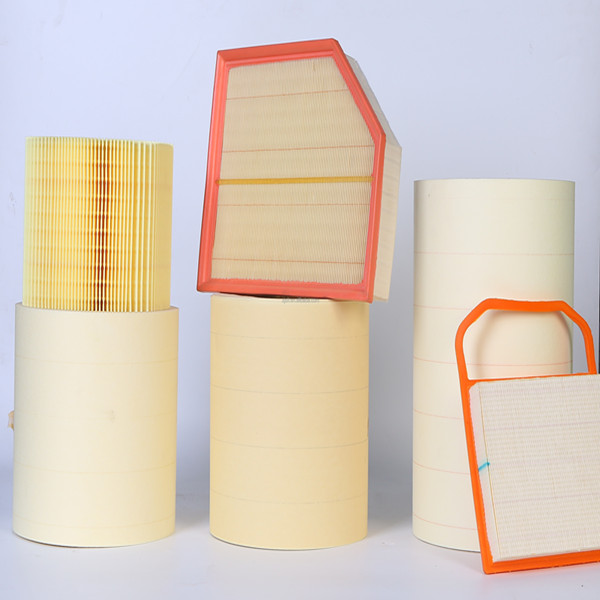
Filter media is essentially the material that captures impurities. It can be made from a variety of substances—woven or nonwoven fibers, synthetic polymers like polyester, fiberglass, or even specialty papers. Each has its pros and cons. For example, fiberglass might filter finer particles but can be brittle; synthetic fibers are more durable and moisture-resistant but might be costlier.
You might ask, how do engineers pick the right media? It often depends on factors like airflow rates, particle size to be filtered, environmental conditions, and required lifespan. That’s why many manufacturers offer custom blends or specialized treatments to enhance properties such as water repellency or chemical resistance. Oddly enough, sometimes just a tiny change in fiber diameter or orientation can improve filtration efficiency by double digits.
Here’s a basic rundown of some common filter media specs, just to get a sense of what’s on the table:
| Media Type | Typical Thickness | Filtration Efficiency | Common Applications |
|---|---|---|---|
| Fiberglass | 0.5 - 2 mm | 95% - 99% for PM2.5 | HVAC, automotive, industrial exhaust |
| Polyester (synthetic) | 1 - 3 mm | 90% - 98% for PM10 | Air purifiers, clean rooms, paint booths |
| Cellulose-Based Paper | 0.3 - 1 mm | 80% - 90% for larger particles | Oil filtration, HVAC secondary filters |
Now, as someone who’s been in this field for over a decade, I find that vendor reliability can be just as critical as the specs themselves. Some companies just “get it” — they offer consistent quality, fast turnaround, and helpful customization options, while others might cut corners or deliver inconsistent batches.
To give you an idea, here’s a quick comparison of three top filter media suppliers in the industrial sector:
| Supplier | Custom Options | Lead Time | Price Point | Quality Consistency |
|---|---|---|---|---|
| Anya Filter Media | Wide range, custom blends & treatments | 2-3 weeks | Mid-high | Very High |
| Alpha Filters Inc. | Standard offerings only | 1-2 weeks | Low-mid | Moderate |
| Global Filter Solutions | Limited customization | 3-4 weeks | High | High |
A small story to round this out: A client once came to me frustrated—they kept replacing filters every month in their paint spray booths due to rapid clogging. I took a closer look and realized their media wasn’t quite up to the task; it was treating solvents poorly and didn’t hold up in humidity. We switched to a custom synthetic blend with water-resistant treatment—and the difference was night and day. Filter life doubled, air quality improved, and their downtime dropped. It’s the kind of win that really sticks with you.
So, next time you hear someone mention filter media, remember it’s not just some dusty piece of cloth. It’s the unsung hero that keeps machines humming, processes pure, and environments safe. Choosing the right filter media is a small decision with potentially huge consequences.
In real terms, understanding the nuances of filter media can save you money, time, and headaches. And if you ever need one trusted source that balances quality and options, well... you know where to look.
References:
1. Industrial Filtration Materials Guide, Filtration Journal 2022
2. Personal field experience & consultations, 2009-2023
3. Vendor datasheets and product literature (Anya Filter Media)
Post time: Jan-05-2026