Understanding Non-Woven Filter Paper: A Global Perspective
Non-woven filter paper might not be a household term, but its impact is quite remarkable if you stop and think about it. At its core, this material serves a vital role in filtering air, water, and even industrial fluids — essentially helping keep our environment, health, and infrastructure cleaner and safer. Globally, industries and humanitarian organizations alike rely on these filters to tackle challenges such as pollution control, medical sterilization, and emergency relief filtration needs. But why does understanding it matter? Well, as the world confronts pollution and public health crises, innovations and applications of non-woven filter paper are becoming essential to sustainability and quality of life across continents.
Introduction: Why Non-Woven Filter Paper Holds Global Importance
It’s hard to overstate the scale of air and water quality challenges worldwide. According to the World Health Organization, ambient air pollution causes an estimated 4.2 million premature deaths annually. Similarly, water scarcity and contamination affect billions. Non-woven filter paper emerges as an affordable, scalable filtration solution that industries and NGOs deploy to improve these harsh realities. But the challenge, frankly, lies in creating filter media that are robust yet cost-effective — to serve remote areas, urban centers, and emergency zones alike.
Global manufacturing standards like ISO 16890 guide filtration efficiency testing, ensuring these materials meet performance benchmarks. And with industrial growth expected to climb, filtration demands will only increase — meaning understanding and optimizing non-woven filter paper is more critical than ever.
What is Non-Woven Filter Paper?
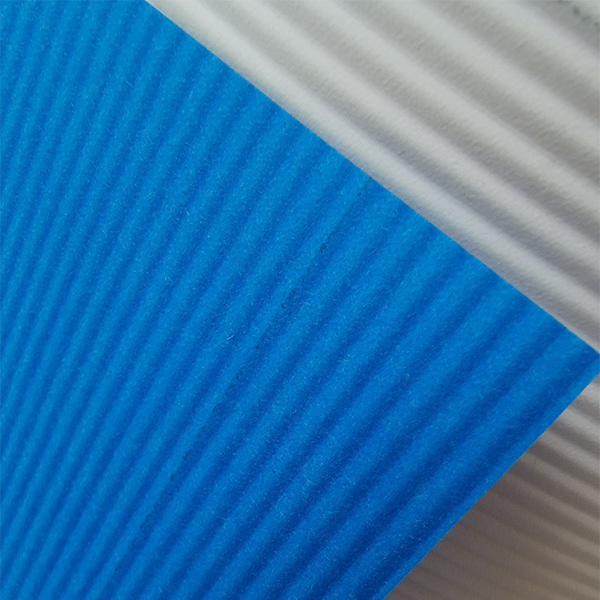
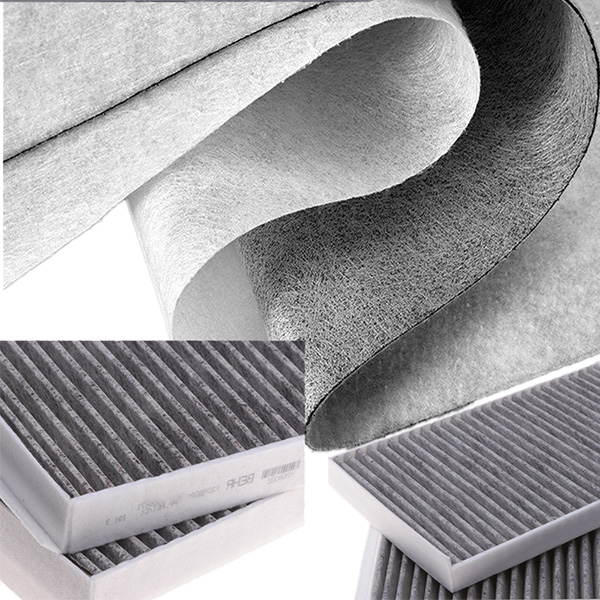
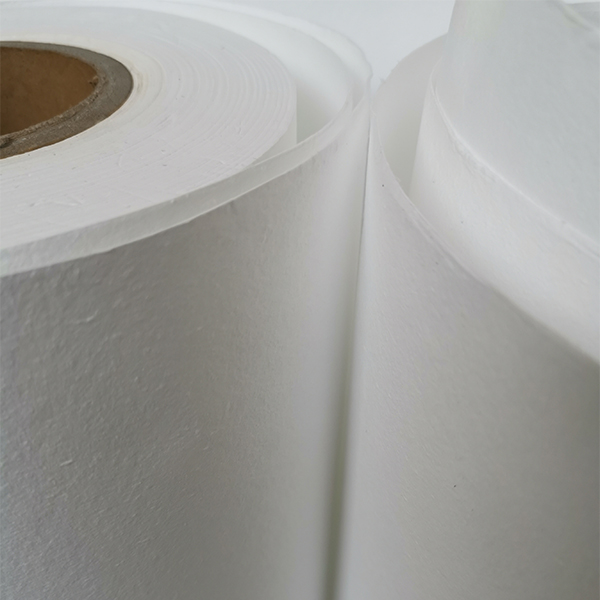
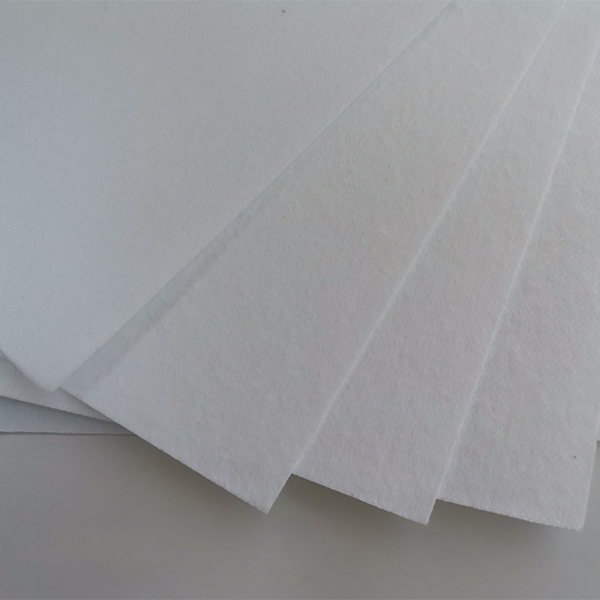
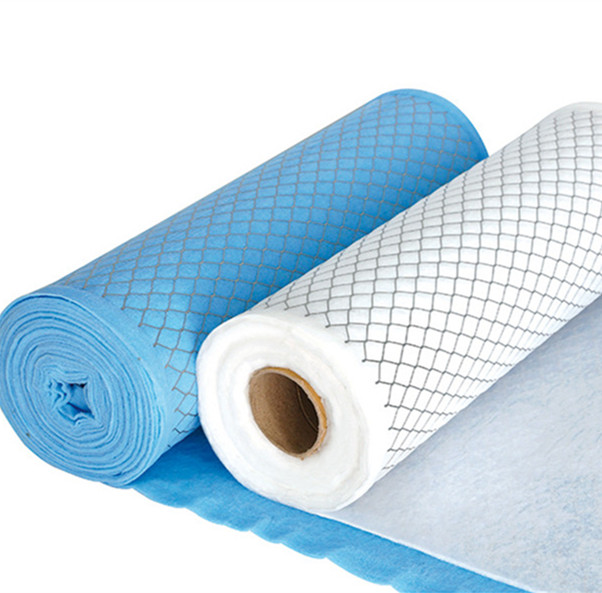
Simply put, non-woven filter paper refers to a fabric-like material made not by weaving, but by bonding fibers together via mechanical, thermal, or chemical processes. This randomness in fiber arrangement creates a porous, lightweight structure ideal for catching dust, bacteria, or particles while allowing air or liquid flow. Unlike traditional paper, these filters don't disintegrate when wet and can be engineered for specific filtration tasks — from coarse dust removal to ultra-fine virus capture.
Interestingly, its use goes beyond industrial filtration. Think medical masks, HVAC systems in office towers, or even water purification plants in developing nations — the material adapts flexibly to meet diverse needs.
Key Components and Characteristics of Non-Woven Filter Paper
1. Filter Efficiency
The primary job is filtering out contaminants. Efficiency varies by fiber density and diameter, ranging from 80% for large particles to over 99% for sub-micron particulates. The finer the fibers and the thicker the mat, typically, the higher the filtration performance.
2. Durability and Moisture Resistance
Unlike traditional cellulose paper, non-woven filter paper resists moisture and can withstand humid or wet environments without losing integrity — critical for water filtration or medical uses.
3. Breathability and Flow Rate
It balances filtration with fluid flow. Achieving perfect filtration but zero flow means failure; thus, fiber layout and thickness get optimized for desired applications. Oddly enough, breathable yet effective filters reduce energy costs by easing flow resistance in HVAC systems.
4. Cost Efficiency
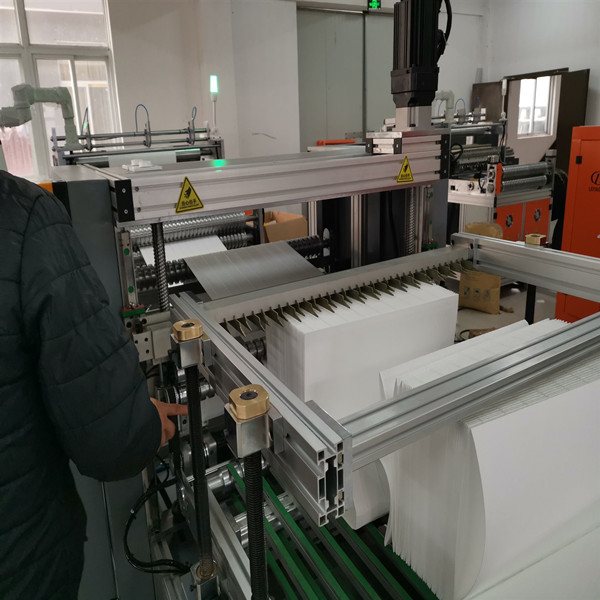
The economical production processes (such as spunbond or meltblown techniques) enable wide-scale manufacture, making filters affordable without sacrificing function — a must for large-scale disaster relief or industrial deployment.
5. Scalability & Customization
The nature of production allows manufacturers to tune products for specific particles, chemical resistance, or strength, making non-woven filter paper highly versatile.
6. Environmental Impact
Some newer variants are designed with biodegradable or recyclable fibers, pushing the sustainability angle — increasingly crucial given mounting environmental regulations.
| Property | Typical Values | Notes |
|---|---|---|
| Filtration Efficiency | 80%–99.9% | Depending on fiber type and product grade |
| Moisture Resistance | High | Suitable for wet environments |
| Typical Thickness | 0.1 – 2.0 mm | Customizable thickness for different filtration levels |
| Material Basis Weight | 20–150 g/m² | Varies by application |
| Environmental Compatibility | Biodegradable options available | Depends on fiber composition |
Mini takeaway: Non-woven filter paper’s versatility and tailored properties make it indispensable in both industrial and humanitarian spheres.
Global Applications & Real-World Use Cases
You’ll find non-woven filter paper at work in surprisingly many places. For instance, in post-disaster relief operations, filtering clean water is nothing short of life-saving. NGOs deploy portable water purification devices using this filter media in South Asia or Sub-Saharan Africa where infrastructure is fragile.
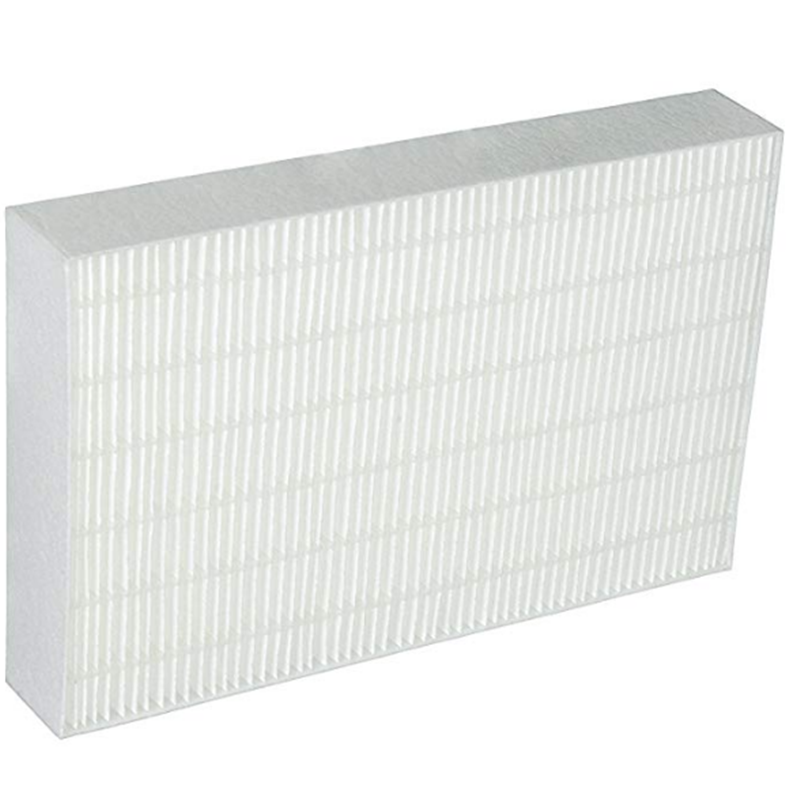
Industrial zones in China and the EU employ these filters within their dust control systems to comply with stringent environmental standards. Hospitals worldwide rely on non-woven filter paper embedded in surgical masks and air purifiers to curb infection spread — something every healthcare worker appreciates, especially after COVID-19.
The automotive sector also makes use of these filters for cabin air filtration, reducing pollutants exposure to passengers during commutes in megacities.
From regional to global scale, the adaptability makes it a quiet champion behind the scenes.
Advantages and Long-Term Value of Using Non-Woven Filter Paper
- Cost-effectiveness: Thanks to mass production economies, these filters provide premium filtration without premium pricing.
- Sustainability: New biodegradable composites improve environmental footprint compared to traditional synthetic filters.
- Reliability & Safety: Increased pathogen and pollutant capture fosters healthier communities and safer workplaces.
- Innovation Potential: Enhances product life cycles and lowers maintenance thanks to durability.
- Emotional impact: Offering clean air and water equals peace of mind — a basic human dignity.
Mini takeaway: Non-woven filter paper embodies an elegant fusion of affordability, efficacy, and social good in filtration.
Future Trends and Innovations in Non-Woven Filter Paper
The future is interesting here. There’s ongoing research into nanofiber integration to capture even smaller pathogens and pollutants, alongside eco-friendly bio-based fibers replacing plastics. Digital manufacturing techniques promise precise control over fiber layouts for targeted performance.
Sustainability policies worldwide are pushing manufacturers to reduce waste and enhance recyclability, too. Automation in fabrication lines is cutting production costs — a win-win for mass deployment.
Challenges & Solutions Facing Non-Woven Filter Paper Usage
Despite all the advantages, some challenges remain. Standardizing quality across global suppliers is tricky, and disposing of synthetic filters contributes to landfill overflow. Scalability to extremely remote locations without complex logistics sometimes limits usage. Moreover, balancing filtration against flow resistance is a fine art.
Manufacturers and researchers increasingly embrace hybrid materials and closed-loop recycling schemes to mitigate environmental impact. Custom R&D caters to regional application needs, streamlining supply chains.
| Vendor | Global Presence | Specialization | Sustainability Initiatives | Price Range (per m²) |
|---|---|---|---|---|
| FiberTech Solutions | North America, Europe | High-efficiency air filters | Partial use of bio-fibers; recycling program | $5–$12 |
| EcoFiber Industries | Asia, Africa | Water filtration and medical grade | 100% biodegradable products | $7–$15 |
| GlobalFilter Co. | Worldwide | Custom solutions across sectors | Sustainability through material innovation | $6–$13 |
FAQ: Frequently Asked Questions About Non-Woven Filter Paper
- What makes non-woven filter paper better than traditional woven fabrics for filtration?
- Non-woven filter paper offers a more randomized fiber structure, increasing surface area and trapping efficiency for particles of various sizes. It is also more resistant to moisture, easier to produce at scale, and customizable in thickness and fiber density, unlike traditional woven fabrics.
- Can non-woven filter paper be recycled or disposed of safely?
- Many synthetic varieties are not biodegradable and require specialized disposal. However, manufacturers are increasingly adopting biodegradable fibers and closed-loop recycling programs to mitigate environmental impact, leading to safer disposal options over time.
- How do environmental conditions affect non-woven filter paper performance?
- Typically, non-woven filter paper maintains integrity in moist or humid environments better than regular paper filters. However, extreme heat or chemical exposure could degrade performance, so material choice should align with intended conditions.
- Is non-woven filter paper suitable for emergency water treatment?
- Absolutely. Many portable water purification systems use non-woven filter paper due to its high efficiency, durability, and ease of production, making it a go-to choice in disaster relief and remote regions.
- Where can organizations source high-quality non-woven filter paper for industrial use?
- Global vendors like FiberTech Solutions, EcoFiber Industries, and GlobalFilter Co. cater to diverse needs with certifications ensuring quality meeting ISO standards. Selecting suppliers often depends on region, application, and sustainability goals.
Conclusion
In summary, non-woven filter paper quietly underpins many of the filters that protect our air, water, and health worldwide. Its cost-effectiveness, adaptability, and growing sustainability credentials amplify its long-term value. Whether in high-tech industry or humanitarian efforts, the material bridges gaps where traditional filters fall short.
Curious to learn more or consider custom solutions? Visit our website at https://www.anyafiltermedia.com — because as demand grows, informed choices matter.
Quick Thought: It feels like non-woven filter paper is one of those quiet essentials—always supporting progress without much fanfare but doing the job we can’t quite do without.
References:
1. WHO Ambient Air Quality
2. Nonwoven Fabric – Wikipedia
3. ISO 16890 Air Filter Testing
Post time: Dec-02-2025